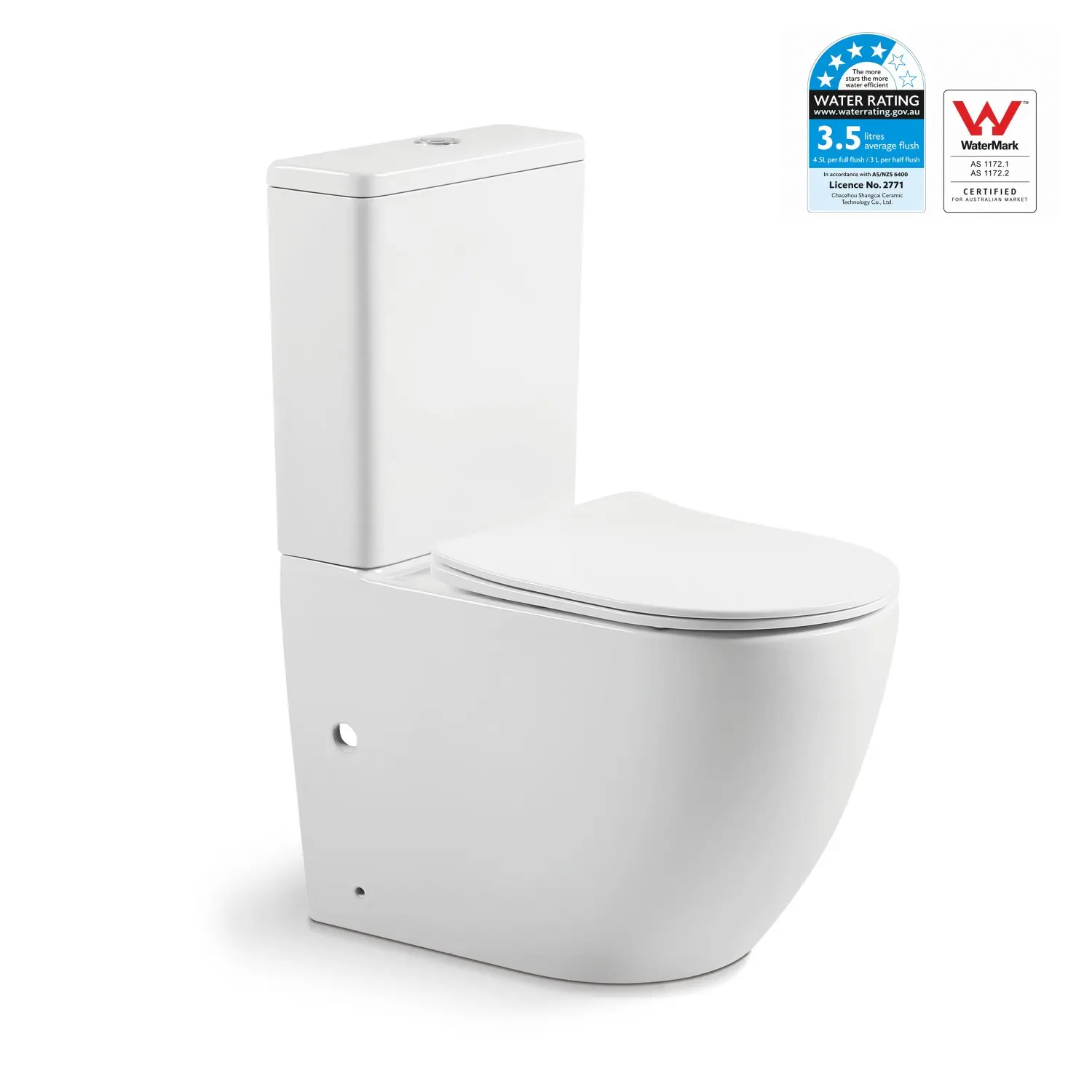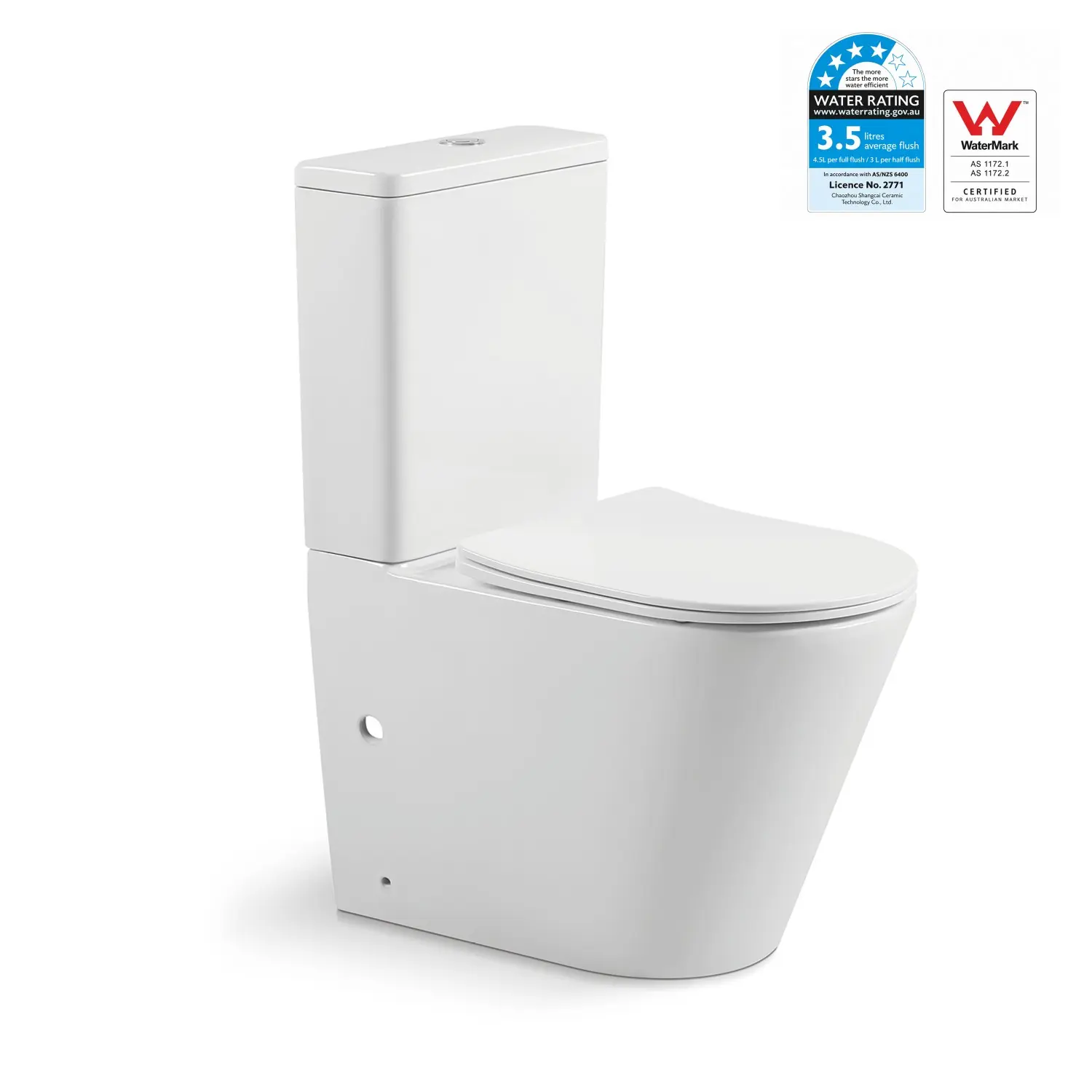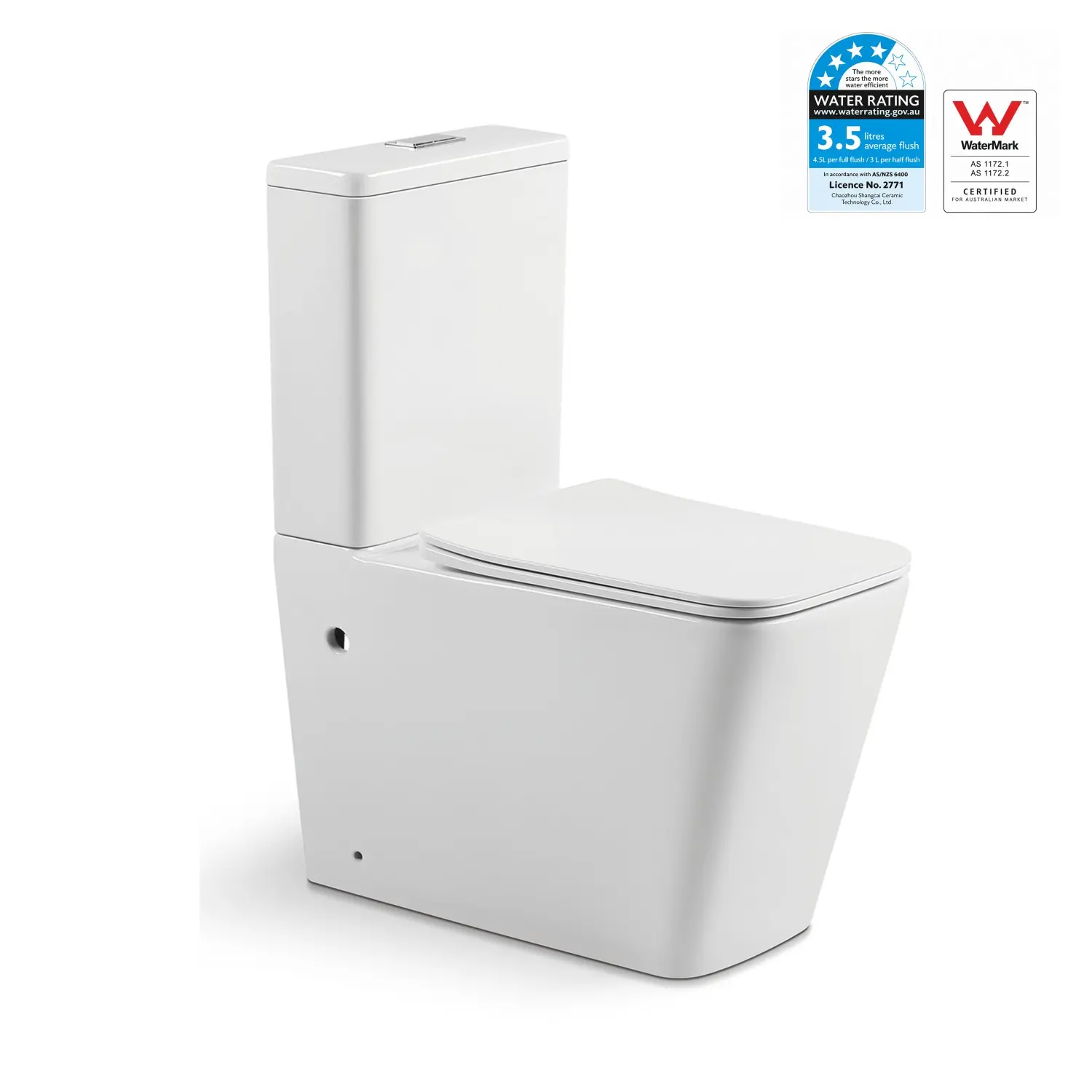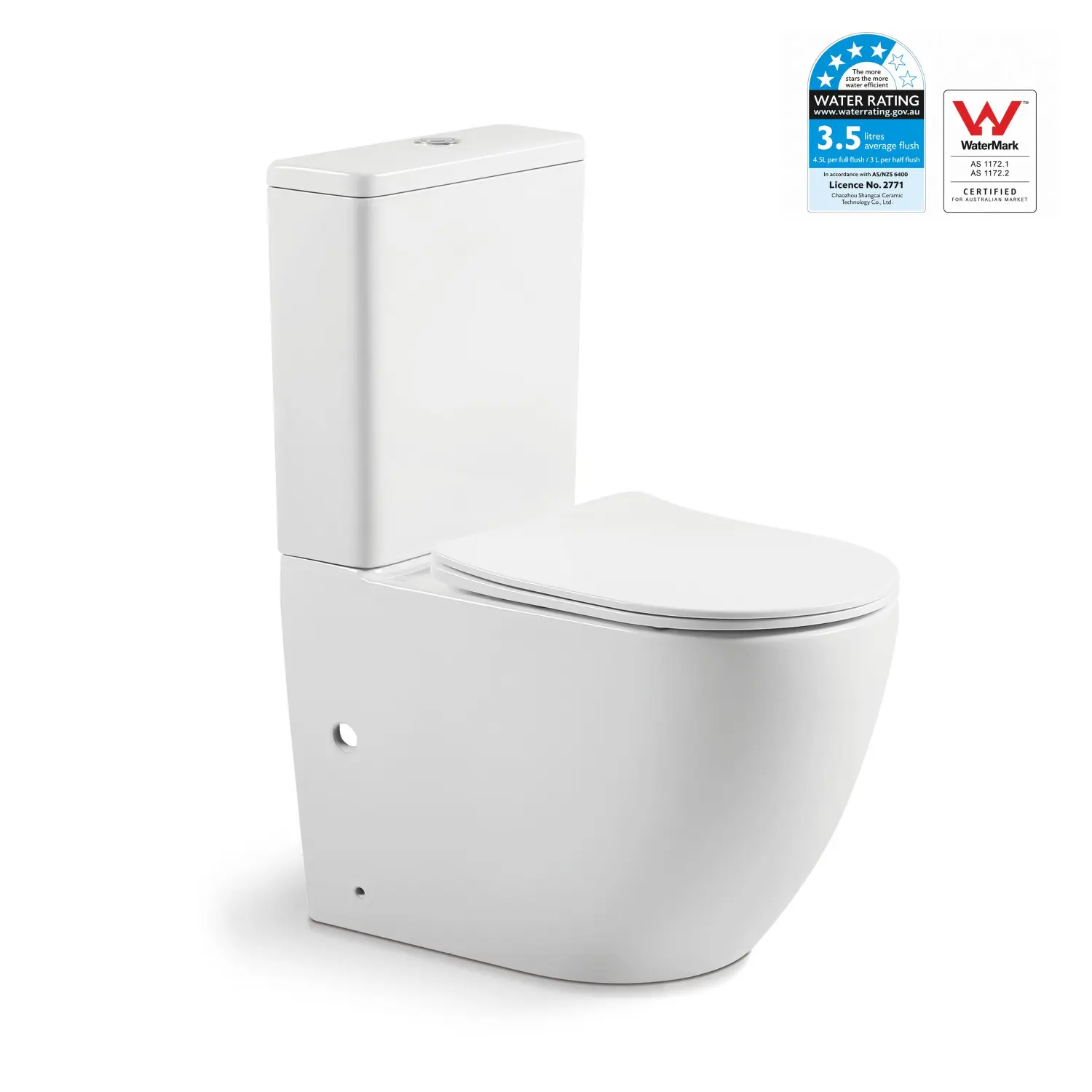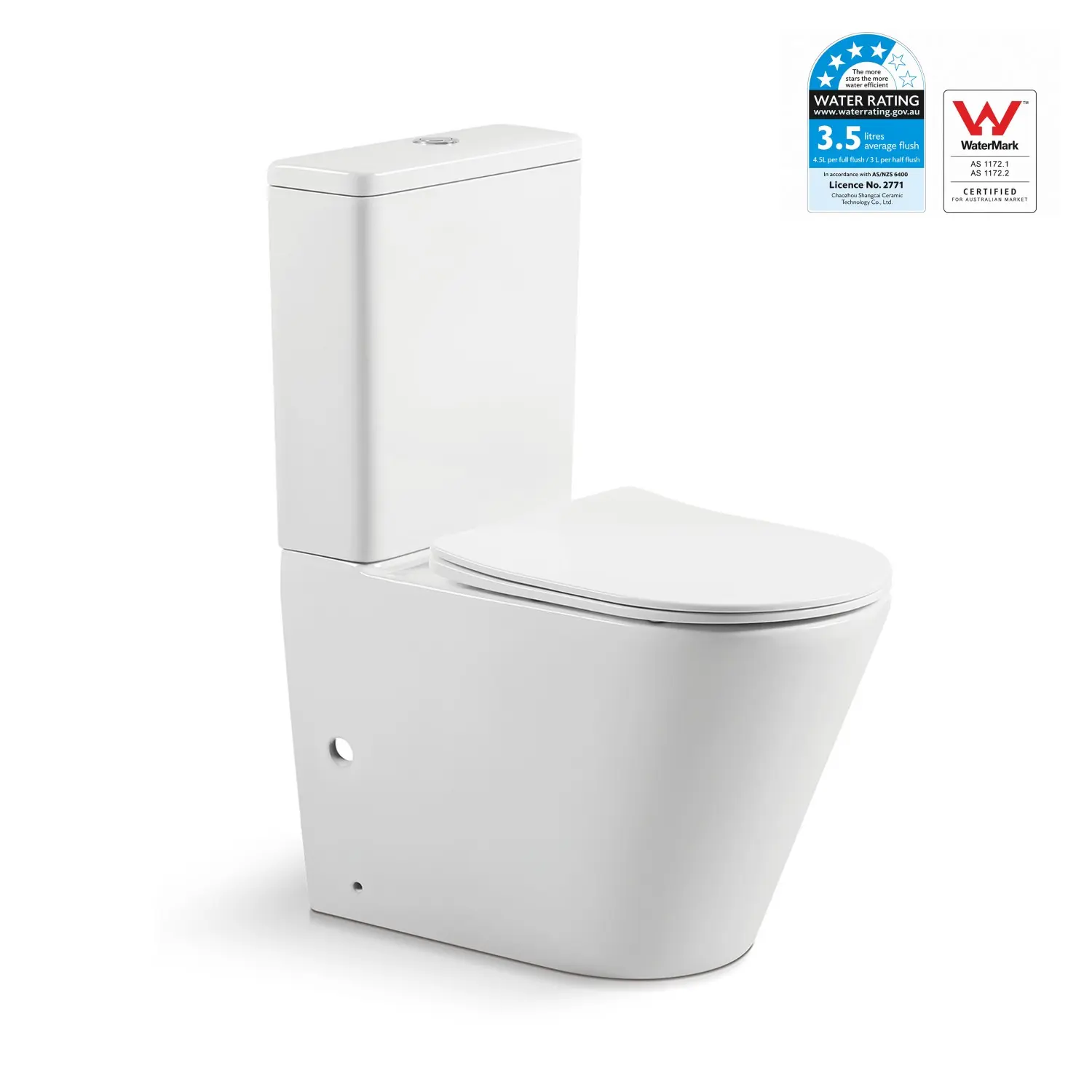
Australia has a diverse bathroom market, with different toilet designs used across residential homes, apartments, hotels, commercial buildings, and renovation projects. When choosing a toilet for the Australian market, buyers typically consider the toilet type, bathroom layout, flushing performance, water efficiency, cleaning convenience, and certification requirements.
For importers, distributors, retailers, and project buyers, understanding the main toilet types available in Australia can make product selection and sourcing much easier.
Toilettes en deux parties
Two-piece toilets are one of the most established toilet designs in the Australian market. The toilet pan and cistern are manufactured as separate components and assembled during installation.
This design offers practical advantages for residential and commercial projects. Two-piece toilets are available in a wide range of pan shapes, sizes, flushing systems, and design styles, making them suitable for different bathroom layouts and project budgets.
For distributors and retailers, wholesale two piece toilets can also provide flexibility when building a product range, as different pan and cistern configurations can be offered for different customer requirements.
Toilettes monoblocs
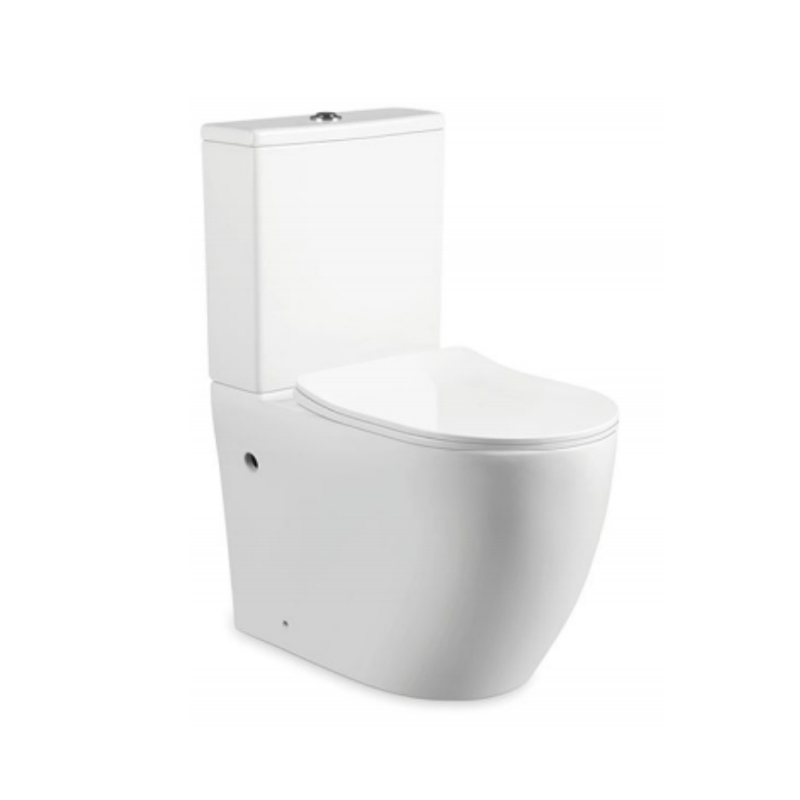
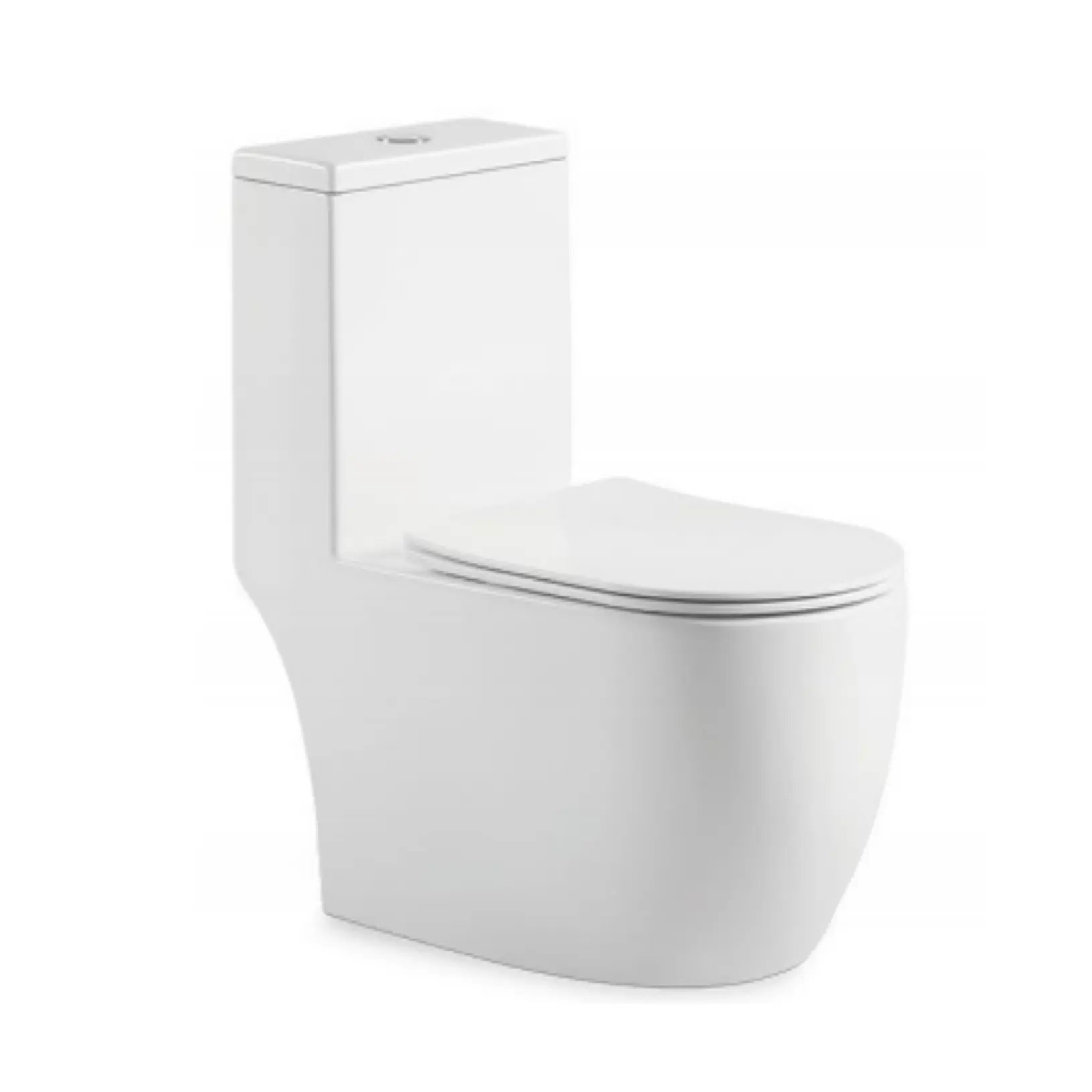
One-piece toilets integrate the pan and cistern into a single ceramic unit. Compared with traditional two-piece designs, they generally have a more streamlined appearance and fewer external joints.
The smooth exterior can make cleaning more convenient, while the integrated design is suitable for modern residential bathrooms, apartments, hotels, and renovation projects. One-piece toilets are available in different shapes and styles, allowing buyers to match the toilet with contemporary bathroom interiors.
For toilet manufacturers and suppliers, offering both one-piece and two-piece models can help serve a broader range of Australian customers.
Toilettes suspendues
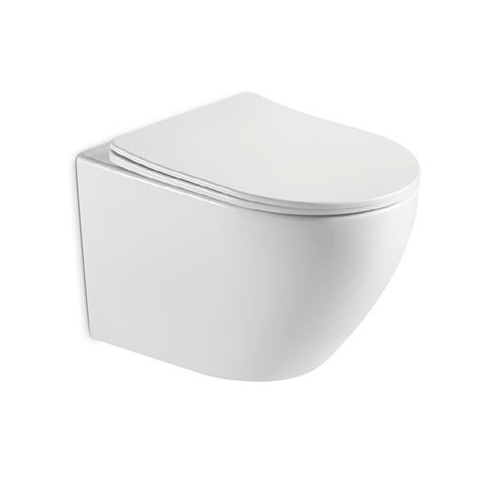
Wall-hung toilets are designed with the toilet pan mounted above the floor, while the cistern and flushing mechanism are typically concealed behind the wall.
Their minimalist appearance makes them suitable for modern bathrooms where a clean and open floor area is preferred. The raised pan can also make floor cleaning easier.
However, wall-hung toilets require suitable wall structures, concealed installation systems, and careful project planning. For this reason, they are often selected during new construction or major bathroom renovations rather than simple replacement projects.
Rimless Toilets
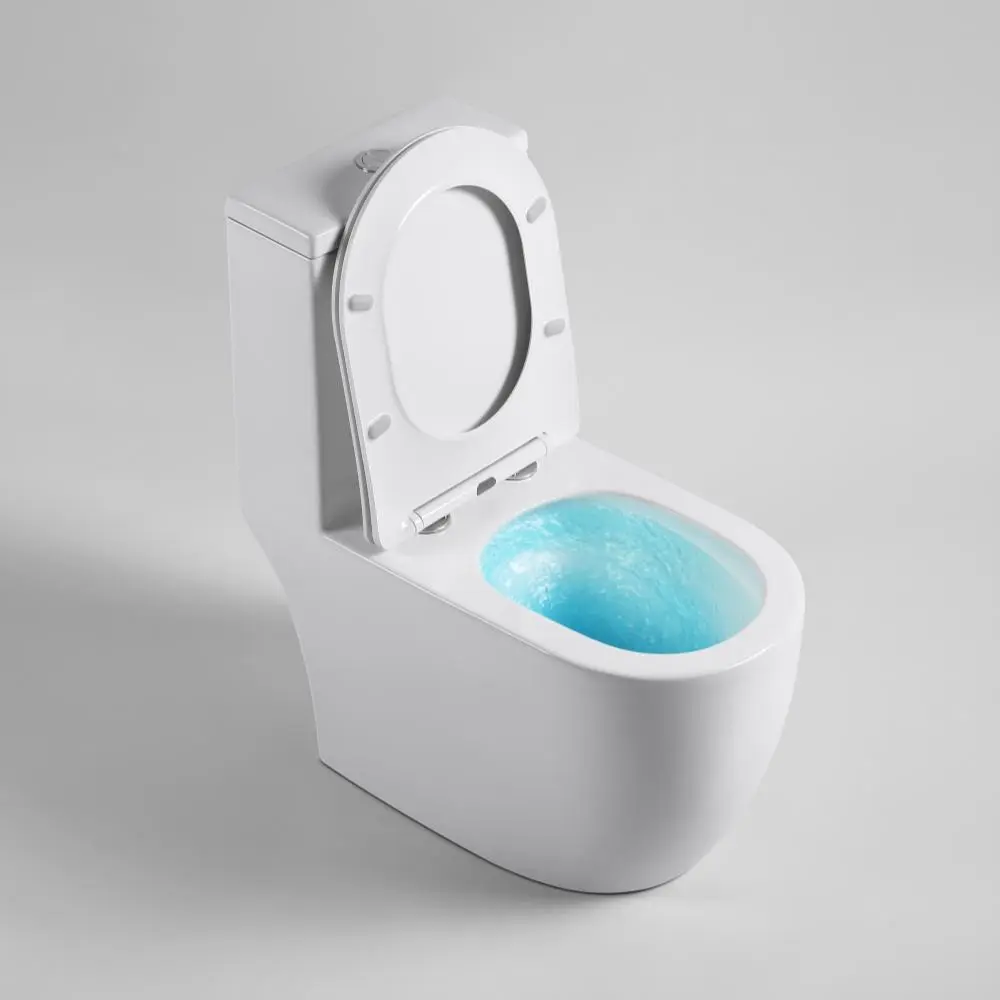
Rimless toilets use a different bowl design from traditional toilets, removing the conventional rim around the inside of the bowl. This creates a more open and accessible surface for cleaning.
Rimless designs are increasingly used in modern residential and commercial bathrooms because they combine contemporary styling with easier maintenance. For buyers evaluating toilet products, flushing performance, water distribution, cleaning convenience, and overall product quality should all be considered rather than focusing only on appearance.
Close-Coupled and Back-to-Wall Toilets
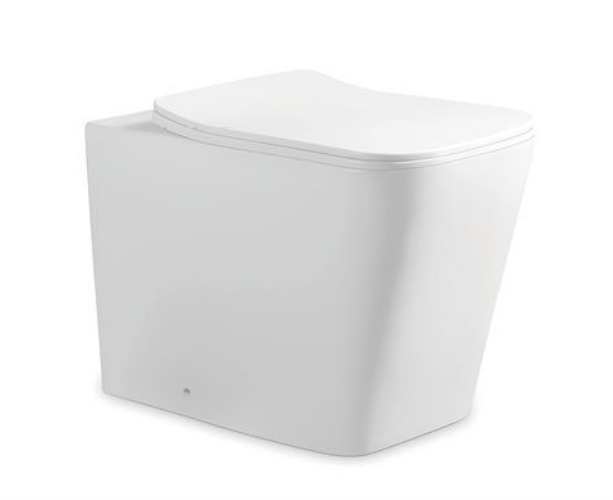
Close-coupled toilets have the cistern positioned directly above or behind the toilet pan, creating a compact and familiar configuration.
Back-to-wall toilets are designed so that the toilet pan sits closely against the wall, helping create a cleaner visual appearance and making better use of the available bathroom space.
The choice between these configurations depends on the bathroom layout, plumbing arrangement, installation requirements, and preferred design style.
Common Toilet Shapes and Designs
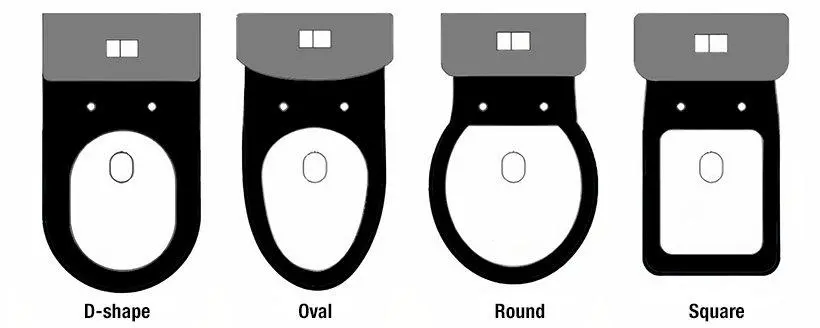
Australian toilet buyers can find several common pan shapes, including round, D-shaped, and elongated designs. The right shape depends on available space, user comfort, and the overall bathroom design.
Compact shapes can be useful for smaller bathrooms, while elongated designs may provide additional seating space. D-shaped toilets are also commonly selected for modern bathroom interiors because of their contemporary appearance.
When developing a toilet range for Australia, manufacturers can offer multiple shapes and configurations to meet different residential, commercial, and project requirements.
WaterMark and WELS Requirements
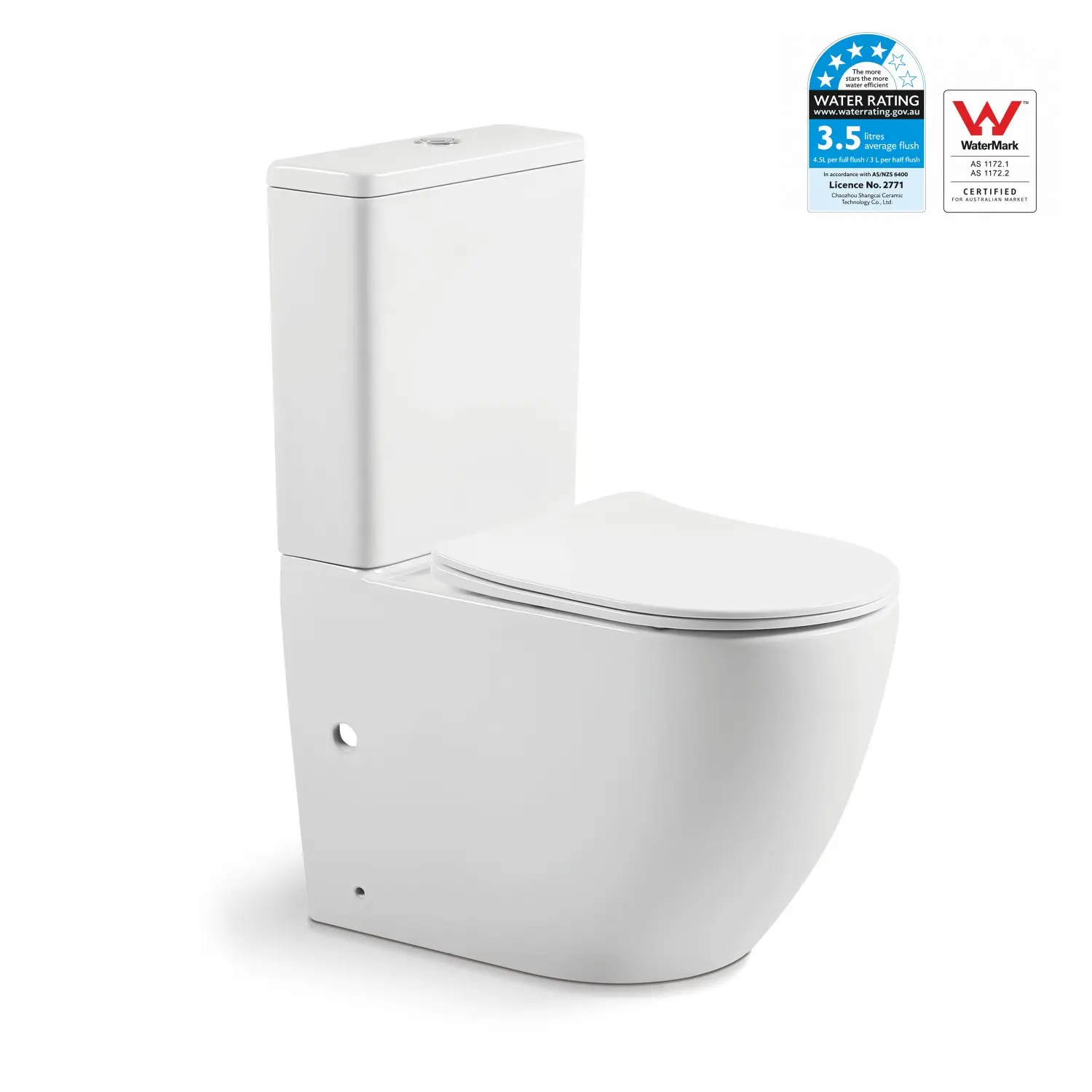
Certification is an important consideration when supplying toilets to the Australian market. WaterMark certification relates to the suitability and compliance of plumbing and drainage products, while WELS focuses on water efficiency.
Australian importers, distributors, and project buyers should verify the certification status and applicable registration information of toilet products before purchasing. Certification requirements should be considered during product development and sourcing rather than after the product has already been selected.
For an overseas toilet manufacturer, understanding Australian certification requirements is also important when developing products for local distributors and brands.
How to Choose the Right Toilet for an Australian Project
There is no single toilet design that suits every Australian bathroom or project. Buyers should consider:
- Bathroom size and layout
- Toilet installation type
- Performance de la chasse d'eau
- Efficacité de l'eau
- Cleaning and maintenance
- Product appearance
- Certification WaterMark
- WELS rating
- Project budget
- Supplier manufacturing capabilities
- Spare parts and after-sales support
For residential projects, design and installation requirements may be the main considerations. For hotels, apartments, commercial buildings, and large developments, consistency, supply capacity, certification, quality control, and long-term product support can become equally important.
Choosing a Toilet Supplier for Australia
Australian distributors, wholesalers, retailers, and project buyers should evaluate a supplier’s manufacturing capabilities in addition to its product range. A reliable supplier should be able to provide suitable toilet designs, consistent quality, certification support, packaging solutions, and stable production capacity.
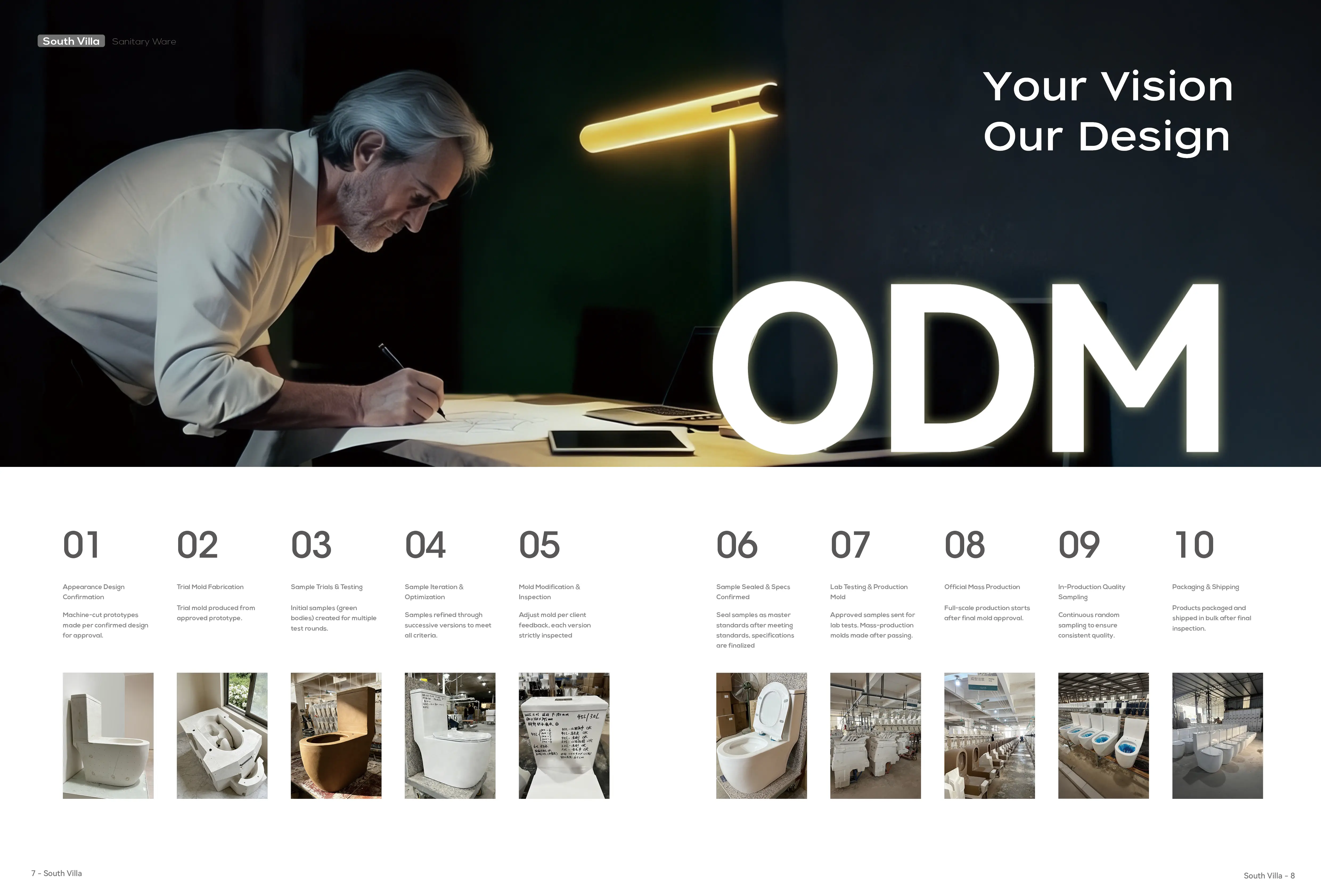
Working directly with an experienced toilet manufacturer can also make it easier to develop private-label products, coordinate OEM projects, and build a product range specifically for Australian market requirements.
Conclusion
Two-piece toilets, one-piece toilets, wall-hung toilets, rimless toilets, and dual-flush toilets all have applications in the Australian market. The right choice depends on bathroom layout, design preferences, installation conditions, flushing performance, water efficiency, and certification requirements.
For Australian distributors and project buyers, understanding these differences can help create a more suitable and competitive toilet product range while making the sourcing process more efficient.