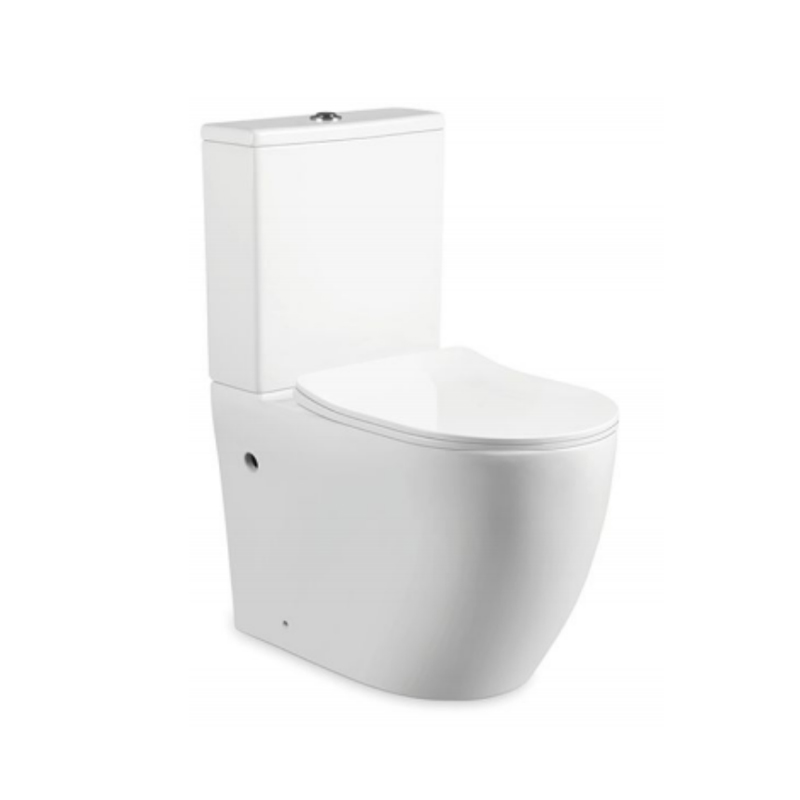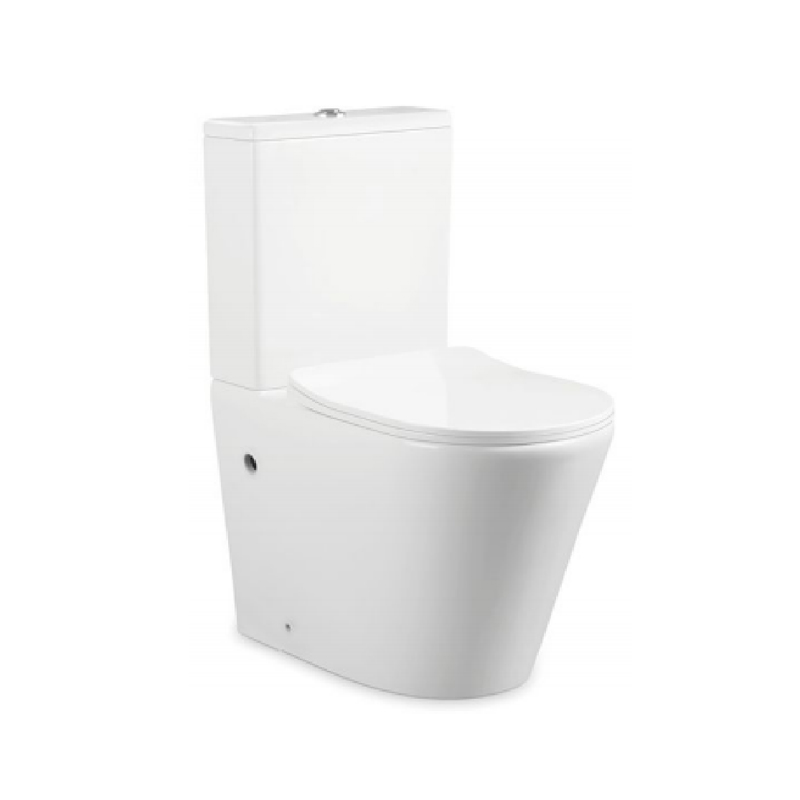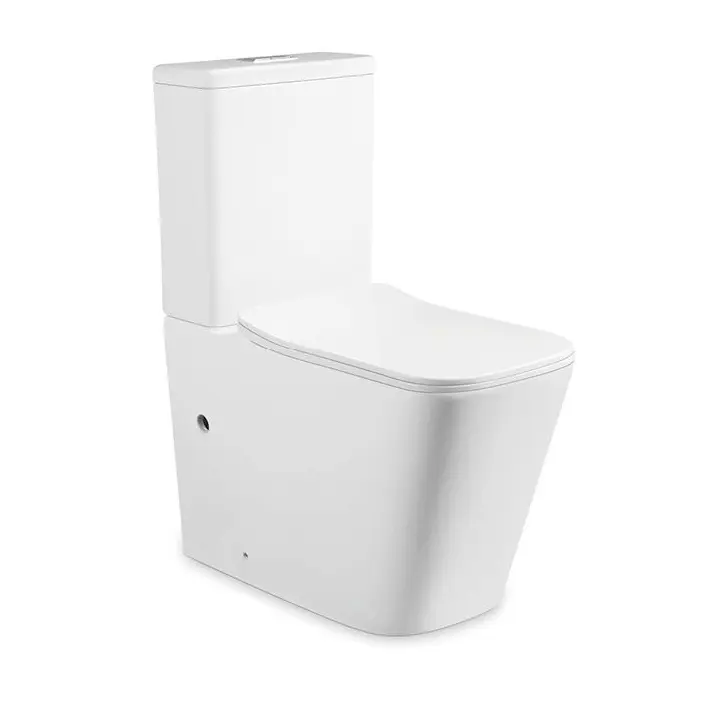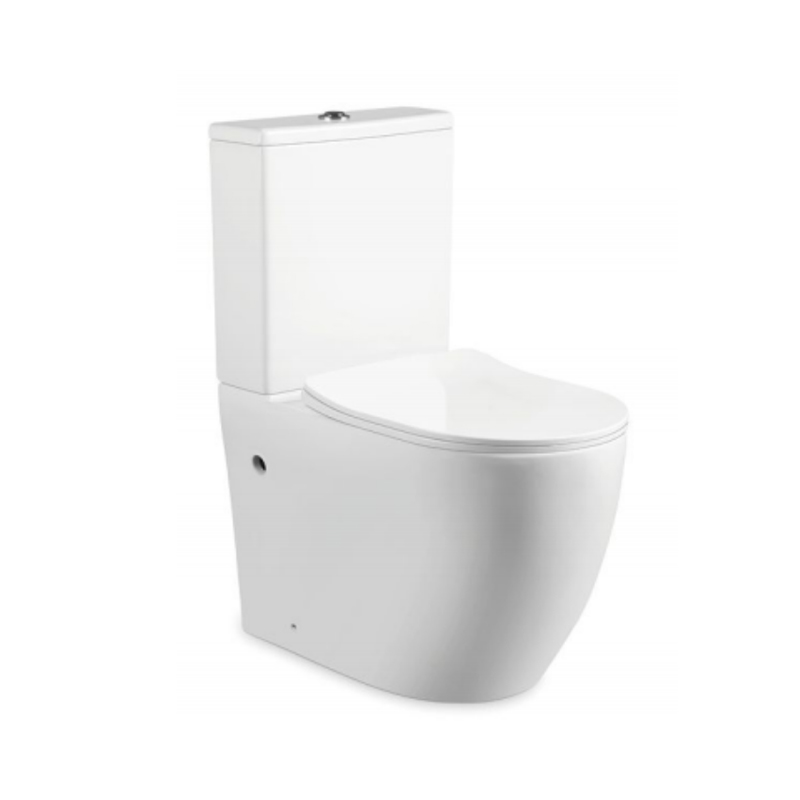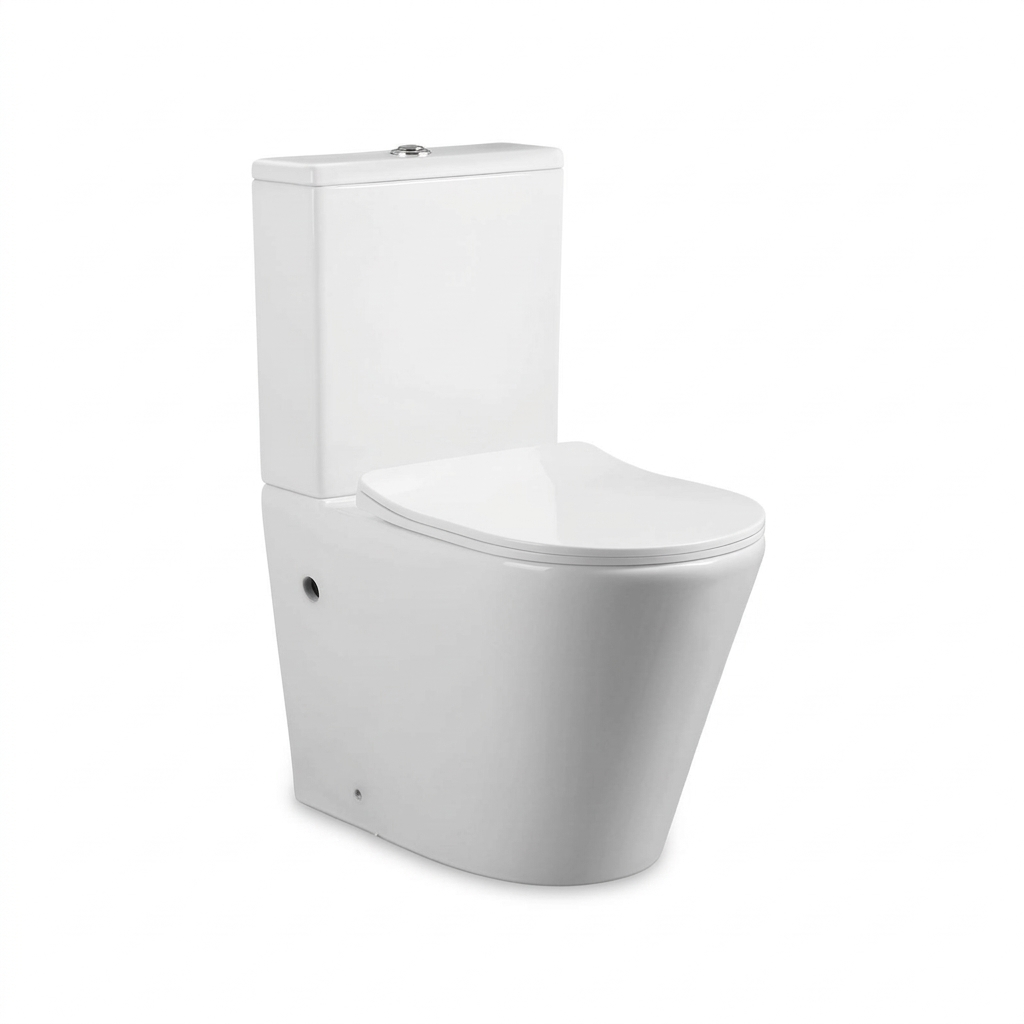






For distributors, importers, and project contractors, understanding toilet wholesale pricing is essential for controlling procurement costs and maximizing margins. Toilet prices can vary significantly depending on design, materials, certifications, production complexity, and logistics.
Whether you are sourcing from a toilet manufacturer for retail distribution or working with a wholesale toilet supplier for hospitality projects, knowing what drives pricing helps you make smarter purchasing decisions.
As a professional toilet manufacturer, we possess extensive experience in the field of toilet production. I will provide you with a detailed overview of the key factors influencing wholesale toilet prices, as well as how buyers can optimize their procurement strategies.
Material Quality and Ceramic Grade
One of the most important cost drivers is the raw material quality used in toilet production.
Ceramic Composition
High-quality toilets are typically made from premium vitreous china or porcelain, offering:
- Better durability
- Higher density and strength
- Improved crack resistance
- Longer product lifespan
Lower-grade ceramic may reduce upfront cost but often leads to:
- Surface imperfections
- Higher defect rates
- Reduced durability
Glazing Quality
Premium glazing improves:
- Surface smoothness
- Stain resistance
- Ease of cleaning
- Aesthetic appearance
A wholesale toilet manufacturer using advanced glazing technologies may charge more, but the long-term product value is often higher.
Toilet Design and Structural Complexity
Toilet design significantly impacts tooling, molding, and manufacturing complexity.
Standard Two-Piece Toilets
These are usually the most cost-effective option because:
- Easier to manufacture
- Lower mold costs
- Simplified packaging
One-Piece Toilets
These are generally more expensive due to:
- More complex molding process
- Higher firing difficulty
- Increased defect sensitivity
Wall-Hung and Concealed Tank Toilets
Premium or specialized models often cost more because of:
- Engineering complexity
- Additional installation components
- Niche market demand
Water Efficiency and Certifications
International markets increasingly demand water-saving toilets.
Products certified for water efficiency standards often cost more due to testing and compliance expenses.
Common certifications include:
- WaterSense
- CE Certification
- CUPC
- SASO
- ISO Quality Certifications
Certified products offer advantages:
- Easier import approval
- Higher market trust
- Better competitiveness in developed markets
However, certification compliance raises wholesale pricing due to:
- Testing fees
- Factory audits
- Ongoing compliance costs
Order Quantity and MOQ
Like most manufacturing industries, toilet pricing improves with volume.
Small Orders
Smaller MOQ orders typically have:
- Higher unit costs
- Limited customization flexibility
- Increased setup cost allocation
Bulk Orders
Larger orders benefit from:
- Better raw material purchasing efficiency
- Lower production setup costs
- More competitive freight consolidation
Working directly with a wholesale toilet supplier often unlocks better pricing tiers for container-load purchases.
OEM/ODM Customization Requirements
Customization adds value but increases production costs.
Common Customization Options
- Custom logos
- Unique glaze colors
- Special packaging
- Exclusive mold designs
- Modified dimensions
Shipping and Logistics Costs
Freight costs can significantly impact total landed cost.
Major Logistics Factors
- Product weight
- Packaging volume
- Container loading efficiency
- Destination port
- Fuel surcharges
Toilets are bulky and fragile, so container optimization is critical.
Efficient manufacturers design products and packaging to maximize container loading quantities, reducing per-unit shipping costs.
Factory Expertise and Manufacturing Standards
Not all factories price equally.
Higher-end manufacturers may charge more because they provide:
- Better quality control systems
- Automated production lines
- Strict inspection standards
- Lower defect rates
- Better after-sales support
Choosing a reliable toilet manufacturer can reduce hidden costs related to:
- Product returns
- Warranty claims
- Shipping damage
- Reputation risk
How Buyers Can Reduce Toilet Procurement Costs
Here are practical strategies for lowering wholesale toilet costs:
- Consolidate Orders: Combine SKUs into larger orders for better pricing leverage.
- Simplify Customization: Avoid unnecessary design complexity unless required.
- Optimize Packaging: Balance protection with shipping efficiency.
- Choose Proven Designs: Standardized models reduce tooling and defect risks.
- Partner with Experienced Manufacturers: Reliable factories improve consistency and reduce hidden operational costs.
Conclusion
Toilet wholesale pricing depends on far more than just raw material cost. Factors such as ceramic quality, flushing technology, certifications, customization, packaging, and shipping all influence the final price buyers pay.
For importers and distributors, understanding these cost variables helps improve sourcing decisions and protect margins. Partnering with an experienced toilet supplier or custom toilet manufacturer ensures better pricing transparency, stronger product quality, and scalable OEM/ODM support for long-term business growth.
FAQ
Why do toilet wholesale prices vary so much?
Toilet prices vary due to differences in materials, flushing technology, certifications, design complexity, customization, and shipping costs.
Are one-piece toilets more expensive than two-piece toilets?
Yes. One-piece toilets usually cost more because they require more advanced molding and production processes.
Does MOQ affect toilet wholesale pricing?
Yes. Higher order quantities typically reduce unit costs because production and material expenses are spread across more units.
Is OEM toilet customization worth the added cost?
For many brands and distributors, yes. OEM customization helps differentiate products and strengthen brand identity in competitive markets.
How can I find a reliable toilet supplier?
Look for suppliers with proven export experience, certifications, strong quality control systems, and OEM/ODM manufacturing capabilities.