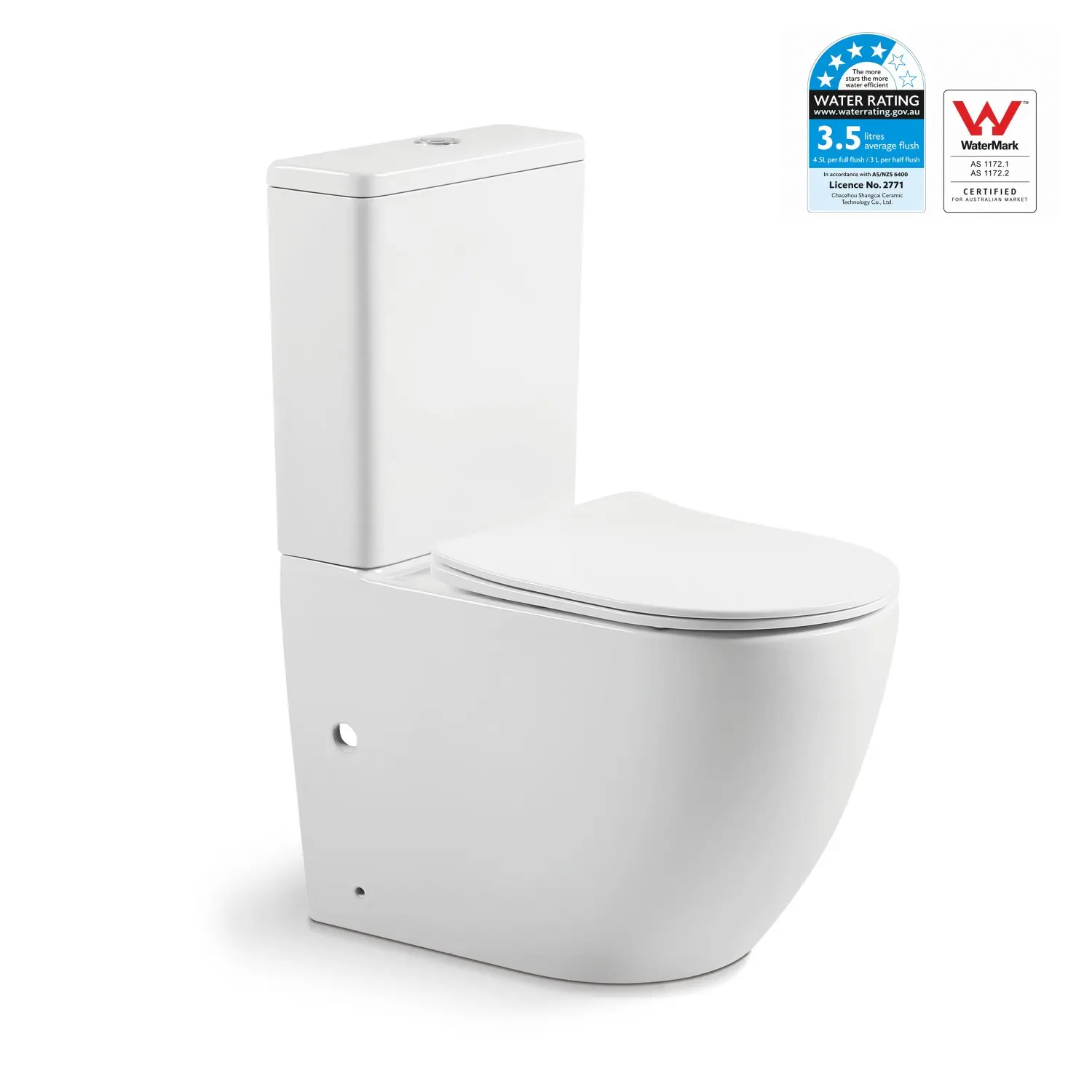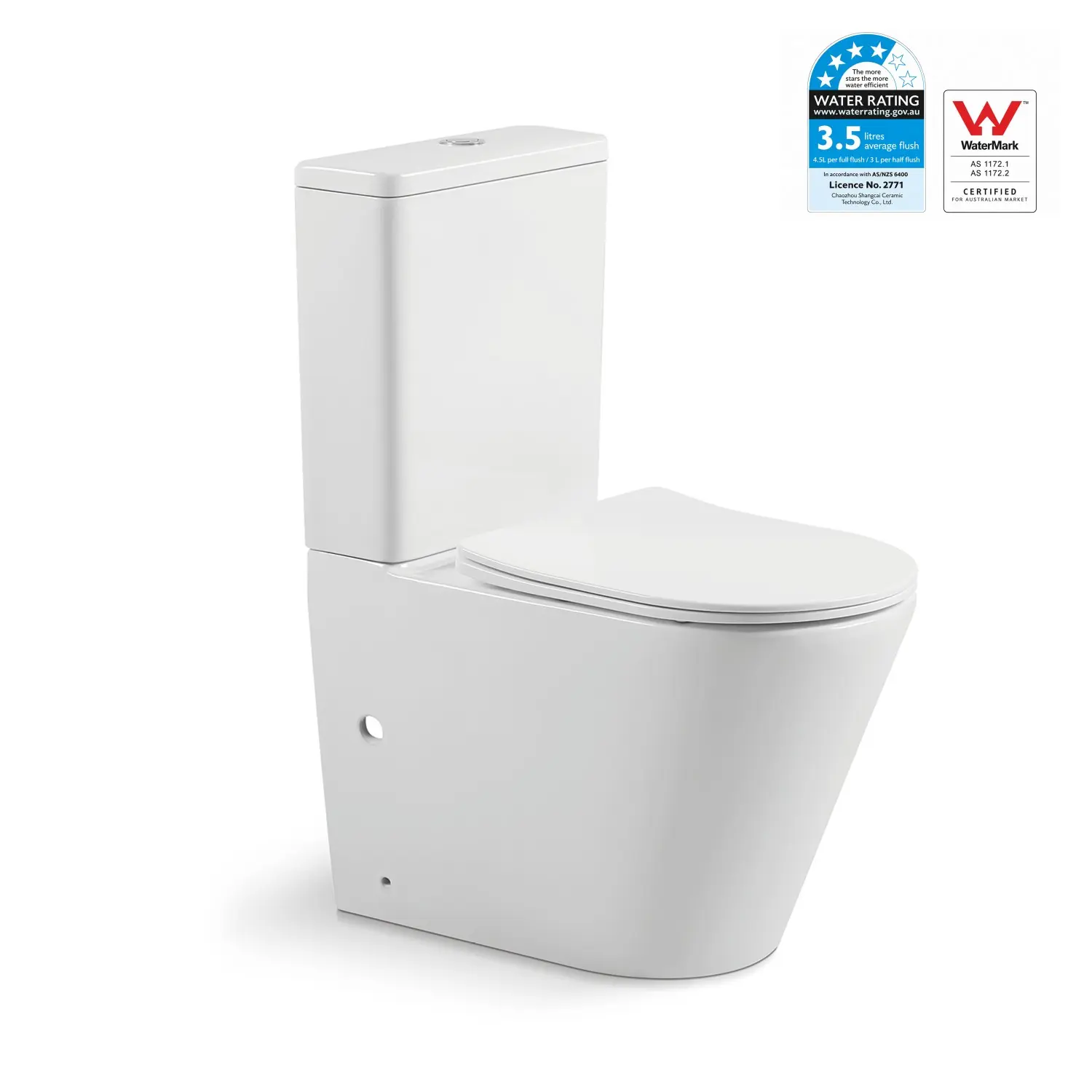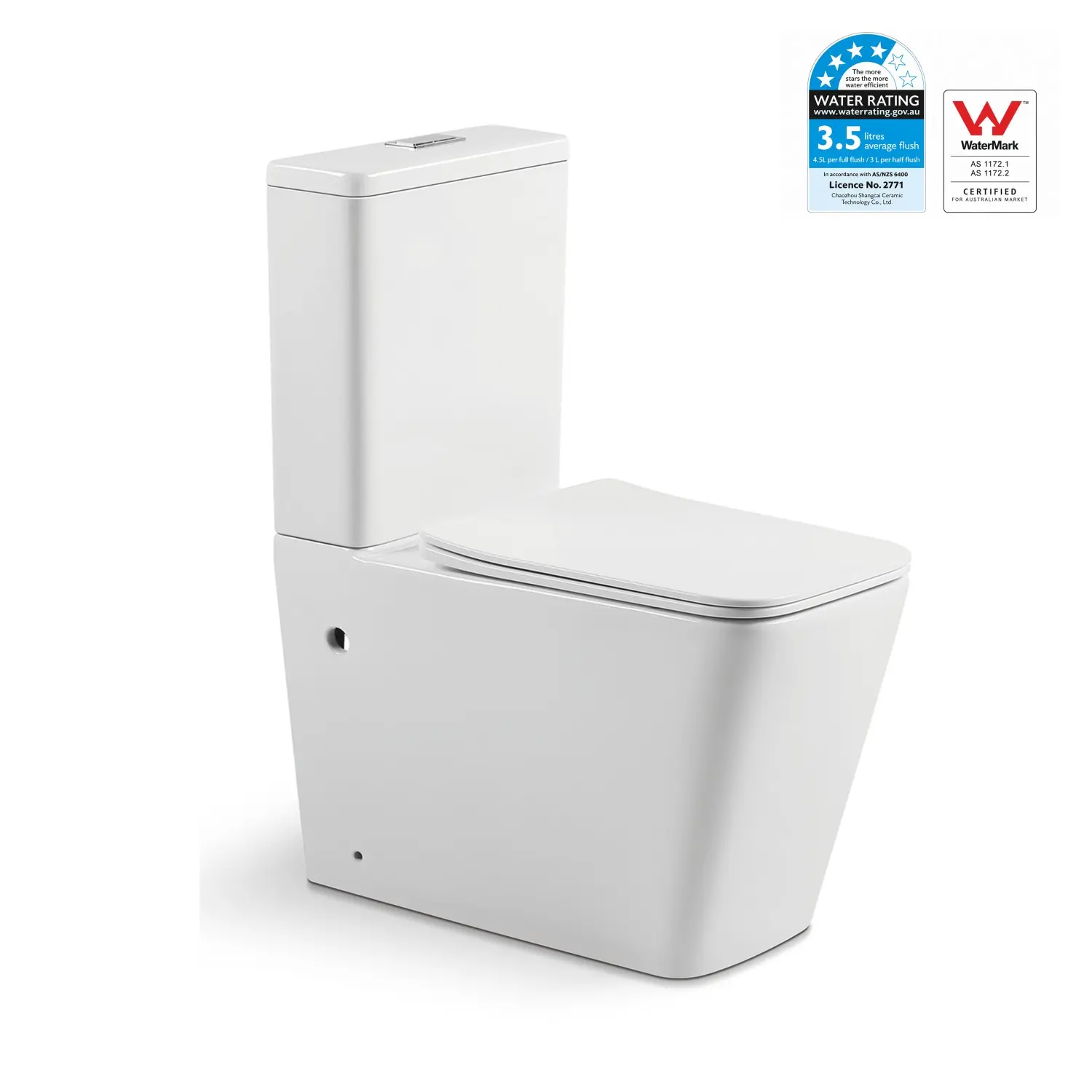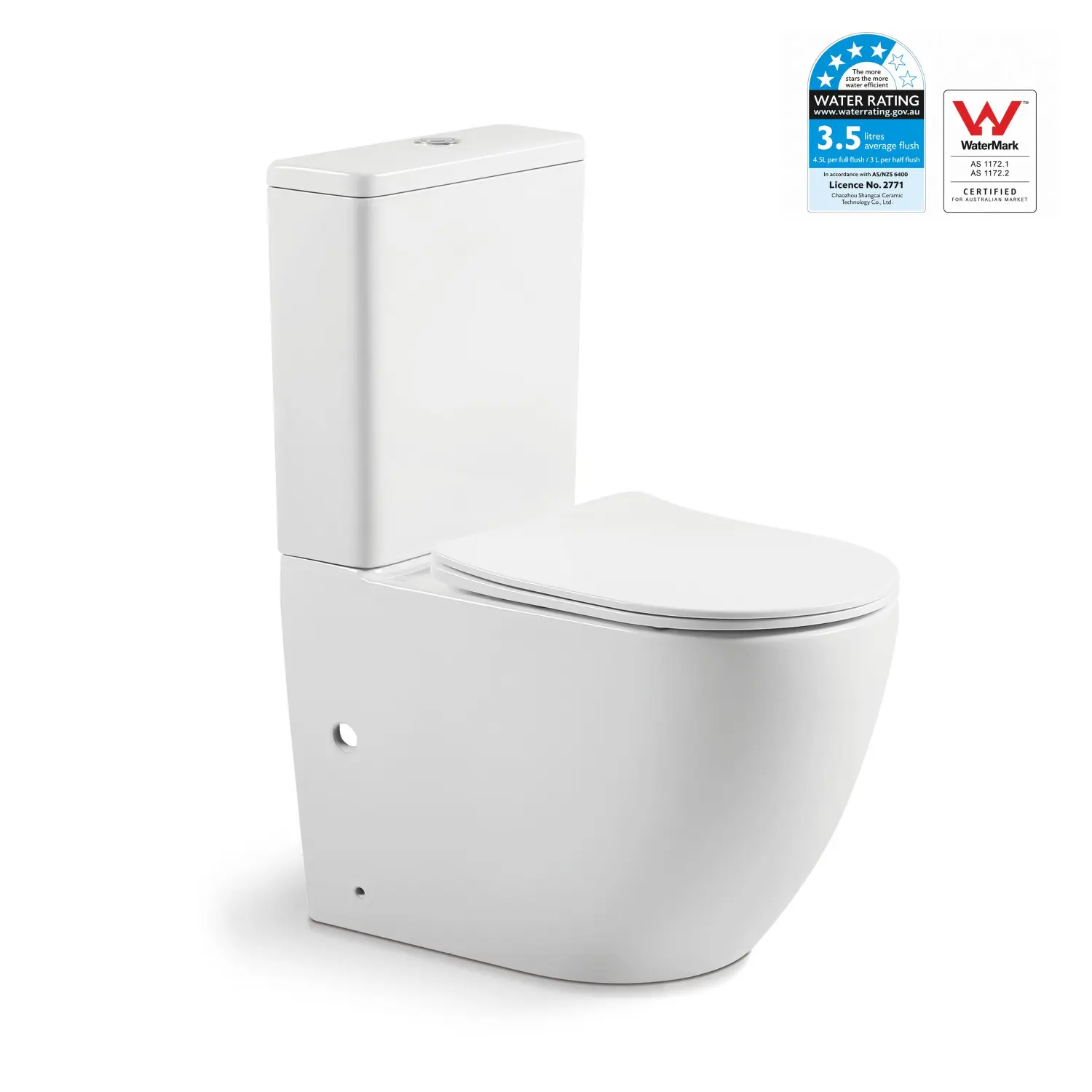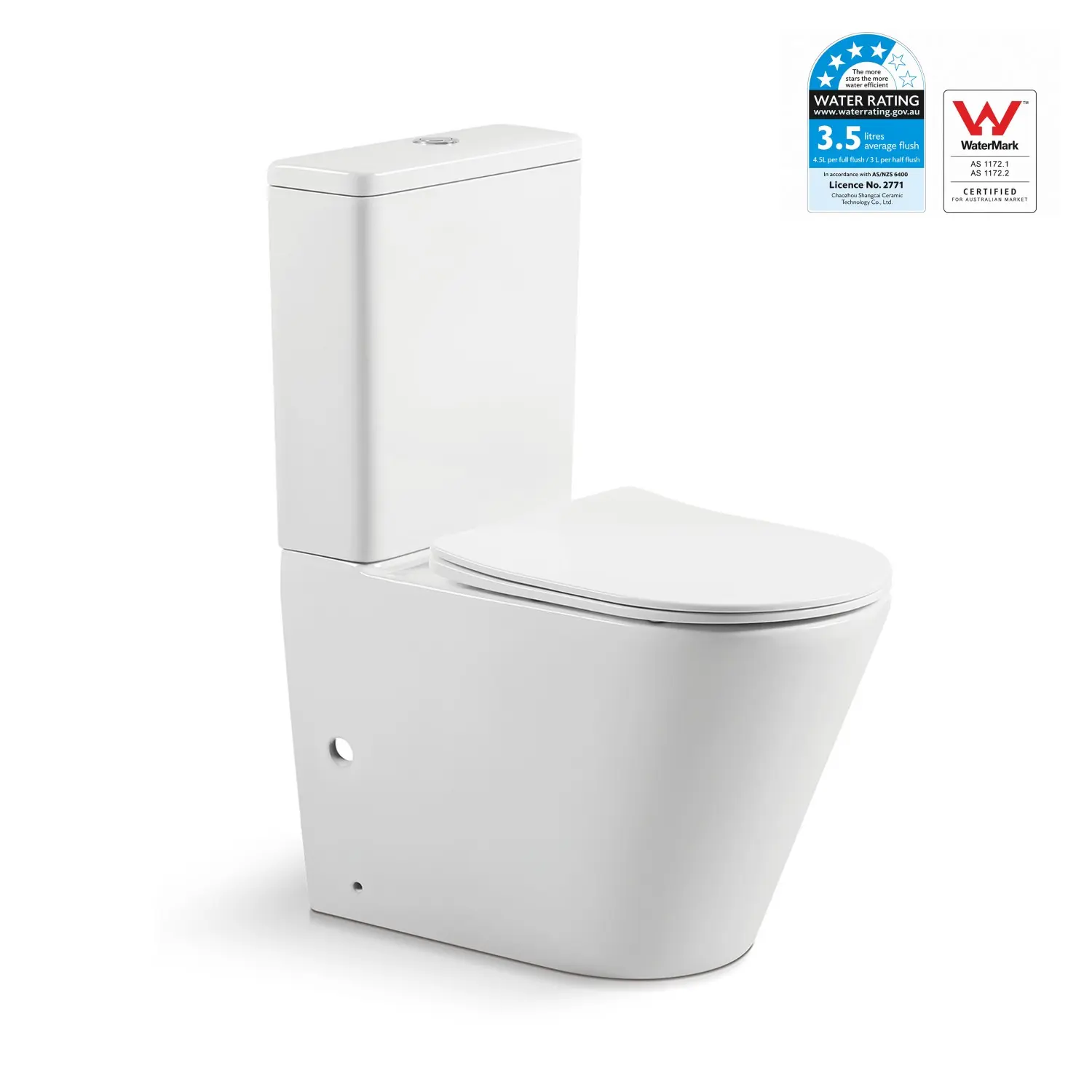
If you have travelled between Europe and the United States, you may have noticed that toilets look and behave differently. One bowl seems to hold more water, another flushes with a quick rush, and a hotel bathroom may have a wall-mounted toilet with no visible tank. These differences raise a simple question: why does such an everyday product vary from one market to another?
The main differences between European vs American toilets involve flushing systems, bowl design, installation, water use and maintenance. In this article, “American” refers to the United States, while “European” describes common designs across several European markets. Neither region uses one universal toilet design, so the comparisons below describe tendencies rather than rules.
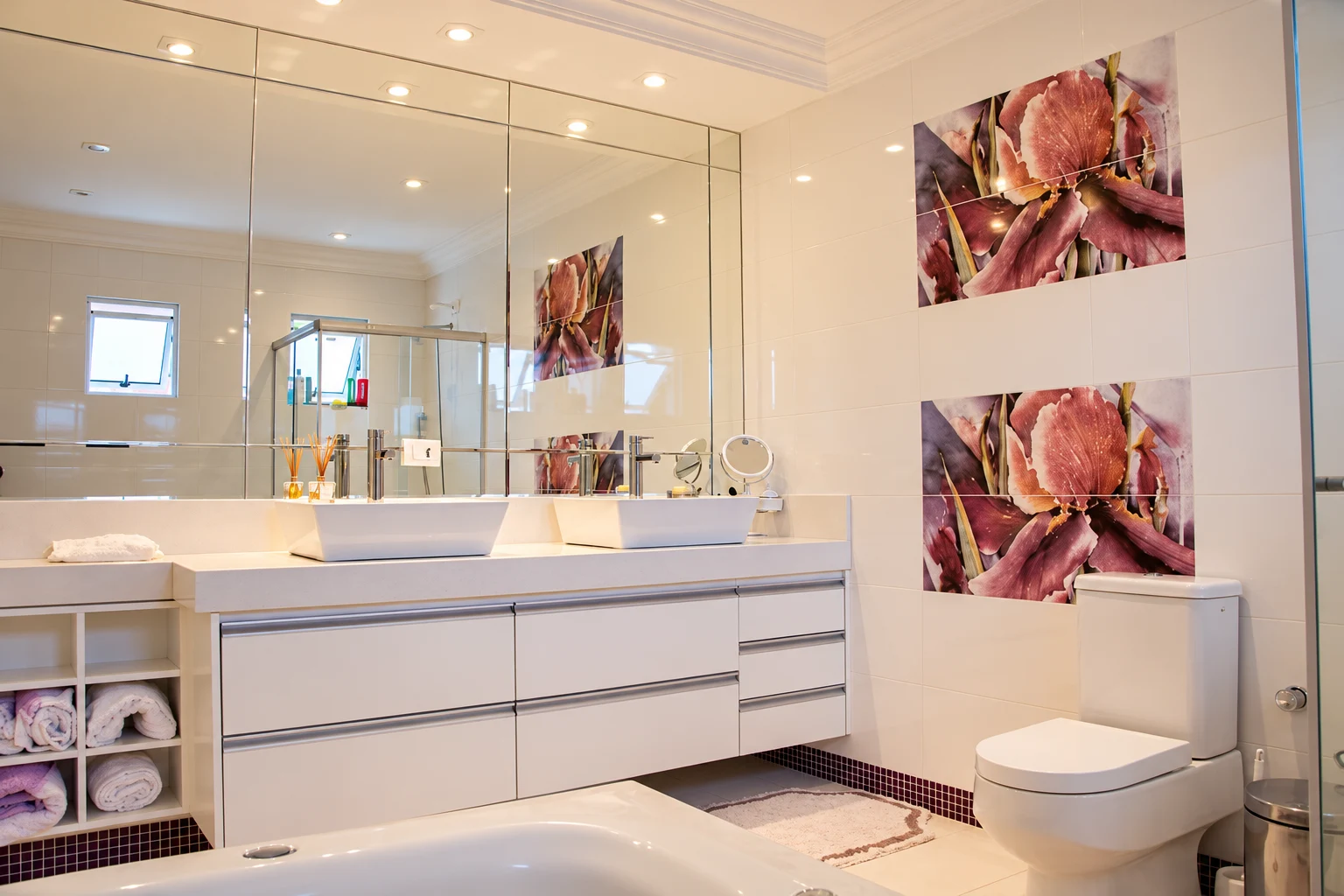
European vs. American Toilets at a Glance
A useful starting point is to separate three characteristics: how a toilet flushes, how it is mounted and where its tank is located. A wall-hung toilet describes an installation method; a siphonic toilet describes a flushing principle. These characteristics can appear in different combinations.
| Сравнение | Common European Designs | Common US Designs |
|---|---|---|
| Flushing principle | Washdown designs are common | Siphonic designs are common |
| Visible bowl water | Often a smaller water surface in washdown bowls | Often a larger water surface in siphonic bowls |
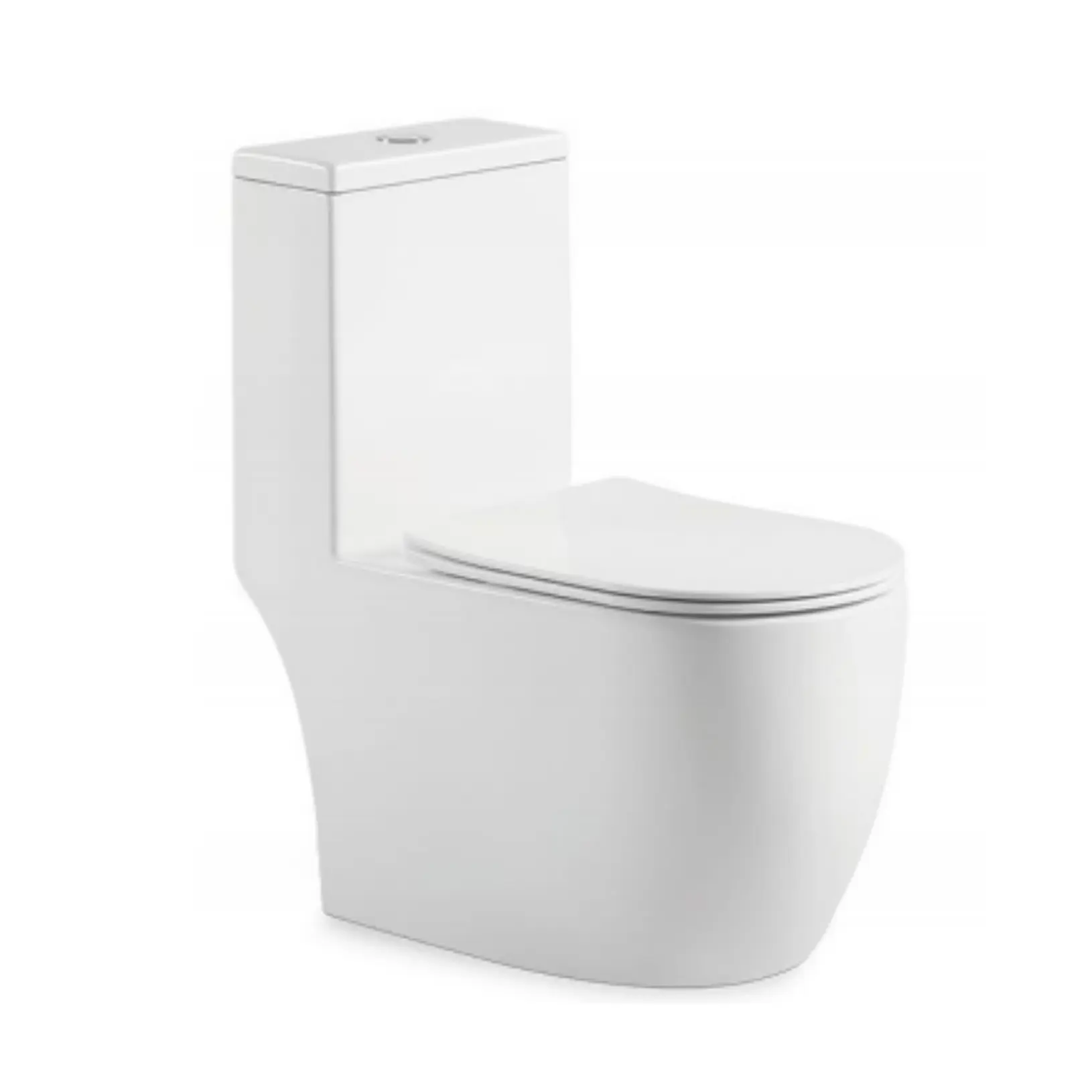
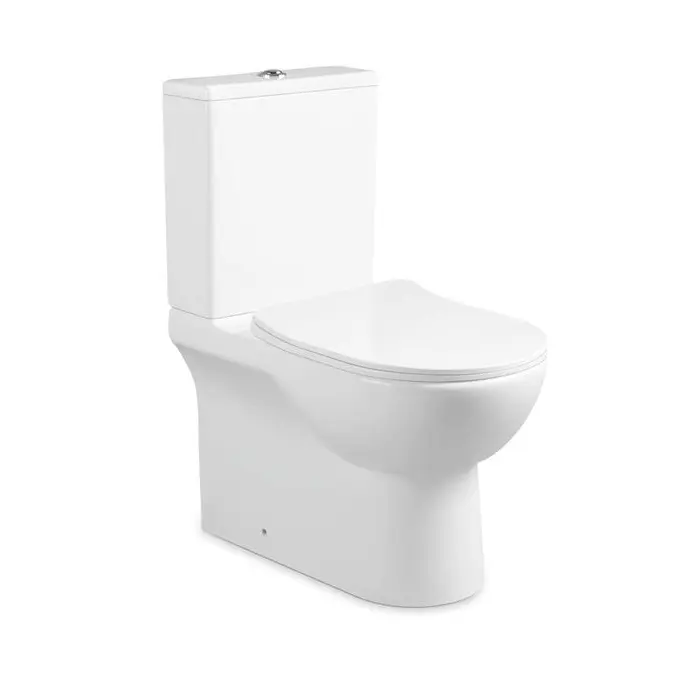
| Product forms | Wall-hung, back-to-wall and close-coupled models | Floor-mounted one-piece and two-piece models |
| Flush controls | Buttons and flush plates are familiar options | Levers and buttons are both available |
| Water-use units | Litres per flush | US gallons per flush |
These categories overlap. European buyers can choose floor-mounted toilets with exposed tanks, while American buyers can purchase wall-hung toilets and concealed cistern systems. A regional label alone does not establish a product’s performance or installation requirements.
Flushing Systems: Siphonic vs. Washdown Toilets
How Siphonic Toilets Work
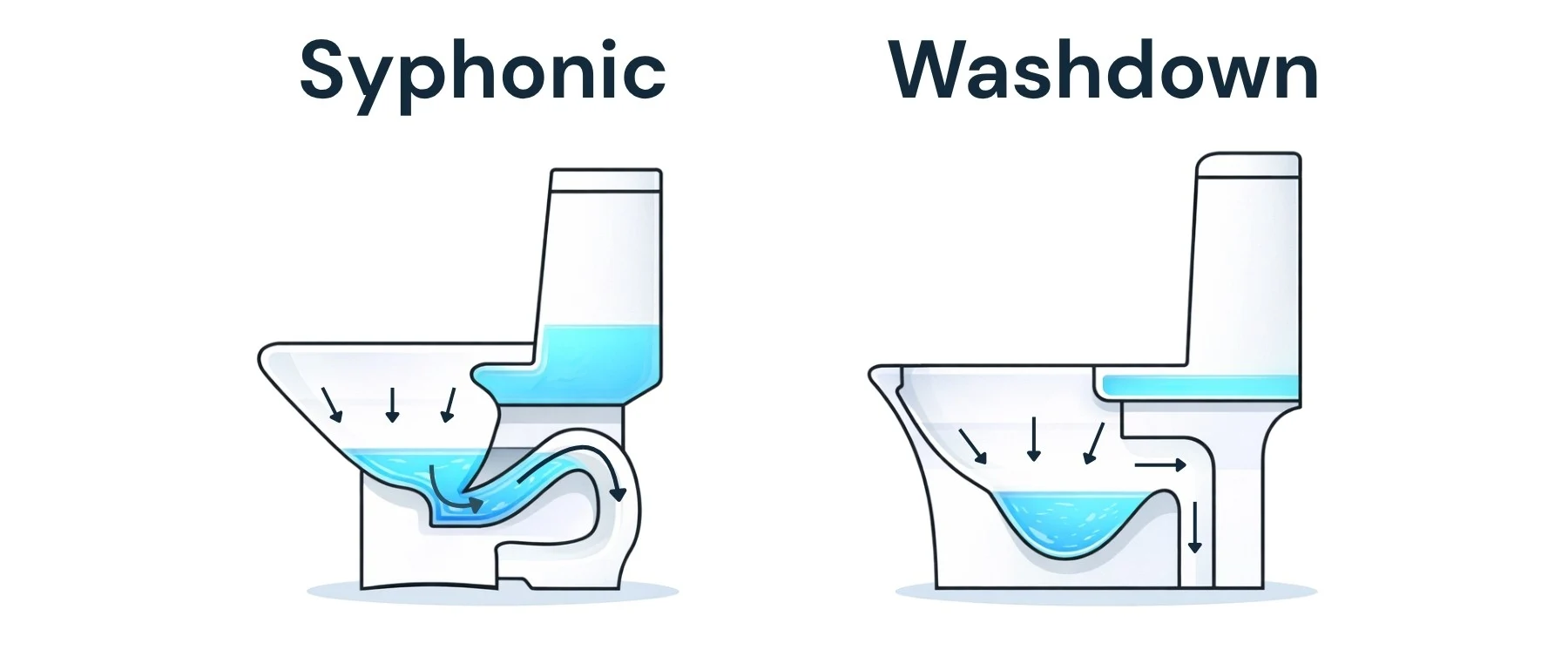
Many American residential toilets use siphonic flushing. During the flush, water enters the bowl and the trapway fills sufficiently to establish a siphon, drawing bowl water and waste through the outlet. Once air enters and breaks the siphon, the bowl refills for the next use.
How Washdown Toilets Work
A смывной туалет, common in European markets, primarily uses the incoming flush water to push bowl contents through the integral trap and into the drainage system. Its flushing action does not depend on establishing the same siphonic cycle. Professional toilet-testing literature distinguishes the systems by this pushing action versus siphonic withdrawal.
Which System Performs Better?
The answer depends on the individual product. When comparing siphonic vs washdown toilets, look at waste removal, bowl rinsing, repeat-flush frequency and performance at the specified flush volume. Neither the regional label nor an impressive-looking swirl proves that a toilet will perform well.
It also helps to distinguish bowl-rinsing patterns from waste-removal principles. Terms such as “tornado” or “swirl” may describe how water travels around the bowl; they do not, by themselves, tell buyers whether the toilet is siphonic or washdown.
Why Do American Toilets Often Have More Water?
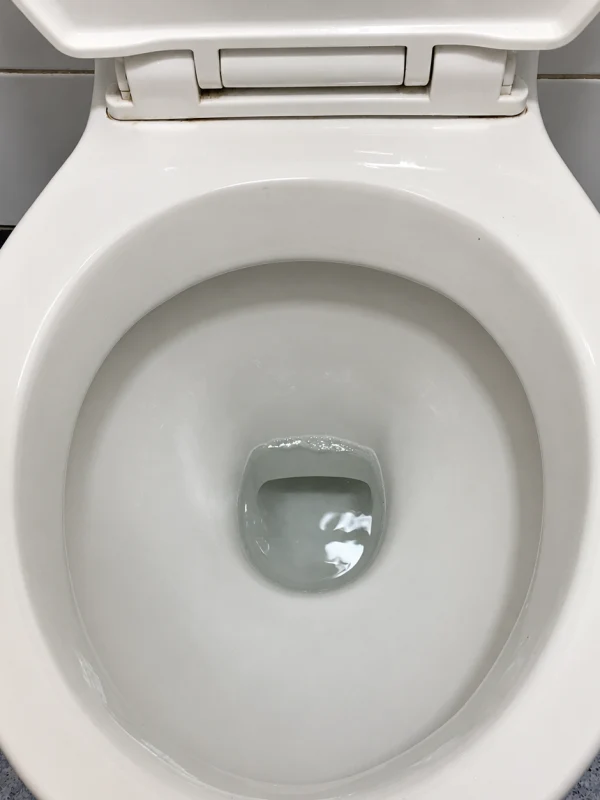
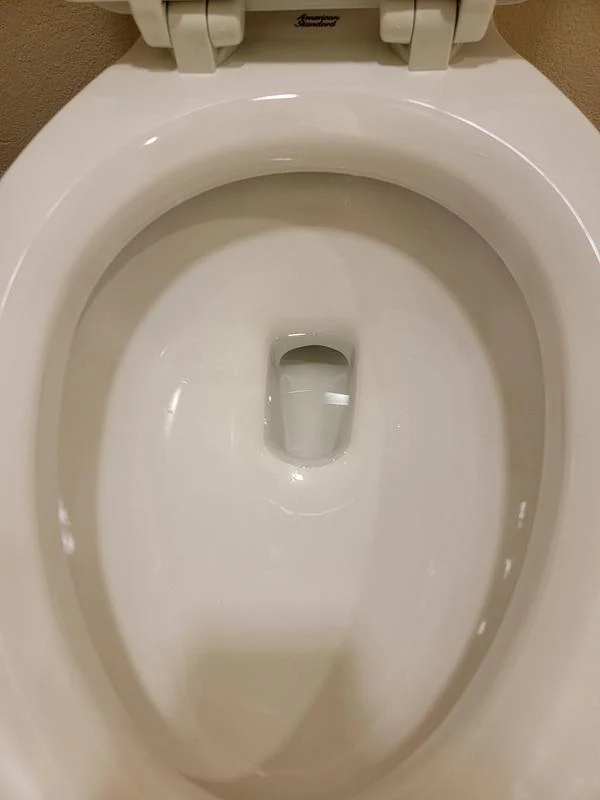
One noticeable difference is the water surface inside the bowl. Many siphonic designs have a relatively large visible water surface, while many washdown designs expose more of the ceramic bowl. This is associated with the bowl and trapway geometry rather than simply how much water is supplied to the tank.
Importantly, standing bowl water and flush consumption are different measurements. The water visible before use is not a direct indication of how much water the toilet consumes during a complete flush. To compare efficiency, check the rated litres or gallons per flush.
The water surface can affect the user’s experience. A larger surface may reduce contact between waste and exposed ceramic, while splash depends on the water position, bowl shape and how the toilet is used. Glaze quality and rinse coverage also influence cleaning, so water level alone cannot establish which bowl stays cleaner.
Toilet Styles: More Than Appearance
Wall-Hung, Back-to-Wall and Close-Coupled Toilets
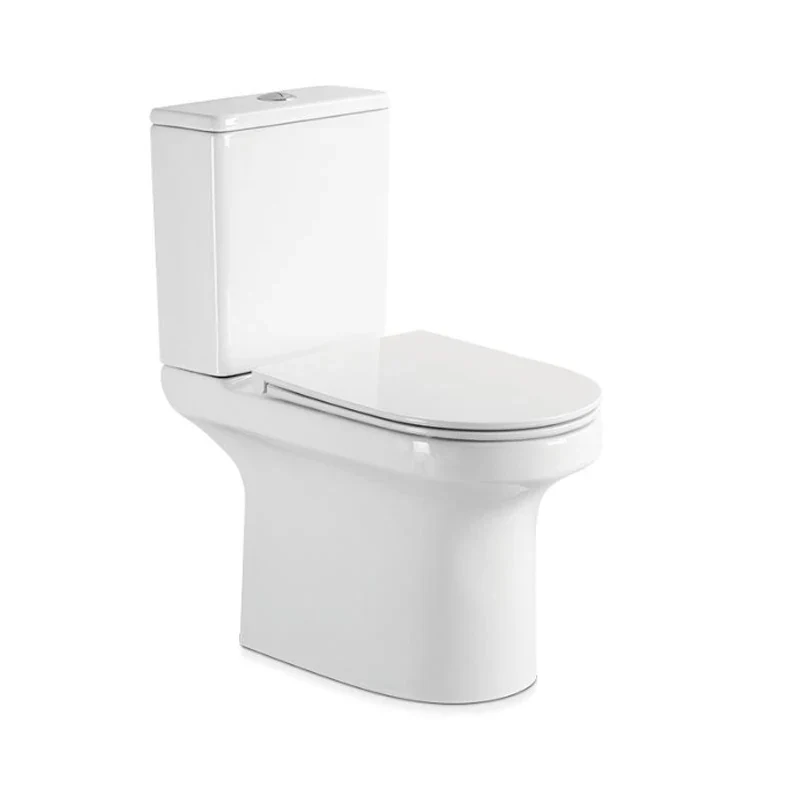
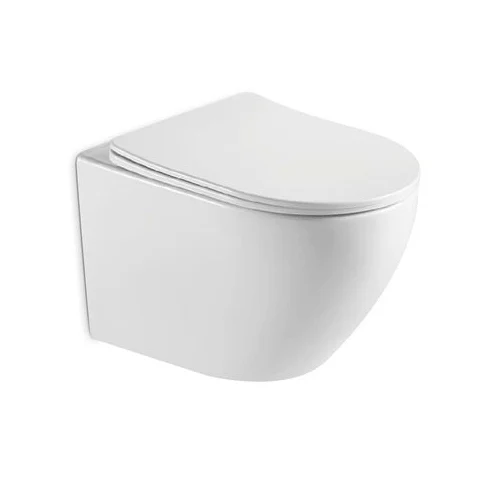
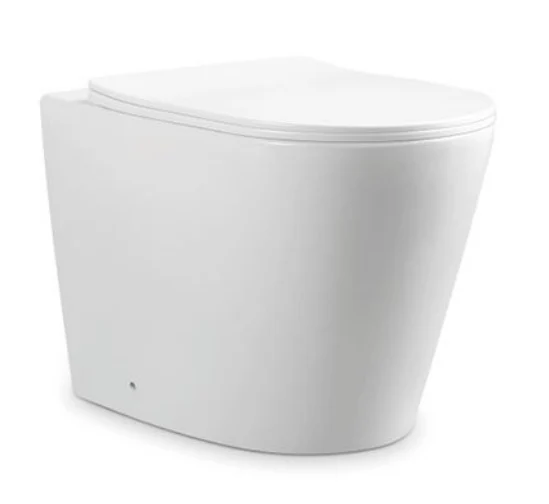
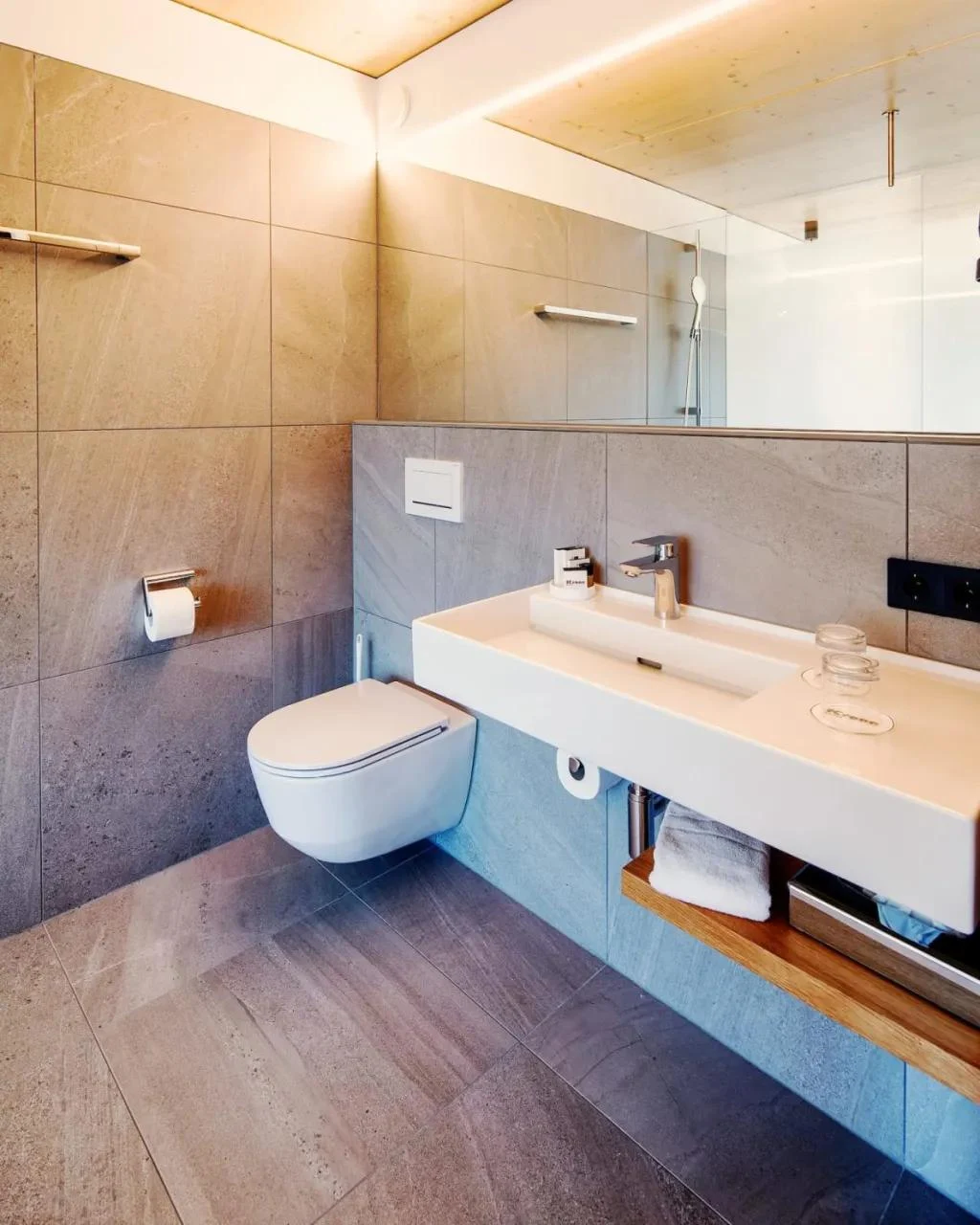
European bathroom collections offer several familiar forms. A wall-hung toilet is fixed above the floor, a back-to-wall toilet sits on the floor with its rear against the wall, and a close-coupled toilet has a separate cistern mounted directly on the bowl. These options suit different bathroom layouts and design preferences.
One Piece, Two Piece Toilets
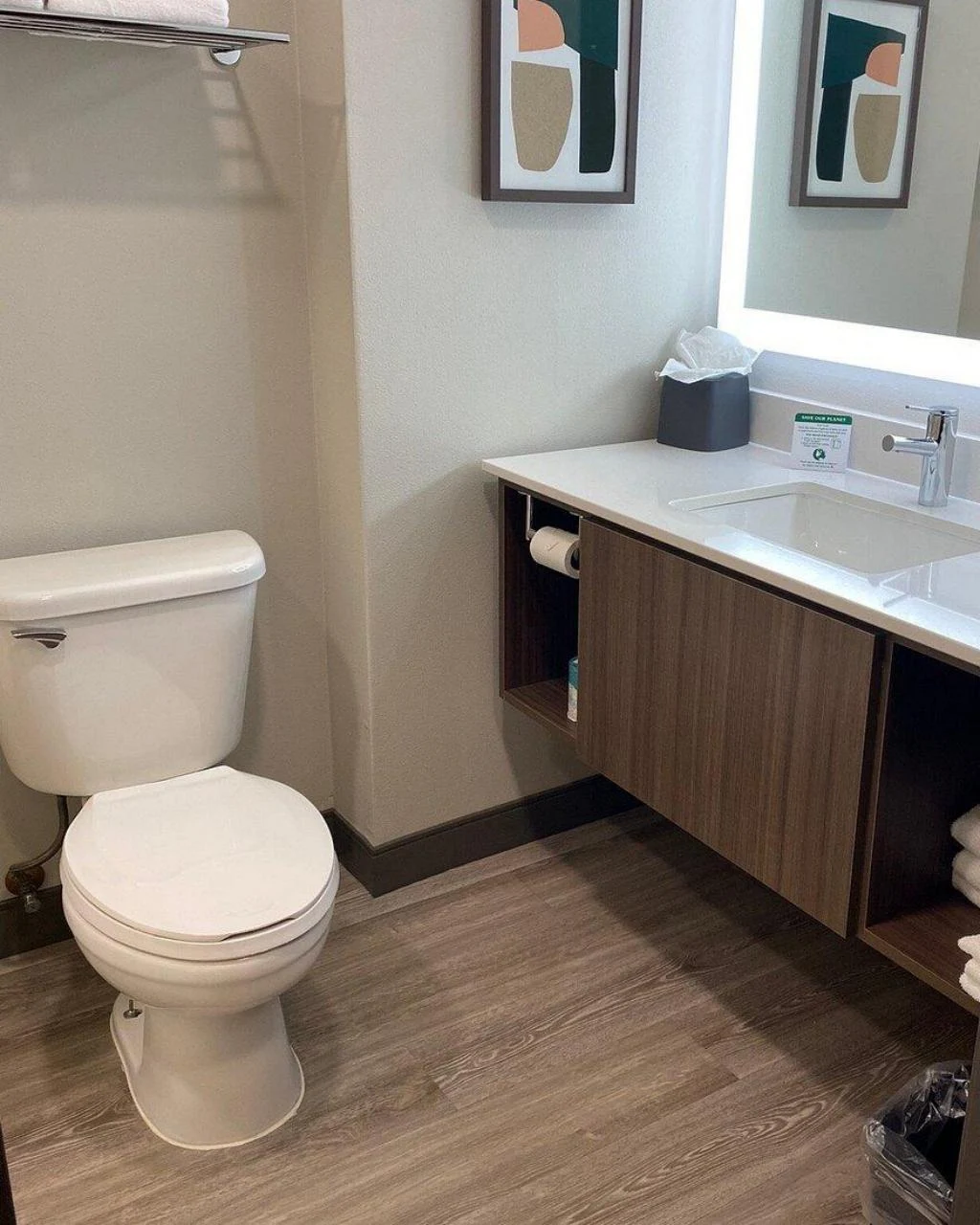
In the United States, floor-mounted one-piece and two-piece toilets are familiar residential options. A one-piece model integrates the ceramic tank and bowl into one body, while a two-piece model uses separate components. Both still require careful checks of dimensions, connections and replacement access.
Can a European Toilet Be Installed in an American Bathroom?
It may be possible, but it is not automatically a direct replacement. The product must suit the existing drainage, water supply, available space and applicable local requirements. Before ordering, compare installation drawings and have a qualified installer assess the proposed arrangement.
Are European Toilets More Water-Efficient?
A dual-flush button is often associated with European toilets, but dual-flush products are also available in the United States. Likewise, a single-flush toilet can be highly efficient. The meaningful comparison is the rated water consumption together with reliable flushing performance.
Modern American toilets should not be judged by older high-consumption models. According to the US EPA, WaterSense-labelled residential toilets use 1.28 US gallons per flush or less and undergo independent certification against performance and efficiency criteria.
Why Have European and American Toilets Developed Differently?
Existing Buildings Shape Replacement Choices
A toilet is part of a larger plumbing system. In an existing bathroom, the drain position, water connection and available space can make some models easier to fit than others. Replacement buyers therefore often choose products that work with the installation already in place.
Bathroom Design Influences Product Form
A concealed cistern creates a different visual result from an exposed tank, while a suspended bowl leaves the floor beneath accessible for cleaning. Other buyers prioritise straightforward replacement or convenient access to tank components. These practical preferences help explain why different product forms continue to coexist.
Local Expectations Influence What Buyers Stock
Distributors and project buyers also consider familiar controls, seat shapes, spare parts and installer experience. A design that looks attractive in a catalogue still needs to fit the expectations of the people who install, use and maintain it.
The question “why are European toilets different?” therefore has several answers. Plumbing compatibility, product development, local requirements and purchasing habits all contribute; there is no single technical reason that explains every difference.
Часто задаваемые вопросы
What Is the Main Difference Between European and American Toilets?
The main differences involve flushing systems, bowl water surface and installation. Washdown designs are common in Europe, while siphonic toilets are common in US homes. Both markets offer multiple product types, so specifications matter more than regional labels.
Are All European Toilets Washdown Toilets?
No. Washdown toilets are common, but Europe includes many countries, product ranges and building types. Check the manufacturer’s technical specifications rather than assuming the flushing principle from the sales market.
Are American Toilets Always Floor-Mounted?
No. Floor-mounted toilets are familiar residential products, but wall-hung models and concealed cistern systems are also available. Installation requirements depend on the selected system.
Does a Larger Bowl Water Surface Mean Higher Water Consumption?
No. Standing bowl water and water consumed per flush are different measurements. Use the rated flush volume to compare consumption.
Are European Toilets More Water-Efficient Than American Toilets?
Not necessarily. Both markets offer water-efficient toilets. Compare the specified water consumption using the same units, and distinguish between full-flush and reduced-flush figures on dual-flush products.
What Is the Difference Between a Close-Coupled Toilet and a Two-Piece Toilet?
The terms often describe a similar arrangement: a separate tank mounted directly on the bowl. “Close-coupled toilet” is familiar in British and European product descriptions, while “two-piece toilet” is widely used in the United States.