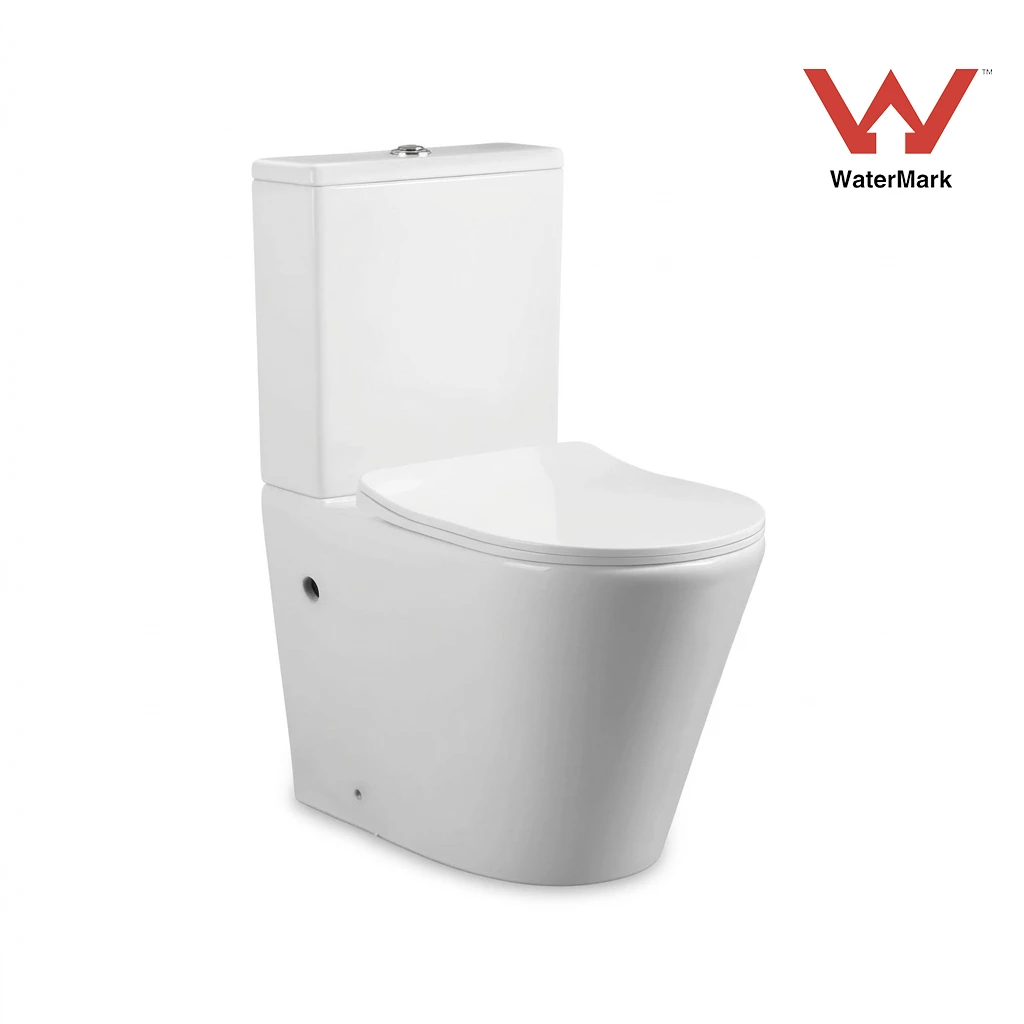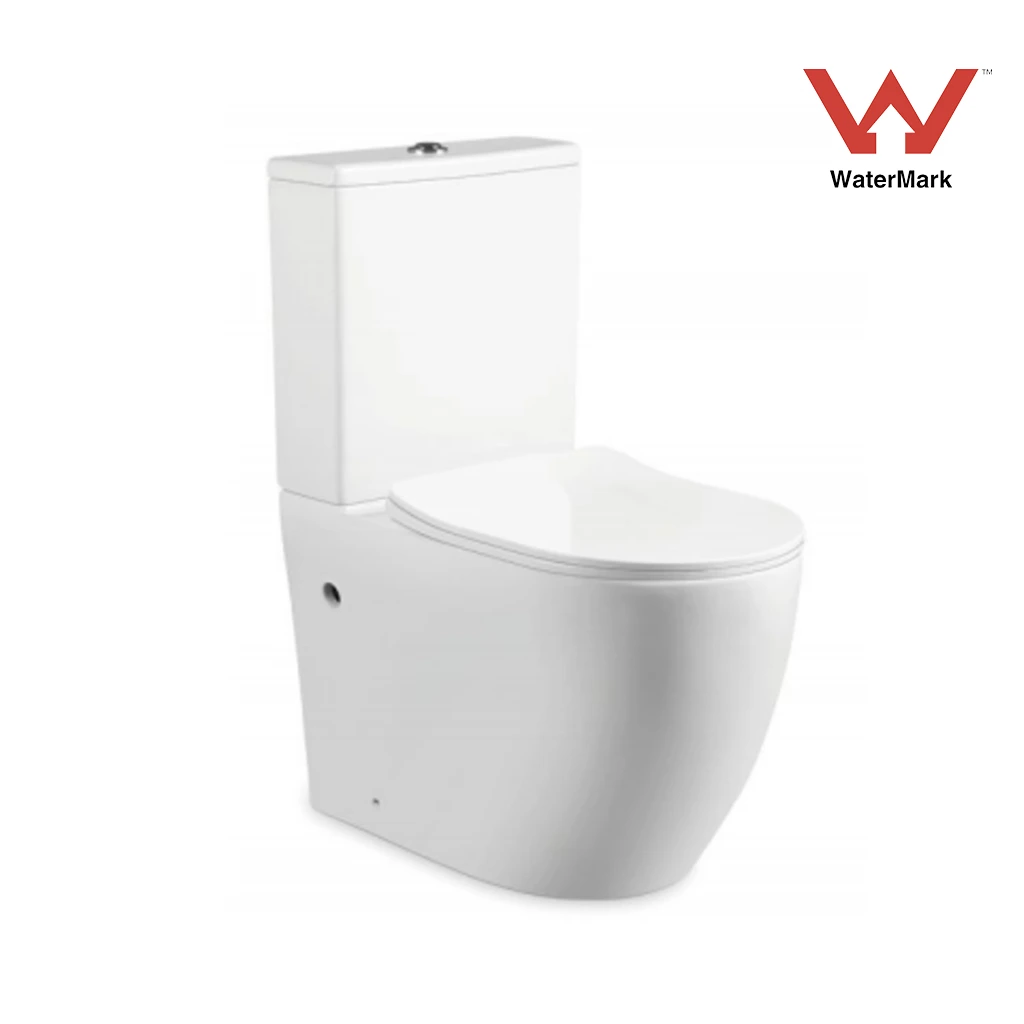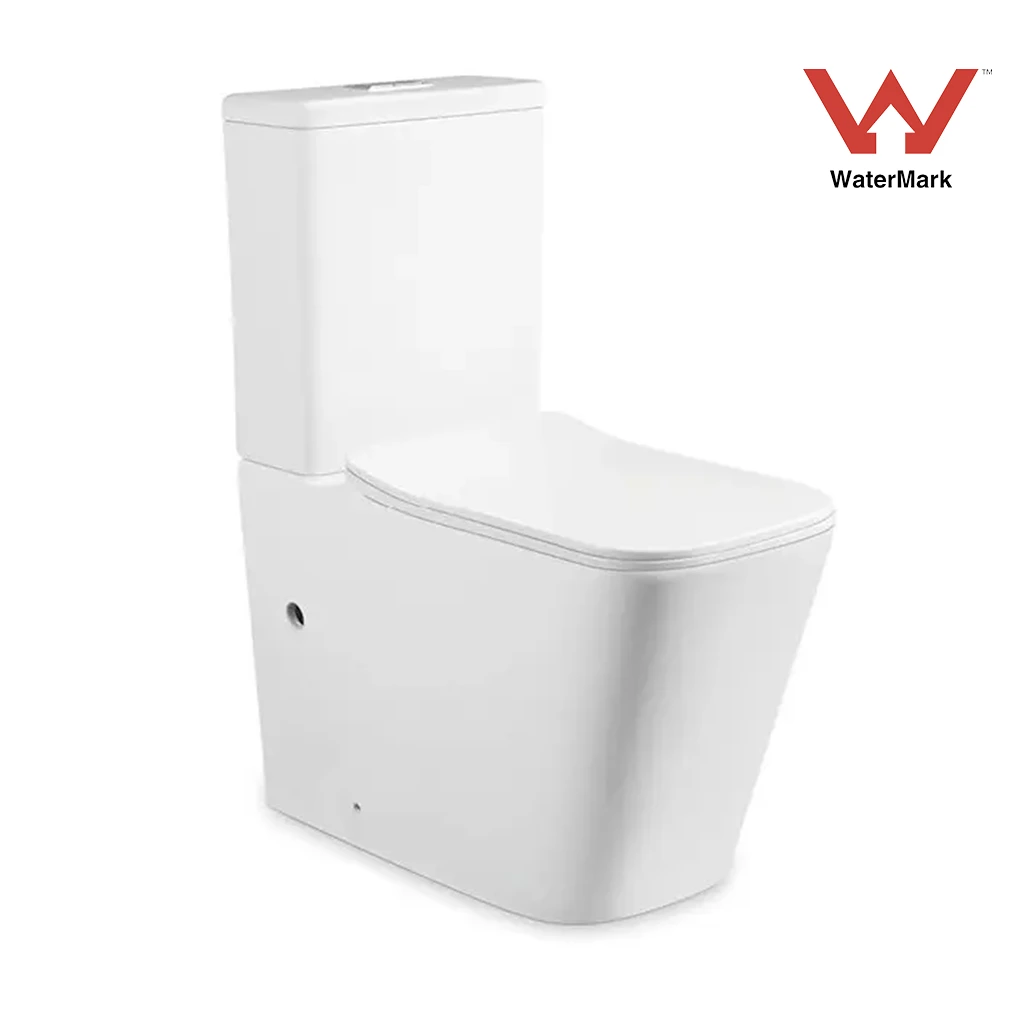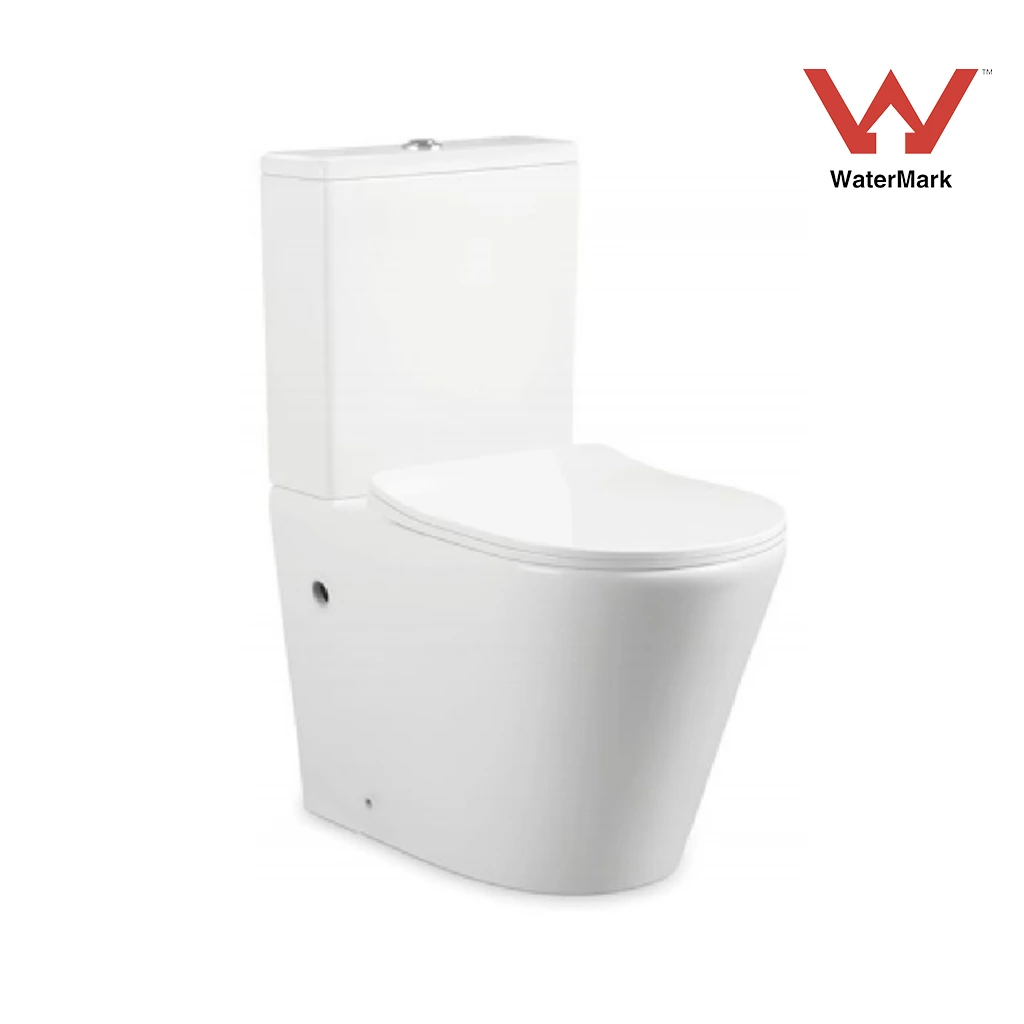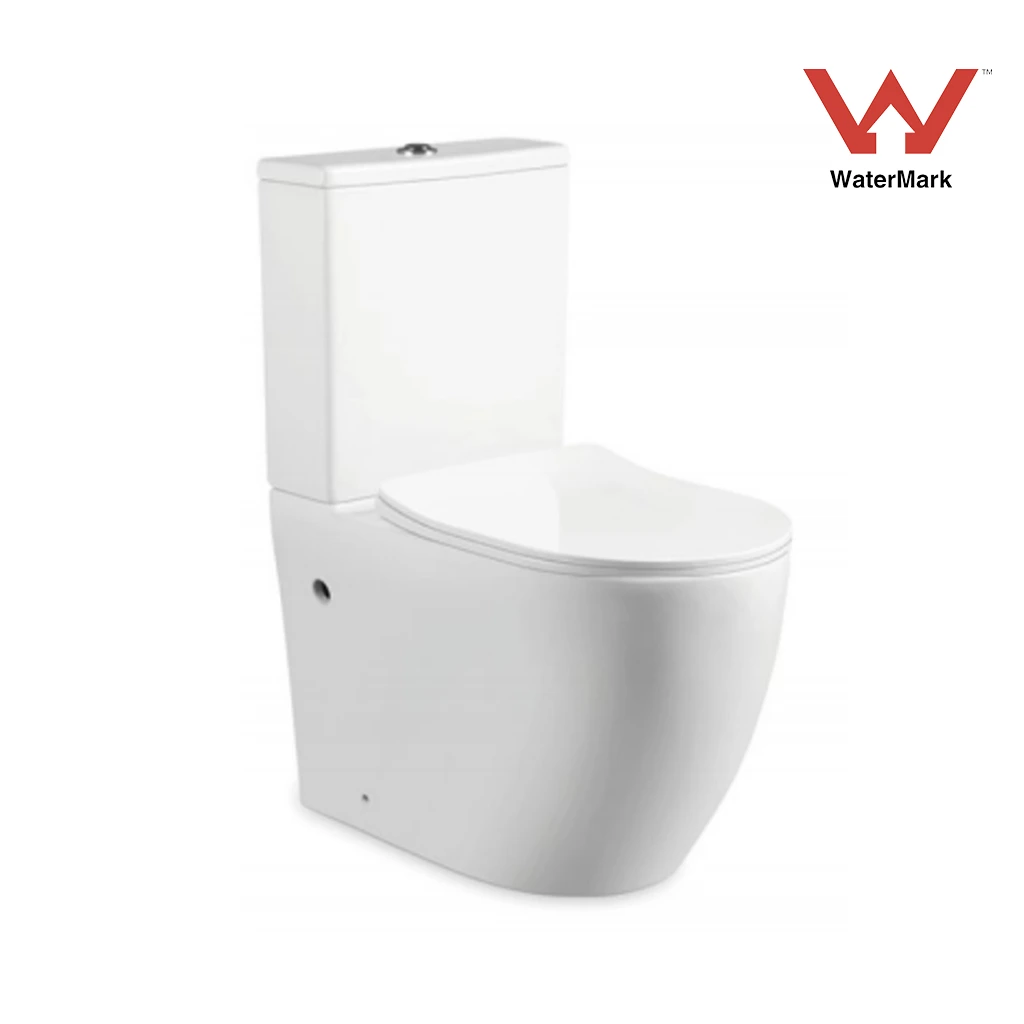






In commercial construction, toilet selection is not a design decision—it is a procurement strategy that affects total project cost, maintenance workload, and long-term operational efficiency.
Among all sanitary ware formats, the toilettes deux pièces remains one of the most widely used solutions in hotels, residential developments, public housing, and large-scale infrastructure projects. The reason is not aesthetic preference, but industrial logic: it performs reliably at scale, is cost-efficient to manufacture and ship, and is easy to maintain across distributed facilities.
This article explains why two-piece toilets continue to dominate commercial procurement decisions and how buyers should evaluate them from a practical sourcing perspective.
Why It Remains Widely Used in Commercial Projects
The continued dominance of two-piece toilets is not accidental. It comes from manufacturing maturity and supply chain stability.
Because the structure has been standardized for decades, production processes are highly optimized. Factories can produce large volumes with predictable quality, and spare parts are universally compatible across markets.
From a buyer perspective, this reduces procurement risk. Projects do not depend on a single supplier or proprietary design system. Even after years of installation, replacement components remain available, which is critical for hospitality and rental housing projects.
In commercial procurement, predictability is often more valuable than innovation.
Key Benefits of Two-Piece Toilets for Commercial Projects
Lower Procurement Cost for Bulk Projects
In large-scale developments, cost is not evaluated per unit—it is multiplied across entire buildings or communities. Even small differences in unit pricing create significant budget variation at scale.
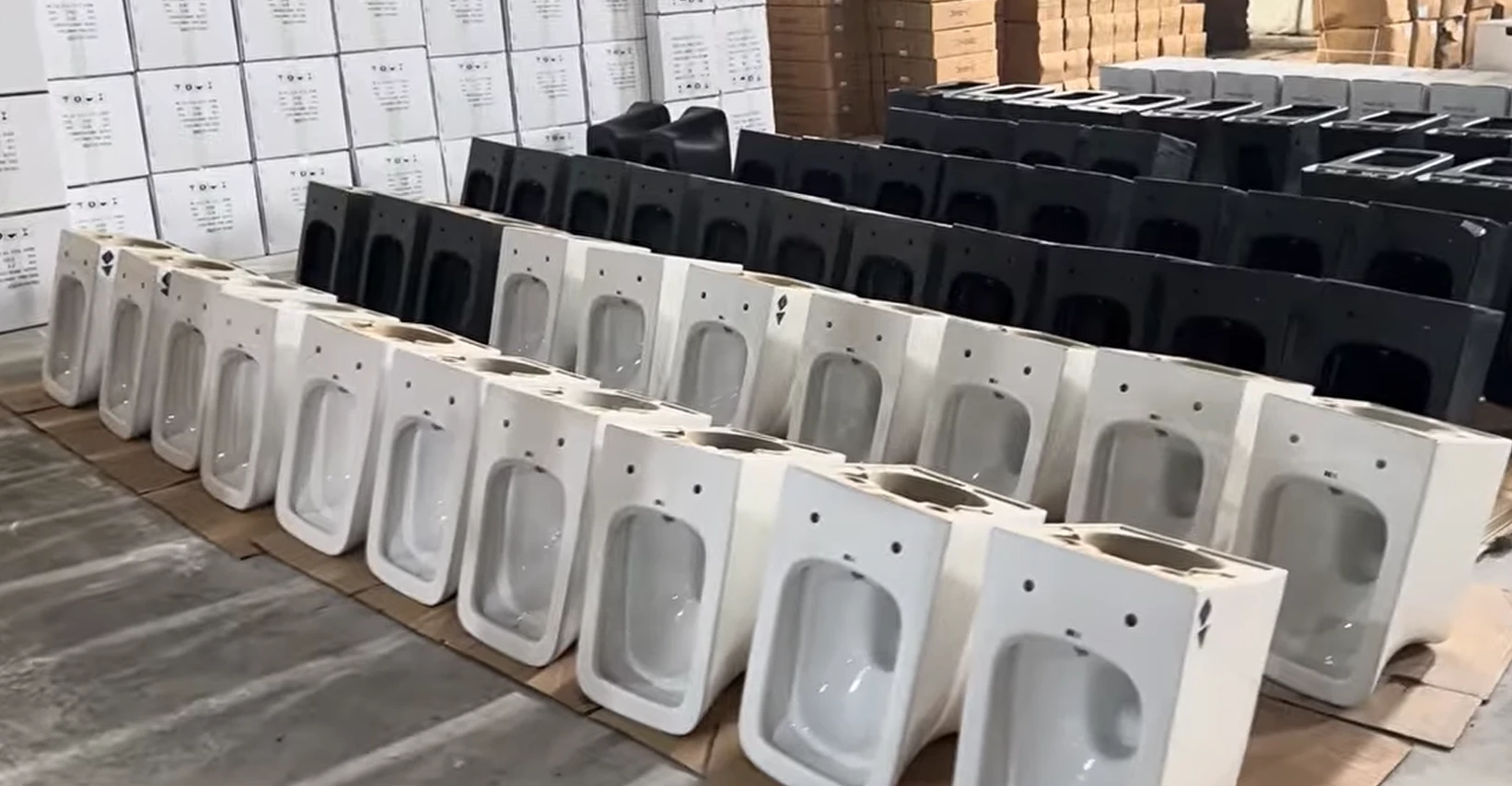
Two-piece toilets achieve lower cost primarily because the manufacturing process is less complex. The tank and bowl are produced separately, allowing factories to optimize ceramic firing cycles and reduce production constraints.
This structure also supports more aggressive pricing during production en série, making it easier for importers and contractors to control project budgets without compromising basic functionality.
Easier Transportation and Logistics
Logistics is one of the most underestimated cost drivers in sanitary ware procurement.
Two-piece toilets offer a practical advantage because they can be packed separately, reducing the risk of breakage during shipping. This is especially important for international trade, where products must withstand long-distance transport, multiple handling stages, and container stacking.
From a logistics perspective, the split structure also improves container utilization. More units can be loaded per shipment compared to pre-assembled products, reducing freight cost per installed unit.
For importers, this directly improves landed cost efficiency.
Simplified Maintenance and Repair
In commercial environments such as hotels or apartment complexes, maintenance speed directly impacts operational continuity.
Two-piece toilets allow maintenance teams to replace only the damaged component—either the tank or the bowl—without removing the entire system. This modularity reduces downtime and avoids unnecessary full-unit replacements.
Because the design is standardized globally, spare parts are widely available, even across different suppliers. This is a critical advantage for facilities operating in multiple regions or managing decentralized maintenance teams.
In practical terms, this reduces service cost per unit over the lifecycle of the project.
Flexible Installation for Large Projects
Large construction projects require installation systems that are predictable and easy to scale.
Two-piece toilets are compatible with standard plumbing configurations in most markets. Contractors do not need specialized fittings or complex wall systems, which reduces installation errors and training requirements.
This simplifies project execution, especially in fast-moving developments where multiple teams are working simultaneously across different buildings.
The result is faster installation cycles and reduced labor variability.
High Production Stability from Manufacturers
From a manufacturing perspective, two-piece toilets are among the most stable product categories.
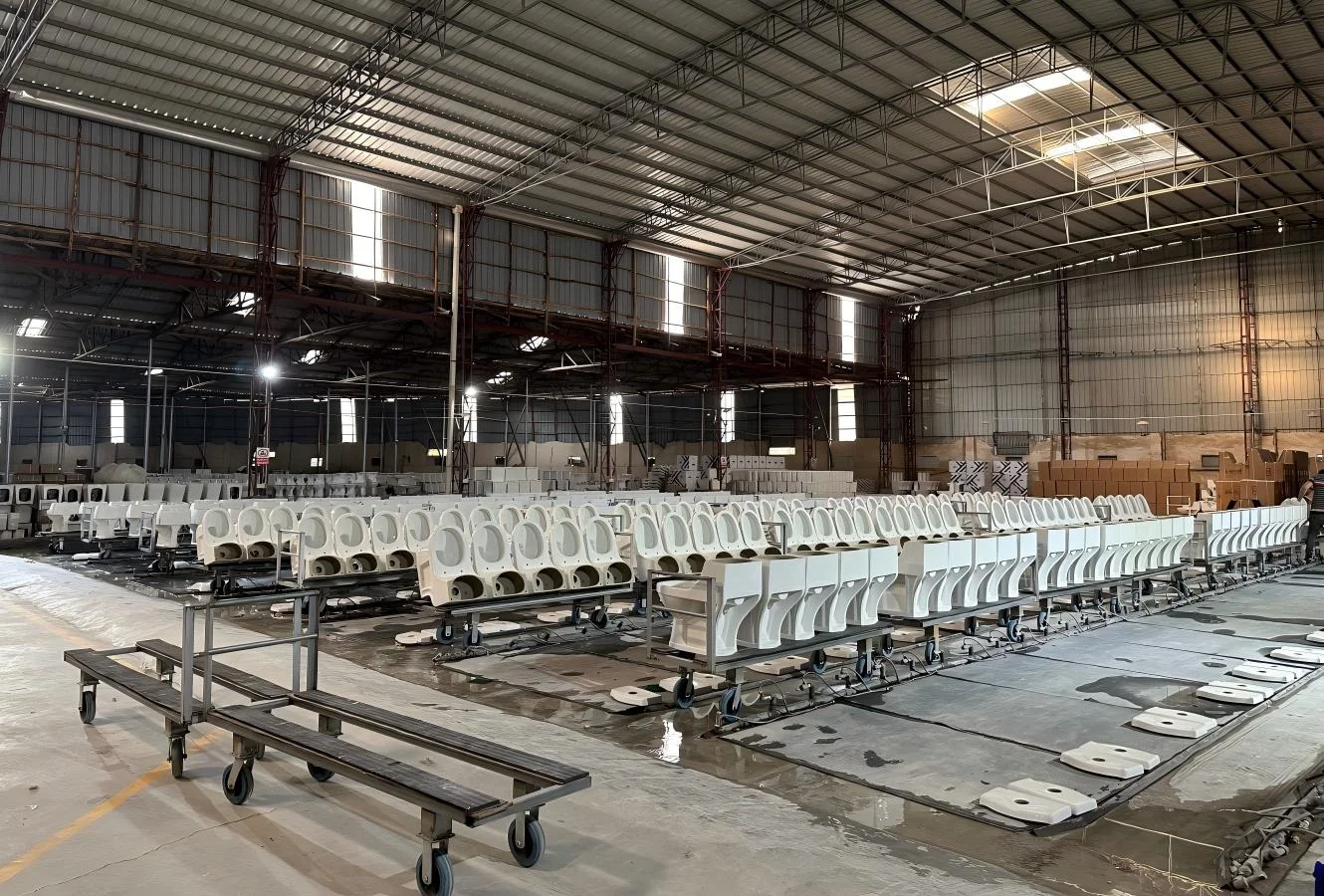
The molds are mature, production parameters are well-established, and defect rates are relatively low compared to more complex designs. This consistency is critical for large procurement contracts where uniformity across thousands of units is required.
For buyers, this means fewer quality fluctuations between batches, which reduces inspection risk and post-installation complaints.
Wide Range Design and Flush System Compatibility
Despite being a traditional structure, two-piece toilets are compatible with modern flushing systems, including:
- dual flush systems
- toilettes à faible consommation d'eau
- high-efficiency flushing designs
This allows commercial buyers to meet environmental regulations without changing the base structure of their procurement plan.
It also enables product standardization across different project tiers.
Comparison: Two-Piece Toilets vs One-Piece Toilets in Commercial Projects
| Facteur | Toilettes en deux parties | Toilette monobloc |
|---|---|---|
| Cost structure | Lower production and procurement cost | Higher unit cost due to integrated molding |
| Maintenance logic | Component-level replacement possible | Lower leak risk but full-unit replacement often needed |
| Logistics | Easier packing and lower breakage risk | Heavier and more fragile in transit |
| Commercial use case | High-volume, cost-sensitive projects | Premium hospitality and high-end spaces |
The fundamental difference is not performance—it is procurement strategy. Two-piece toilets optimize for scale and cost control, while one-piece toilets optimize for design consistency and premium positioning.
Ideal Commercial Applications for Two-Piece Toilets
Projets dans le secteur de l'hôtellerie et de l'accueil
Hotels require frequent maintenance cycles and rapid room turnover. Two-piece toilets allow maintenance teams to repair or replace components quickly without disrupting room availability.
Apartment Complexes
Residential developments prioritize cost control across large unit volumes. Two-piece toilets provide predictable pricing and stable supply for mass installation.
Public Housing and Government Projects
These projects operate under strict budget constraints and standardized specifications. The cost advantage of two-piece systems makes them a practical default choice.
Commercial Real Estate Developments
Large developments require supply stability over extended procurement cycles. The mature supply chain of two-piece toilets ensures consistent availability across project phases.
What Commercial Buyers Should Consider Before Purchasing
Quality Control Standards
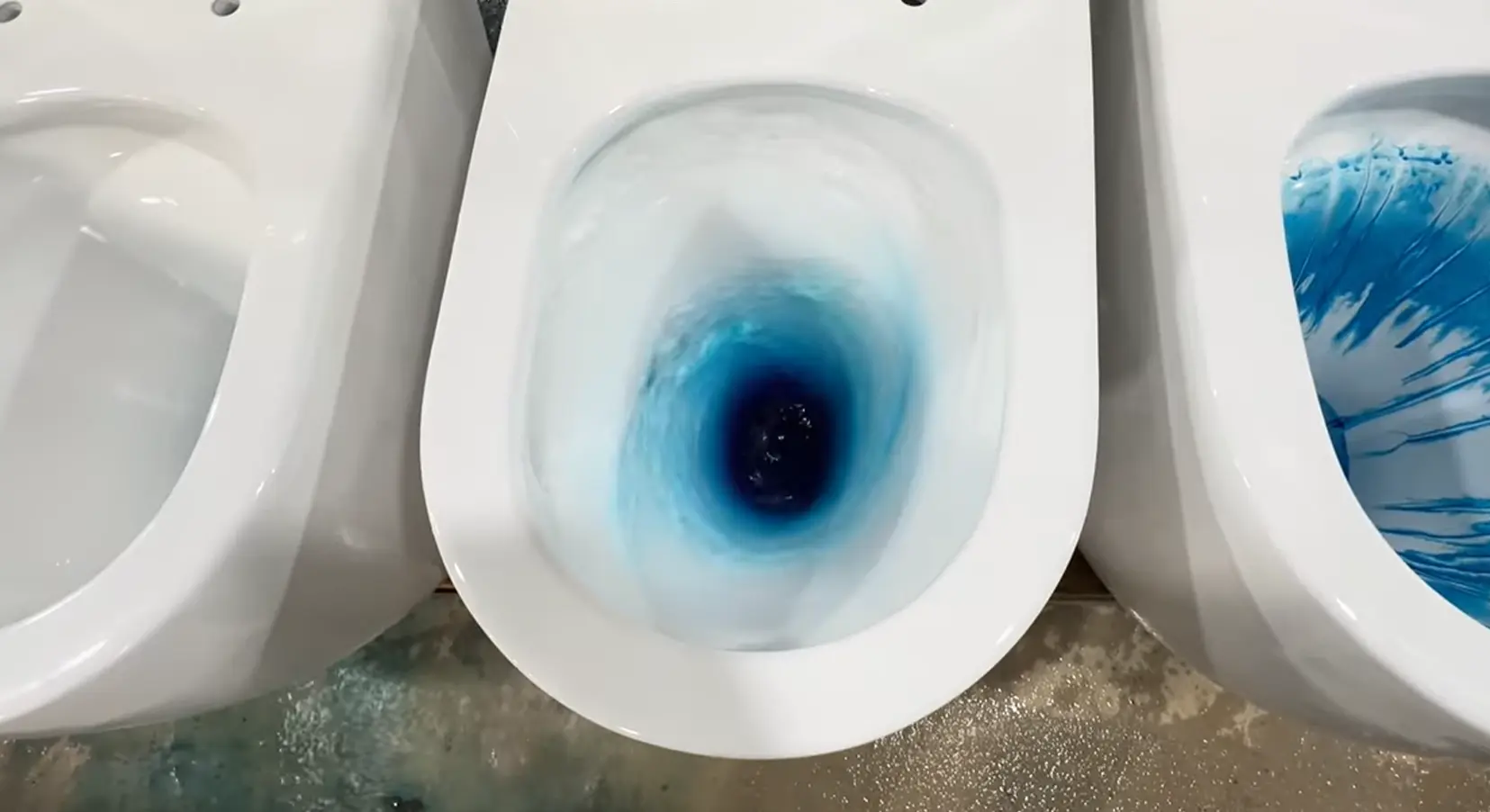
Commercial buyers should evaluate not just appearance, but measurable performance indicators such as ceramic density, water absorption rate, and flushing efficiency. These determine long-term durability and failure rates.
Certification Requirements
Different markets require compliance with standards such as CE, cUPC, WaterMark, and ISO systems. Certification ensures both regulatory approval and import clearance efficiency.
Production Capacity
For large projects, supplier capacity directly affects delivery reliability. Buyers must confirm whether factories can maintain consistent output across multiple production cycles.
OEM/ODM Capabilities
Customization is increasingly important for distributors and brand owners. A capable custom toilet supplier can provide private labeling, packaging customization, and product adjustments for different market segments.
How South Villa Can Help With Your Two-Piece Toilet Procurement
En tant que professionnel ceramic toilet manufacturer, we provide stable production capacity, consistent quality control systems, and long-term supply reliability. This is especially important in commercial procurement where repeat orders and phased deliveries are common.
Our manufacturing advantages typically include:
- Stable mass production systems
- Strict multi-stage quality inspection
- Export packaging optimized for logistics
- OEM/ODM flexibility for different markets
For wholesalers and project contractors, working with a fournisseur de toilettes en gros reduces risk and improves long-term procurement stability.
Conclusion
Two-piece toilets remain one of the most rational choices in commercial sanitary ware procurement.
Their value is not based on aesthetics, but on operational logic: lower procurement cost, simplified logistics, stable maintenance cycles, and predictable manufacturing performance.
For hotels, apartments, public housing, and large-scale developments, they offer a balanced solution between cost control and functional reliability.
For long-term procurement stability, working with an experienced ceramic toilet manufacturer, custom toilet supplier, or fournisseur de toilettes en gros ensures consistent quality, scalable production capacity, and dependable global supply chain performance.
Foire aux questions
Why are two-piece toilets more cost-effective?
Because they use a modular structure that reduces manufacturing complexity and allows more efficient mass production.
Can they handle high-traffic commercial environments?
Yes. They are designed for large-scale residential and hospitality use.
What is their typical service life?
With proper installation and maintenance, they can perform reliably for 10 or 15 years in commercial environments.
How to choose a reliable supplier?
Evaluate production capacity, quality control systems, certifications, and export experience rather than price alone.