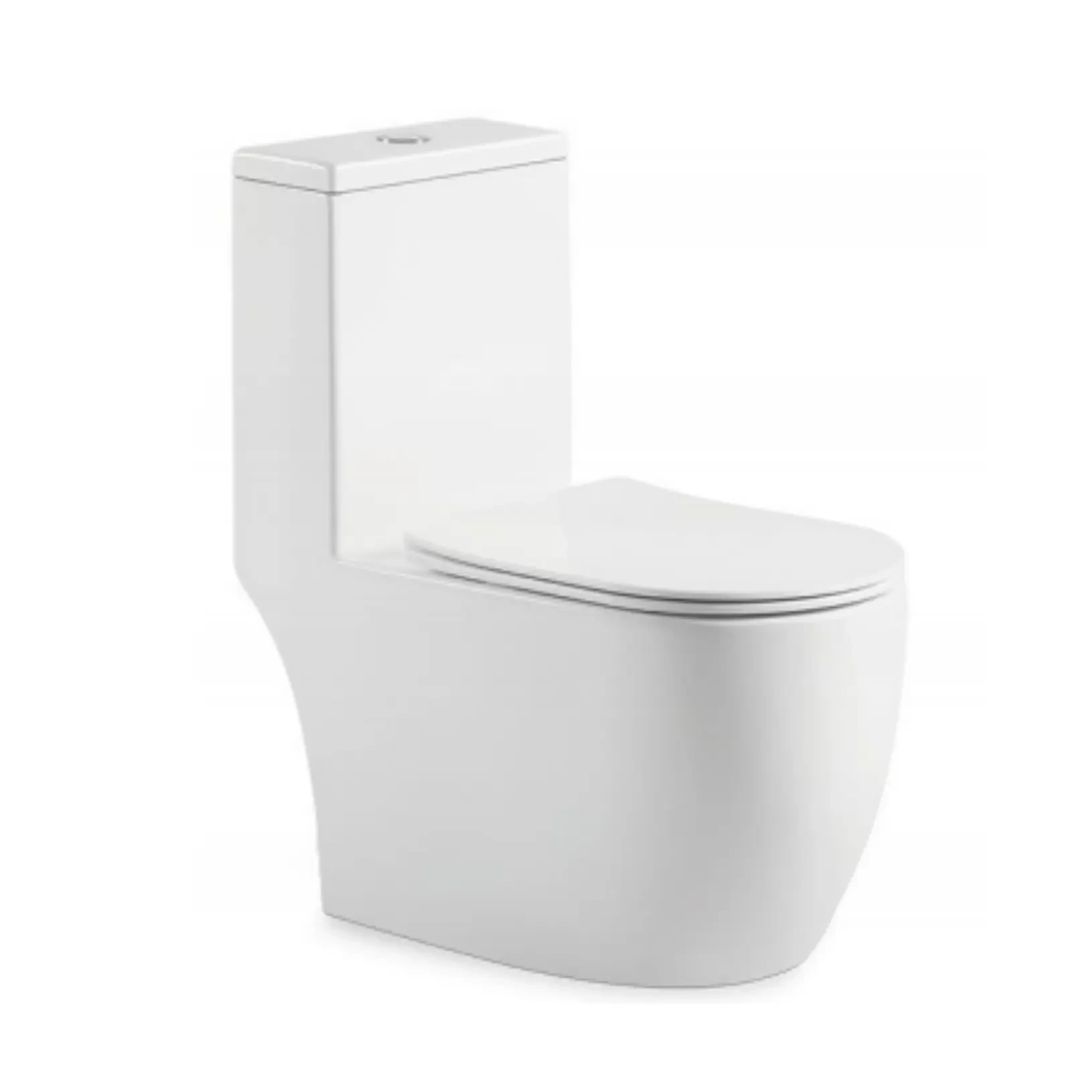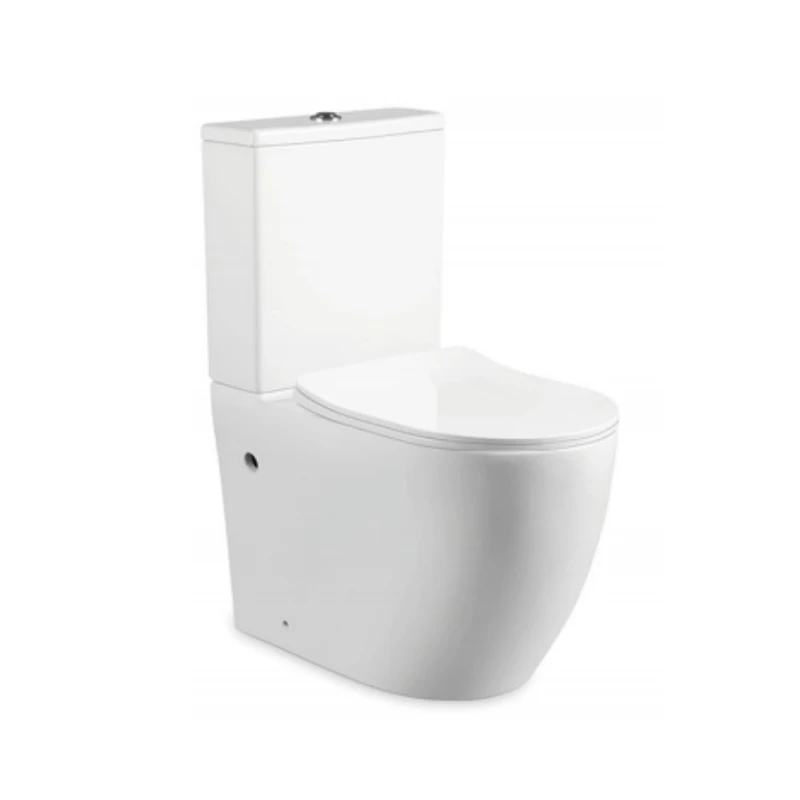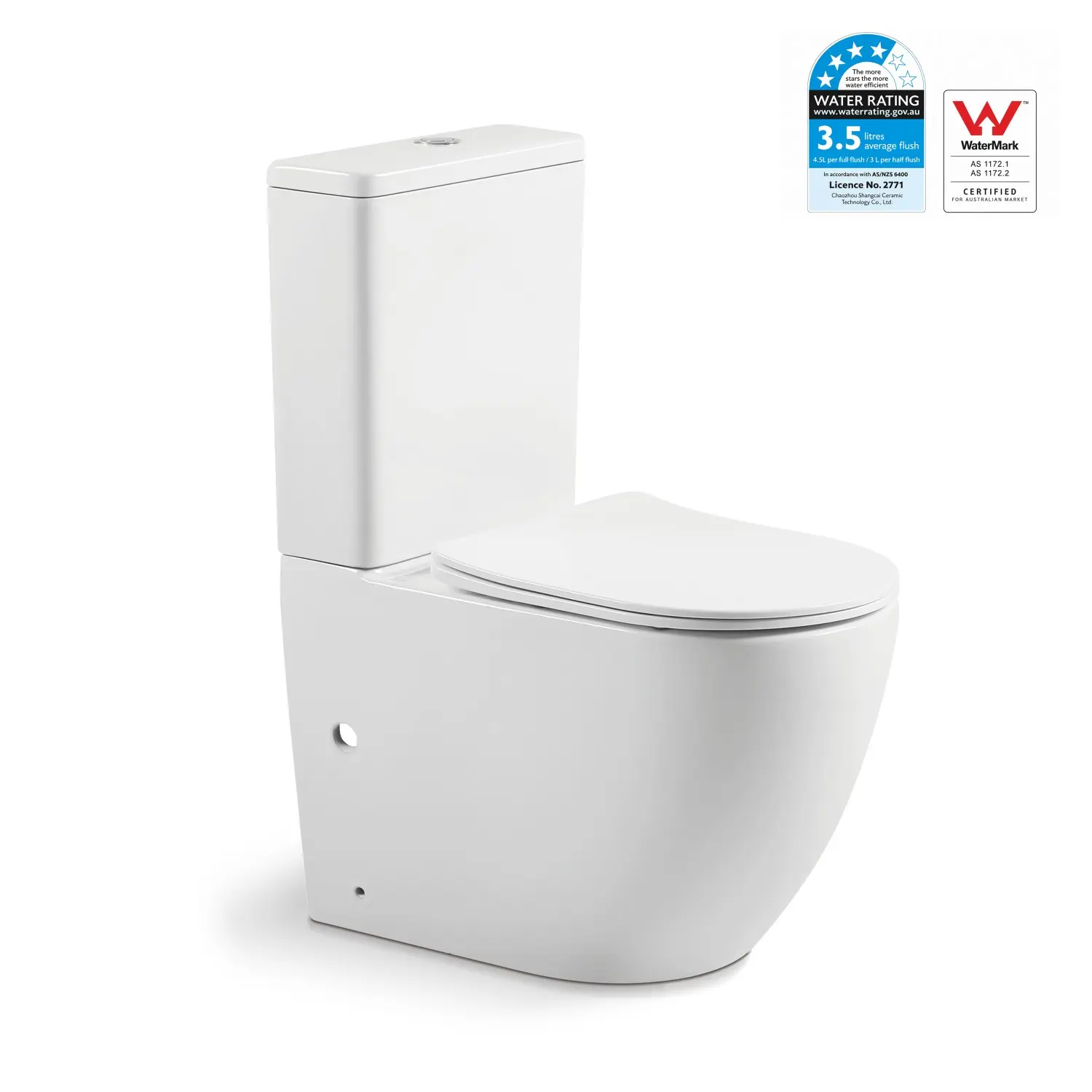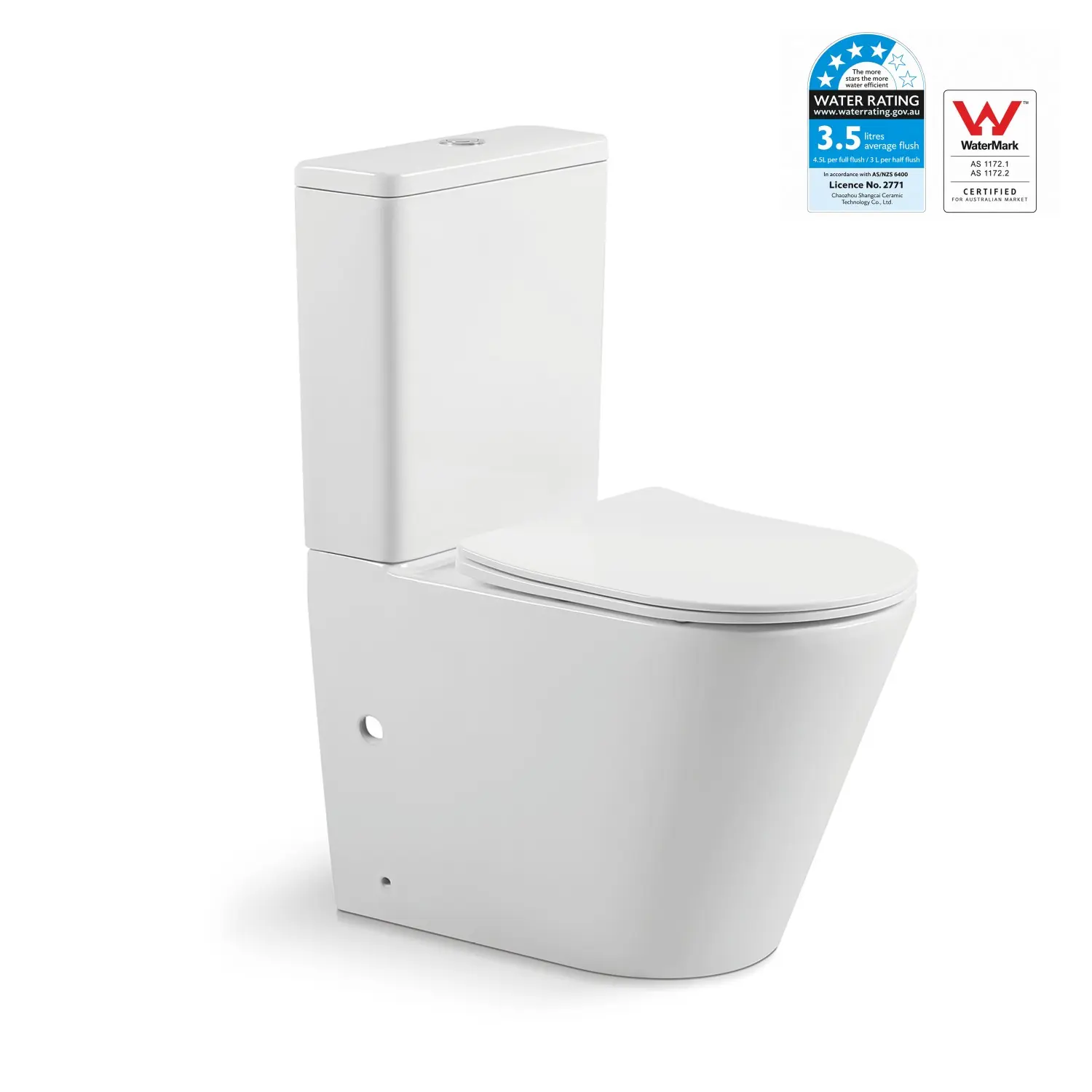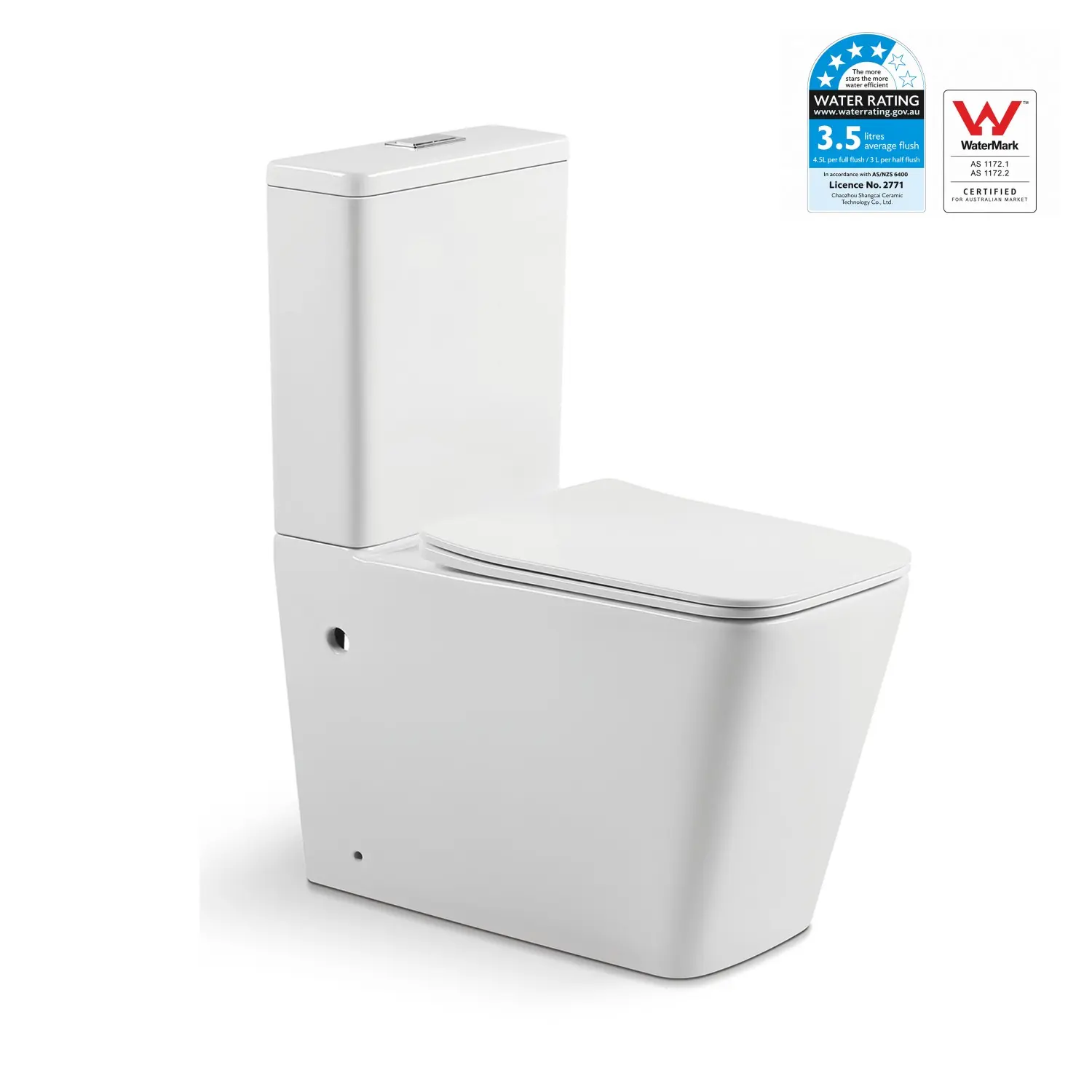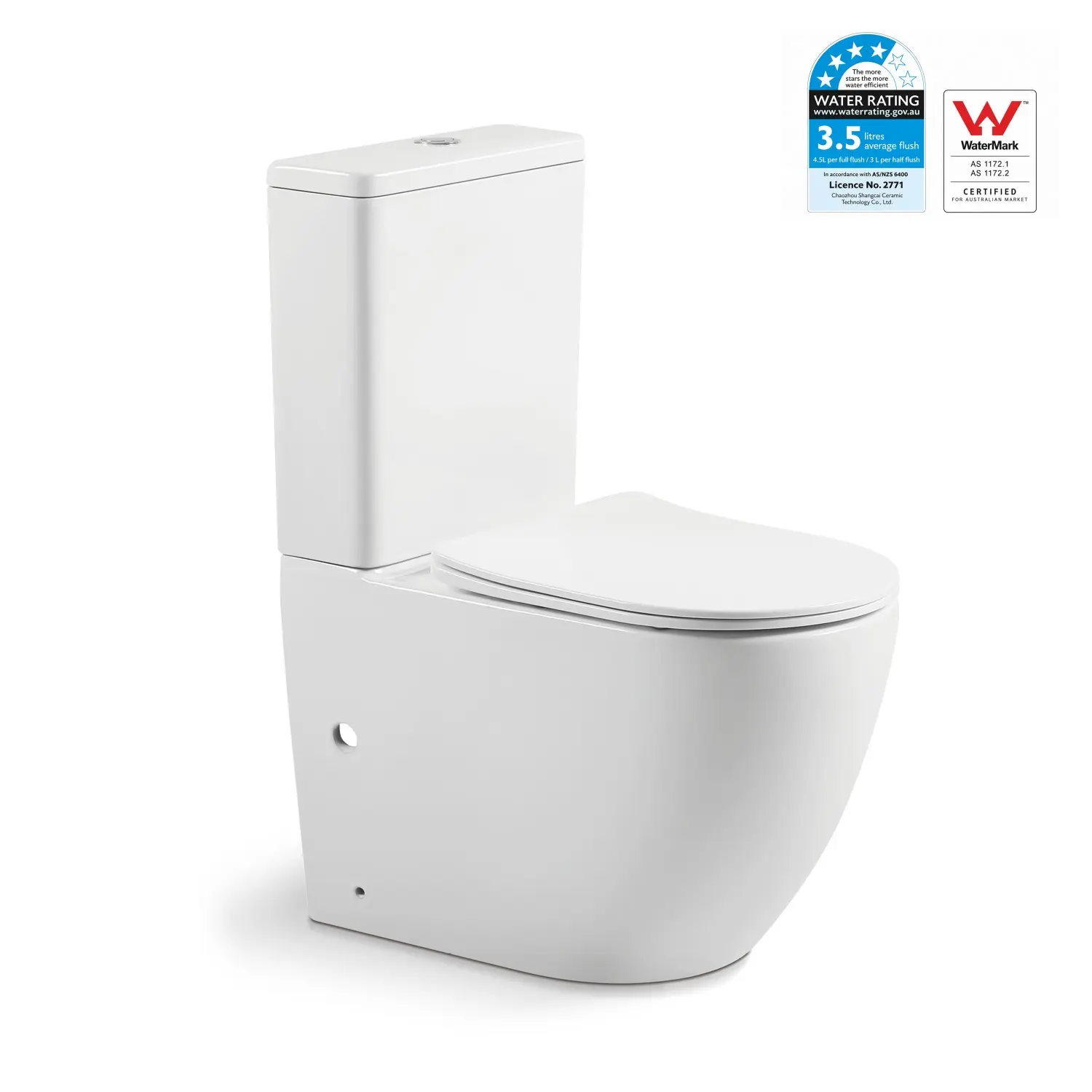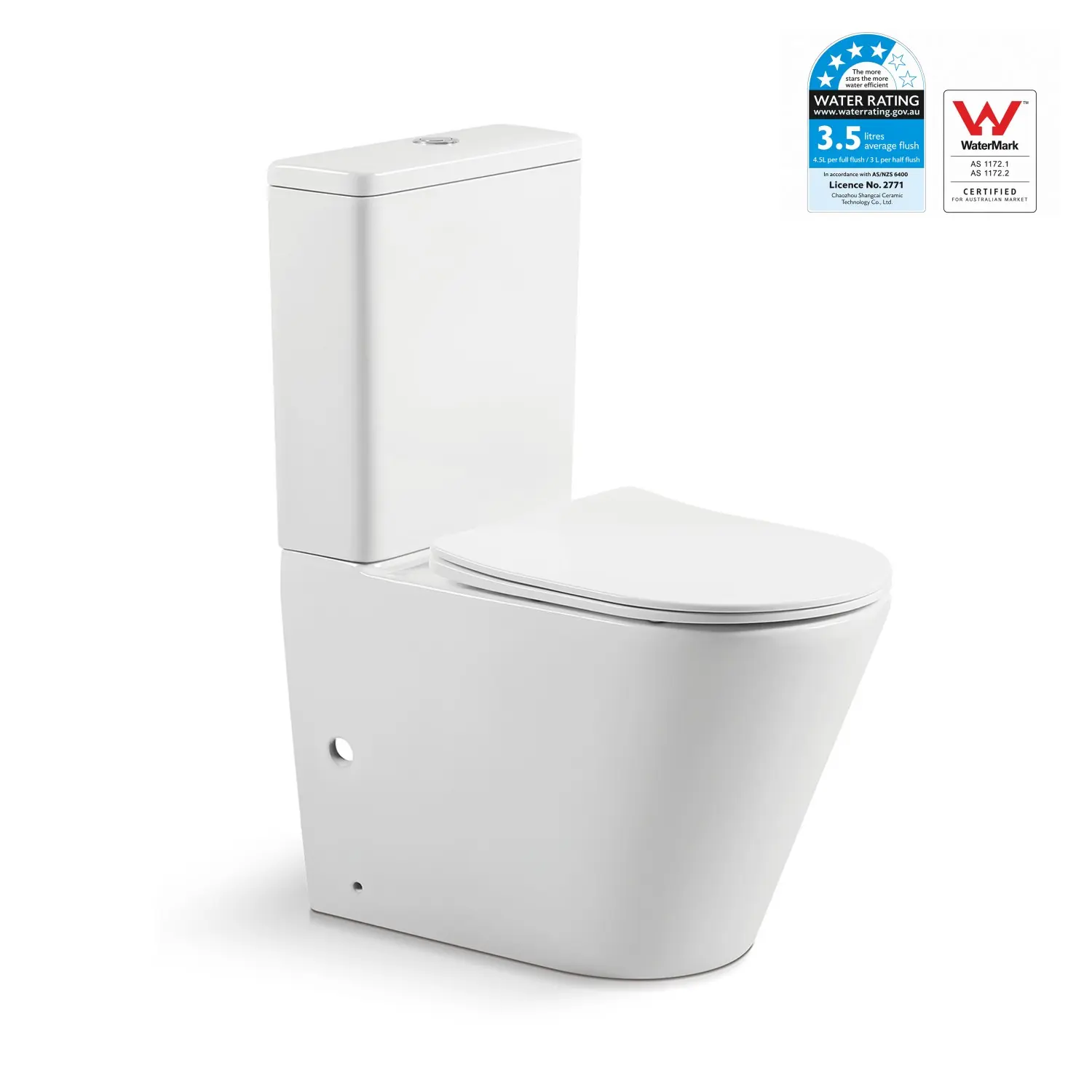






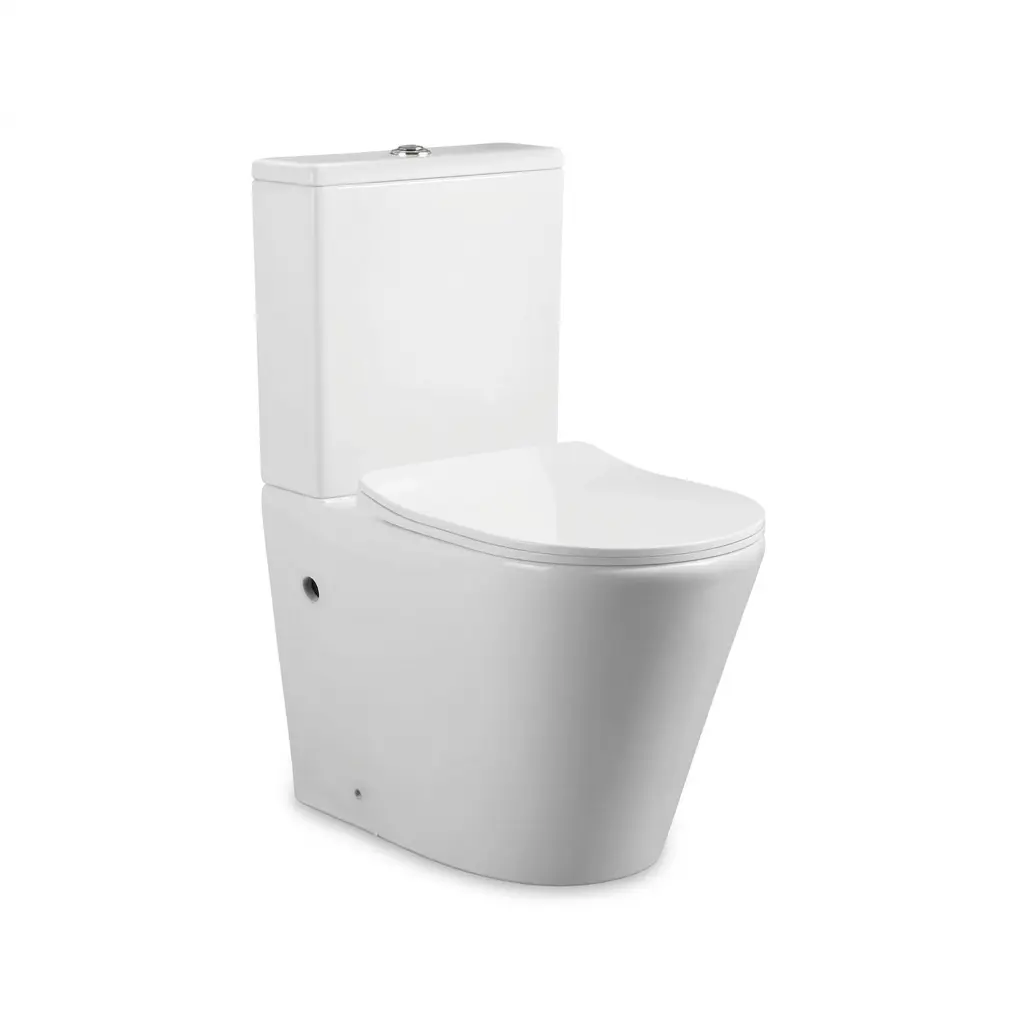
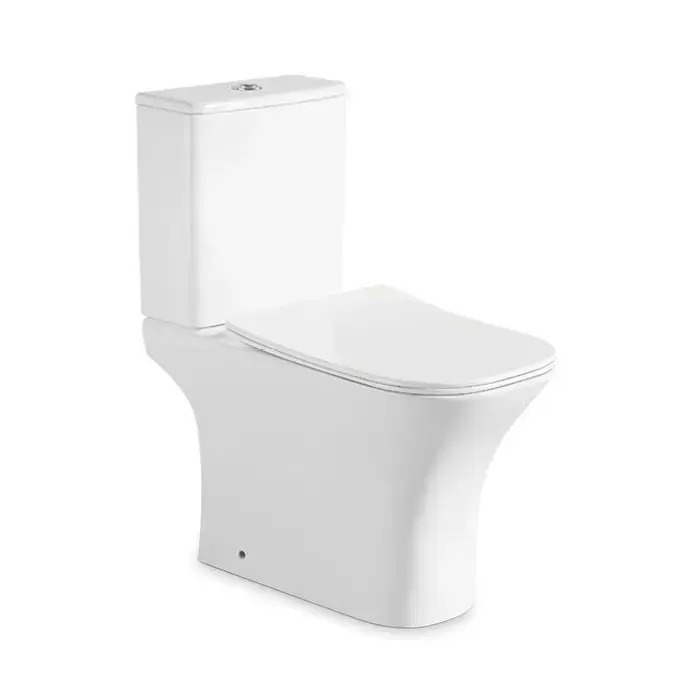
A two-piece toilet is exactly what its name suggests—a toilet made of two separate pieces: the tank and the bowl. These two components are manufactured independently and then joined together at the time of installation using bolts, rubber washers, and a gasket that seals the connection.
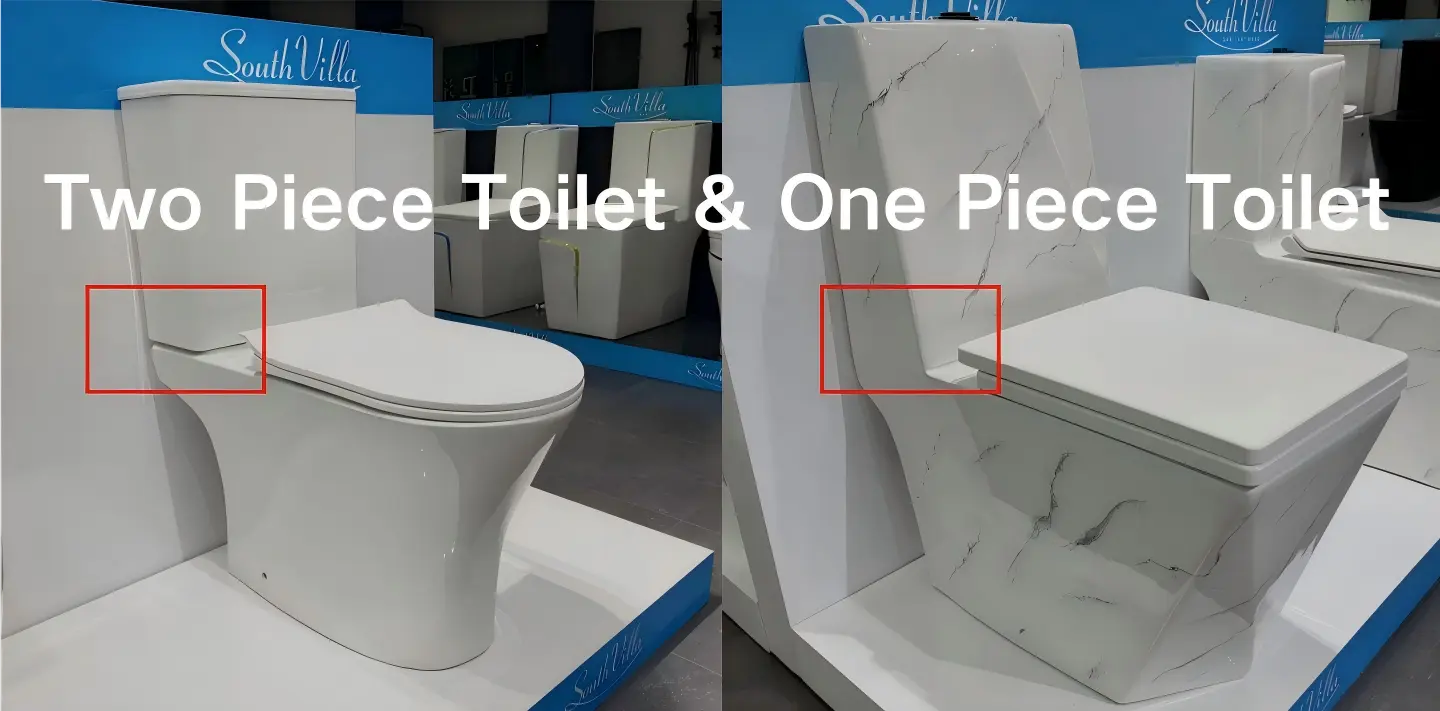
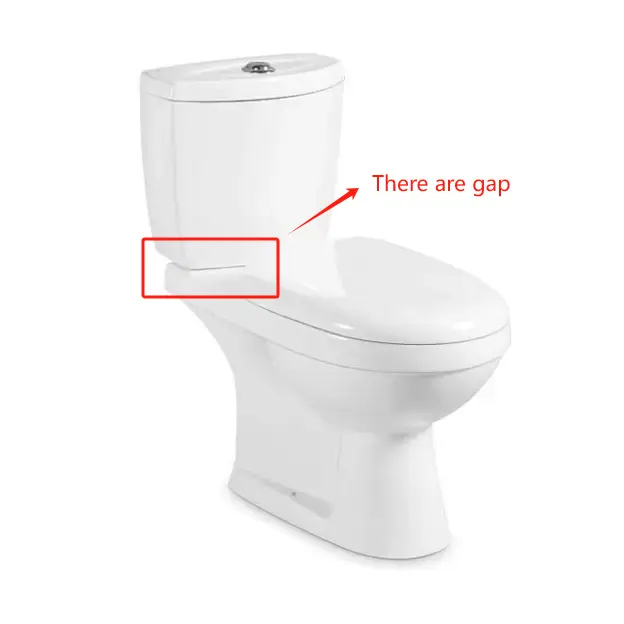
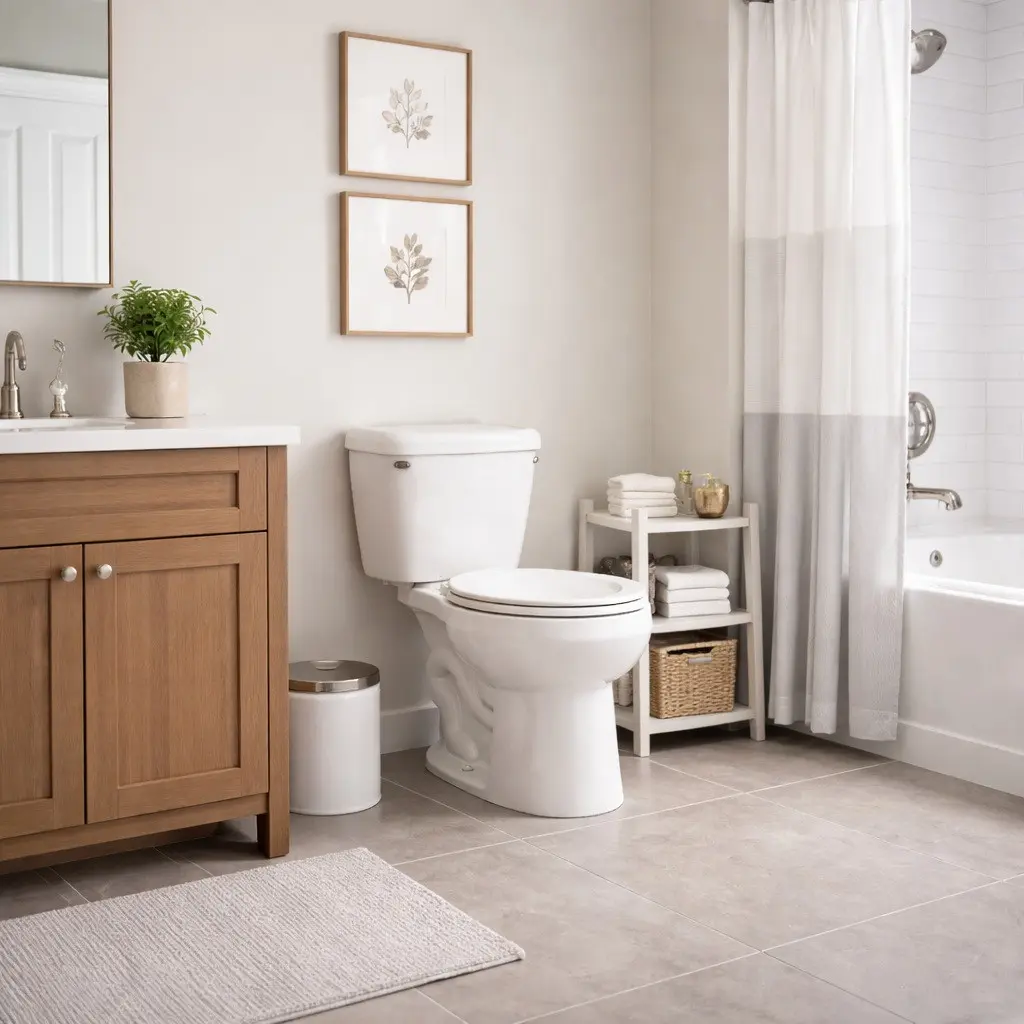
Visually, you can easily identify a two-piece toilet by the visible seam or gap where the tank meets the bowl. This seam is not a flaw; it is a functional joint that allows for easier manufacturing, shipping, and servicing. The tank sits squarely on top of the rear portion of the bowl, and the flush mechanism inside the tank releases water downward into the bowl through a flush valve and trapway when you press the handle.
In terms of operation, a two-piece toilet works the same way as any other gravity-fed toilet. Water from the tank rushes into the bowl, creating a siphon effect that pulls waste through the trapway and into your home’s drain system. The simplicity of this design is precisely why it has endured for so long.
Als Fachmann Toilettenhersteller, I will provide you with an in-depth introduction to two-piece toilets.
Key Components of a Two-Piece Toilet
To truly understand a two-piece toilet, it helps to know its main parts and what each one does. Here is a quick breakdown:
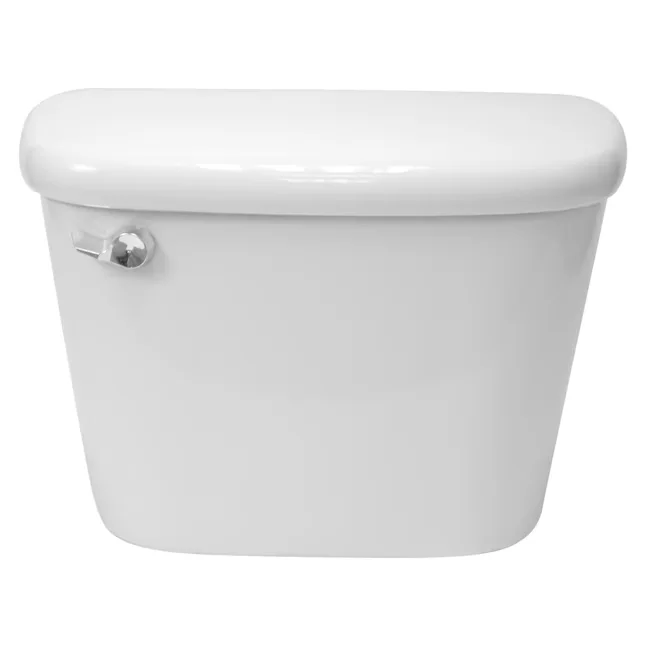
Tank
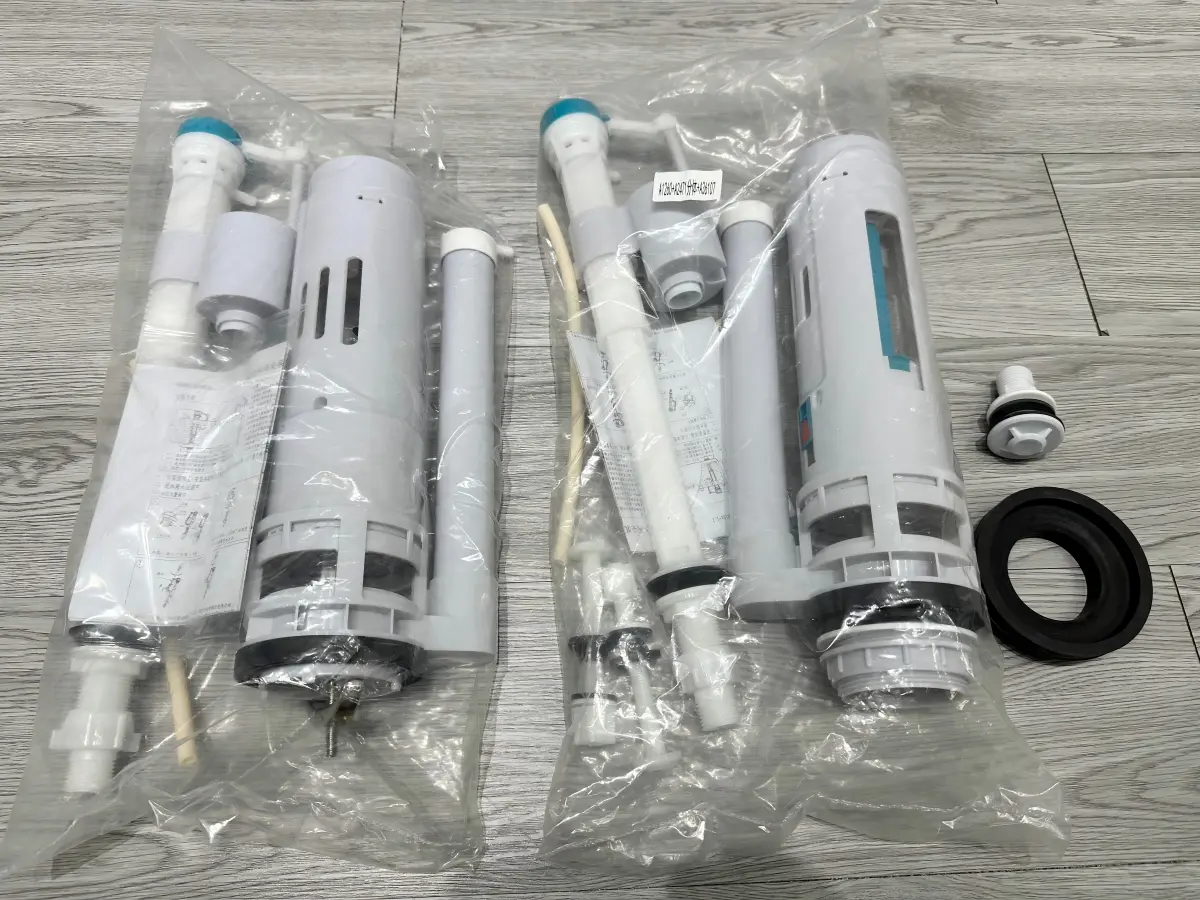
The upper component that holds the water used for flushing. Inside the tank, you will find the fill valve (which refills the tank after each flush), the flush valve (which releases water into the bowl), the flapper (a rubber seal that controls water flow), and the overflow tube (which prevents overfilling). The tank also houses the trip lever—the handle you push or pull to start the flush.
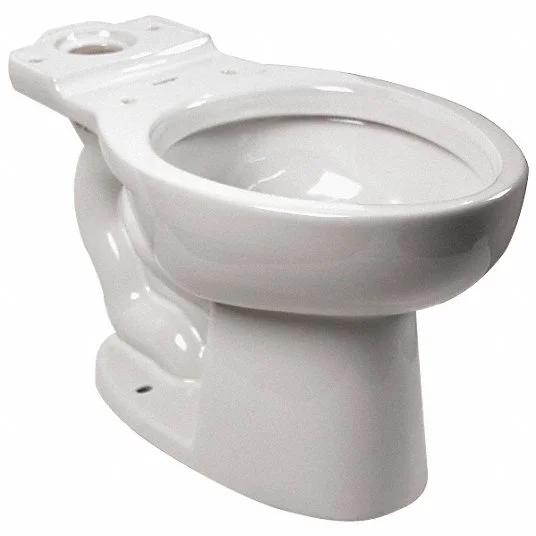
Bowl
The lower component that receives waste and connects to the floor drain. The bowl includes the trapway (the curved channel that carries waste to the drain), the rim jets (small holes under the rim that direct water into the bowl), and the siphon jet (a larger opening at the bottom of the bowl that helps create the siphon action). The bowl is also where you will find the seat and lid attachment points.
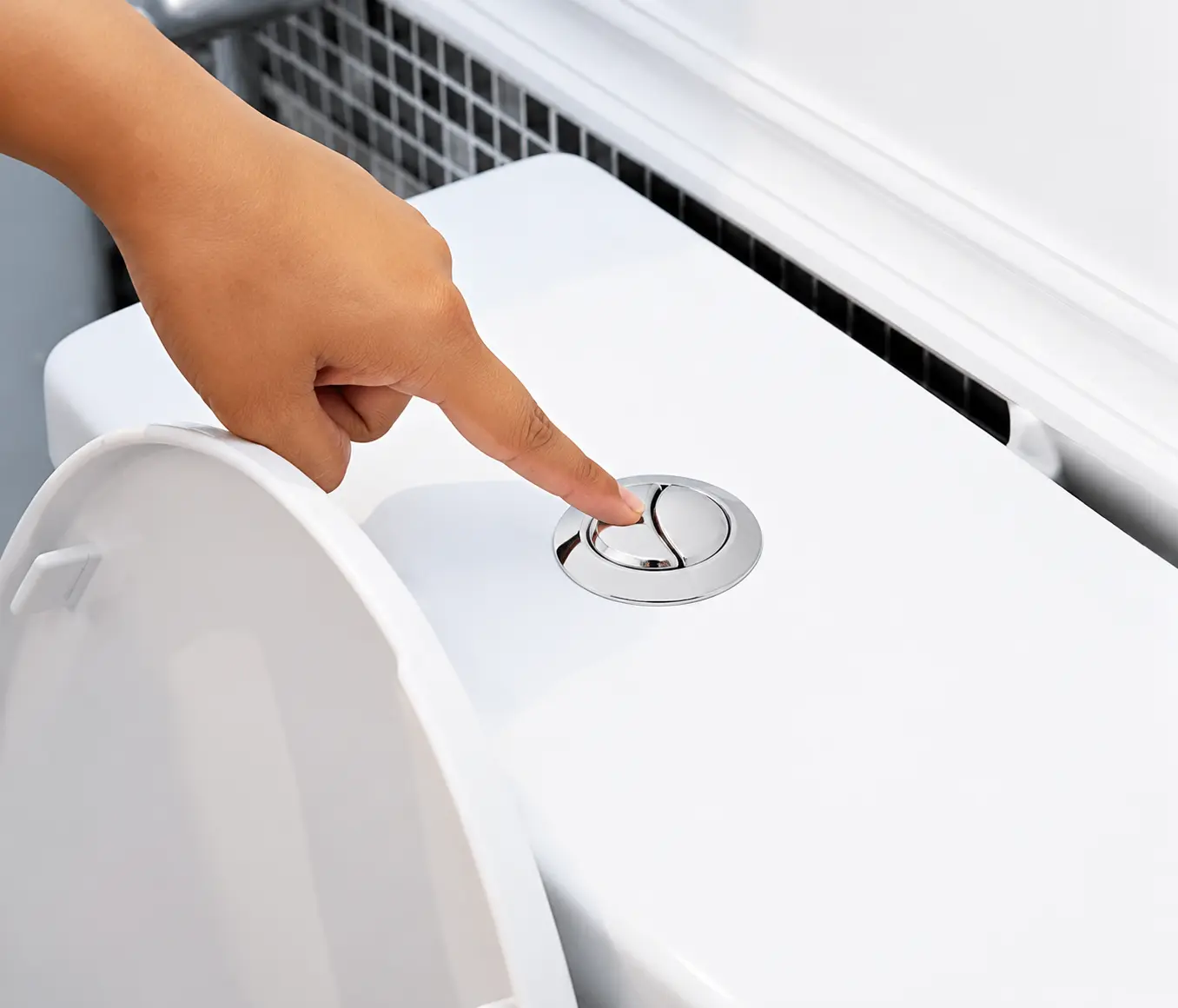
Flush Button
Mounted on the side or front of the tank, this is the user interface that activates the flush. It is connected to a lift chain or rod inside the tank.
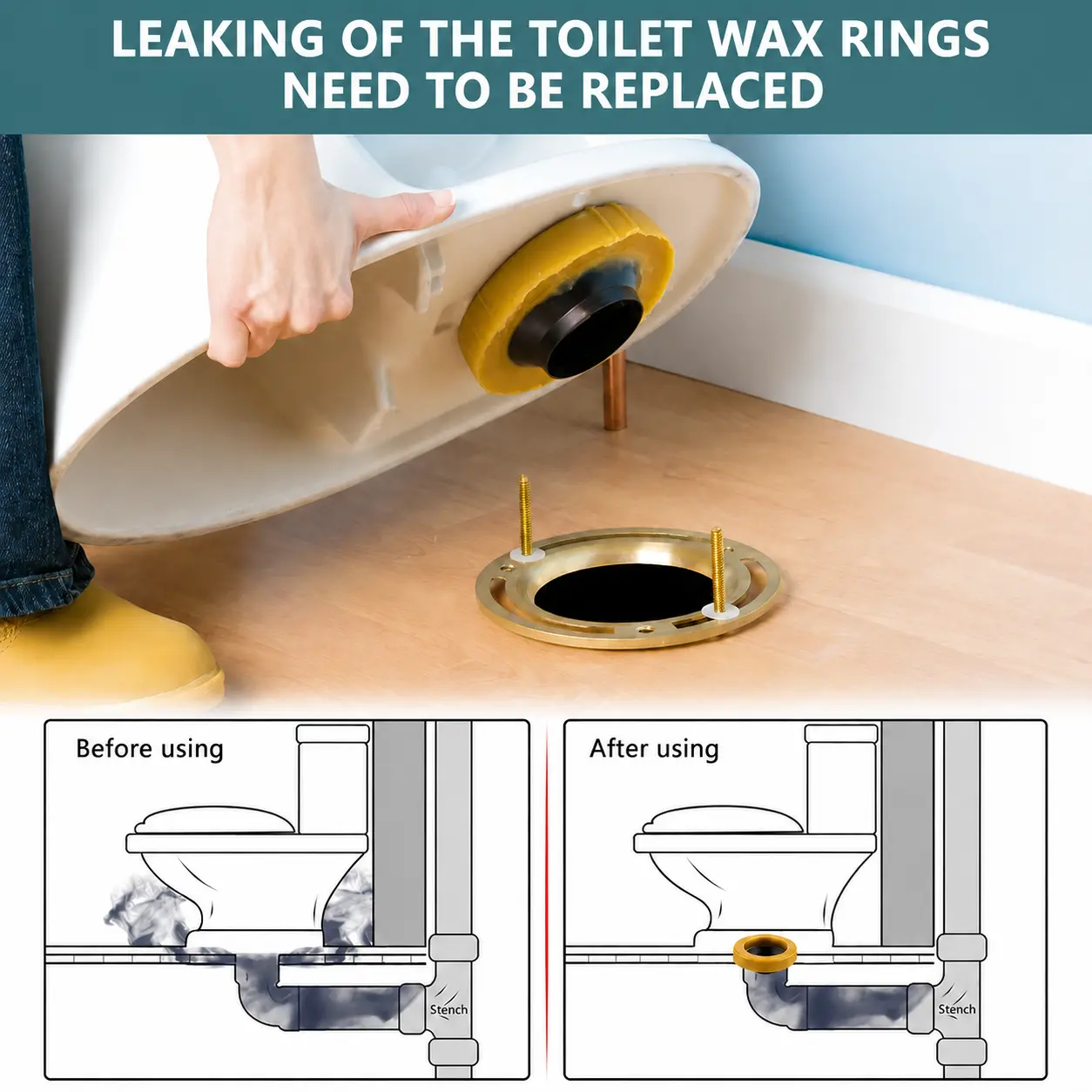
Wax Ring and Floor Flange
These are installation parts, not part of the toilet itself, but essential for a proper seal. The wax ring sits between the toilet’s outlet and the floor drain, preventing leaks and sewer gas from escaping. The floor flange is the pipe fitting that anchors the toilet to the floor.
Two-Piece vs. One-Piece Toilet: What’s the Difference?
This is perhaps the most common comparison homeowners make when shopping for a new toilet. While both types perform the same basic function, they differ significantly in design, cost, maintenance, and installation. Here is a side-by-side comparison:
| Merkmal | Zweiteilige Toilette | Einteilige Toilette |
| Structure | Separate tank and bowl assembled during installation | Single seamless unit with tank and bowl integrated |
| Weight | Heavier after assembly; easier to handle as separate components during installation | Lighter but bulkier due to the integrated design |
| Price | More affordable and cost-effective | More expensive due to integrated manufacturing |
| Cleaning | Harder to clean because the seam between the tank and bowl can collect dust and grime | Easier to clean with fewer gaps and a seamless surface |
| Repair | Easier to repair or replace individual components separately | More complex; repairs may require servicing the entire unit |
| Stil | Traditional and classic appearance, suitable for various bathroom styles | Modern, sleek, and minimalist appearance |
| Versand | Can be packed and shipped in two separate boxes, reducing handling difficulty | Requires one larger package due to the one-piece structure |
The bottom line is that neither type is inherently “better.” The right choice depends on your budget, your aesthetic preference, your willingness to clean, and whether you plan to install it yourself or hire a professional.
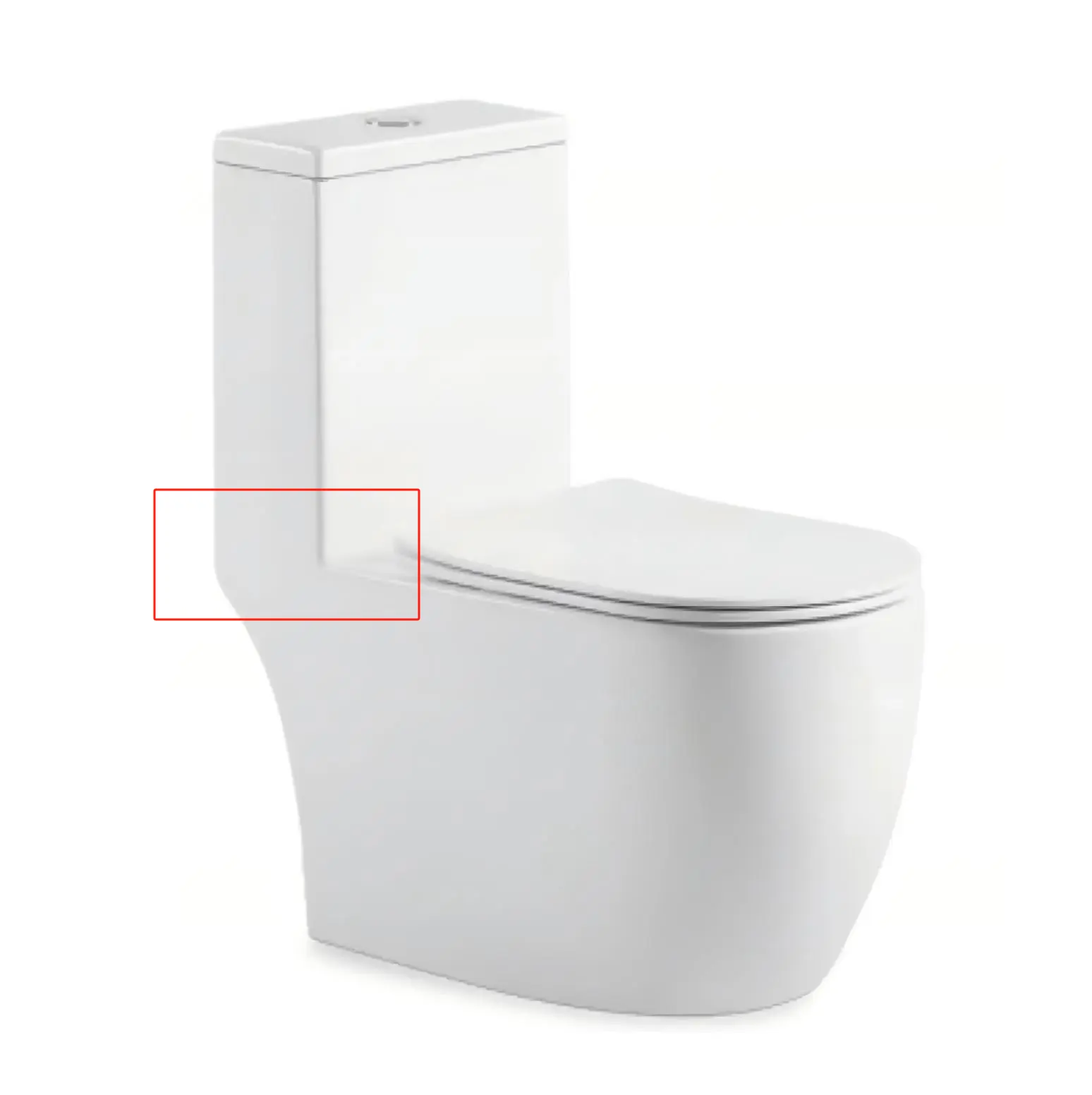
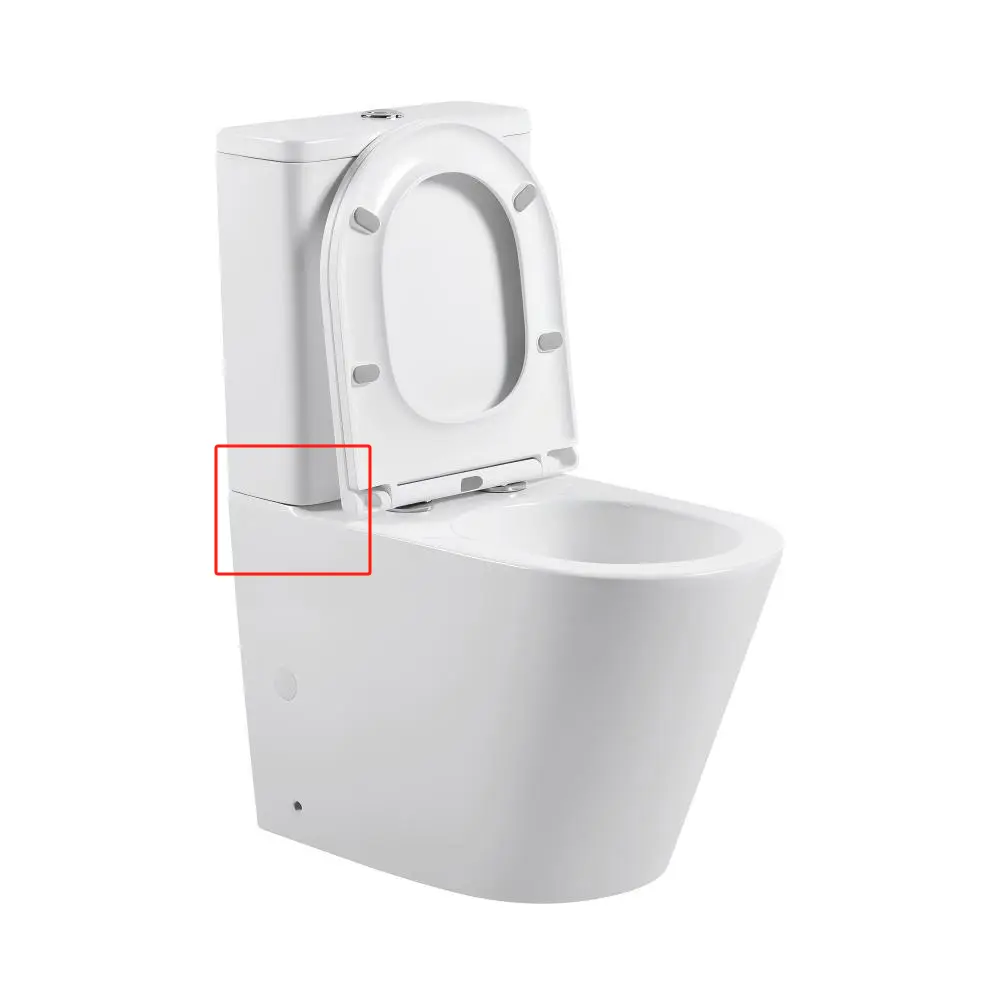
Advantages of a Two-Piece Toilet
Why do millions of homeowners still choose a two-piece toilet over its modern one-piece counterpart? Here are the main advantages:
Cost-Effective
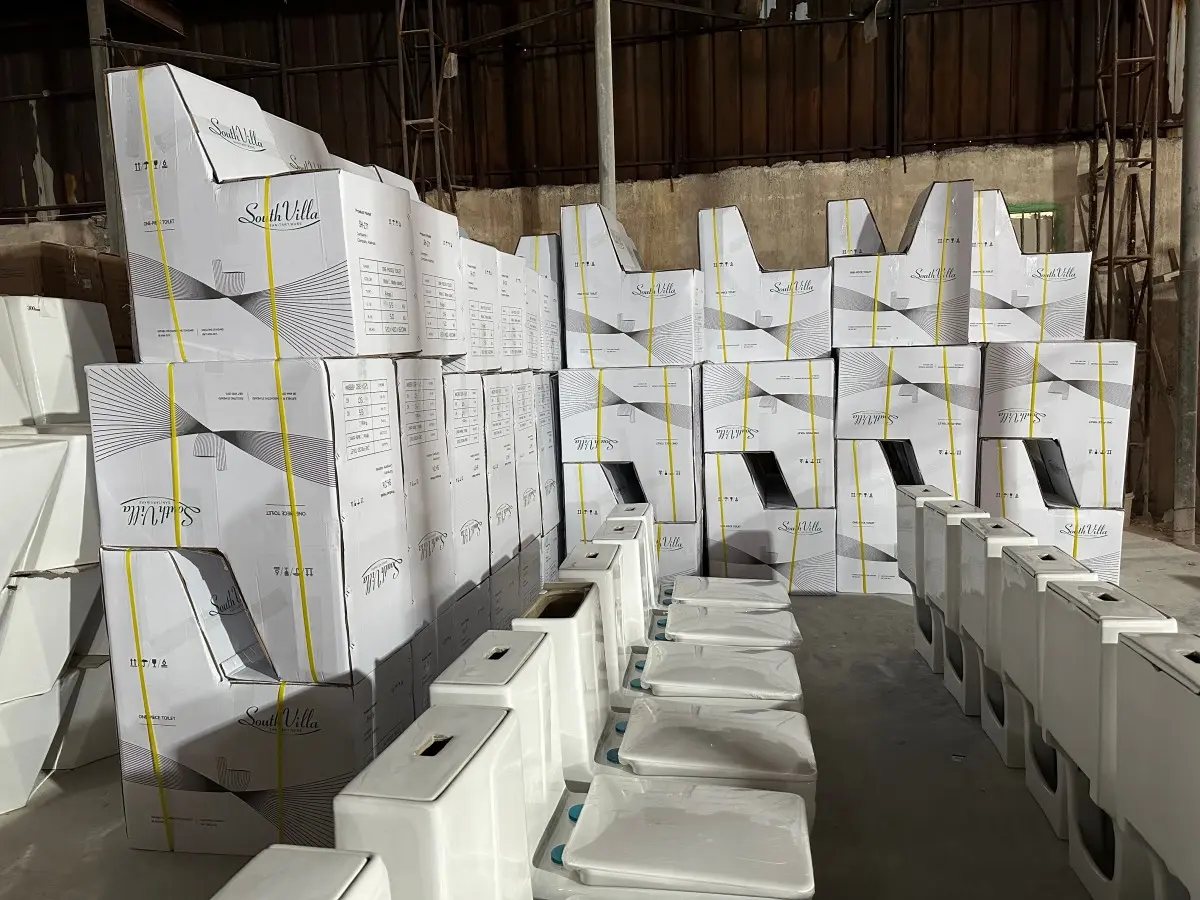
Two-piece toilets are significantly less expensive than one-piece models. Because they are easier to manufacture and transport, manufacturers can offer them at a lower price point. For budget-conscious renovations or rental properties, this is a major win.
Easy Repairs
The tank components—fill valves, flappers, flush valves—are standardized and widely available at any hardware store. If something breaks, you can usually fix it yourself in under 30 minutes with basic tools. In contrast, repairing a one-piece toilet can be more labor-intensive.
Flexible Installation
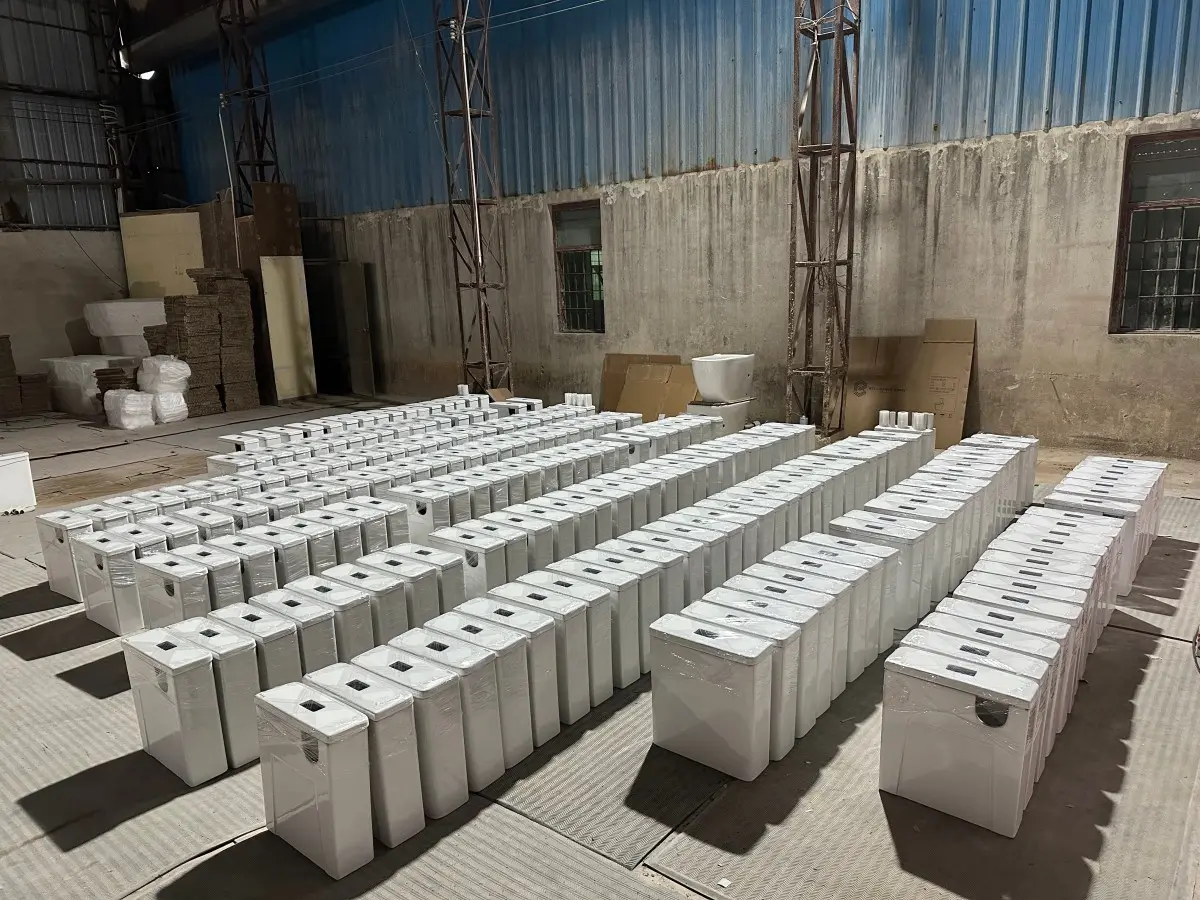
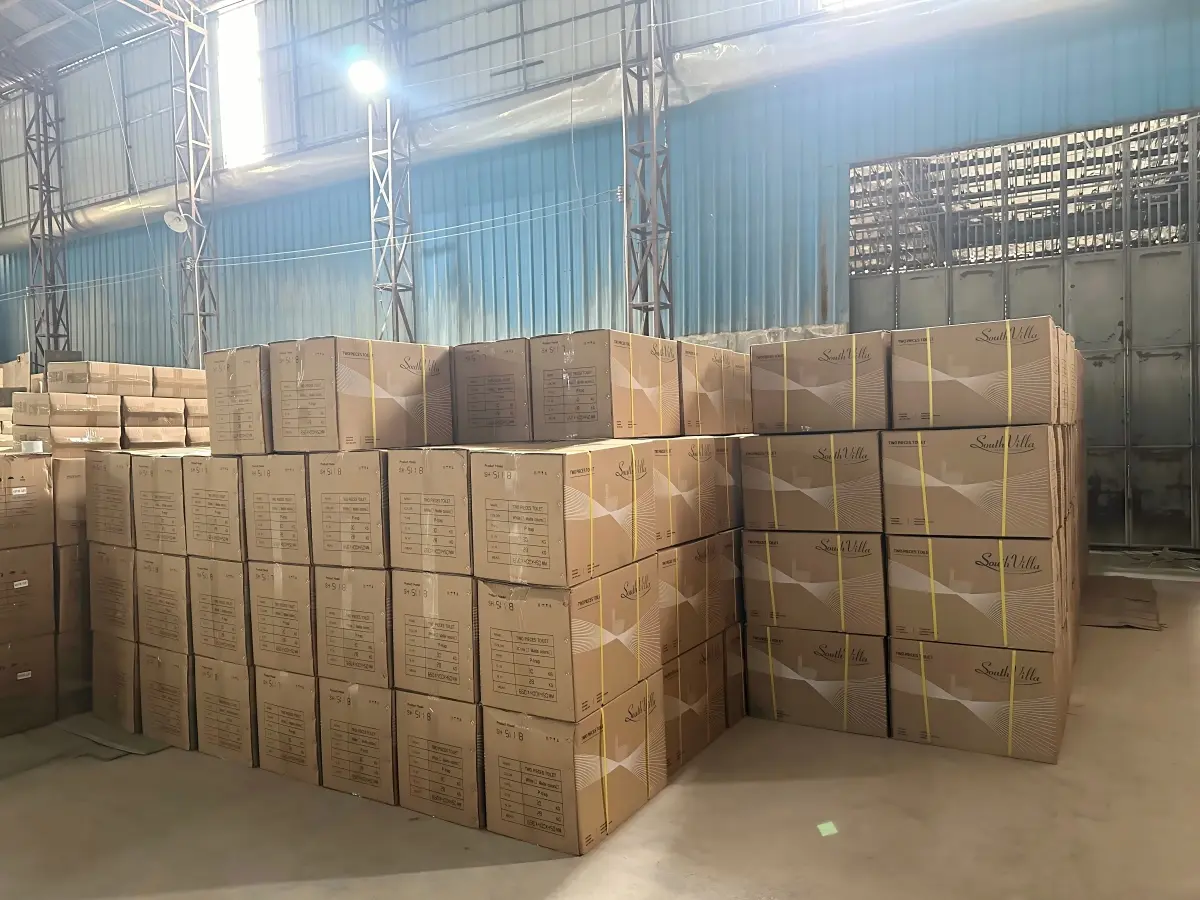
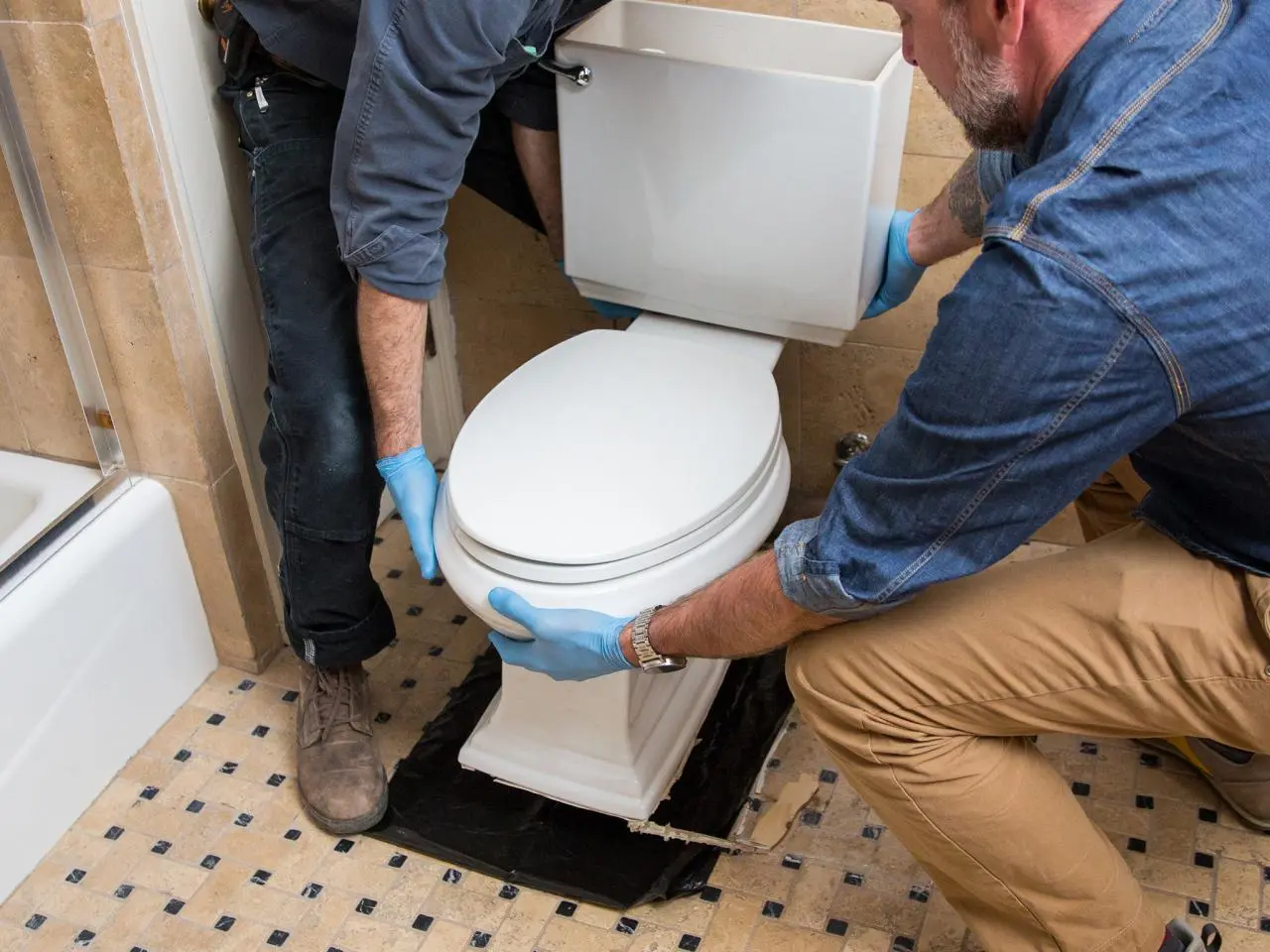
Because the tank and bowl come in separate boxes, they are much easier to carry up stairs or through narrow doorways. This makes two-piece toilets a favorite among DIY installers. You can also replace just the tank or just the bowl if needed, rather than buying an entire new unit.
Wide Variety
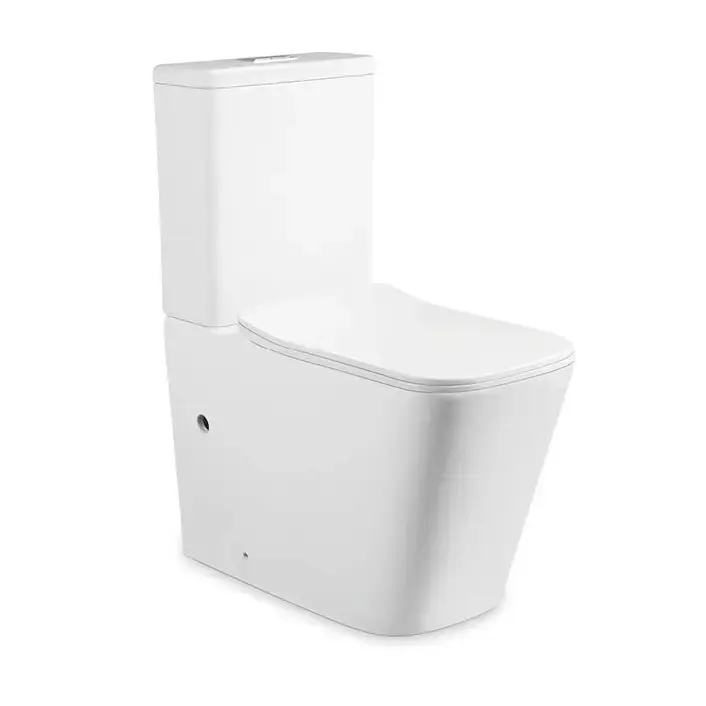
Two-piece toilets are available in more shapes, heights, colors, and flush technologies than almost any other type. Whether you prefer a round bowl, an elongated bowl, standard height, or comfort height, you will find plenty of options to match your bathroom design.
Disadvantages of a Two-Piece Toilet
Of course, no product is perfect. Here are the downsides you should consider before making a purchase:
Harder to Clean
The seam between the tank and the bowl is a magnet for dust, dirt, and mineral deposits. Over time, this area can become unsightly and requires extra effort to keep clean. If you prioritize low-maintenance cleaning, this might be a dealbreaker.
Bulkier Appearance
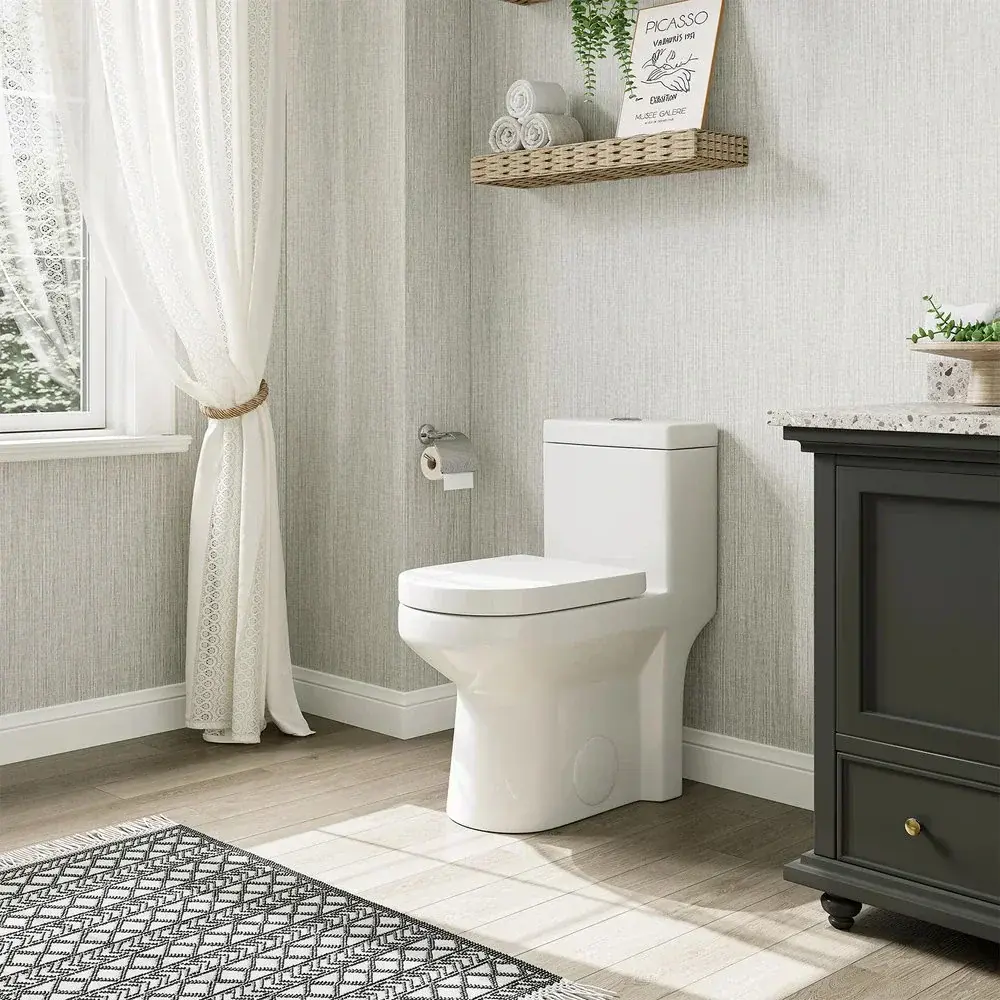
Two-piece toilets have a more traditional, somewhat boxy look compared to the sleek, continuous lines of a one-piece toilet. If you are going for a modern or minimalist bathroom aesthetic, a two-piece might feel out of place.
Potential for Leaks
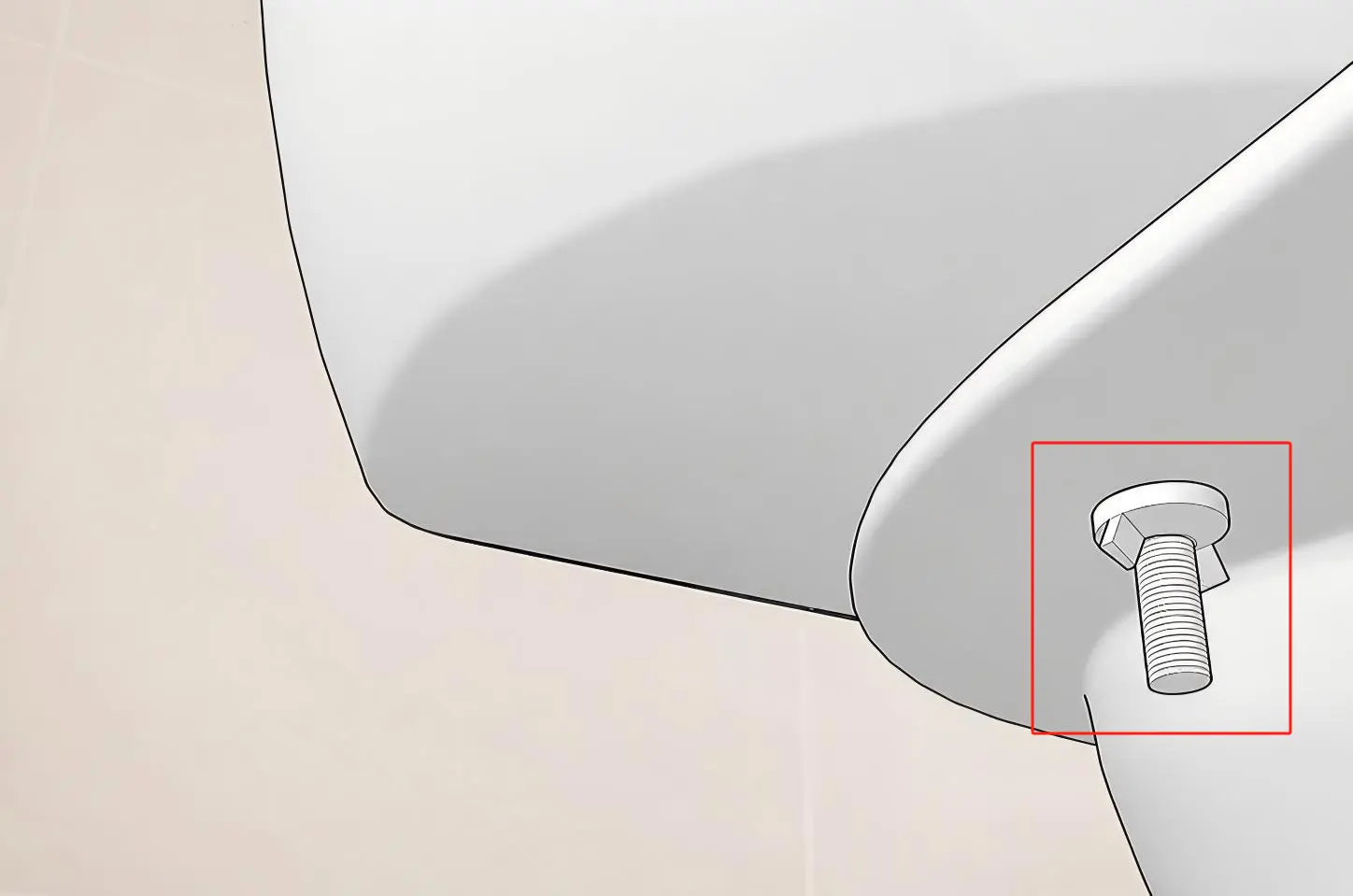
The gasket and bolts that connect the tank to the bowl can wear out over time, leading to slow leaks at the seam. While this is not extremely common, it is a failure point that simply does not exist in a one-piece design. Regular inspection is recommended.
Heavier When Fully Assembled
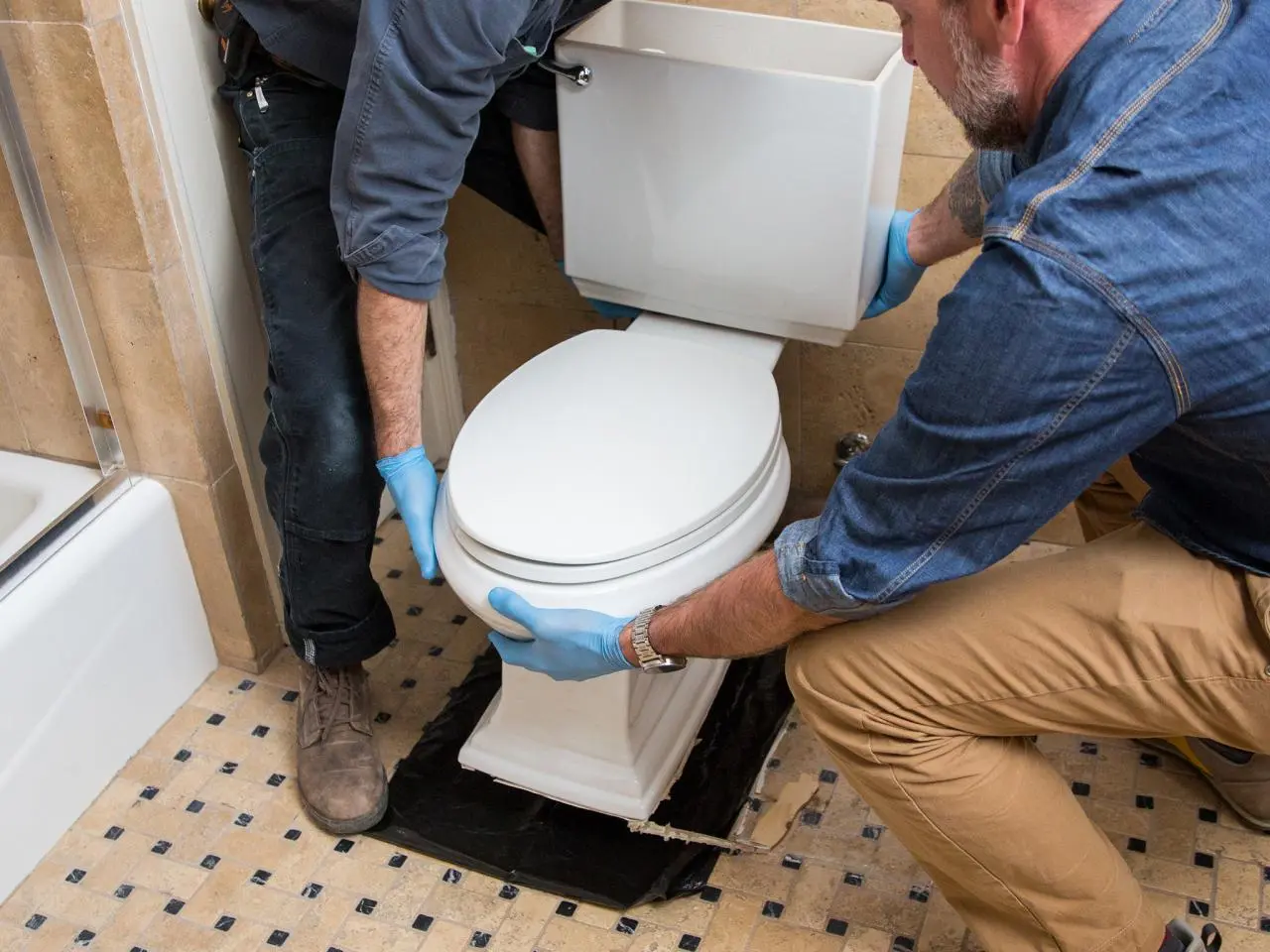
While the separate pieces are light individually, once bolted together, a two-piece toilet becomes quite heavy. If you are installing it alone, you will need to be careful when lifting and positioning the assembled unit onto the wax ring.
Who Should Buy a Two-Piece Toilet?
A two-piece toilet is not for everyone, but it is an excellent fit for certain situations. Here is who should seriously consider this option:
Budget-Conscious Homeowners
If you are renovating on a tight budget, a two-piece toilet gives you reliable performance without breaking the bank. You can often find high-quality models for under $200, whereas one-piece toilets typically start at $300 and go up from there.
DIY Enthusiasts
If you enjoy tackling home improvement projects yourself, a two-piece toilet is a great weekend project. The assembly and installation are straightforward, and replacement parts are easy to find if you make a mistake.
Anyone Replacing an Old Two-Piece Toilet
If your current toilet is a two-piece model with the same rough-in distance (the distance from the wall to the floor drain), replacing it with another two-piece is often a drop-in fit. You will not need to modify your flooring or plumbing.
Rental Properties and House Flips
For landlords and flippers who need durable, affordable fixtures that tenants can use without complaints, a two-piece toilet is a safe, practical choice. It is familiar, easy to service, and widely available.
How to Choose the Right Two-Piece Toilet
Not all two-piece toilets are created equal. When you walk into a showroom or browse online, keep these five key factors in mind:
Rough-In Distance
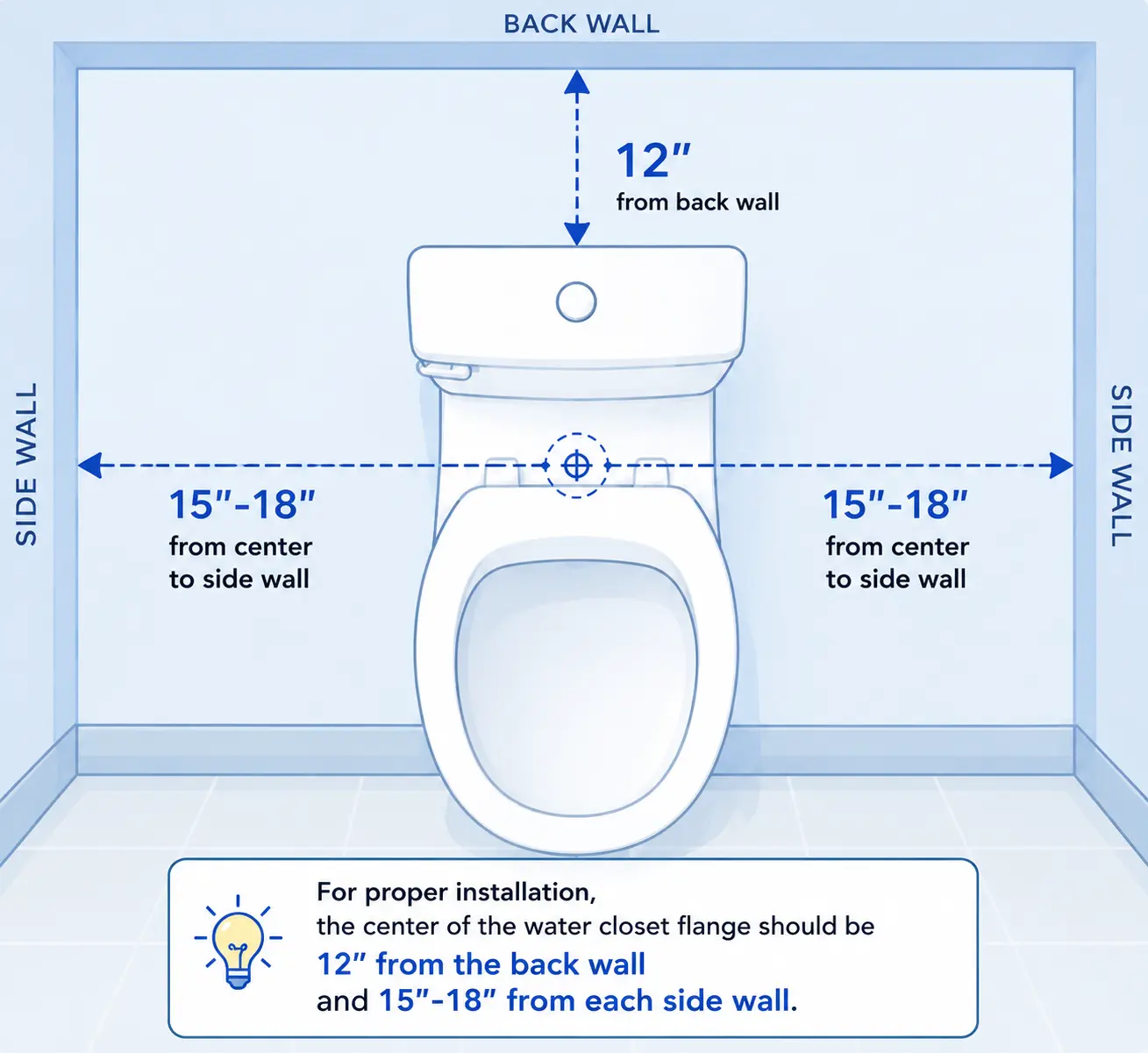
This is the distance from the finished wall behind the toilet to the center of the floor drain. Standard sizes are 10 inches, 12 inches, and 14 inches. In North America, 12 inches is the most common. Measure carefully before you buy—getting this wrong means the toilet will not fit.
Bowl Shape
You have two choices: round (shorter, fits smaller bathrooms) and elongated (longer, more comfortable for adults). Elongated bowls are generally preferred for comfort, but they require more floor space.
Height
Standard-height toilets measure about 14–15 inches from floor to rim. Comfort-height (or chair-height) toilets measure 16–18 inches, making them easier to sit down on and stand up from—especially helpful for seniors or anyone with mobility issues.
Flush Performance
Look for the GPF (gallons per flush) rating. Modern water-efficient toilets use 1.28 GPF (WaterSense-certified) or 1.6 GPF (standard). Both can flush effectively, but 1.28 GPF saves more water over time. Check reviews to ensure the model you choose has good flush performance—not all low-flow toilets are equal.
Brand Reliability
Choose a toilet from a well-known brand. The warranty service offered by well-known brands is often superior to that of unknown, ordinary brands. Spending a little more on a trusted brand is almost always worth it.
Maintenance and Common Issues
Like any household fixture, a two-piece toilet requires occasional maintenance. Here are the most common problems and how to fix them:
Running Toilet
This is almost always caused by a worn-out flapper that no longer seals properly. Replace the flapper (costs about $5–$10) and the problem usually disappears. Sometimes the fill valve or float needs adjustment too.
Leaking at the Tank-to-Bowl Seam
If you see water pooling around the base of the tank, the rubber gasket between the tank and bowl has likely degraded. You will need to remove the tank, replace the gasket, and re-bolt it. This is a straightforward but slightly messy job.
Weak Flush
Mineral deposits can clog the rim jets or the siphon jet. Use a small mirror to inspect the underside of the rim, then clean the jets with a stiff wire or a specialized toilet jet cleaner. You can also use a descaling solution to dissolve buildup.
Wobbly Toilet
A wobbly toilet is usually caused by loose floor bolts or a deteriorated wax ring. Tighten the floor bolts first. If that does not help, you will need to pull the toilet, replace the wax ring, and re-set it properly.
Schlussfolgerung
Choosing a toilet may not be the most glamorous part of a bathroom renovation, but it is one of the most important decisions you will make. A two-piece toilet offers a time-tested combination of affordability, repairability, and availability that is hard to beat.
If you are working with a limited budget, planning a DIY installation, or simply replacing an old unit, a two-piece toilet is a smart, practical choice. Just remember to measure your rough-in distance, choose a bowl shape and height that suit your family, and stick with a reputable brand.
At the end of the day, the best toilet is the one that fits your space, your budget, and your lifestyle. And for millions of homeowners, that toilet is still a two-piece.
About South Villa – Your Trusted Wholesale Toilet Manufacturer
South Villa ist ein professionelles wholesale toilet manufacturer from Chaozhou, China, specializing in the design, development, and production of high-quality ceramic sanitary ware for global markets. Founded in 2009, South Villa focuses on providing reliable toilet solutions for distributors, wholesalers, bathroom brands, contractors, and project buyers worldwide.
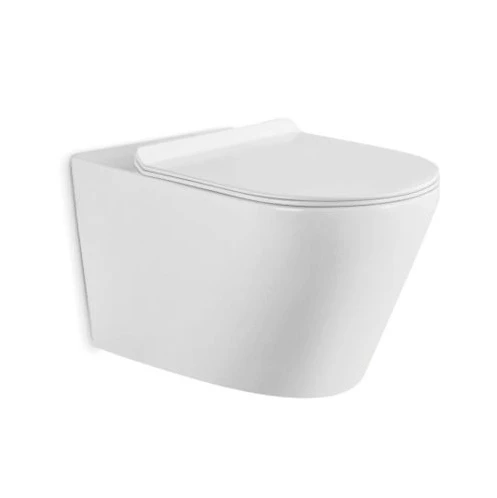
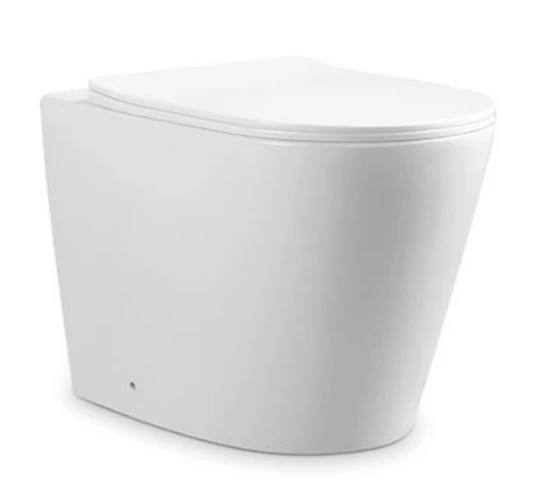
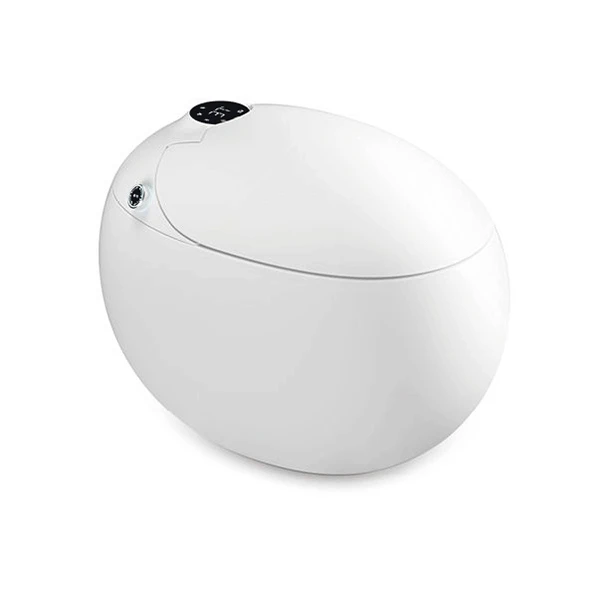
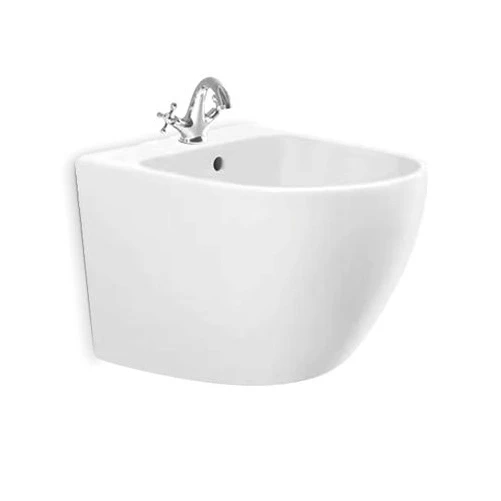
Our product portfolio includes Großhandel für einteilige Klosetts, Zweiteilige Klosetts, wandhängende Toiletten, floor-mounted toilets, intelligente Toiletten, bidets, and bathroom basins, designed to meet the diverse requirements of residential, commercial, hospitality, and construction projects.