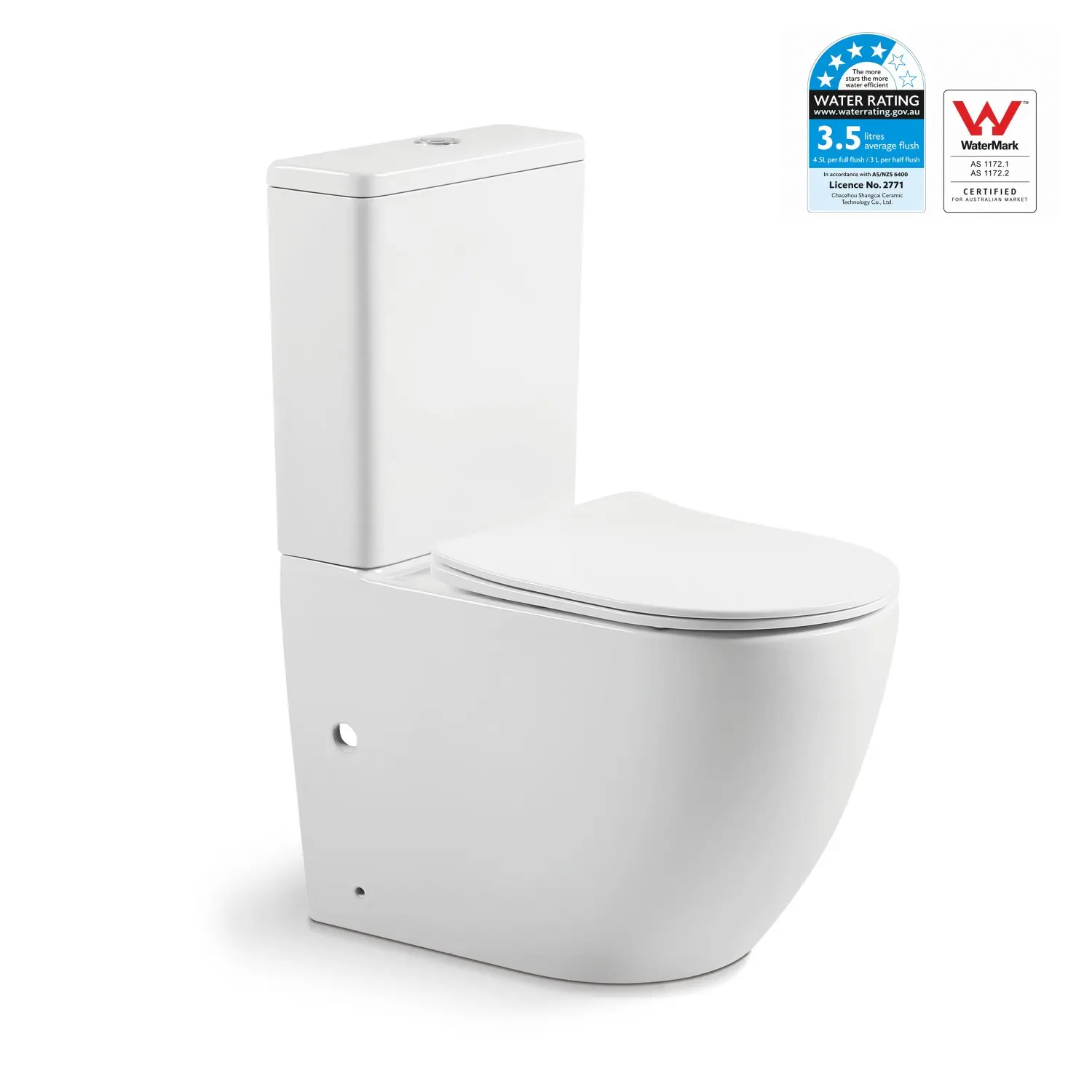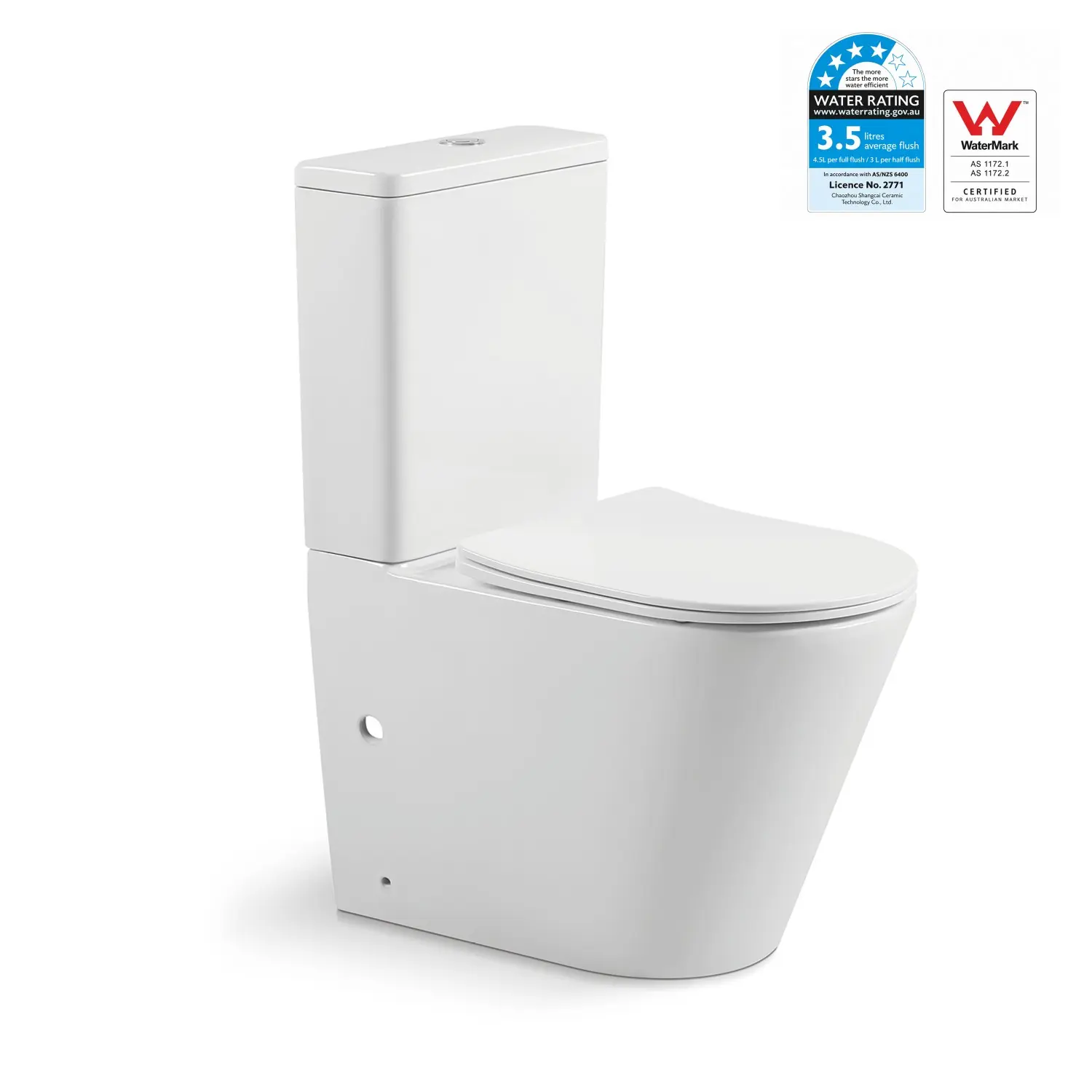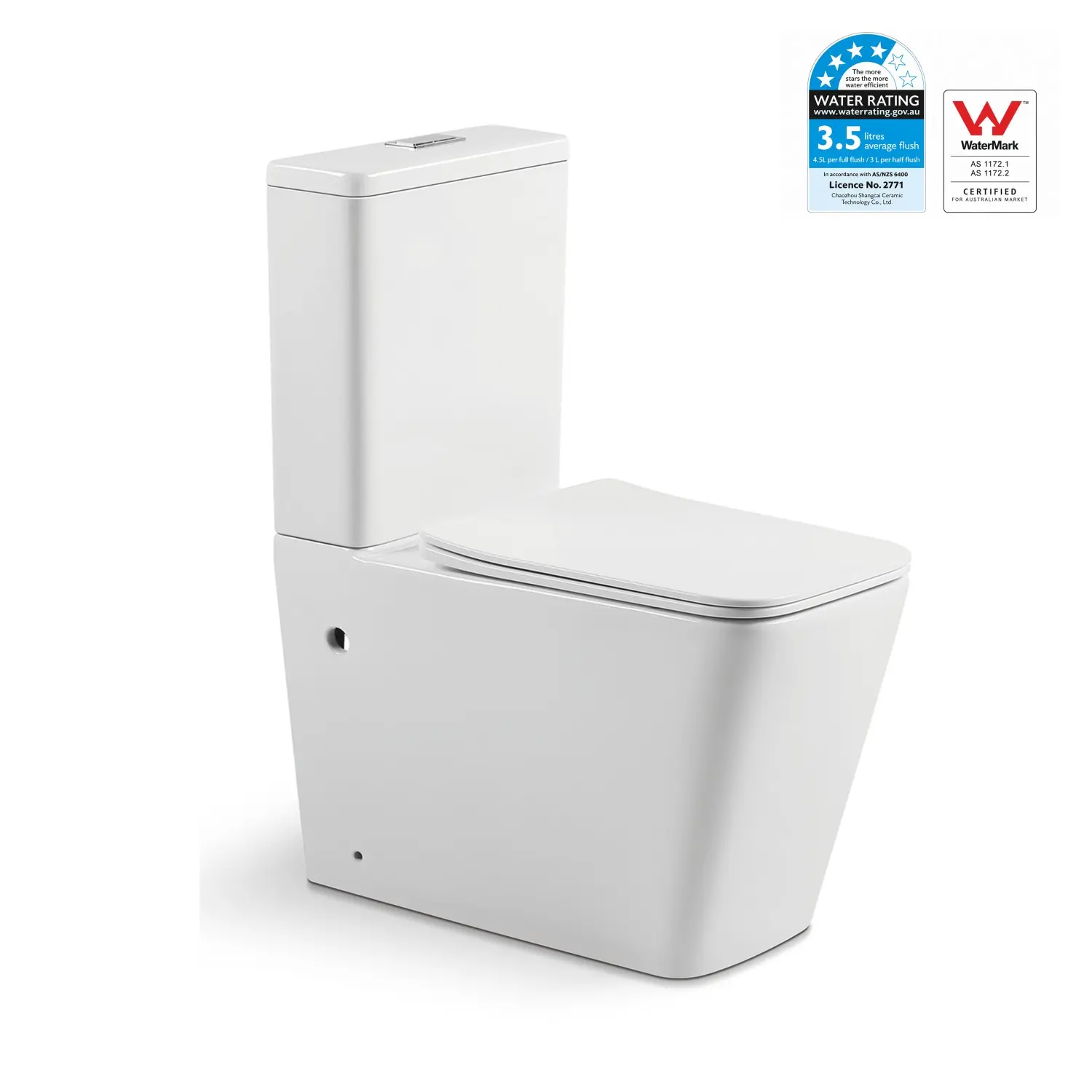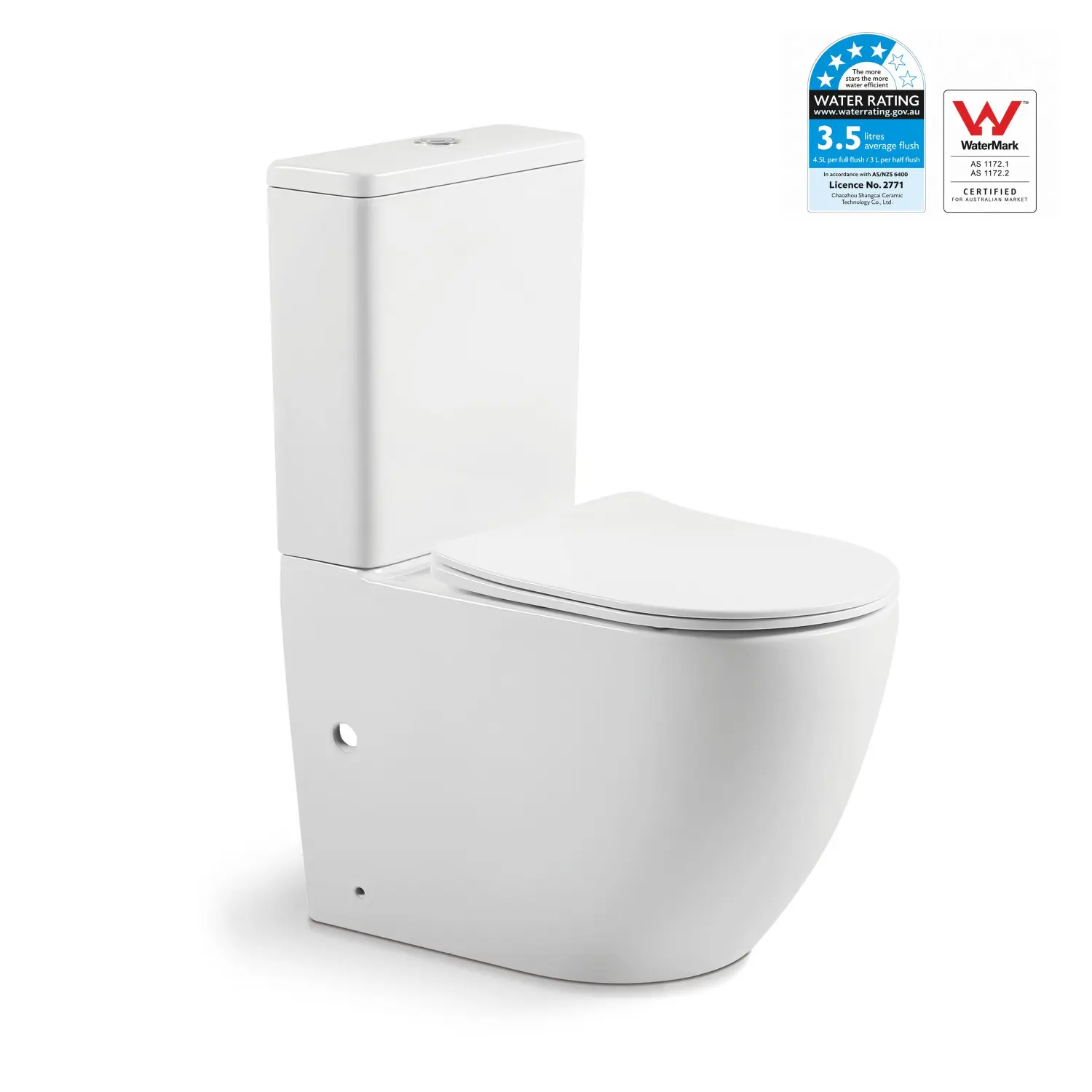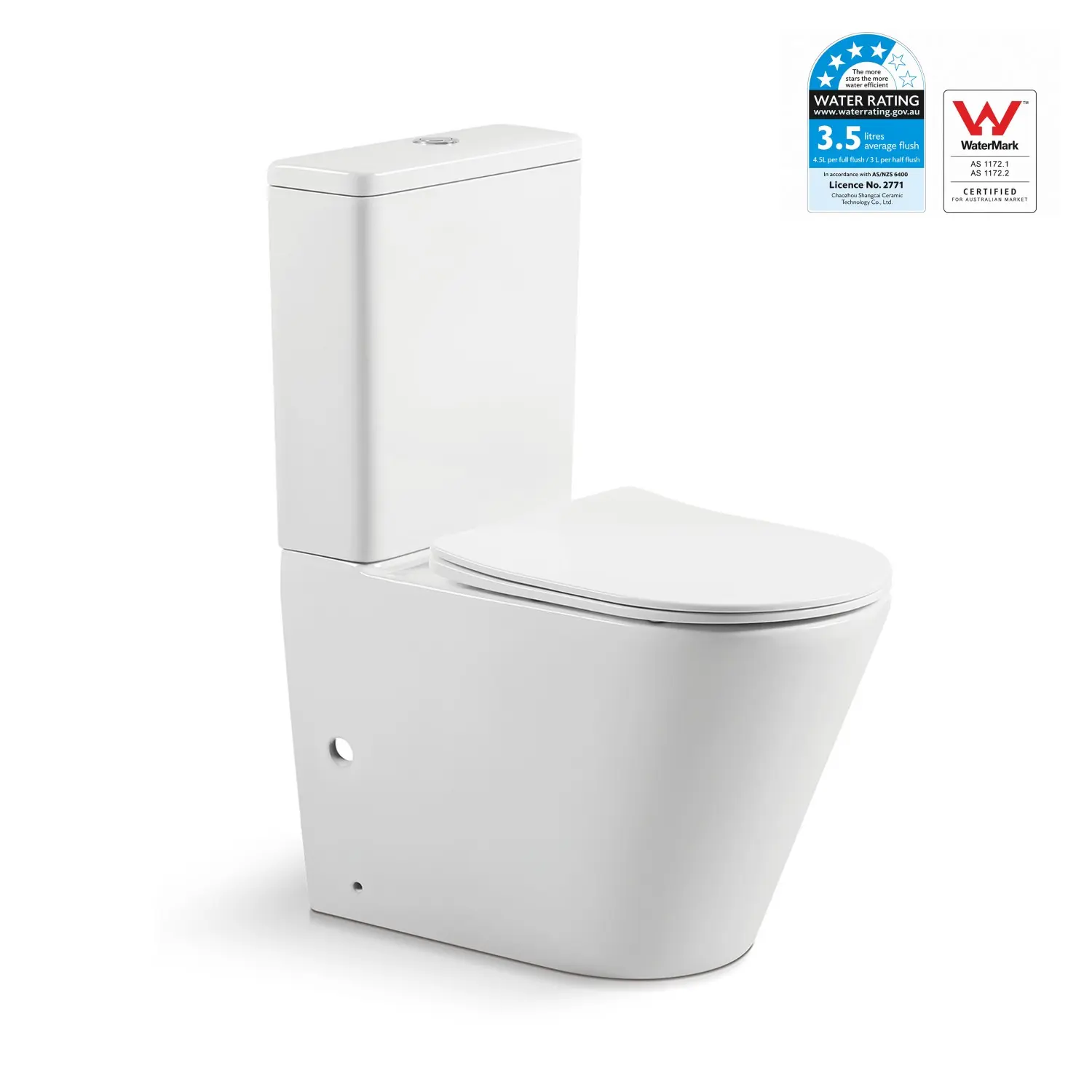
Launching your own toilet range gives your business more control over product selection, pricing and brand presentation. For Australian bathroom brands, importers and retailers, sourcing private label toilets from China can provide a practical route to building a collection without investing in a manufacturing facility.
A successful sourcing project starts with choosing products that suit your customers, confirming Australian compliance requirements and agreeing on specifications the factory can maintain across repeat orders. This guide explains how to move from initial product selection to branded production, delivery and long-term supply.
Why Source Private Label Toilets from China?
Build Your Range Using Established Manufacturing Capabilities
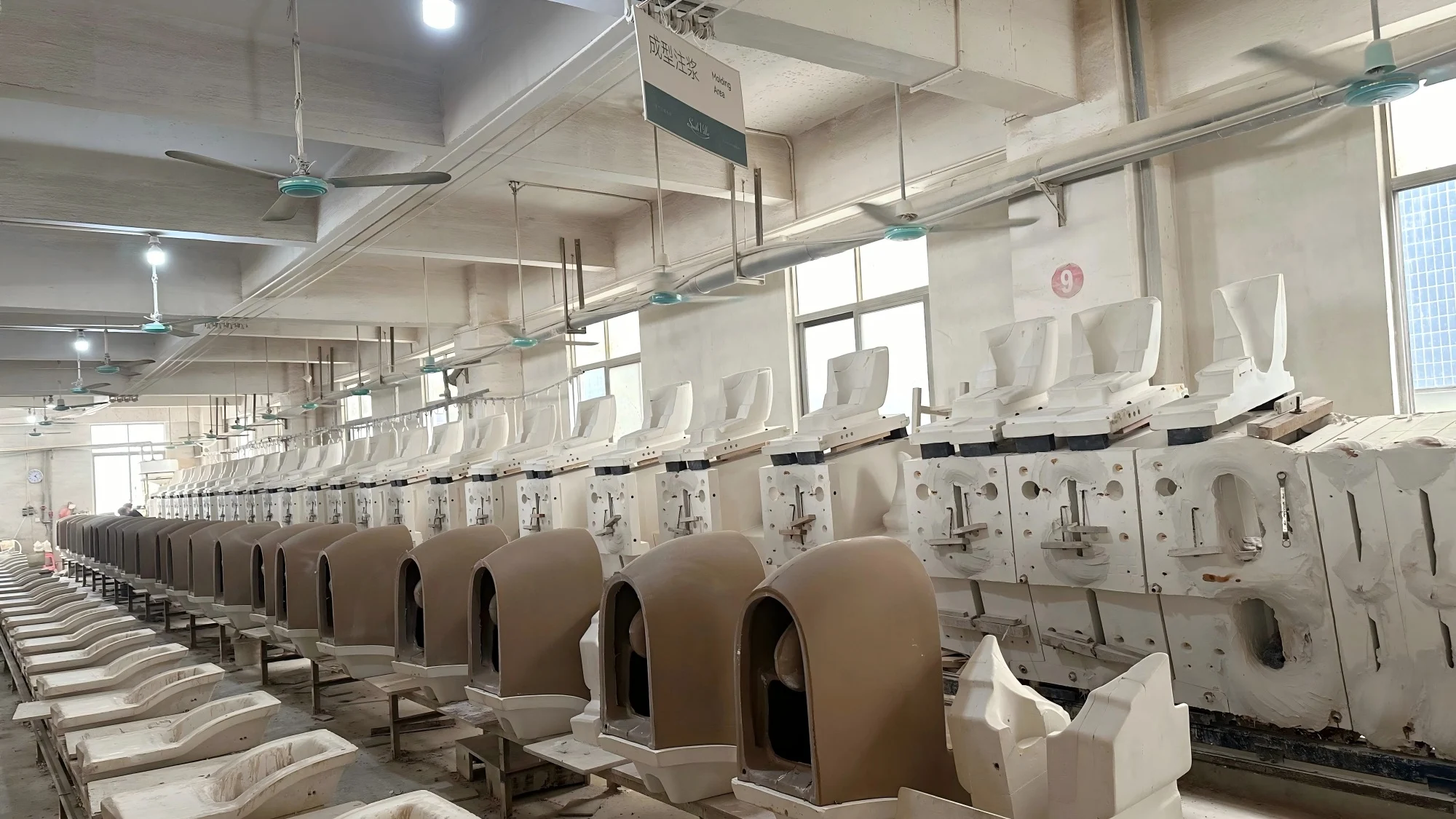
Working with an established Chinese manufacturer allows you to develop a branded collection using existing production facilities, moulds and technical resources. You can begin with suitable factory models, select available components and develop packaging around your brand.
This approach can reduce the development work involved in launching a new range. Instead of designing every product from the beginning, your team can focus on selecting the right models and preparing your sales channels.
Match Product Costs to Your Market Position
Factory sourcing gives you the opportunity to discuss how different configurations affect purchasing costs. Seat materials, flushing components, ceramic finishes and packaging can all influence the quotation.
The aim should be to achieve the right balance between purchase price, customer expectations and after-sales costs. Even if some suppliers offer lower prices, the savings mean little if the product creates installation difficulties, arrives with inadequate packaging or requires frequent replacement parts.
China’s complete toilet manufacturing supply chain offers advantages in cost, quality control and production efficiency, helping private-label brands reduce purchasing and after-sales costs while minimizing long-term risks.
Create a Full Price Range of Toilets
China’s toilet manufacturers offer a wide selection of toilet styles across different price points, making it easier to build a product range that meets diverse market needs.
By combining the right designs, features and price levels, you can create a balanced toilet range that appeals to budget-conscious buyers, mid-range customers and premium consumers, while strengthening your market competitiveness.
Define Your Australian Toilet Range Before Contacting Suppliers
Identify Your Customers and Sales Channels
Begin by deciding who will buy your products and how they will purchase them.
Bathroom showrooms may need display samples, detailed specifications and coordinated collections. Online retailers depend on accurate photographs, clear dimensions and protective delivery packaging. Project buyers may place greater emphasis on installation compatibility, consistent specifications and scheduled supply.
Share this information with potential suppliers. A useful product recommendation should reflect your sales channel, target price and customer requirements.
Select the Right Toilet Types
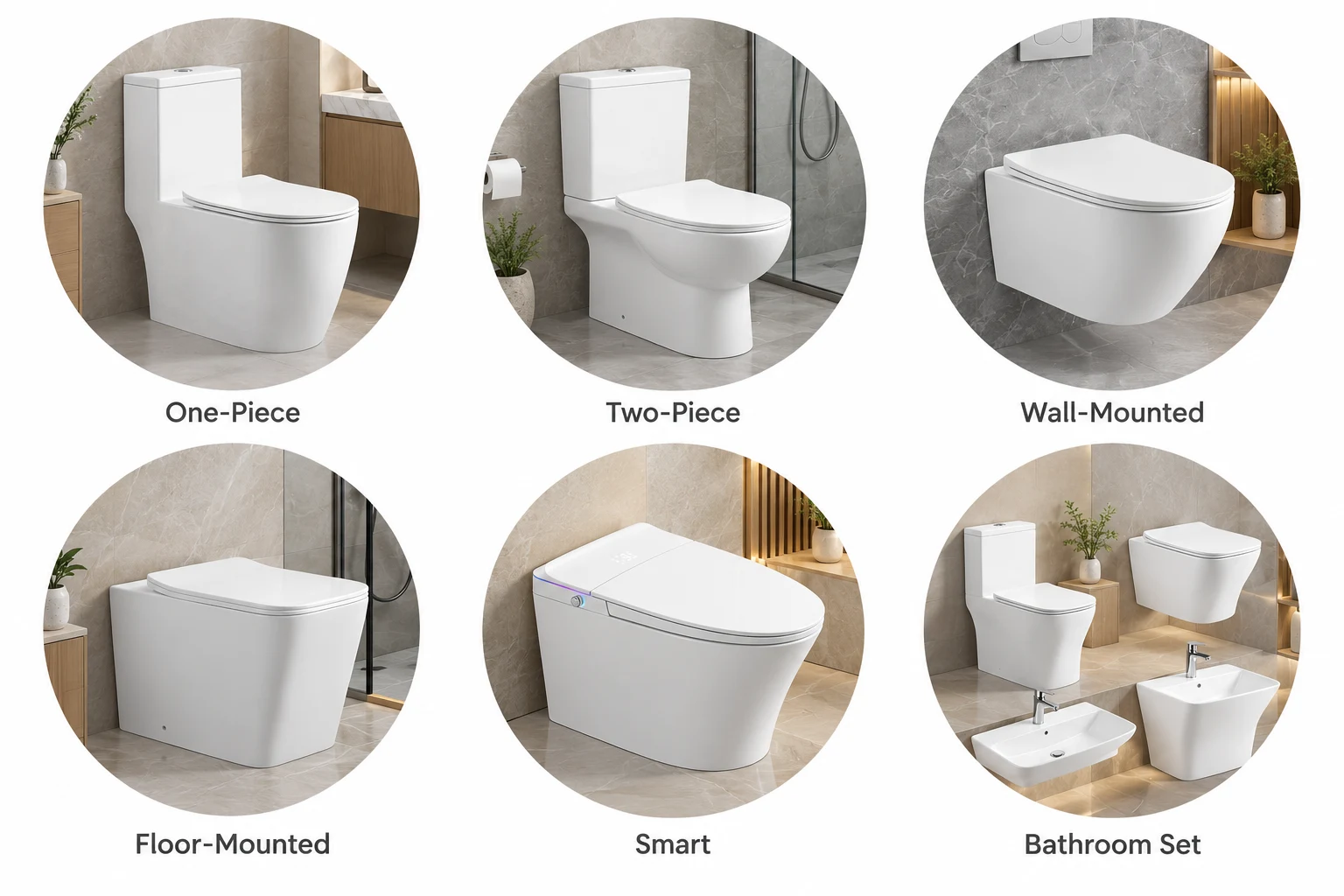
Common sourcing options include close-coupled toilet suites, back-to-wall suites, wall-faced pans and wall-hung toilets. These descriptions refer to different product arrangements, so confirm exactly what each quotation includes.
For example, a wall-hung pan quotation may exclude the concealed cistern and support frame. A toilet suite quotation may include the pan and cistern but offer different seat or valve options.
Request a complete supply list for every model. This helps prevent missing components from becoming additional costs after the order has been placed.
Confirm Installation Compatibility
An attractive design is only useful if it suits the intended installation.
Before selecting a model, review:
- S-trap or P-trap outlet configuration.
- Set-out dimensions and any available adjustment range.
- Water inlet position.
- Overall width, depth and height.
- Seat height and seat dimensions.
- Required connectors, fixings and other installation accessories.
- Cistern or support-frame compatibility, where applicable.
Ask for dimensioned drawings and confirm any assumptions with the professionals responsible for installation. Product photographs alone cannot establish compatibility.
Keep the Initial Range Manageable
A focused launch can make stock planning and after-sales support easier. Introducing too many models at once increases the number of seats, valves, cartons and replacement components your business may need to manage.
Start with products that serve distinct customer needs. Expand the collection once you have reliable sales information and a clearer understanding of which specifications customers prefer.
Check WaterMark and WELS Requirements for Your Brand
Understand What Each Scheme Covers
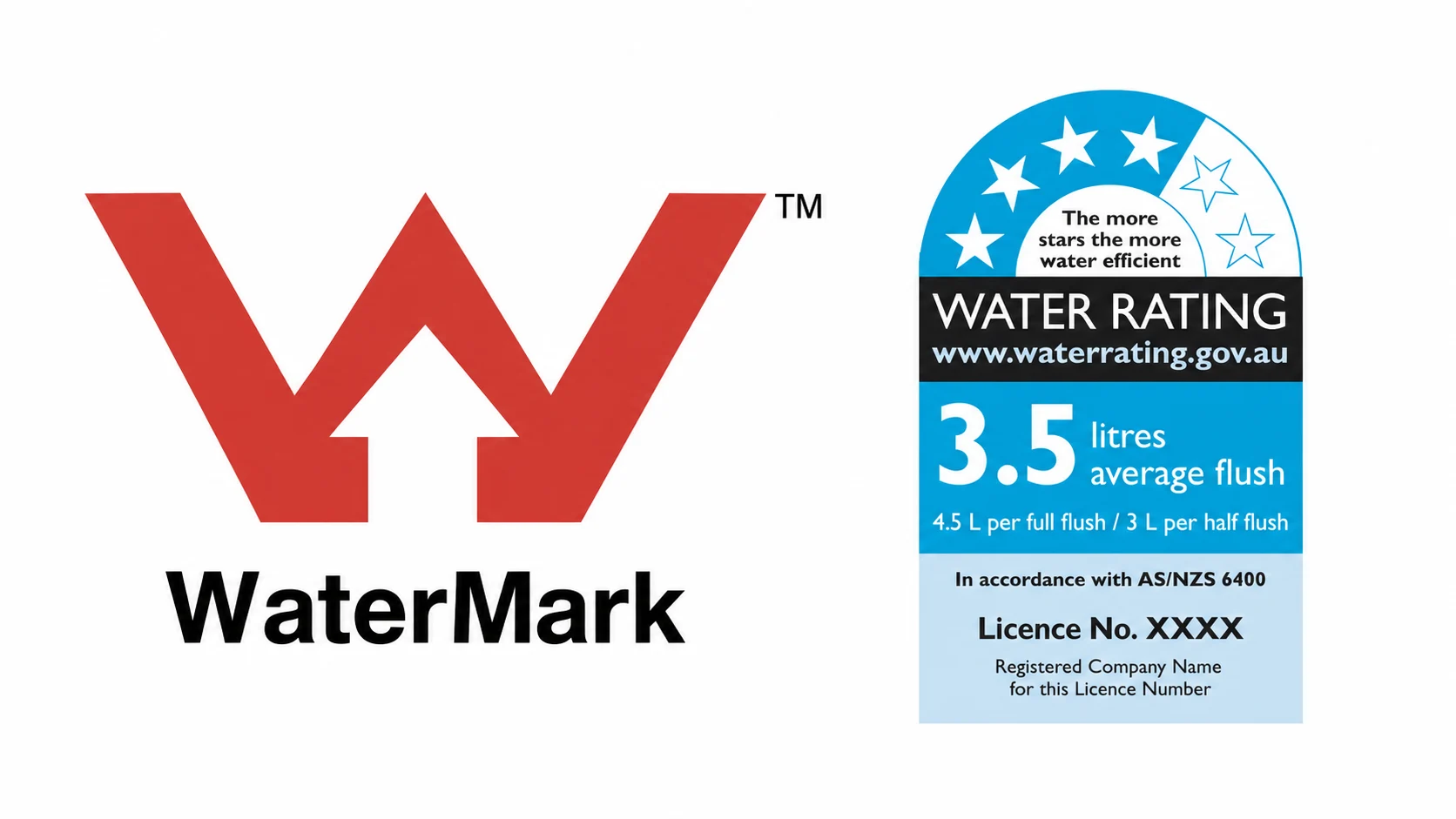
WaterMark and WELS serve different purposes. WaterMark concerns product certification for plumbing and drainage applications, while WELS addresses water efficiency registration and labelling.
For toilets, the WELS application process requires current WaterMark certification, relevant test reports and other supporting information. These requirements should be considered during product selection, before you commit to branded packaging or a launch date.
Verify the Specific Products You Plan to Buy
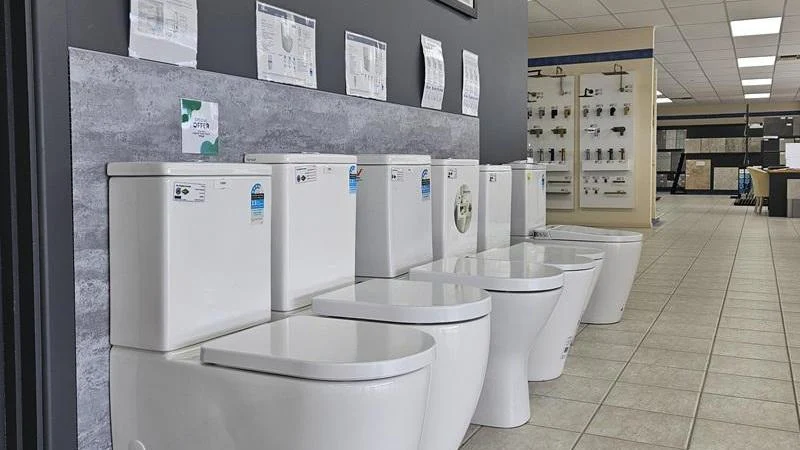
Wholesale WaterMark certified toilets should be assessed at the model level. A factory’s general statement that it produces certified products does not establish that every model in its catalogue is covered.
Ask the supplier for the relevant licence details and model references. Check the official WaterMark database and compare the listed information with the proposed product, drawings and configuration. The database supports searches using details such as licence number, model identification and brand name.
Keep a record of what you verified and ensure that the purchase specification describes the same product.
Confirm the Registration Arrangements for Your Own Brand
Do not assume that a manufacturer’s existing WELS registration automatically covers a product sold under your brand.
Official WELS guidance identifies brand as one of the features that requires a new application when it differs. Non-manufacturer applicants also need written permission from the manufacturer to register the products. Packaging brand and model names must match the registration information.
Before placing an order, agree on who will manage the application, provide supporting documents, pay the relevant fees and track registration status. Establish a clear connection between your sales model number and the factory’s product identification.
What Can Be Customised?
Brand Logos and Product Identification
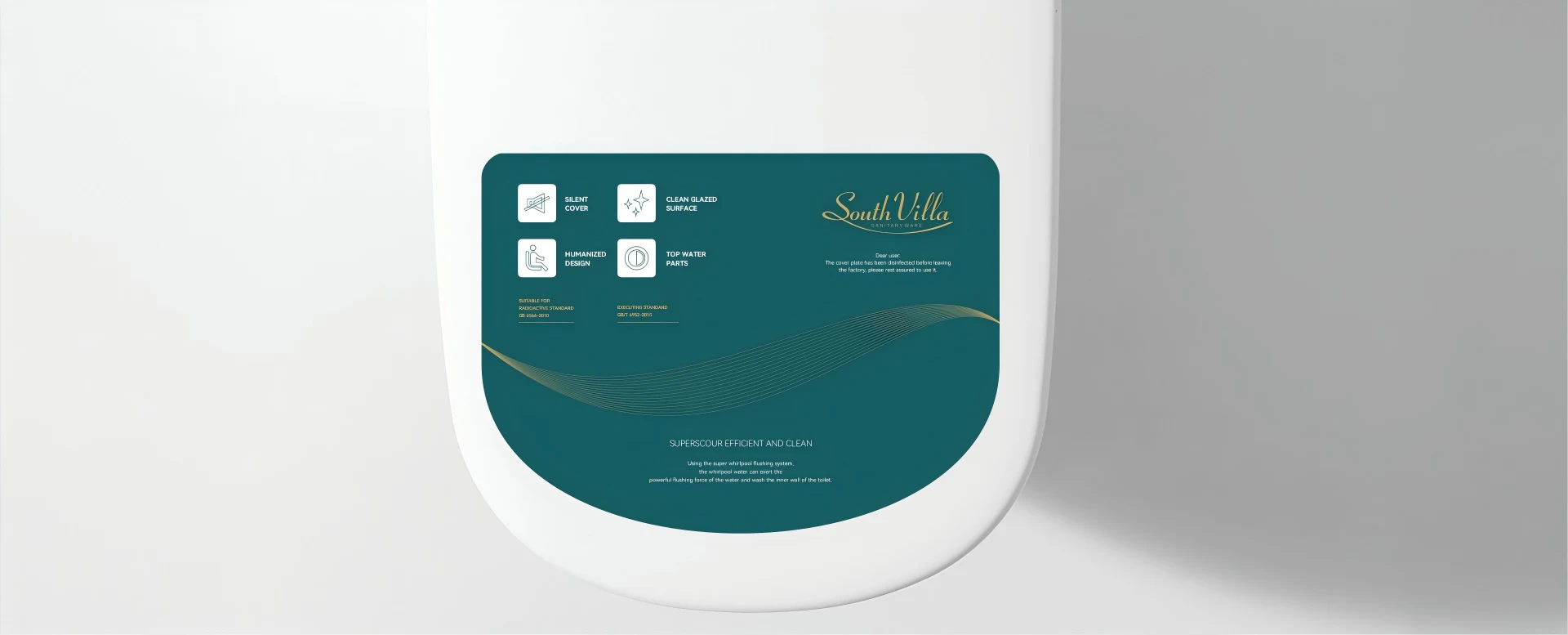
Logo placement is usually an early discussion in a branding project. Depending on the supplier’s capabilities, branding options may include the ceramic body, seat and packaging.
Request a sample showing the actual logo process, position and size. Check how it looks on the finished product and whether it remains clear after routine cleaning.
Product identification also deserves attention. Model codes and batch references help your team connect customer enquiries with the correct specification and replacement parts.
Seats, Buttons and Finishes
Available options may include seat materials, soft-close mechanisms, quick-release fittings, flush-button finishes and ceramic colours.
Approve the complete combination rather than reviewing each part in isolation.
Packaging and Customer Materials
Branded packaging should support transport, stock handling and customer recognition.
Consider carton artwork, model labels, barcodes, accessory identification and English installation materials. Internal protection should suit the ceramic product and the intended distribution route.
If your business sells online, discuss how orders will travel after reaching your warehouse. Packaging suitable for container transport may need further protection for individual customer deliveries.
Exclusive Designs and Tooling
If you require a distinctive shape or exclusive model, clarify the development terms before paying tooling fees.
Agree on:
- What the development fee includes.
- How samples will be reviewed and revised.
- Who owns and controls the moulds.
- Whether exclusivity applies to a region, channel or time period.
- What purchase commitments support that exclusivity.
- How design files and brand materials may be used.
Record these terms in writing so both parties understand the arrangement.
How to Evaluate a Chinese Manufacturer
Look for Relevant Experience
Ask about experience with comparable product types and Australian market requirements. Review the quality of the information provided: accurate drawings, clear component lists and traceable model references are more useful than broad assurances.
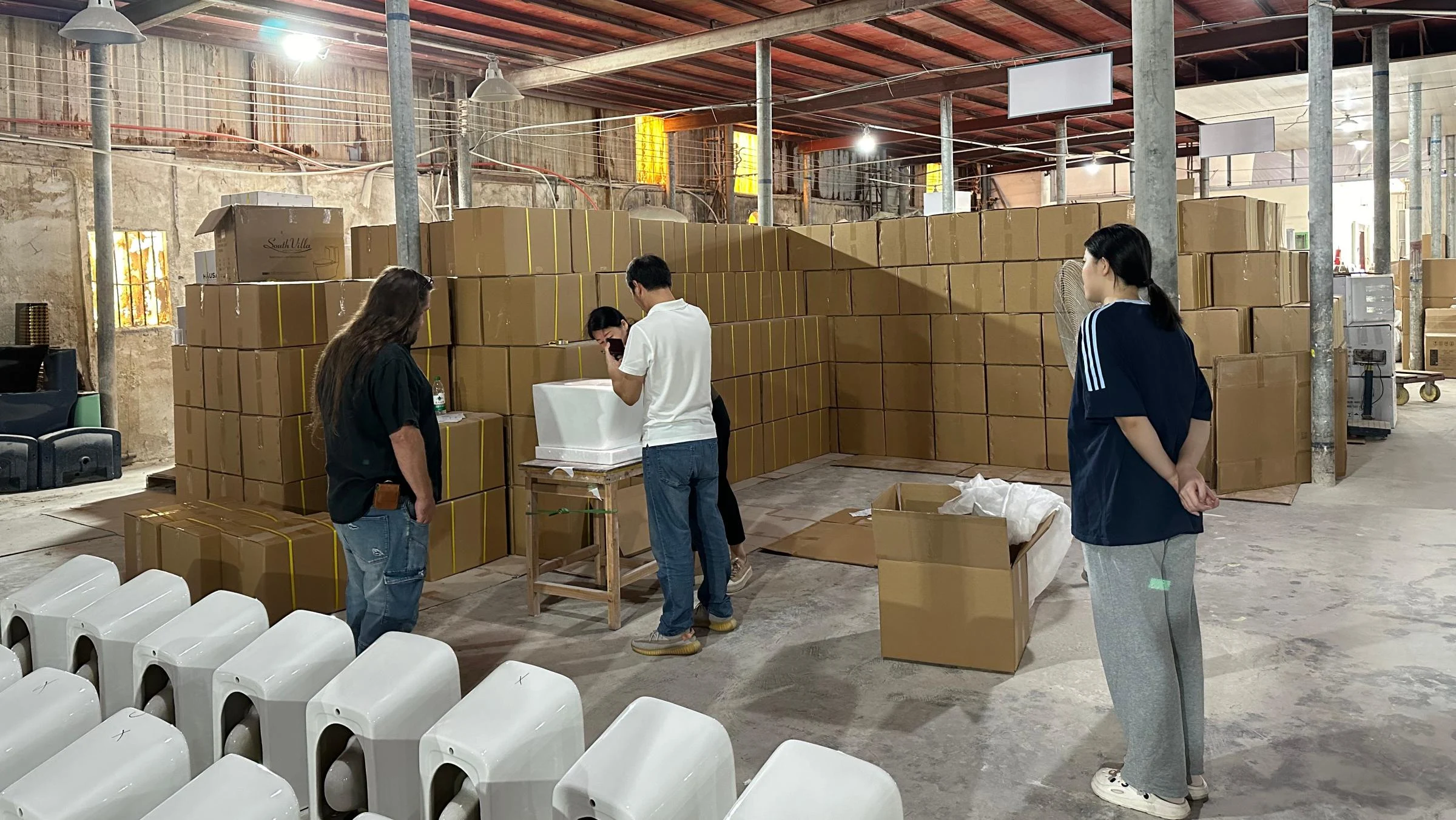
Where possible, arrange a factory visit, a live production review or an independent assessment appropriate to the size of the project.
Examine Quality Control Beyond Appearance
A smooth glaze and attractive shape are important, but they are only part of product quality.
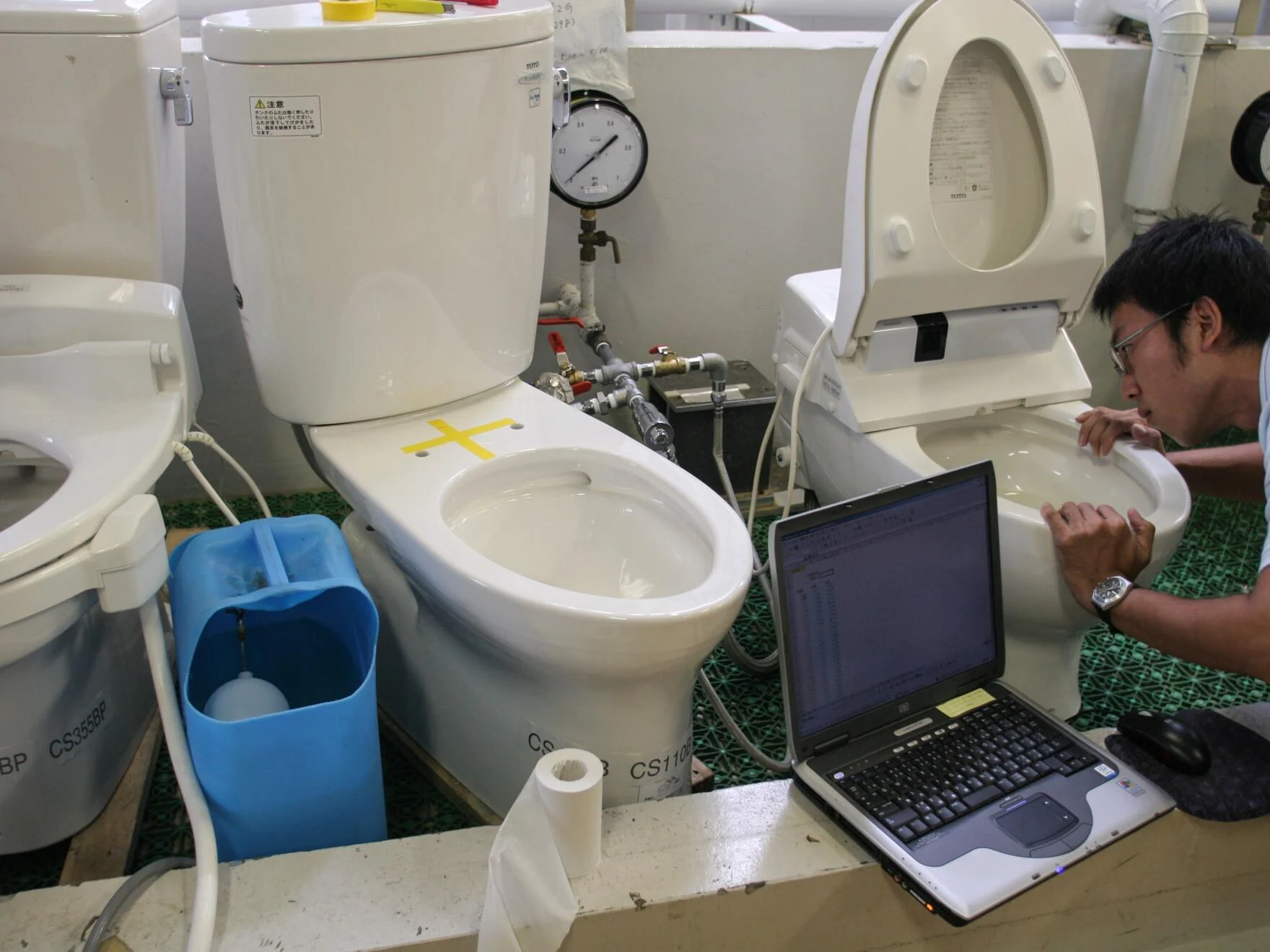
Discuss how the factory controls dimensions, ceramic defects, component fit, leakage and flushing performance. Ask which checks apply to every unit and which are performed through sampling.
Discuss how the factory controls dimensions, ceramic defects, component fit, leakage and flushing performance. Ask which checks apply to every unit and which are performed through sampling.
Also review how purchased components are managed. Stable ceramic production alone does not guarantee consistency if seats or valves change between orders.
Confirm Spare-Parts Support
Ask how you will obtain replacement seats, hinges, buttons, valves and seals.
Discuss part numbers, minimum replacement quantities, prices and expected availability. Agree on advance notice if a component or model will be discontinued.
Spare-parts planning helps protect the reputation of your brand after the original sale.
Compare MOQs, Lead Times and Total Landed Costs
Understand What Drives the Minimum Order
Minimum order quantities may differ for standard models, custom logos, printed cartons, special colours and newly developed designs.
Confirm whether the minimum applies per model, per colour or per order. If you want to combine products in one shipment, ask how mixed orders affect pricing and production planning.
For an initial launch, standard configurations may offer a more manageable starting point.
Compare Complete Quotations
Every quotation should identify the product configuration, included components, packaging, branding charges and delivery terms.
Also clarify sample fees, development costs, payment stages and quotation validity. When comparing suppliers, use the same scope and trade terms.
Calculate the Full Cost of Supply
Your budget should include more than the factory price. Allow for freight, insurance, applicable taxes and duties, clearance, local delivery, inspection, storage and spare parts.
Consider the cost of damaged stock and the time required to resolve customer issues. Ask your freight provider and customs adviser to calculate the charges applicable to the actual shipment.
The most useful comparison is the cost of receiving saleable products in your warehouse and supporting them afterwards.

Manage Samples, Production and Delivery
The approved sample should represent the product you expect to receive, including the seat, valves, accessories and branding.
Review it alongside the drawings and component list. Check dimensions, visible finish, seat fit, supplied parts and packaging. Confirm installation suitability under the intended conditions.
Keep a reference sample and the final specification so later batches can be assessed against an agreed standard.
Build a Reliable Long-Term Supply Programme
Once the first shipment arrives, use installation feedback, sales results and service enquiries to improve future orders.
Maintain a current specification for each model and require approval before changes are introduced. Track component availability, product documentation and relevant registration status.
Plan replenishment around actual demand, supplier lead times and stock coverage. Keep suitable spare parts available and review whether the range remains commercially useful.
A long-term programme for private label toilets works best when both sides share clear specifications, realistic forecasts and a consistent approach to quality.
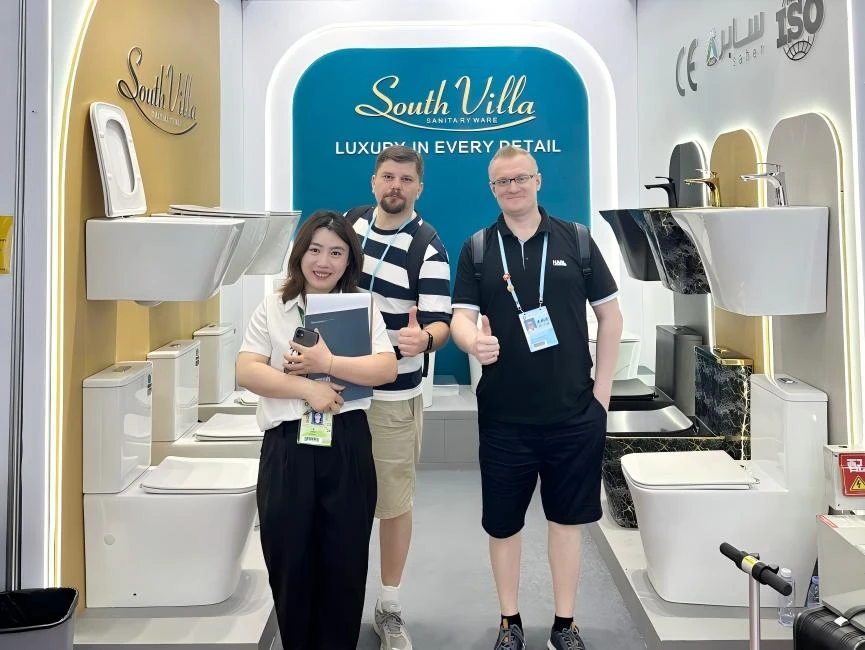
Über South Villa
South Villa ist ein Chinese private label toilet manufacturer supporting bathroom brands, importers and wholesalers with factory-direct supply and OEM/ODM services. From model selection to custom logos, branded packaging and component coordination, we help you develop private label toilets that fit your market and brand positioning.
Looking for Wholesale WaterMark certified toilets for Australia? Contact South Villa to discuss available models, certification documents, bulk pricing and delivery arrangements. Share your requirements to get a tailored sourcing proposal.