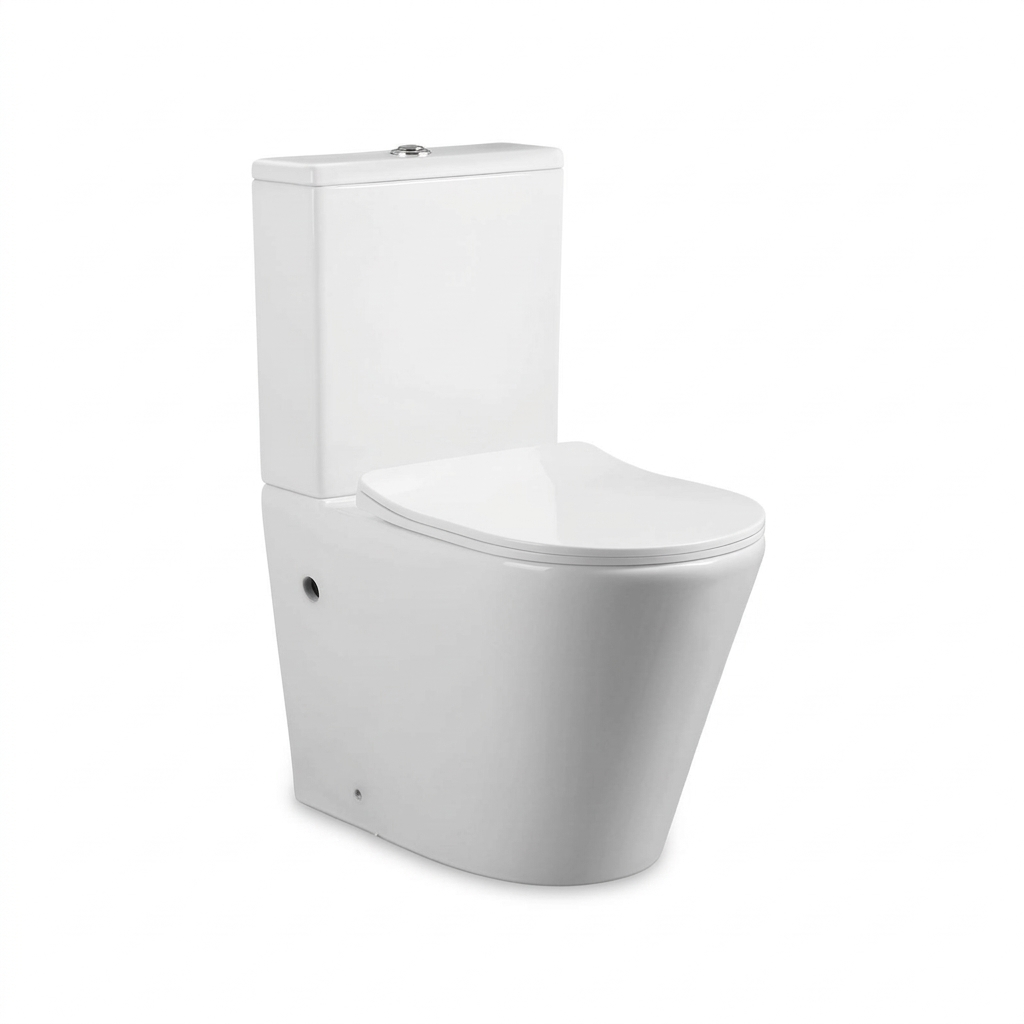






As global water conservation regulations become stricter and sustainability expectations continue rising, water efficiency has become one of the most important factors in modern toilet design and procurement. For wholesalers, distributors, contractors, and sanitary ware brands, understanding water efficiency standards is essential when sourcing products for residential, commercial, and hospitality markets.
Today’s buyers no longer focus solely on appearance and price. They increasingly demand toilets that reduce water consumption, meet environmental regulations, and maintain excellent flushing performance.
In this guide, we will explore the major water efficiency standards for modern toilets, explain the technical specifications behind them, and help B2B buyers understand what to look for when sourcing from a toilet manufacturer.
Why Water Efficiency Matters in Modern Toilet Design
Toilets account for a significant percentage of indoor water usage worldwide. In both residential and commercial buildings, toilets can consume nearly 30% of indoor water demand.
Improving toilet water efficiency provides several benefits:
Environmental Benefits
- Conserves freshwater resources
- Reduces strain on municipal water systems
- Supports green building certifications
Economic Benefits
- Lowers water utility bills
- Reduces long-term building operating costs
- Improves ROI for property developers
Regulatory Benefits
- Helps meet local plumbing codes
- Ensures compliance with sustainability standards
- Facilitates government project approvals
For developers and importers, sourcing water-efficient toilets from a reliable wholesale toilet supplier helps future-proof product offerings while meeting market demand.
Maximum Flush Volume Standards
Flush volume is measured in gallons per flush (GPF) or liters per flush (LPF).
Traditional Toilets
Older toilets often used: 3.5–7 GPF (13–26 LPF)
Modern Standard Toilets
Most modern regulations now require: 1.6 GPF (6 LPF) maximum
High-Efficiency Toilet (HET) Standards
High-Efficiency Toilets go beyond standard requirements.
Typical HET specification: 1.28 GPF (4.8 LPF) or less
Benefits include:
- 20% water savings compared to 1.6 GPF toilets
- Better sustainability credentials
- Increased appeal in eco-conscious markets
Ultra-High-Efficiency Toilet Standards
Advanced toilet models may offer: 1.0–1.1 GPF (3.8–4.2 LPF)
These are often used in:
- Luxury eco-residences
- Premium hospitality projects
- Government green procurement programs
Major International Toilet Water Certifications
Water efficiency alone is not enough—many markets require third-party certifications.
WaterSense (United States)WaterSense
The EPA WaterSense label is one of the most recognized certifications in North America.EPA WaterSense
Requirements:
- Maximum 1.28 GPF
- Must pass strict flushing performance tests
- Independent certification required
Benefits:
- Preferred by U.S. builders and retailers
- Often required in public projects
- Strong marketing advantage
Any toilet supplier exporting to the U.S. should understand WaterSense requirements.
WELS (Australia)
Australia’s Water Efficiency Labelling and Standards Scheme rates products based on efficiency.
Toilets receive:
- Star ratings
- Water consumption labels
Higher star ratings indicate:
- Better water savings
- Greater regulatory compliance
CE / EN Standards (Europe)
European markets often require compliance with:
- EN 997 toilet performance standards
- CE conformity where applicable
These standards evaluate:
- Flush performance
- Hygiene capability
- Water efficiency
Common Buyer Concerns About Water-Efficient Toilets
While water-saving toilets offer benefits, B2B buyers often have concerns when sourcing.
Do Lower Flush Toilets Sacrifice Performance?
Not necessarily.
Poorly designed low-flow toilets may struggle, but premium products from experienced toilet manufacturer partners use:
- Excellent washdown systems
- Engineered siphon systems
- Enlarged trapways
- Optimized bowl glazing
to ensure strong flushing even at low water volumes.
Are Water-Efficient Toilets More Expensive?
Initial manufacturing cost may be slightly higher due to:
- Better molds
- Improved flushing technology
- Certification testing
However, buyers gain:
- Higher resale value
- Regulatory compliance
- Long-term savings
How B2B Buyers Should Evaluate Water-Efficient Toilet Suppliers
Choosing the right manufacturing partner matters as much as choosing the right product.
Verify Certification Capabilities
Ensure the factory can provide:
- WaterSense reports
- WELS documentation
- EN/CE testing certificates
Review Flush Testing Data
Ask suppliers for:
- Flush performance reports
- Trapway testing results
- Waste removal testing benchmarks
Assess OEM/ODM Capabilities
A strong custom toilet manufacturer should offer:
- Private labeling
- Logo customization
- Packaging design
- Mold development
Evaluate Production Capacity
Bulk buyers should confirm:
- Monthly output
- Lead times
- Export logistics support
Reliable wholesale toilet supplier partners should support consistent large-volume production.
Why Partner with Us – an Experienced Toilet Manufacturer
When sourcing modern water-efficient toilets, partnering with an experienced supplier provides strategic advantages:
- Expertise in global certification requirements
- Advanced mold and flushing system development
- OEM/ODM customization services
- Strict quality control procedures
- Stable bulk manufacturing capability International export experience
As an established toilet manufacturer, we assist brands and distributors in launching competitive, regulatory-compliant products tailored to an ever-evolving market.