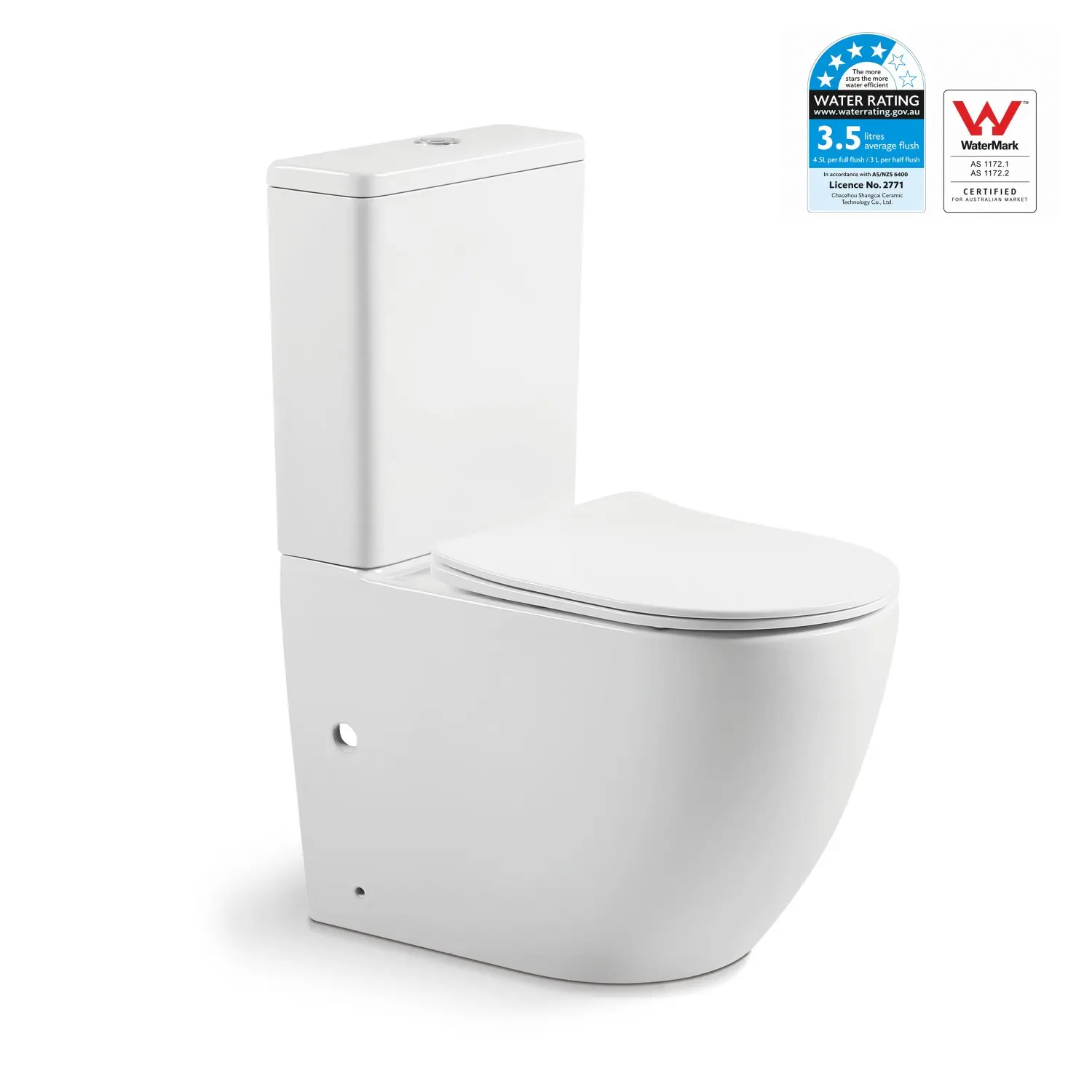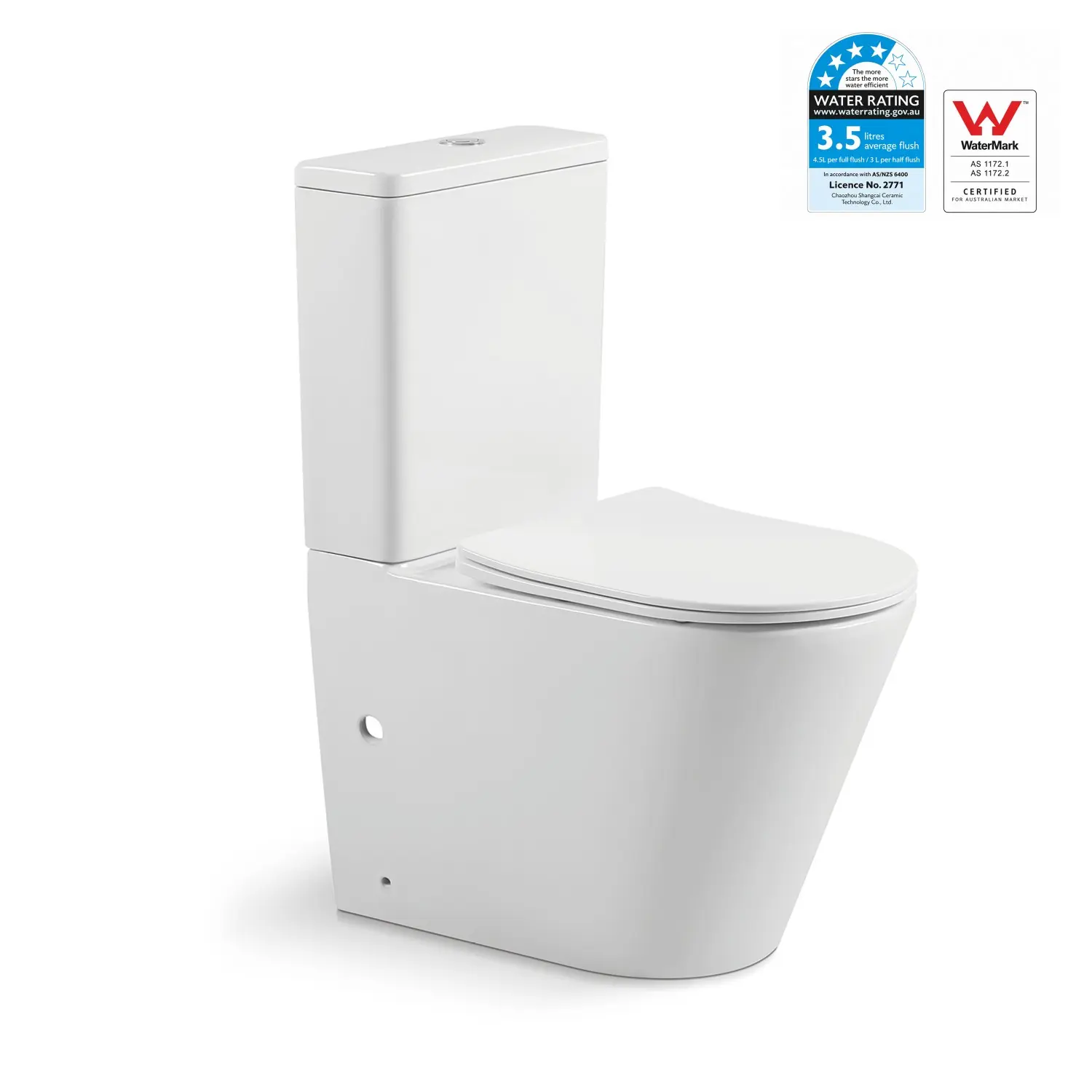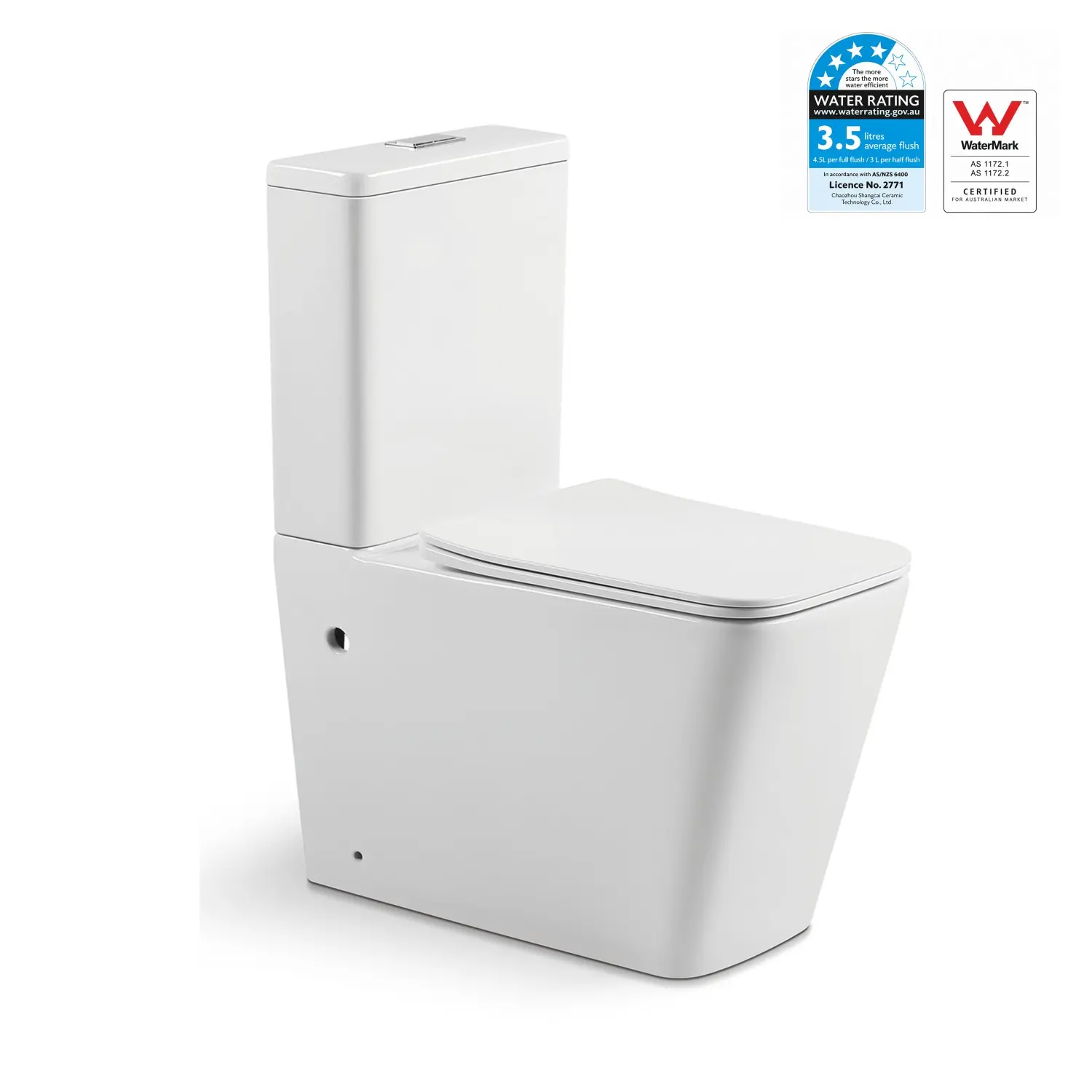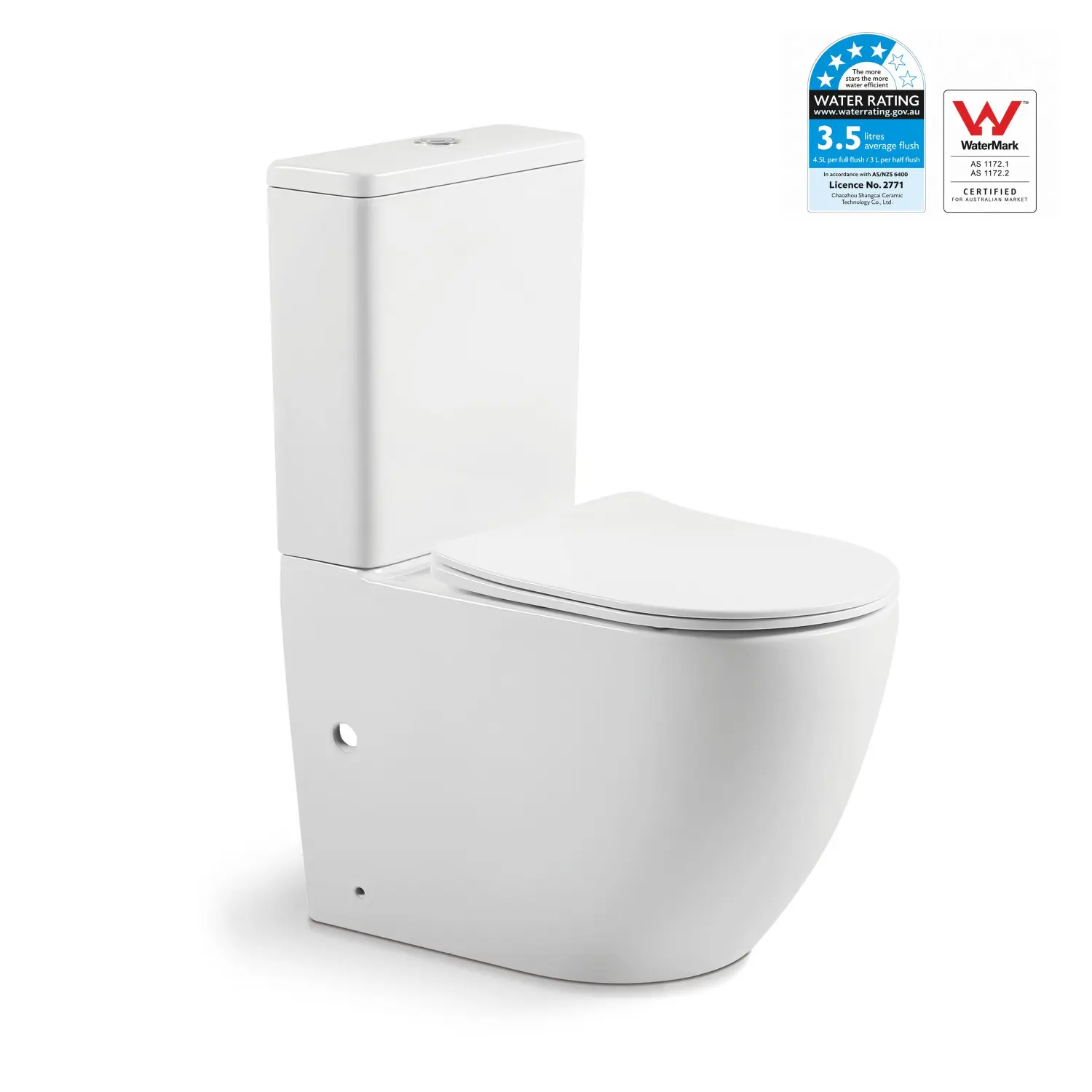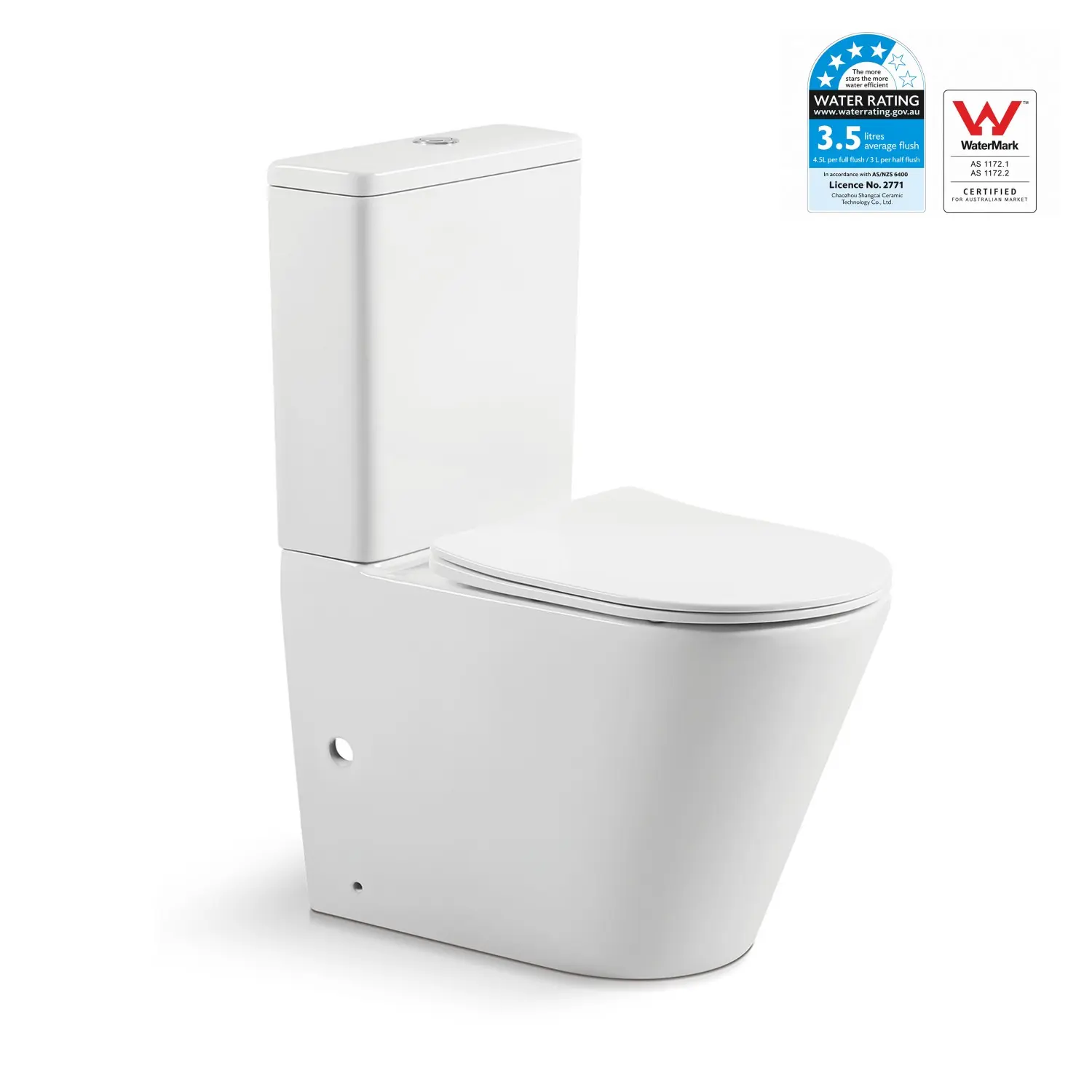
When choosing a toilet for a residential bathroom, hotel, apartment, or commercial project, buyers may come across many different toilet configurations. Two common options are back-to-wall toilets and close-coupled toilets. Although both are floor-mounted toilet types, their structures, cistern arrangements, appearance, and installation requirements are different.
What Is a Back-to-Wall Toilet?
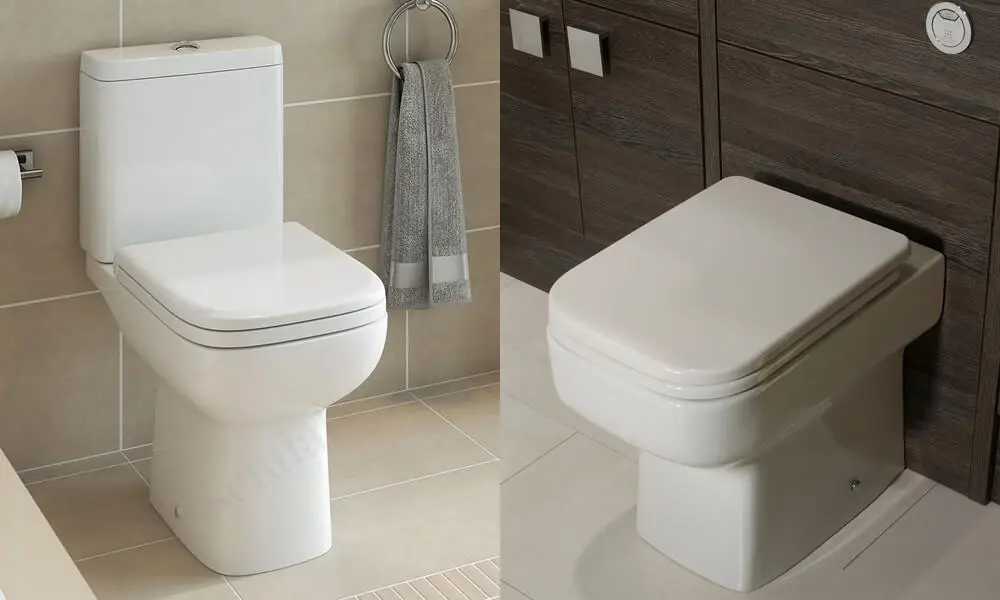
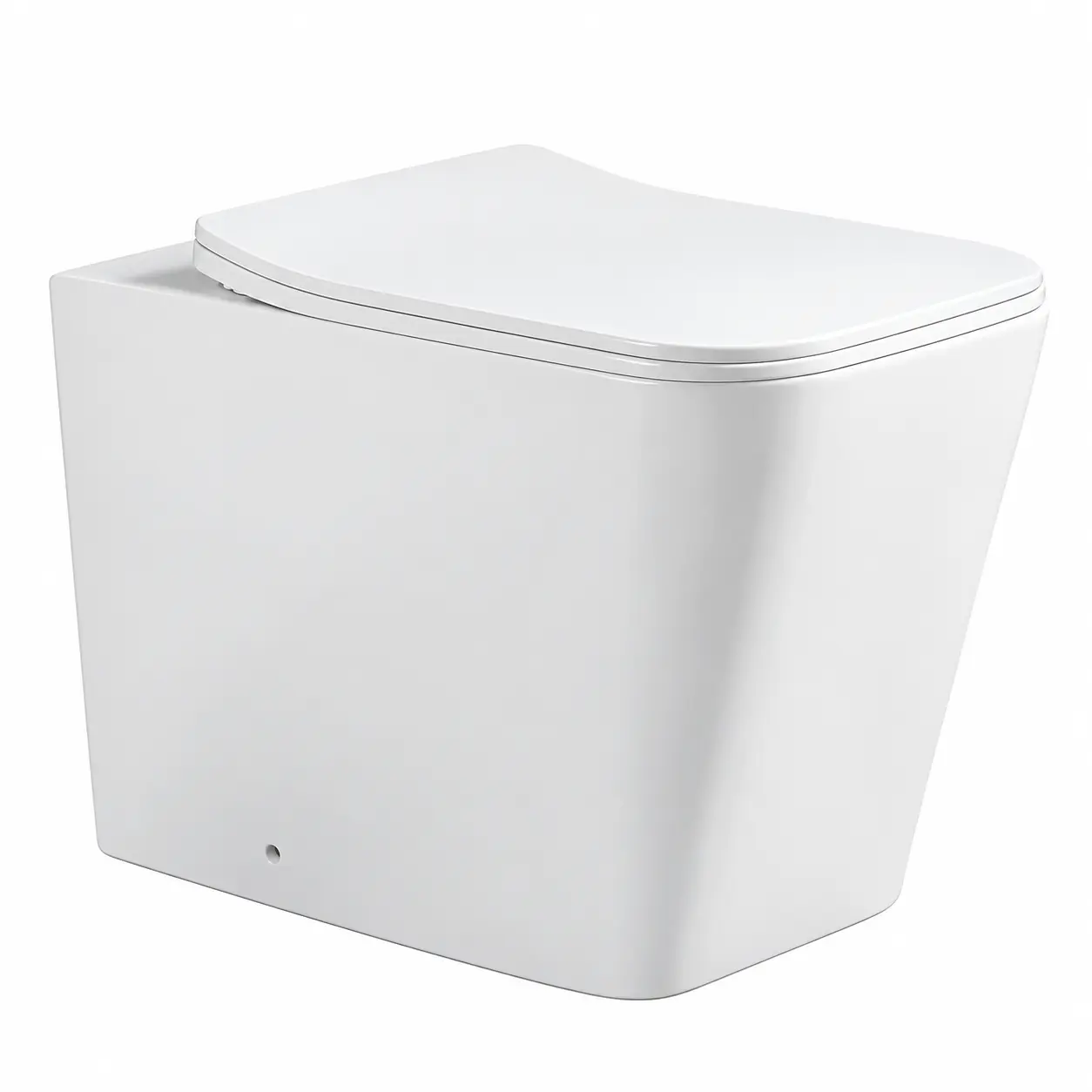
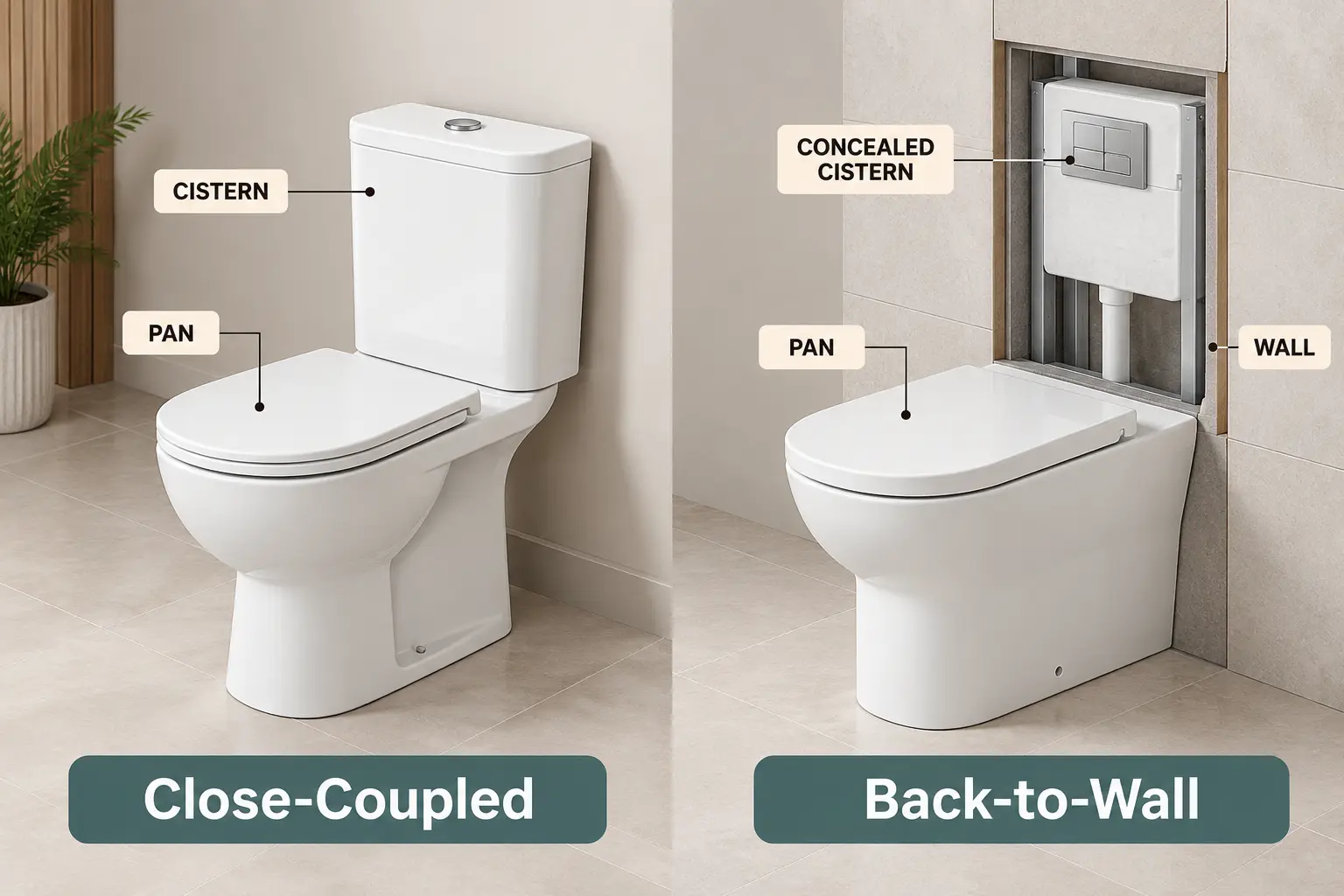
A back-to-wall toilet is a floor-mounted toilet designed to sit directly against the bathroom wall. The rear of the toilet pan is positioned close to the wall, creating a relatively seamless connection between the toilet and the surrounding bathroom space.
One of the main characteristics of this configuration is that the cistern is often concealed behind the wall or inside a dedicated furniture unit. Instead of having a visible tank sitting above the toilet pan, users generally see a cleaner toilet profile with only the flush plate or button exposed.
This design is particularly suitable for modern bathrooms where a streamlined appearance and efficient use of space are important. It can also make the area around the toilet easier to visually organize because there are fewer exposed components.
However, the exact installation method depends on the toilet model, concealed cistern, plumbing layout, and wall structure. Buyers should always check the manufacturer’s installation requirements before selecting a model.
What Is a Close-Coupled Toilet?
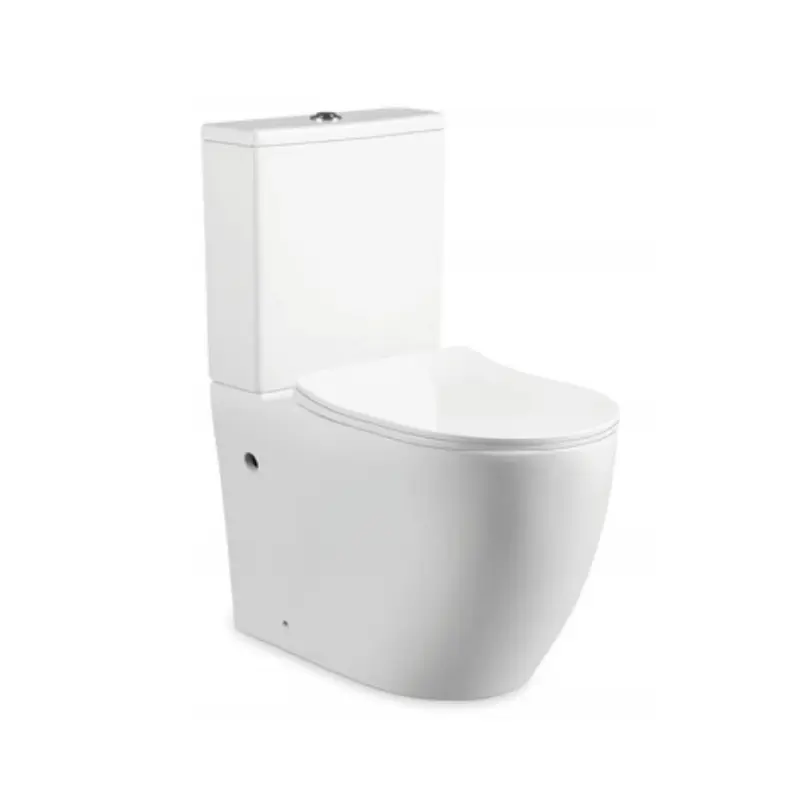
A close-coupled toilet is a floor-mounted toilet in which the cistern is directly connected to the toilet pan. The cistern normally sits immediately above and behind the bowl, creating a compact and familiar toilet configuration.
Because the cistern is directly attached to the toilet pan, most of the flushing mechanism is contained within the visible cistern. This makes the configuration relatively straightforward and allows users to access the cistern more directly for certain maintenance tasks.
Close-coupled toilets are widely used in residential bathrooms and various commercial applications. They are available in different shapes, including round, D-shaped, and elongated designs, depending on the market and manufacturer.
For distributors and retailers, close-coupled toilets can also be a practical product category because the configuration is familiar to many consumers and can be offered in a wide range of styles and specifications.
Back-to-Wall vs Close-Coupled Toilet: Key Differences
The biggest difference between these two toilet types is the position and configuration of the cistern.
A Back-to-Wall Toilet generally uses a concealed cistern, while a Close-Coupled Toilet normally has a visible cistern directly connected to the toilet pan. This structural difference affects appearance, installation, cleaning, maintenance, and bathroom planning.
Cistern Position
A Back-to-Wall Toilet commonly uses a concealed cistern installed behind the wall or within a furniture unit. A Close-Coupled Toilet has the cistern positioned directly above the toilet pan.
外観
Back-to-Wall Toilets generally provide a cleaner and more streamlined appearance because the cistern and some plumbing components are hidden. Close-Coupled Toilets have a more traditional appearance because the cistern remains visible.
インストール
Back-to-Wall Toilets can require additional planning because the concealed cistern and plumbing need to be properly integrated into the wall or furniture structure. Close-Coupled Toilets generally have a more straightforward floor-mounted configuration.
掃除
The smooth, wall-facing design of a Back-to-Wall Toilet can reduce exposed areas around the rear of the toilet. This may make some bathroom surfaces easier to wipe and maintain. Close-Coupled Toilets have more visible components around the cistern and connection area.
Which Toilet Takes Up Less Space?
Space is an important consideration when designing a small bathroom or compact commercial washroom.
A Back-to-Wall Toilet can create a visually compact installation because the cistern is concealed and the toilet sits close to the wall. However, the total space required still depends on the toilet dimensions, concealed cistern design, wall structure, and plumbing arrangement.
A Close-Coupled Toilet has a visible cistern, but its overall footprint can also be compact depending on the product design. Therefore, buyers should compare actual product dimensions instead of assuming that one configuration will always require less space.
Which Is Easier to Clean?
Cleaning requirements are another difference worth considering.
A Back-to-Wall Toilet usually has fewer visible components around the rear of the pan. Its smooth connection with the wall can create a cleaner visual appearance and may reduce some difficult-to-reach areas.
A Close-Coupled Toilet has a visible cistern and connection between the cistern and pan. These components are generally accessible, but there may be more surfaces that require regular cleaning.
The actual cleaning experience depends on the specific design, ceramic surface, installation quality, and bathroom layout.

Which Is Easier to Install and Maintain?
Close-Coupled Toilets generally have a straightforward configuration because the cistern is integrated directly with the toilet pan. This can make the basic installation process familiar to many installers.
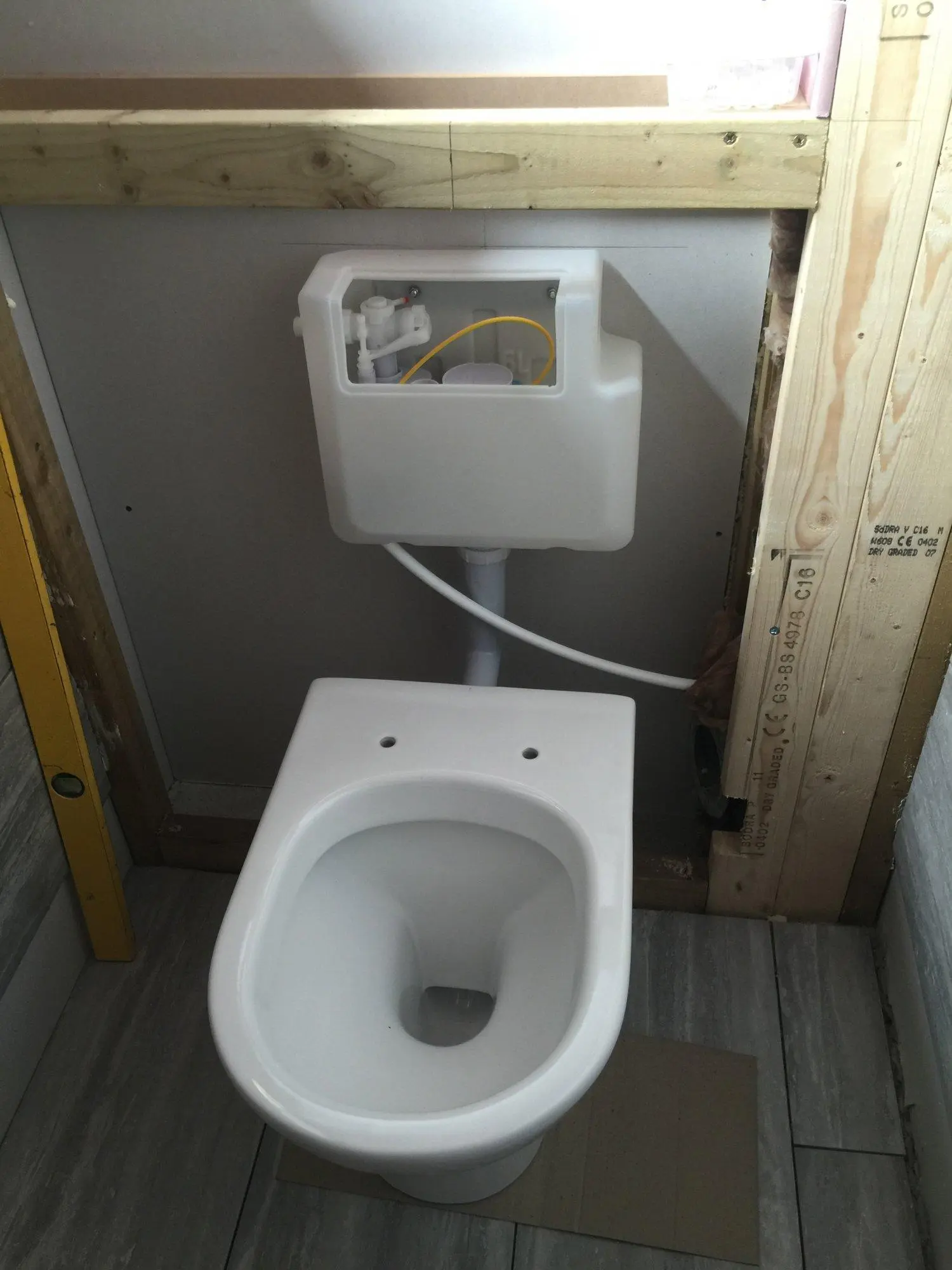
Back-to-Wall Toilets require more attention to the concealed cistern, plumbing connections, wall structure, and access for future maintenance. The concealed components need to be planned correctly before installation.
This does not mean that one configuration is universally easier to install. The difficulty depends on the product design, installation environment, plumbing system, and experience of the installer.
Back-to-Wall vs Close-Coupled Toilet: Which Should You Choose?
There is no single configuration that suits every bathroom or project. The right option depends on the design goals, installation conditions, available space, and maintenance requirements.
A Back-to-Wall Toilet may be suitable when the project requires a clean, modern appearance, a wall-facing installation, and a concealed cistern configuration. It can be particularly useful for contemporary residential bathrooms, hotel bathrooms, and renovation projects where visual simplicity is important.
A Close-Coupled Toilet may be suitable when a conventional floor-mounted configuration is preferred, direct cistern access is important, or the bathroom design is based around a visible toilet cistern.
For project buyers, the decision should also consider water efficiency, flushing performance, ceramic quality, dimensions, certifications, packaging, and supply capability.
What Should Buyers Consider When Sourcing These Toilets?
For distributors, retailers, developers, and bathroom project buyers, choosing the toilet type is only the first step. Product specifications and supplier capabilities are also important.
When sourcing Back-to-Wall or Close-Coupled Toilets, buyers can compare the following points:
- Product dimensions and installation requirements
- Cistern configuration and flushing system
- 水効率
- Ceramic quality and surface finish
- Available toilet shapes and designs
- 市場別認証
- OEM and ODM capabilities
- MOQ and production capacity
- Packaging and container loading
- After-sales support and warranty
For distributors looking for 卸売トイレ, working directly with an experienced manufacturer can also simplify product selection, customization, quality control, and order management.
Back-to-Wall and Close-Coupled Toilets for Different Projects
Both configurations can be used in different types of bathroom projects, depending on the product design and installation requirements.
住宅用バスルーム
Back-to-Wall Toilets can complement modern bathroom designs, while Close-Coupled Toilets can provide a familiar and practical configuration.
Hotels and hospitality projects
Design consistency, cleaning requirements, durability, and water efficiency can all be considered when selecting toilets for hospitality applications.
Apartment developments
Developers may need to balance product appearance, installation requirements, budget, and supply consistency across multiple bathrooms.
Commercial and renovation projects
For renovation projects, existing plumbing, bathroom dimensions, and installation conditions should be checked before selecting a toilet configuration.
結論
The main difference between a Back-to-Wall Toilet and a Close-Coupled Toilet is the way the toilet pan, cistern, and wall are arranged. A Back-to-Wall Toilet generally uses a concealed cistern and creates a streamlined wall-facing appearance, while a Close-Coupled Toilet normally has a visible cistern directly connected to the toilet pan.
For homeowners, distributors, and project buyers, the choice should be based on the actual bathroom layout, installation conditions, desired appearance, maintenance requirements, and product specifications.