






في السنوات الأخيرة، سرعان ما أصبحت المراحيض الذكية من أكثر التحديثات شيوعًا في الحمامات الحديثة. فبعد أن كانت تُعتبر في السابق منتجًا فاخرًا لا يُستخدم إلا في الفنادق الفاخرة أو الشقق الراقية، أصبحت المراحيض الذكية تُستخدم الآن على نطاق واسع في المنازل والمشاريع التجارية وأماكن الضيافة في جميع أنحاء العالم.
بالنسبة لأصحاب المنازل، توفر المراحيض الذكية تجربة يومية أكثر نظافة وراحة. أما بالنسبة لتجار الجملة والموزعين والمقاولين ومشتري الفنادق والعلامات التجارية للأدوات الصحية، فإن المراحيض الذكية تمثل فئة منتجات عالية القيمة تتمتع بطلب قوي في السوق وإمكانيات ممتازة للتطوير.
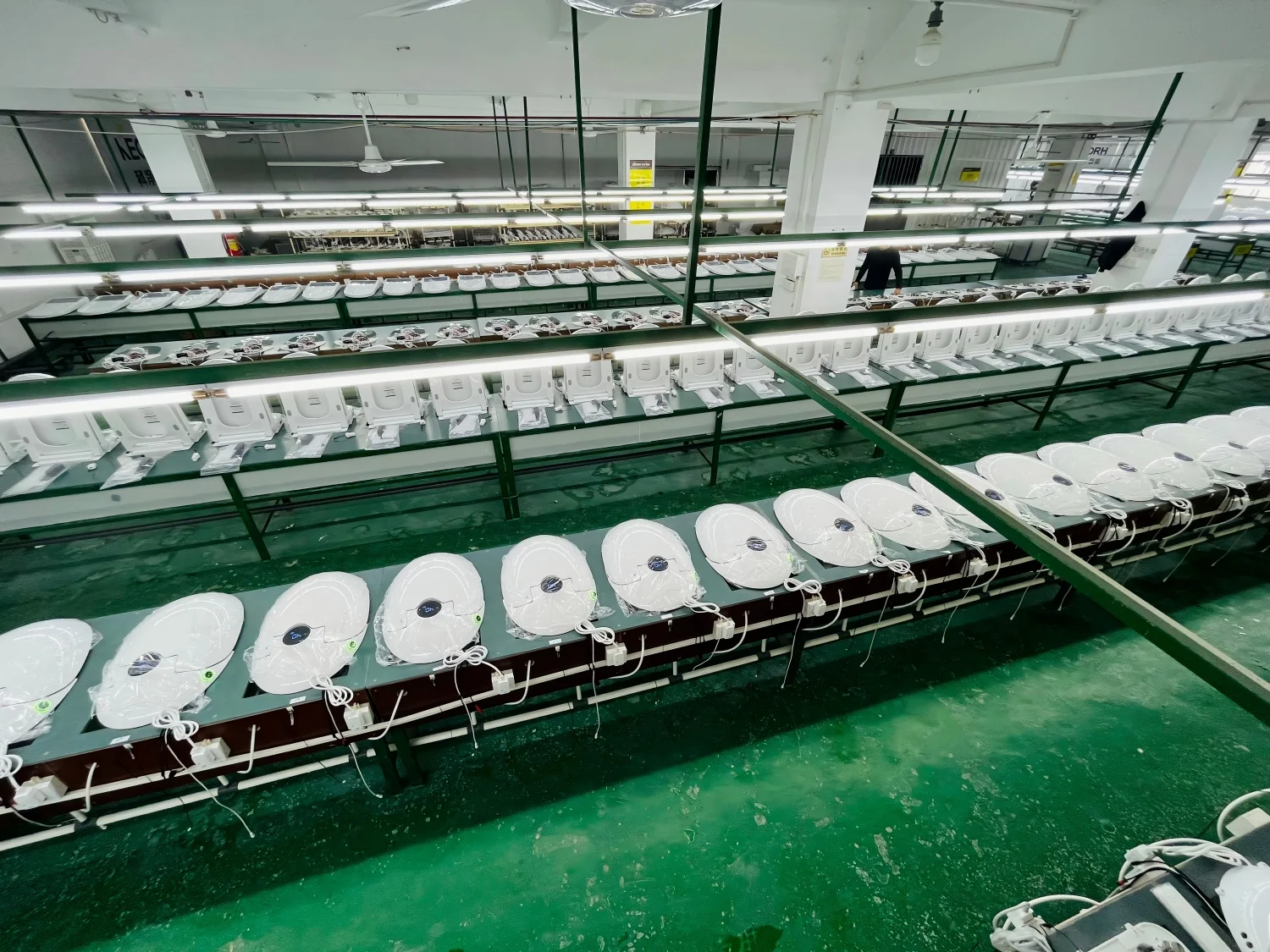
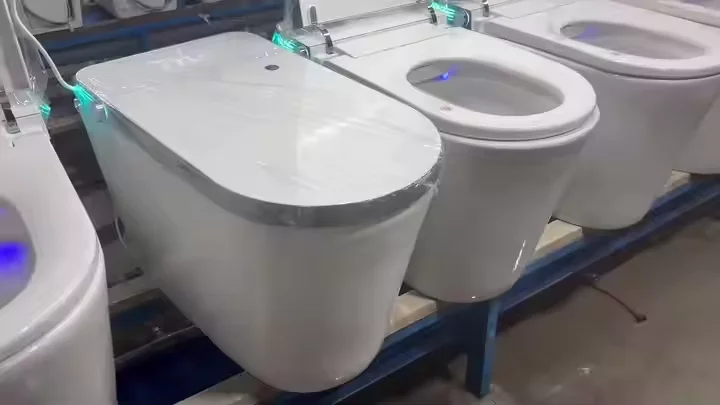
بصفتها شركة رائدة شركة مصنعة للمراحيض الذكية في الصين, ، سأقدم لكم الوظائف ومبادئ التشغيل والخصائص المميزة للمراحيض الذكية.
ما هو المرحاض الذكي؟
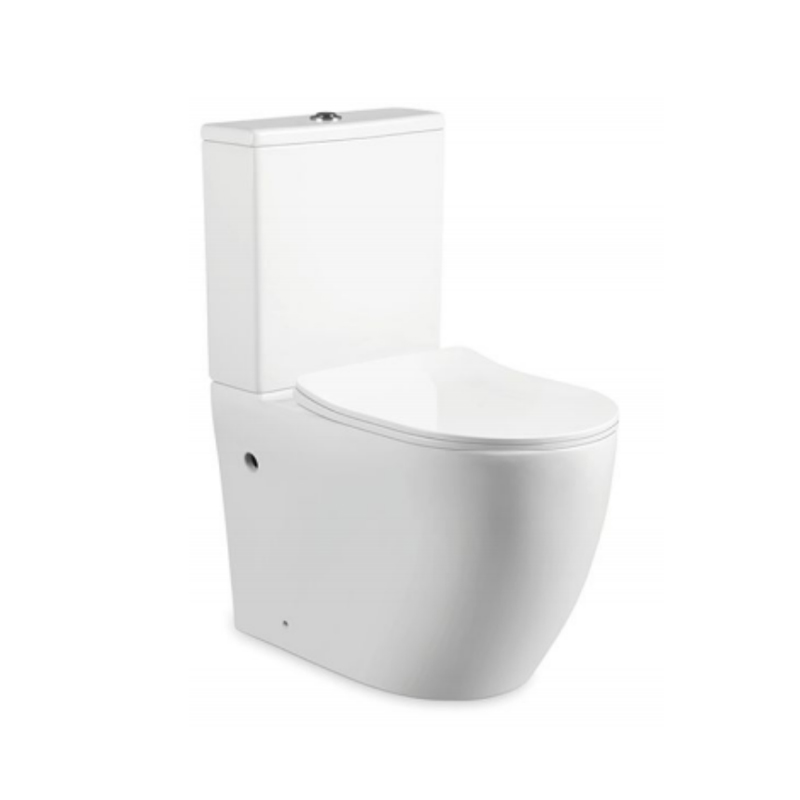
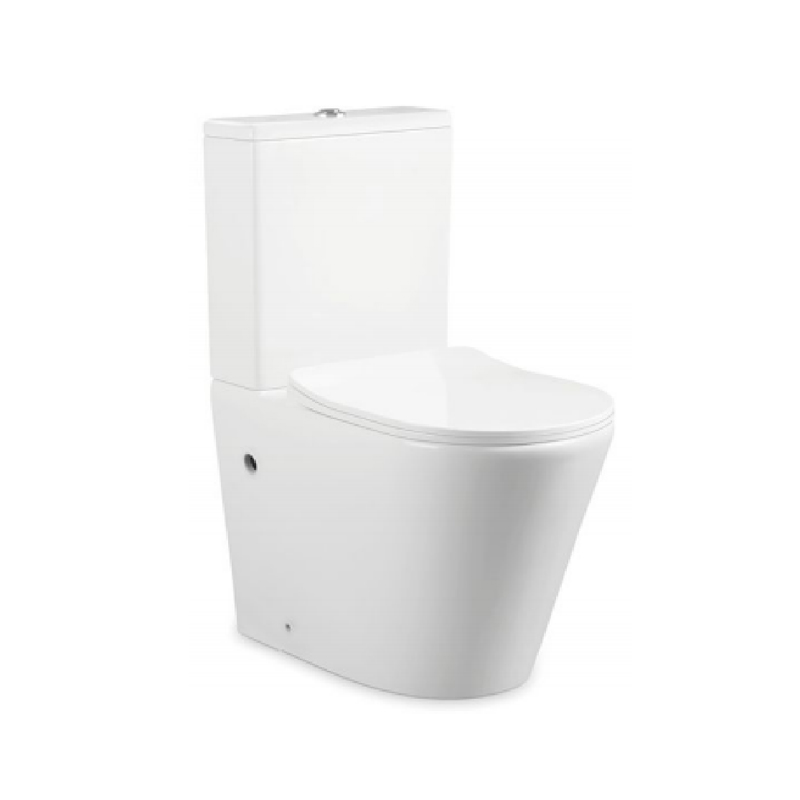
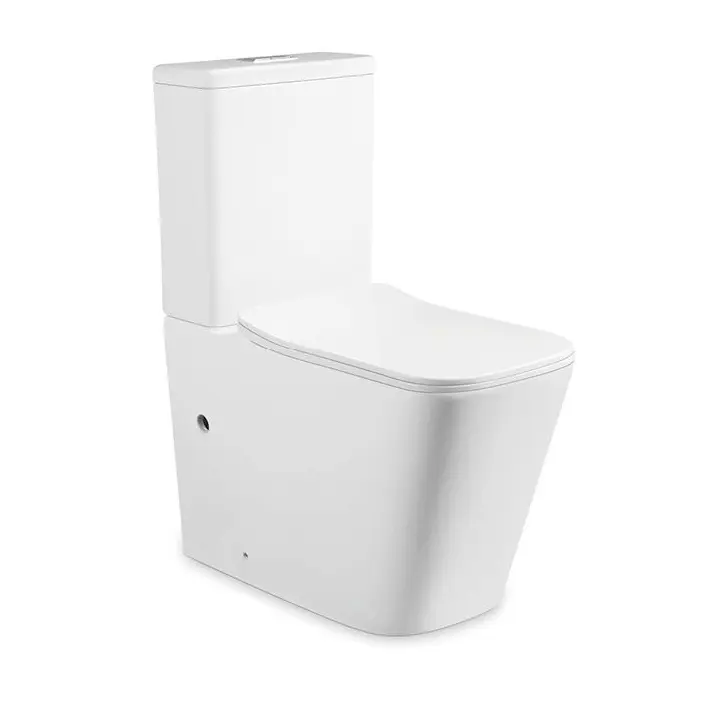
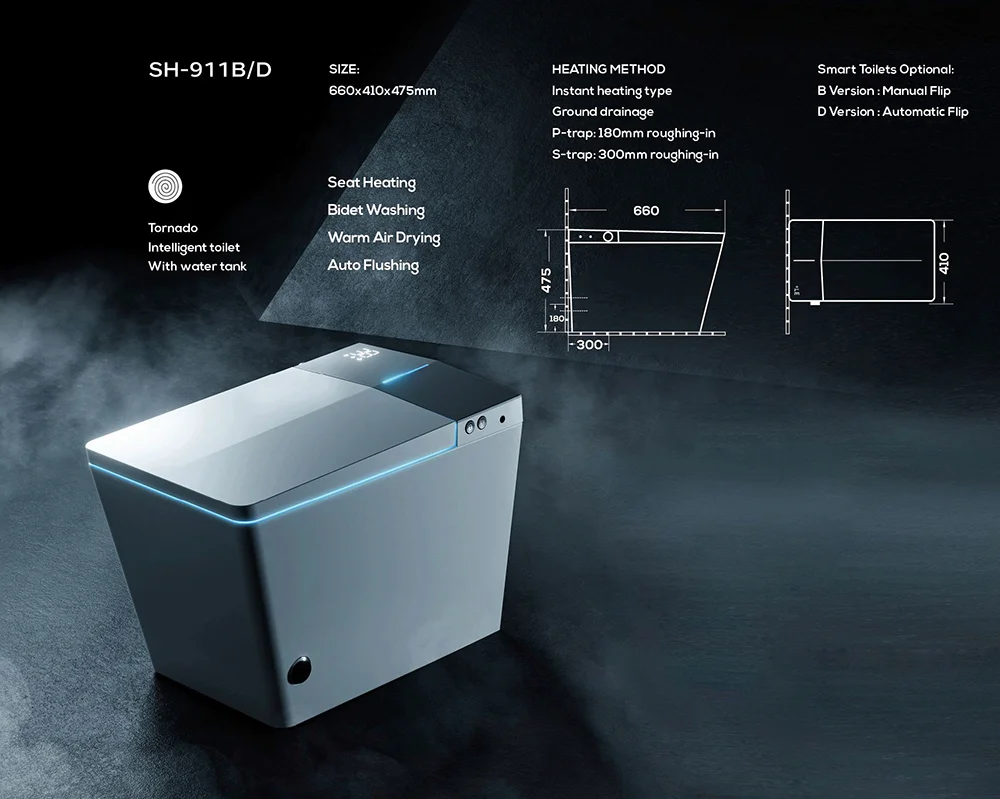
المرحاض الذكي هو مرحاض متطور مزود بوظائف إلكترونية مصممة لتحسين النظافة والراحة والملاءمة وكفاءة استخدام المياه. ووفقًا للطراز، قد يشتمل المرحاض الذكي على وظائف مثل الشطف التلقائي، والغسل بالبيديه، والمقعد المدفأ، والتجفيف بالهواء الدافئ، وإزالة الروائح الكريهة، والإضاءة الليلية، والتحكم عن بُعد، والتشغيل بواسطة المستشعرات، ووظائف التنظيف الذاتي.
بالمقارنة مع المرحاض الخزفي العادي، فإن المرحاض الذكي هو أكثر من مجرد قطعة من تجهيزات الحمام. إنه نظام نظافة ذكي متكامل. تجمع العديد من الطرازات بين حوض المرحاض، والبيديت الإلكتروني، وغطاء المقعد، ولوحة التحكم، ونظام الشطف، ومكونات الحماية والسلامة في وحدة حديثة واحدة.
تُستخدم المراحيض الذكية عادةً في:
- الحمامات السكنية
- شقق فاخرة
- الفنادق والمنتجعات
- مباني المكاتب
- مراكز التسوق
- المرافق الصحية
- مساكن كبار السن
- مشاريع التجديد الفاخرة
نظراً لما توفره من فائدة عملية وتجربة مستخدم متميزة، تزداد شعبية المراحيض الذكية في أسواق الحمامات العالمية.
الوظائف الأساسية للمرحاض الذكي
التنظيف التلقائي
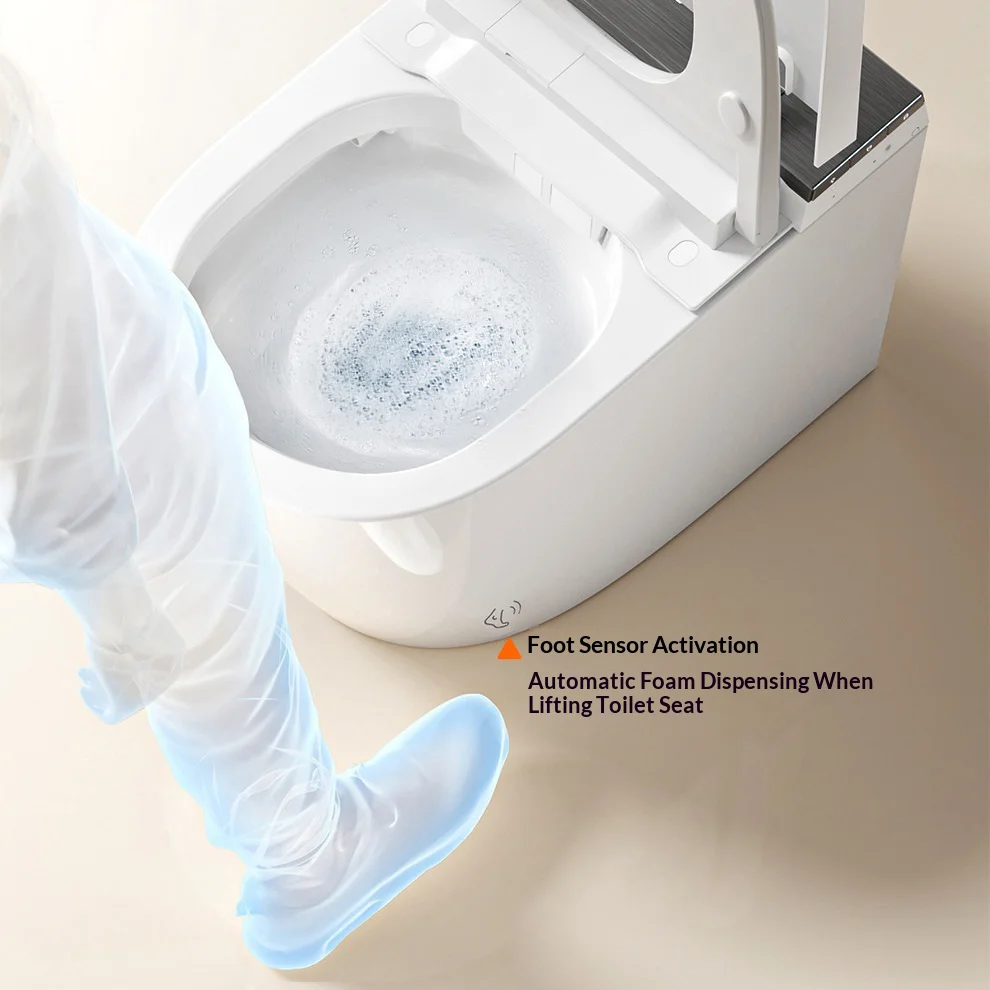
تعد ميزة الشطف التلقائي من أكثر وظائف المراحيض الذكية شيوعًا. حيث يمكن للمرحاض أن يكتشف لحظة مغادرة المستخدم للمقعد ويقوم بالشطف تلقائيًا دون الحاجة إلى أي تدخل يدوي.
وهذا يحسن مستوى النظافة، حيث لا يحتاج المستخدمون إلى لمس زر الشطف. ويعد هذا الأمر مفيدًا بشكل خاص في الحمامات العامة والفنادق والحمامات التجارية، حيث يستخدم العديد من الأشخاص نفس المرافق يوميًا.
توفر بعض المراحيض الذكية أيضًا أوضاع شطف مختلفة، مثل الشطف الكامل والشطف النصفي، مما يساعد على تقليل الاستهلاك غير الضروري للمياه.
وظيفة الغسل بالبيديت
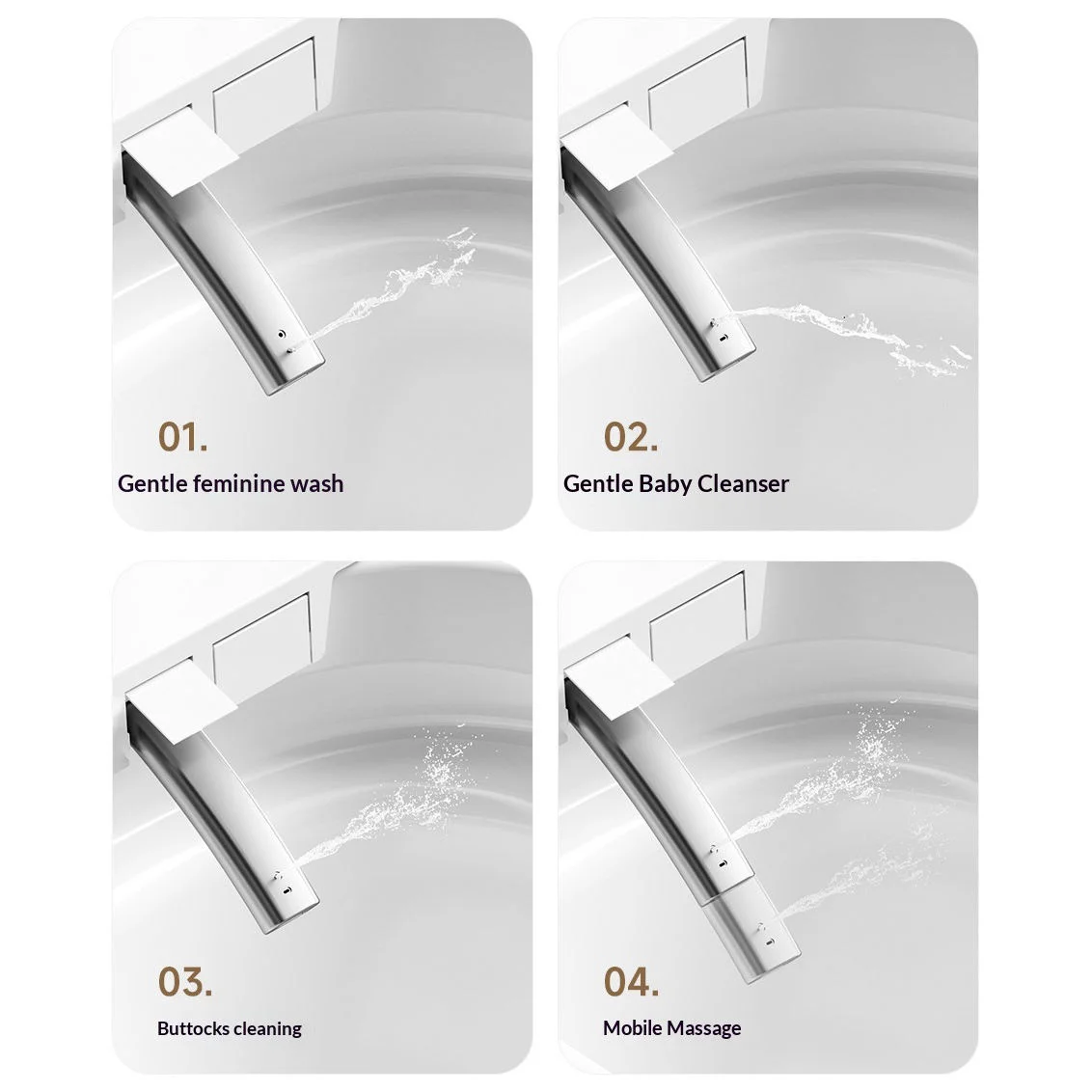
يُعد نظام الغسل المدمج أحد أهم ميزات المرحاض الذكي. فبدلاً من الاعتماد على ورق التواليت فقط، يمكن للمستخدمين تنظيف أنفسهم بتيار مائي لطيف.
تشمل أوضاع الغسيل الشائعة ما يلي:
- غسيل الزجاج الخلفي
- غسول نسائي
- الغسيل المتحرك
- غسول للتدليك
- ضغط مياه قابل للتعديل
- وضع فوهة قابل للتعديل
- درجة حرارة مياه قابلة للتعديل
تساهم هذه الميزة في تحسين النظافة الشخصية وتوفير تجربة أكثر راحة في الحمام. وفي الأسواق التي يشهد فيها استخدام شطافات الحمام انتشارًا متزايدًا، يمكن الترويج للمراحيض الذكية باعتبارها بديلاً عصريًا وصحيًا وصديقًا للبيئة عن المراحيض التقليدية.
مقعد مدفأ
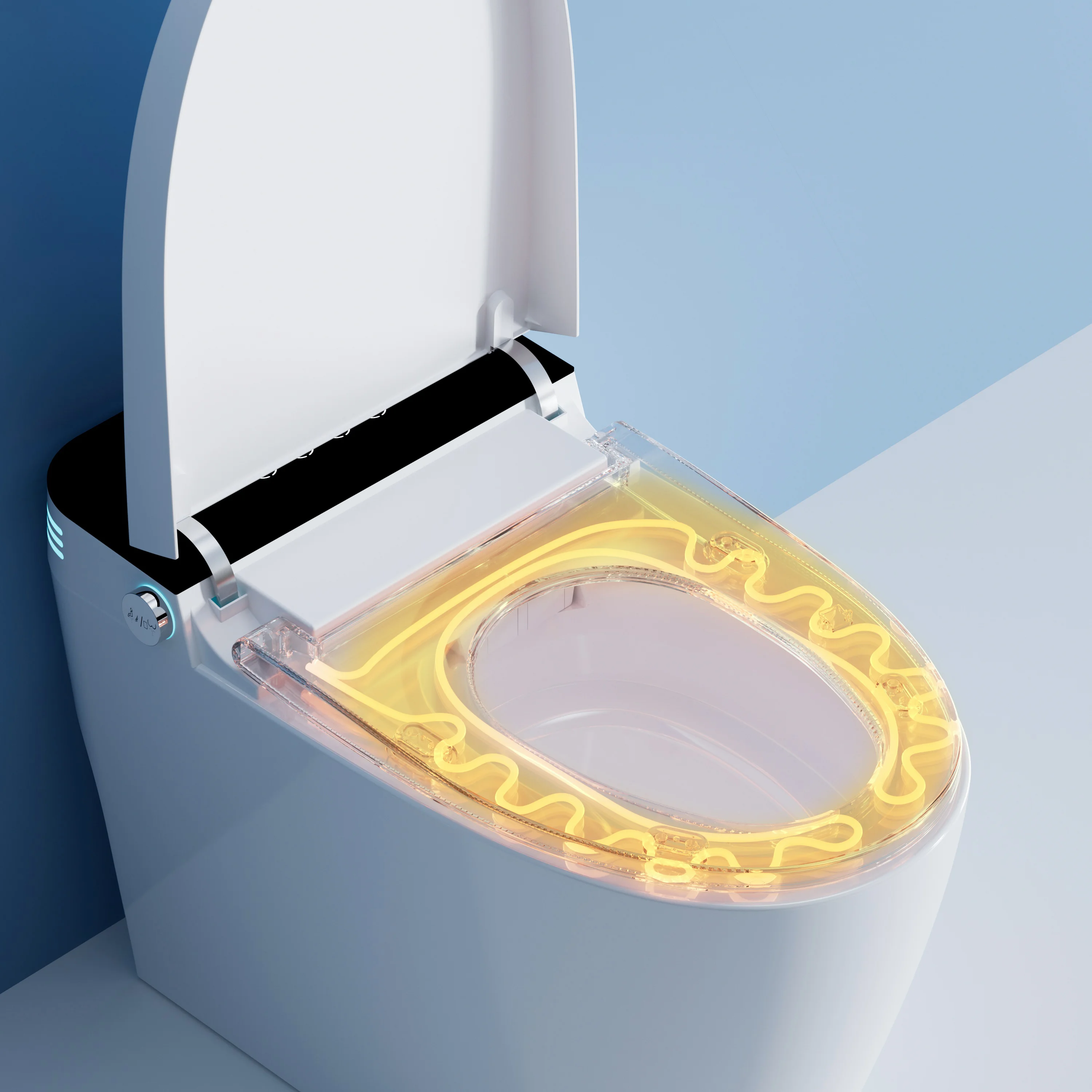
يوفر مقعد المرحاض المدفأ الراحة، لا سيما في المناخات الباردة أو خلال فصل الشتاء. ويمكن للمستخدمين عادةً ضبط درجة حرارة المقعد وفقًا لتفضيلاتهم الشخصية.
بالنسبة للفنادق والشقق والمشاريع السكنية الفاخرة، تضفي المقاعد المزودة بنظام التدفئة طابعًا من الفخامة وتزيد من رضا العملاء. هذه الميزة بسيطة، لكنها غالبًا ما تترك انطباعًا قويًا لأن المستخدمين يشعرون بالراحة على الفور.
التجفيف بالهواء الدافئ
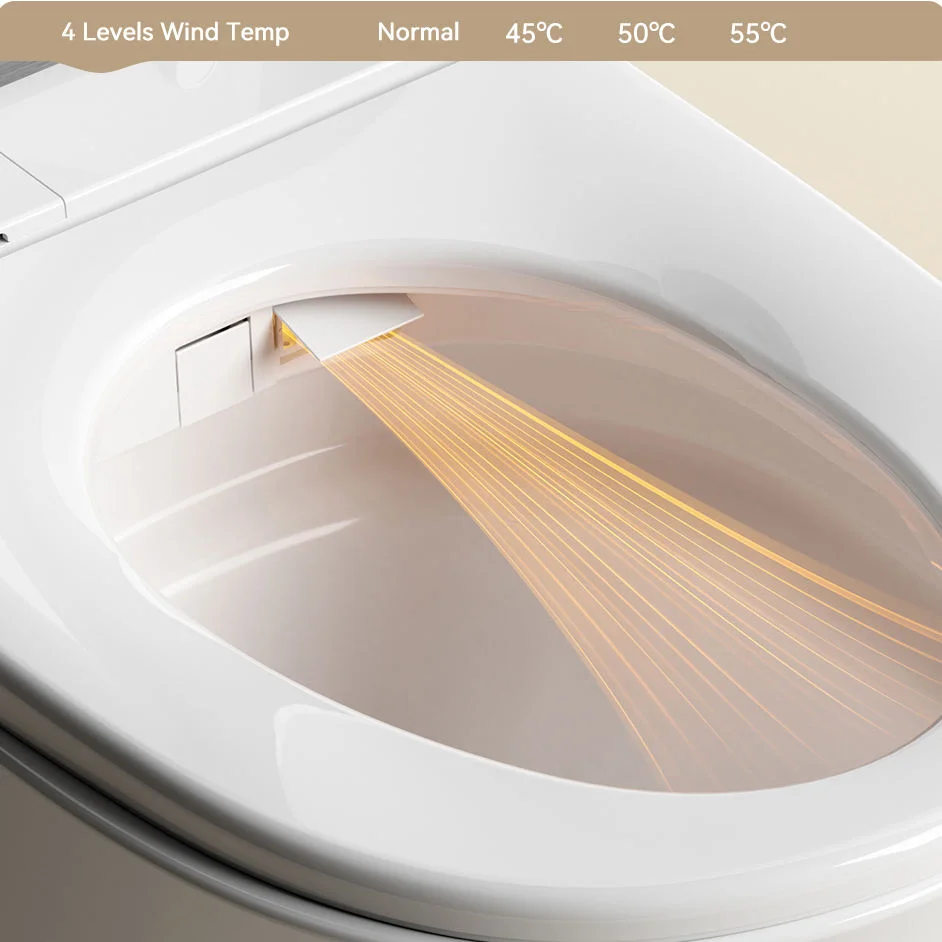
تشتمل العديد من المراحيض الذكية على مجفف هواء دافئ يساعد المستخدمين على تجفيف أنفسهم بعد الغسل. وهذا يقلل من الاعتماد على ورق التواليت ويحسن تجربة النظافة بشكل عام.
غالبًا ما تكون درجة حرارة التجفيف قابلة للتعديل. وفي الطرز المتطورة، قد يوفر المجفف تدفق هواء أقوى، أو نطاق تغطية أوسع، أو تحكمًا أكثر دقة في درجة الحرارة.
بالنسبة للمشترين من قطاع الأعمال (B2B)، يُعد التجفيف بالهواء الدافئ ميزة مهمة لأنه يساعد في تمييز المراحيض الذكية عن مقاعد المراحيض المزودة بشطافة عادية.
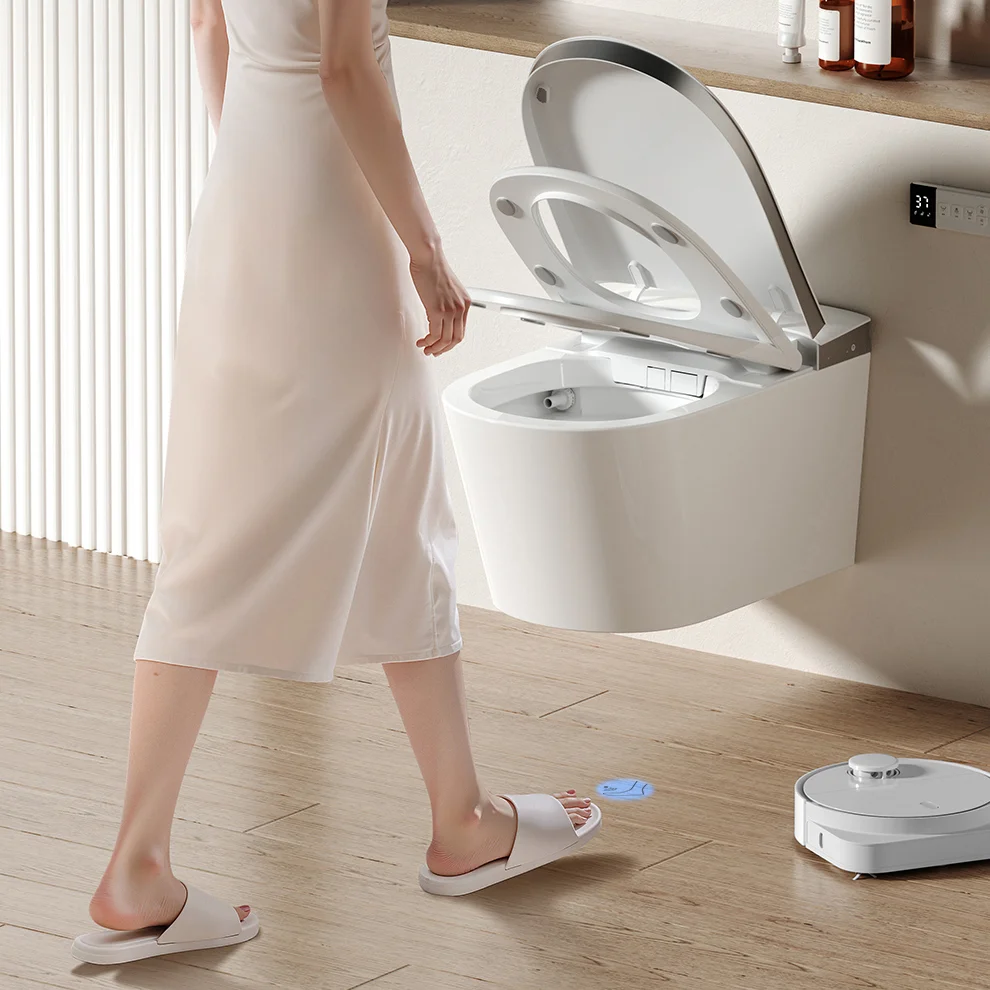
الفتح والإغلاق التلقائي للغطاء
قد تشتمل المراحيض الذكية المتطورة على نظام غطاء أوتوماتيكي. فعندما يقترب المستخدم، ينفتح الغطاء تلقائيًا. وبعد الاستخدام، يُغلق الغطاء من تلقاء نفسه.
يعزز هذا التشغيل بدون لمس من الراحة والنظافة. كما يضفي على الحمام طابعًا أكثر عصرية وفخامة، وهو ما يمثل ميزة قيّمة للفنادق الفاخرة والفيلات ومشاريع الشقق الراقية.
نظام إزالة الروائح الكريهة
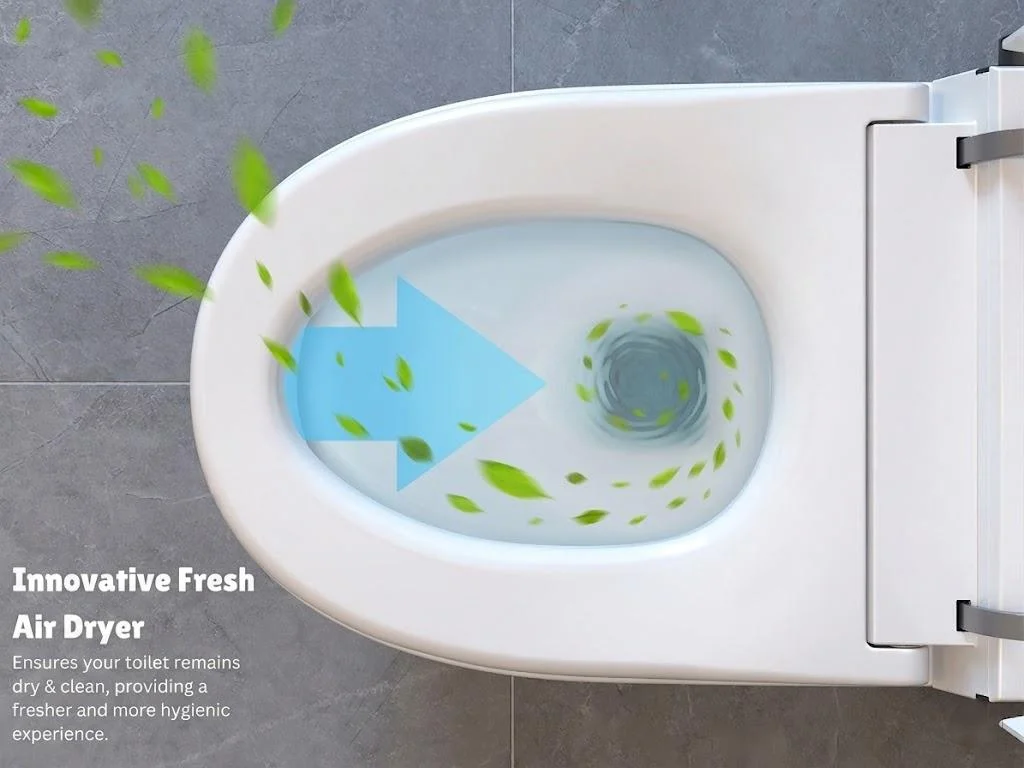
قد يشتمل المرحاض الذكي على مزيل روائح أوتوماتيكي يعمل تلقائيًا بمجرد جلوس المستخدم. يساعد هذا النظام في التخلص من الروائح الكريهة والحفاظ على رائحة الحمام منعشة.
تُعد هذه الميزة مفيدة بشكل خاص في الحمامات الصغيرة وغرف الفنادق والحمامات العامة والمساحات التجارية. وبالنسبة للمشترين، يمكن أن تشكل ميزة إزالة الروائح الكريهة نقطة بيع قوية لأنها تحسّن البيئة العامة للحمام.
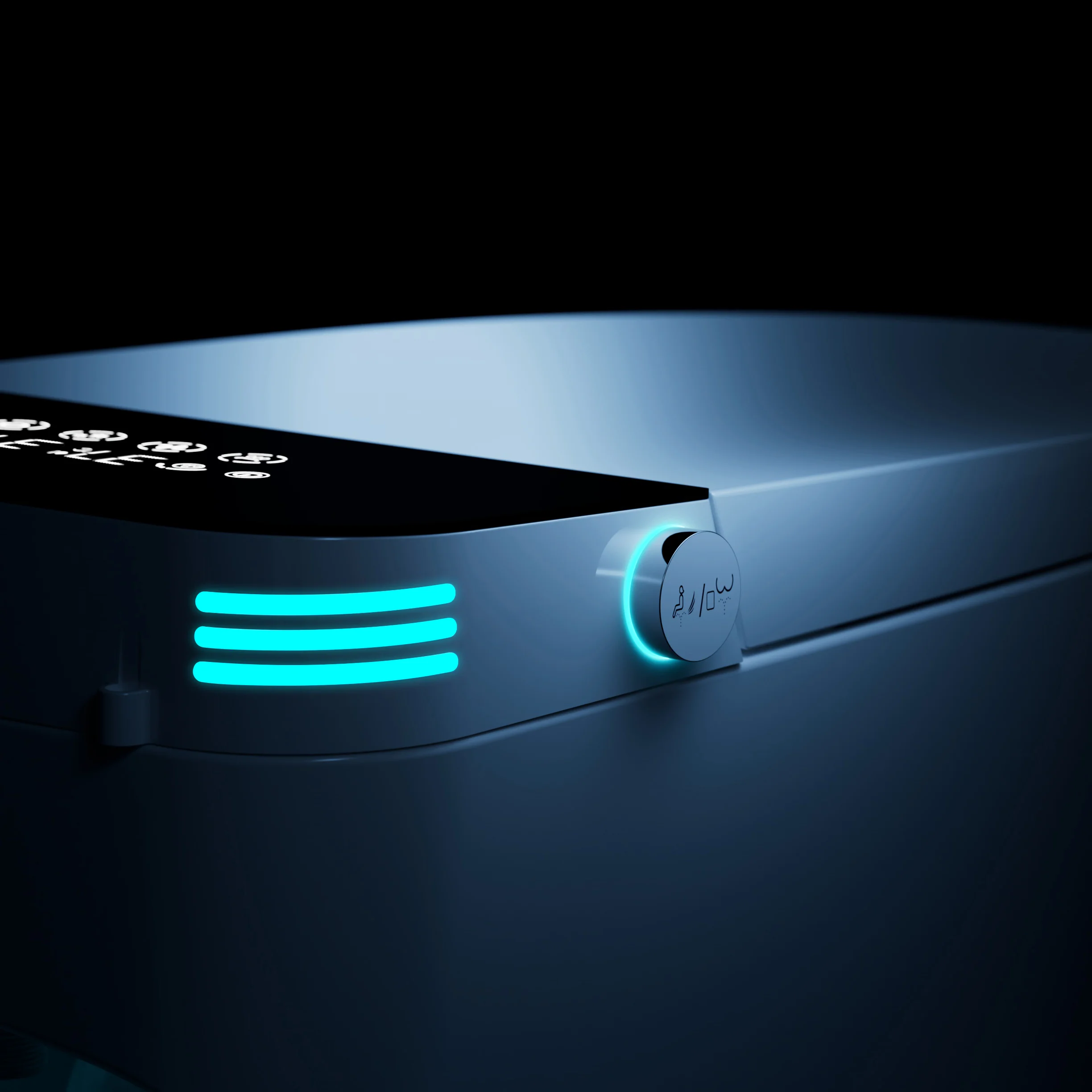
ضوء ليلي
يساعد المصباح الليلي المدمج المستخدمين على العثور على المرحاض ليلاً دون الحاجة إلى تشغيل الإضاءة الرئيسية للحمام. وهذا يجعل استخدام المرحاض أكثر أمانًا وراحةً، لا سيما بالنسبة لكبار السن والأطفال ونزلاء الفنادق.
عادةً ما تكون الأضواء الليلية خافتة وموفرة للطاقة. ورغم أن هذه ميزة بسيطة، إلا أنها تضيف قيمة عملية وتحسّن تجربة المستخدم.
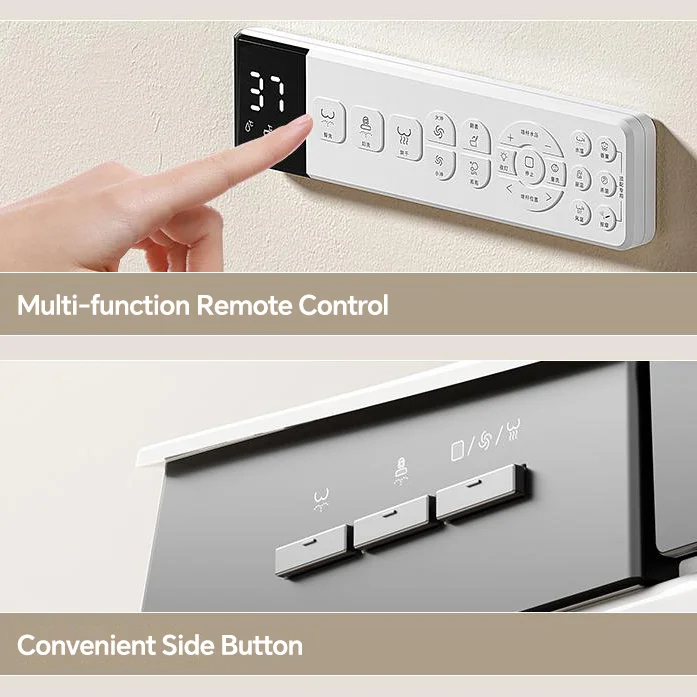
التحكم عن بُعد أو التحكم من خلال اللوحة الجانبية
توفر المراحيض الذكية عادةً سهولة في التحكم من خلال جهاز تحكم عن بُعد أو لوحة تحكم جانبية أو كليهما. يمكن للمستخدمين ضبط وضع الغسل ودرجة حرارة الماء ودرجة حرارة المقعد ودرجة حرارة التجفيف والتدفق، بالإضافة إلى وظائف أخرى.
تحظى أجهزة التحكم عن بُعد بشعبية كبيرة في الحمامات الحديثة لسهولة استخدامها ومظهرها الأنيق. أما الألواح الجانبية فهي عملية لأنها تظل مثبتة بالمرحاض، مما يقلل من احتمال ضياعها.
بالنسبة للأسواق المختلفة، يمكن تعديل أسلوب التحكم وفقًا لعادات المستخدم وموقع المنتج في السوق.
ميزات توفير الطاقة والمياه
تم تصميم العديد من المراحيض الذكية بأوضاع لتوفير الطاقة وأنظمة شطف فعالة. وقد تشمل هذه الأنظمة ما يلي:
- وضع الاستعداد منخفض الاستهلاك
- نظام تسخين المياه الفوري
- تقنية التدفق المزدوج
- وضع توفير الطاقة التلقائي
- تصميم فعال لتدفق المياه
تحظى أنظمة التسخين الفوري بشعبية خاصة لأنها تقوم بتسخين المياه عند الحاجة فقط، بدلاً من تخزين المياه الساخنة بشكل مستمر. ويمكن أن يساعد ذلك في تقليل استهلاك الطاقة ويجعل المنتج أكثر ملاءمة للأسواق الحديثة التي تهتم بالبيئة.
كيف يعمل المرحاض الذكي؟
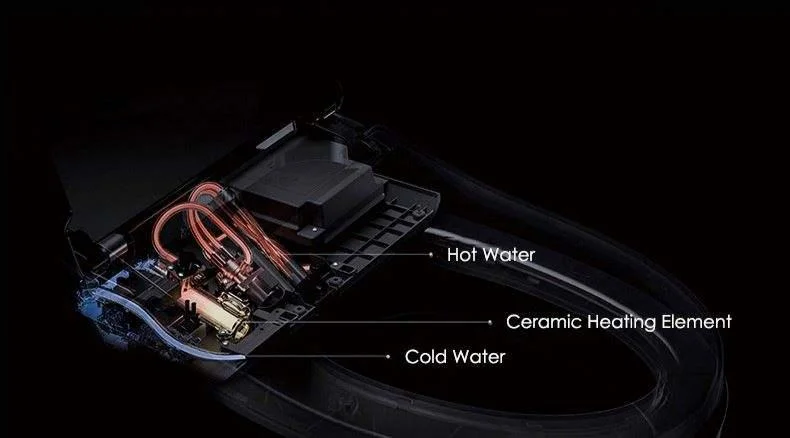
يعمل المرحاض الذكي من خلال مجموعة من أجهزة الاستشعار وأجهزة التحكم الإلكترونية وأنظمة المياه وعناصر التسخين وآليات الشطف.
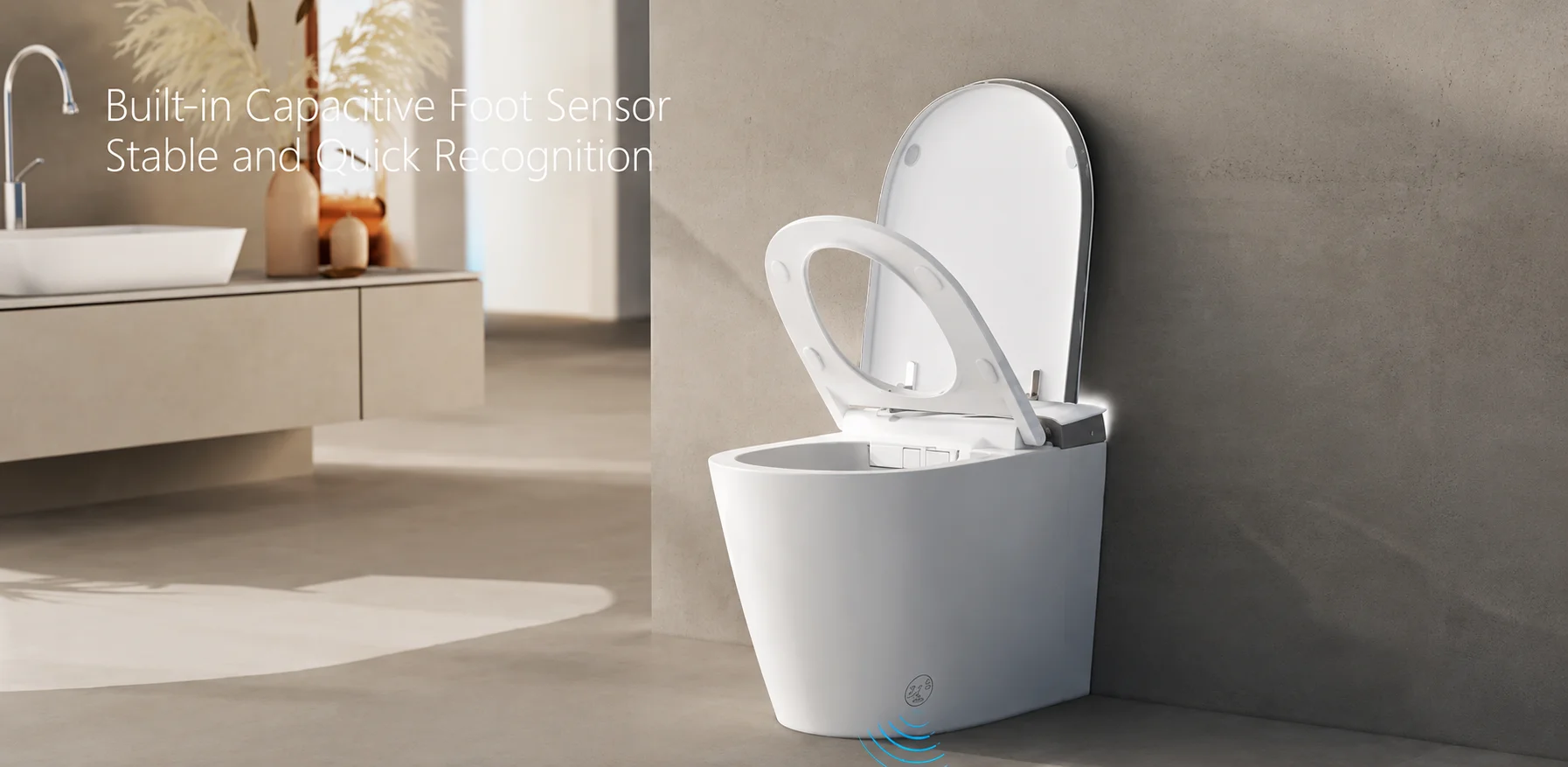
عندما يقترب المستخدم من المرحاض أو يجلس عليه، تكتشف المستشعرات الحركة أو وجود الجسم. ثم يقوم نظام التحكم بتشغيل الوظائف ذات الصلة، مثل تدفئة المقعد، وإزالة الروائح الكريهة، أو فتح الغطاء تلقائيًا.
عندما يختار المستخدم وضع الغسل، يقوم المرحاض بسحب المياه وتسخينها إذا لزم الأمر، ثم يضخها عبر الفوهة بالضغط ودرجة الحرارة المحددين. وبعد الغسل، يمكن للمجفف توفير هواء دافئ. وأخيرًا، يتم شطف المرحاض تلقائيًا أو بناءً على أمر من المستخدم.
عادةً ما يتطلب المرحاض الذكي ما يلي:
- توصيل إمدادات المياه
- توصيل الصرف
- مصدر الطاقة الكهربائية
- مساحة تركيب مناسبة
- الجهد الكهربائي ونوع القابس المتوافقان
نظرًا لأن المراحيض الذكية تحتوي على مكونات إلكترونية، فإن العزل المائي السليم والسلامة الكهربائية وجودة التركيب أمور بالغة الأهمية.
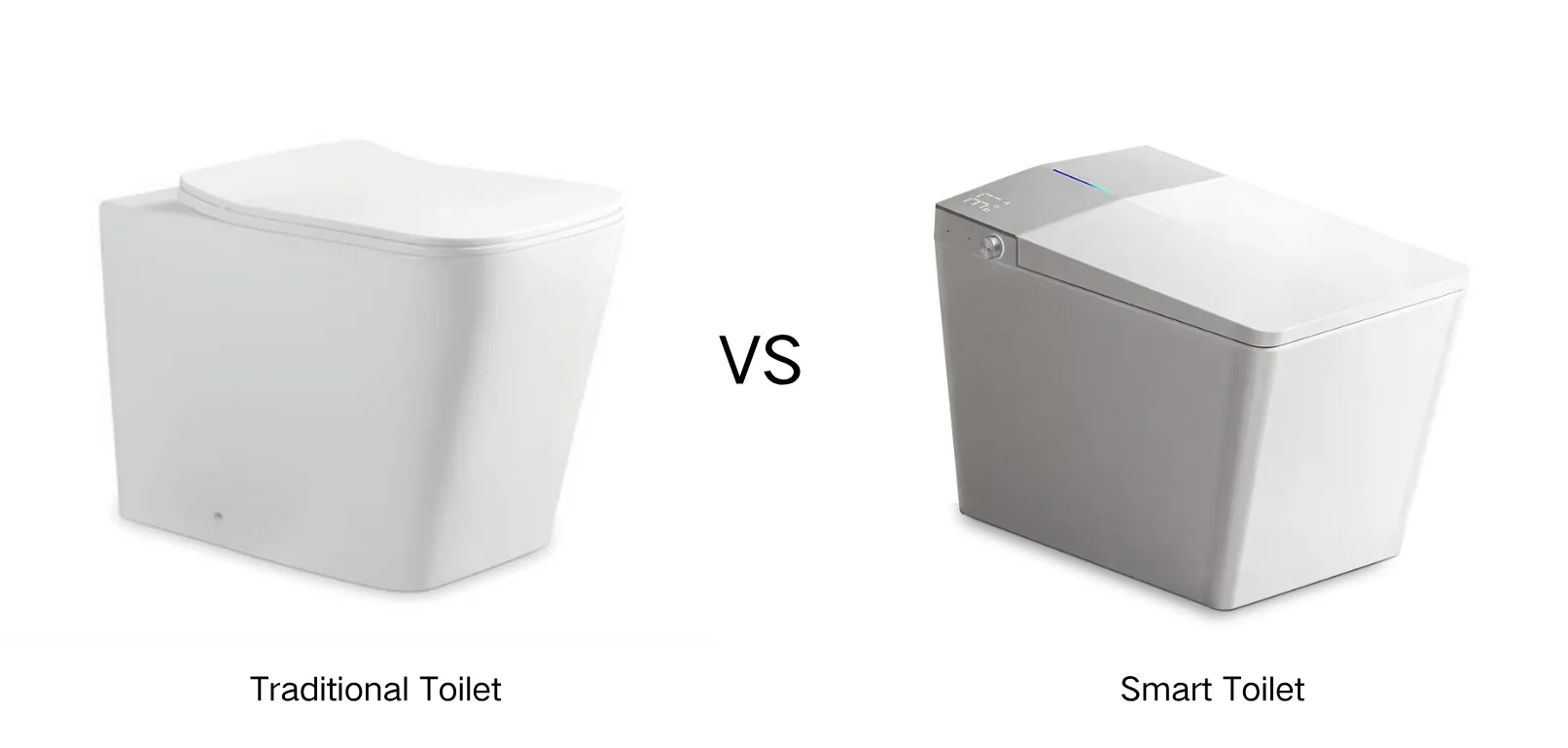
المرحاض الذكي مقابل المرحاض التقليدي
النظافة
تتطلب المراحيض التقليدية مزيدًا من التلامس اليدوي وتعتمد عادةً على ورق التواليت. أما المراحيض الذكية فتقلل من التلامس من خلال الشطف التلقائي، ووظيفة الغسل، وفوهات التنظيف الذاتي، والتشغيل بواسطة المستشعرات.
الراحة
توفر المراحيض التقليدية الوظائف الأساسية فقط. أما المراحيض الذكية فتتميز بمقاعد مدفأة، وغسل بالماء الدافئ، وتجفيف بالهواء، وإضاءة ليلية، وإعدادات قابلة للتعديل.
استهلاك المياه والورق
قد تقلل المراحيض الذكية من استهلاك ورق التواليت وتحسن كفاءة الشطف. أما المراحيض التقليدية فهي أبسط، لكنها قد تستهلك كمية أكبر من الورق، وأحيانًا كمية أكبر من المياه، اعتمادًا على نظام الشطف.
قيمة المنتج
تتميز المراحيض التقليدية بتكلفتها المنخفضة وسهولة تركيبها. أما المراحيض الذكية، فتتميز بقيمة أعلى للوحدة الواحدة، وجاذبية أكبر للعملاء الراغبين في المنتجات الفاخرة، وقدرة أكبر على التميز بالنسبة لتجار التجزئة والموزعين وعلامات الأدوات الصحية.
لماذا تحظى المراحيض الذكية بشعبية في الحمامات الحديثة؟
تحظى المراحيض الذكية بشعبية كبيرة لأنها تتوافق مع العديد من الاتجاهات الهامة في السوق.
أولاً، أصبح المستهلكون يولون اهتماماً أكبر بالنظافة والصحة الشخصية. وغالباً ما يُنظر إلى التنظيف بالماء على أنه أكثر نظافة وراحة من التنظيف بالورق فقط.
ثانياً، أصبحت الحمامات الحديثة تركز بشكل متزايد على التصميم. ويمكن للمرحاض الذكي أن يضفي على الحمام طابعاً أكثر حداثة وفخامة واكتمالاً.
ثالثًا، تستخدم الفنادق والشقق والمشاريع التجارية منتجات الحمامات الذكية لتحسين تجربة العملاء وزيادة قيمة العقارات.
وأخيرًا، ازداد الطلب على المنتجات الصحية التي تعمل بدون لمس وبشكل آلي في العديد من الأسواق. وتُعد المراحيض الذكية خيارًا مناسبًا تمامًا لتلبية هذا الطلب، لأنها تقلل من ملامسة اليدين وتعزز نظافة الحمامات.
المزايا الرئيسية للمرحاض الذكي للمشترين من قطاع الأعمال
قيمة منتج أعلى
عادةً ما يكون سعر بيع المراحيض الذكية أعلى من سعر المراحيض التقليدية. وهذا يتيح لتجار الجملة والمستوردين وتجار التجزئة مجالاً أوسع لتطوير خطوط منتجات فاخرة.
تمييز قوي في السوق
بالنسبة لعلامات منتجات الحمامات، تساعد المراحيض الذكية في إنشاء كتالوج أكثر حداثة وتنافسية. ويمكن تسويقها على أنها منتجات فاخرة أو صحية أو صديقة للبيئة أو تعتمد على التكنولوجيا.
مناسب لقنوات البيع المتعددة
يمكن بيع المراحيض الذكية من خلال صالات عرض الحمامات، والمتاجر الإلكترونية، ومشاريع البناء، وقنوات توريد المستلزمات الفندقية، وشبكات التوزيع بالجملة.
فرص التصنيع حسب الطلب (OEM) وتصميم وتصنيع المنتجات حسب الطلب (ODM)
بالنسبة لأصحاب العلامات التجارية والموزعين، يمكن في كثير من الأحيان تخصيص المراحيض الذكية بوظائف وتصميمات وشعارات وتغليفات ولوحات تحكم مختلفة، فضلاً عن إعدادات مخصصة لكل سوق.
تزايد الطلب في المشاريع
تزداد اهتمام الفنادق والشقق السكنية والفيلات والمباني المكتبية والمرافق الصحية بحلول الحمامات الذكية. ويؤدي ذلك إلى إتاحة فرص للشراء بالجملة والتعاون في مجال التوريد على المدى الطويل.
قائمة بالميزات الشائعة للمراحيض الذكية
قد تشتمل المرحاض الذكي النموذجي على:
- التنظيف التلقائي
- غسل المنطقة الخلفية والأنثوية
- ضغط مياه قابل للتعديل
- درجة حرارة مياه قابلة للتعديل
- مقعد ساخن
- التجفيف بالهواء الدافئ
- فوهة ذاتية التنظيف
- إزالة الروائح الكريهة
- ضوء ليلي
- جهاز التحكم عن بُعد
- لوحة التحكم الجانبية
- فتح الغطاء تلقائيًا
- تنظيف مستشعر القدم
- وضع توفير الطاقة
- التنظيف عند انقطاع التيار الكهربائي
- مادة المقعد المضادة للبكتيريا
- التعقيم بالأشعة فوق البنفسجية
- نظام التسخين الفوري
تعتمد قائمة الميزات الدقيقة على الطراز وموقع المنتج في السوق.
هل تستحق المراحيض الذكية كل هذا العناء؟
بالنسبة للمستخدمين النهائيين، فإن المراحيض الذكية تستحق الاهتمام إذا كانوا يرغبون في الحصول على مستوى أعلى من النظافة والراحة والسهولة، بالإضافة إلى تجربة أكثر حداثة في الحمام.
بالنسبة للمشترين في قطاع الأعمال (B2B)، تُعد المراحيض الذكية ذات قيمة كبيرة لأنها توفر هوامش ربح أعلى، وتمييزًا أقوى، وطلبًا متزايدًا في الأسواق السكنية والتجارية على حد سواء. وهي مناسبة بشكل خاص للشركات التي تستهدف شرائح منتجات الحمامات من الفئة المتوسطة إلى الفاخرة.
ومع ذلك، ينبغي على المشترين اختيار الطراز المناسب بعناية. فالمرحاض الذكي الجيد يجب أن يحقق التوازن بين التصميم والوظيفة والسلامة وأداء الشطف وتوافق التركيب والموثوقية على المدى الطويل.
الخلاصة
لا يقتصر دور المرحاض الذكي على مجرد سحب المياه فحسب. فهو يوفر التنظيف التلقائي، ووظيفة الشطف، ومقعدًا مدفأً، وتجفيفًا بالهواء الدافئ، وإزالة الروائح الكريهة، والتحكم عن طريق المستشعرات، والإضاءة الليلية، بالإضافة إلى ميزات ذكية أخرى تعزز النظافة والراحة.
مع استمرار ارتفاع معايير الحمامات، أصبحت المراحيض الذكية فئة منتجات مهمة للمنازل الحديثة والفنادق والشقق والمشاريع التجارية. وبالنسبة لتجار الجملة والموزعين والمستوردين وعلامات الأدوات الصحية، توفر المراحيض الذكية إمكانات سوقية قوية وفرصًا ممتازة لتطوير المنتجات.
يتطلب اختيار المرحاض الذكي المناسب الاهتمام بالوظائف والجودة والسلامة والشهادات والتصميم وقدرات المورد. ومع المنتج المناسب وشريك التصنيع المثالي، يمكن أن تصبح المراحيض الذكية إضافة قوية إلى أي مجموعة منتجات للحمام.
نبذة عن الشركة المصنعة لمراحيض ساوث فيلا
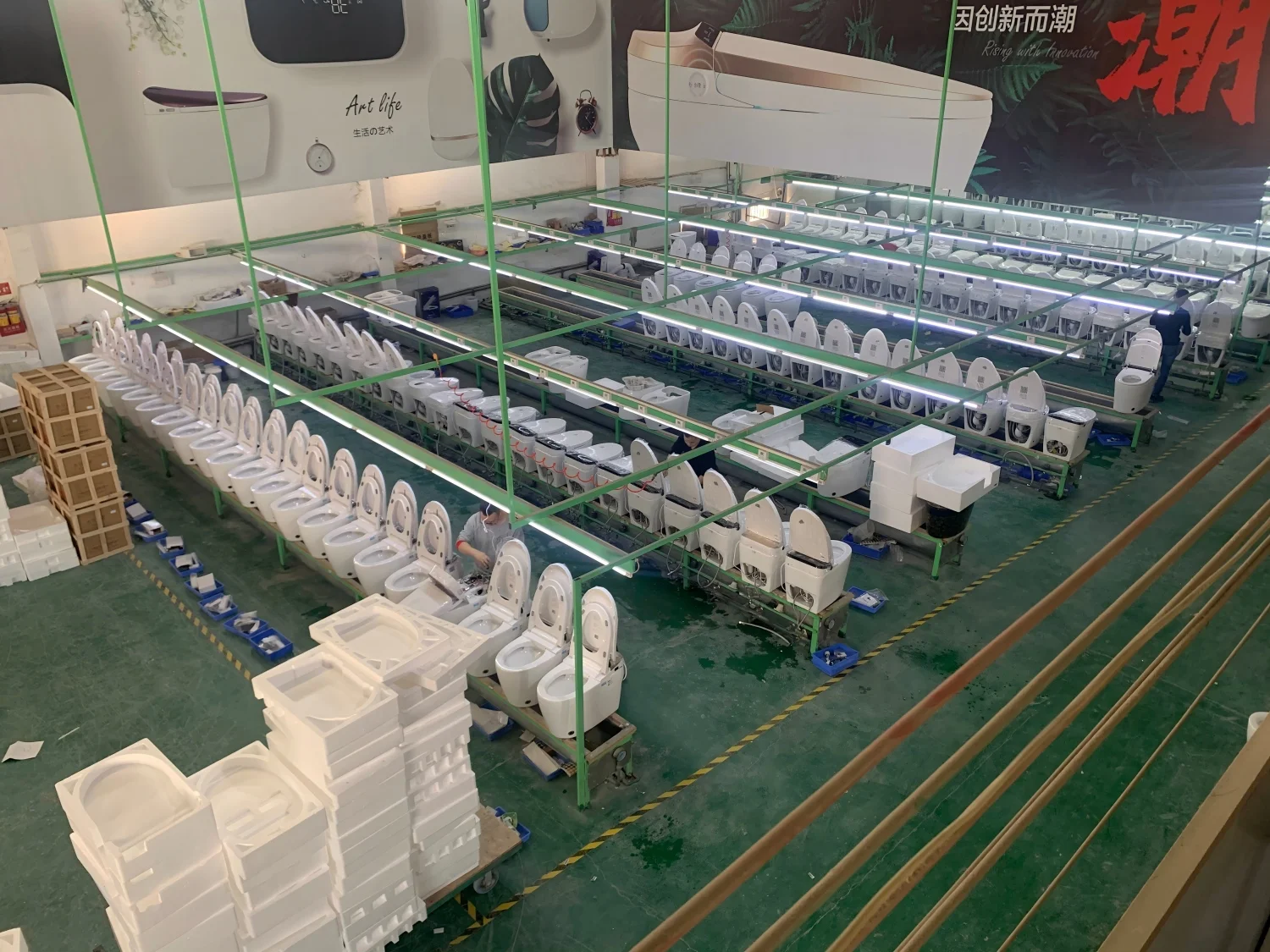
"ساوث فيلا" هي شركة متخصصة الشركة المصنعة للمرحاض متخصصون في تطوير وإنتاج أدوات الحمام الصحية الحديثة للأسواق العالمية. بفضل تقنياتنا المتطورة الخاصة بنا مصنع المراحيض الذكية, ، نقدم خدمات عالية الجودة حلول المراحيض الذكية بالجملة للموزعين وتجار الجملة وتجار التجزئة والفنادق والشقق السكنية ومشاريع البناء في جميع أنحاء العالم.
نحن نركز على الجمع بين التكنولوجيا الذكية والتصميم العصري وجودة المنتجات الثابتة لتقديم حلول مراحيض ذكية تلبي احتياجات الأسواق والعملاء المختلفة.