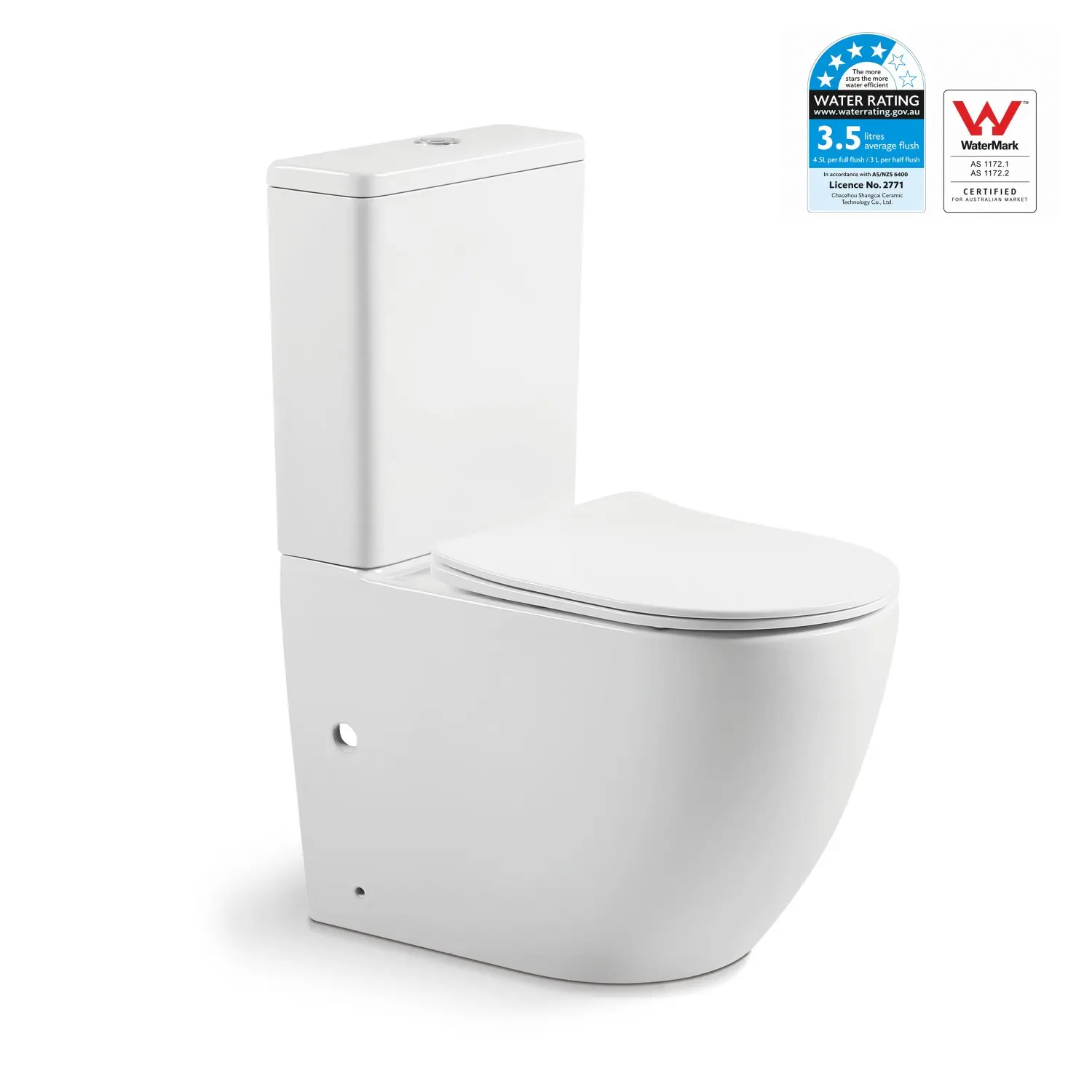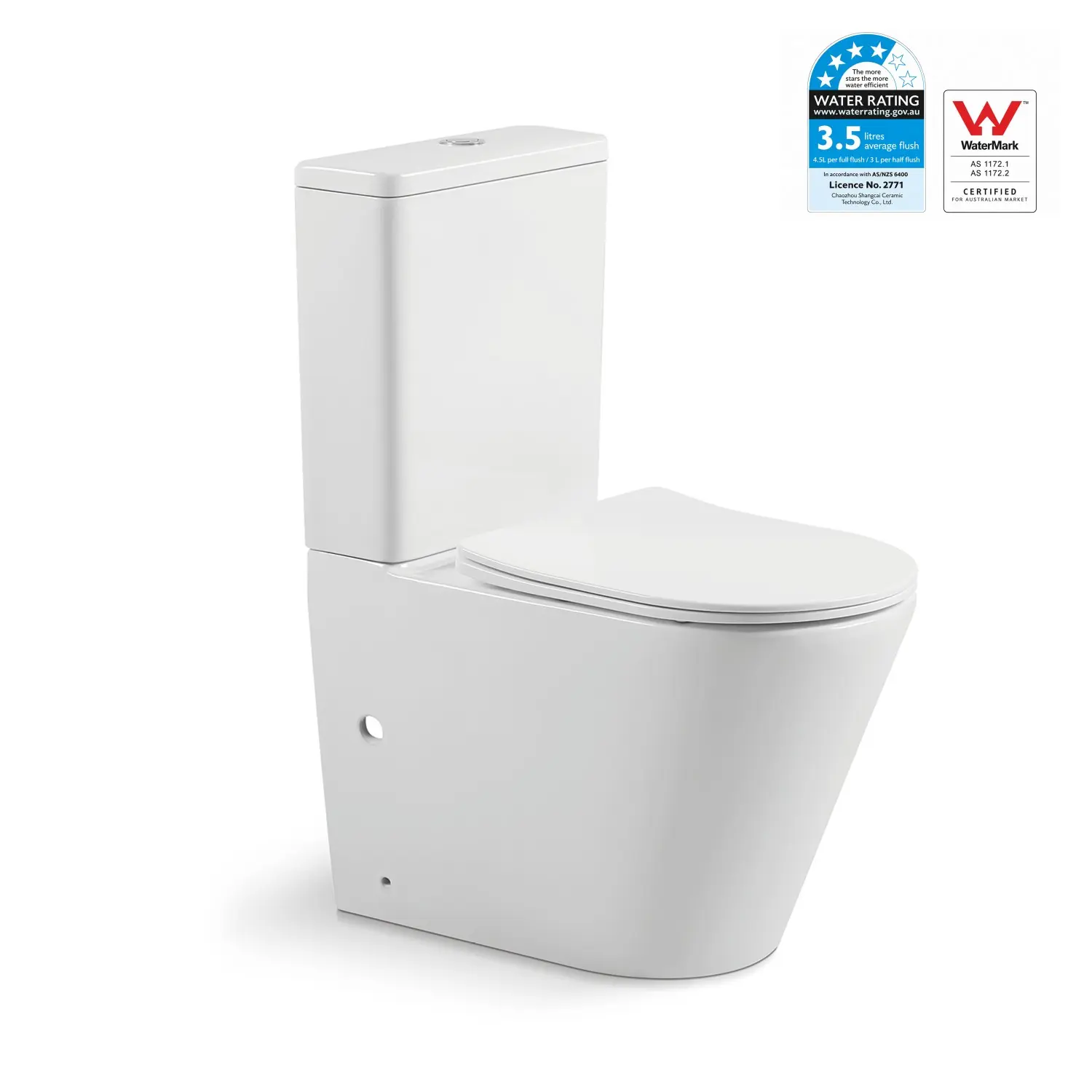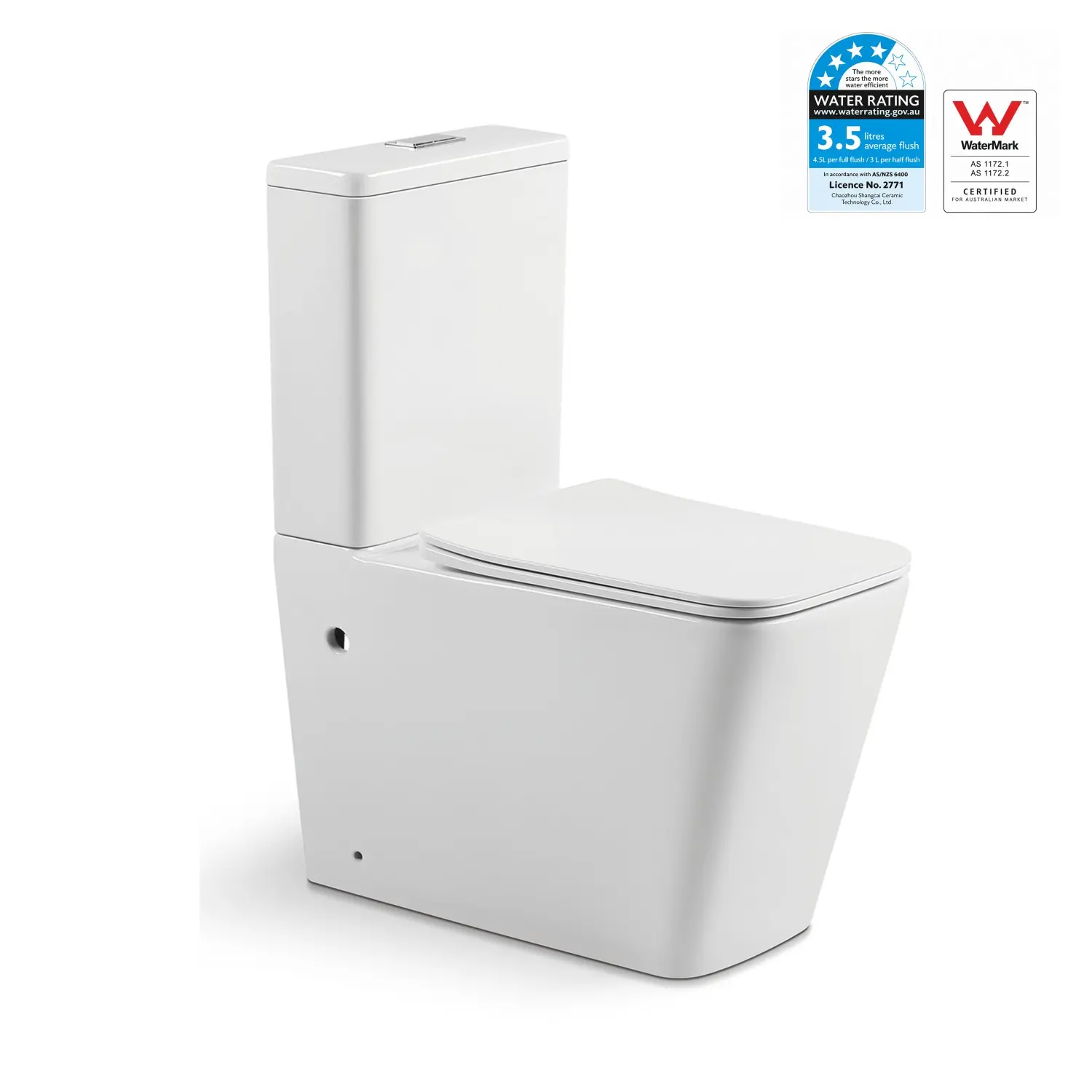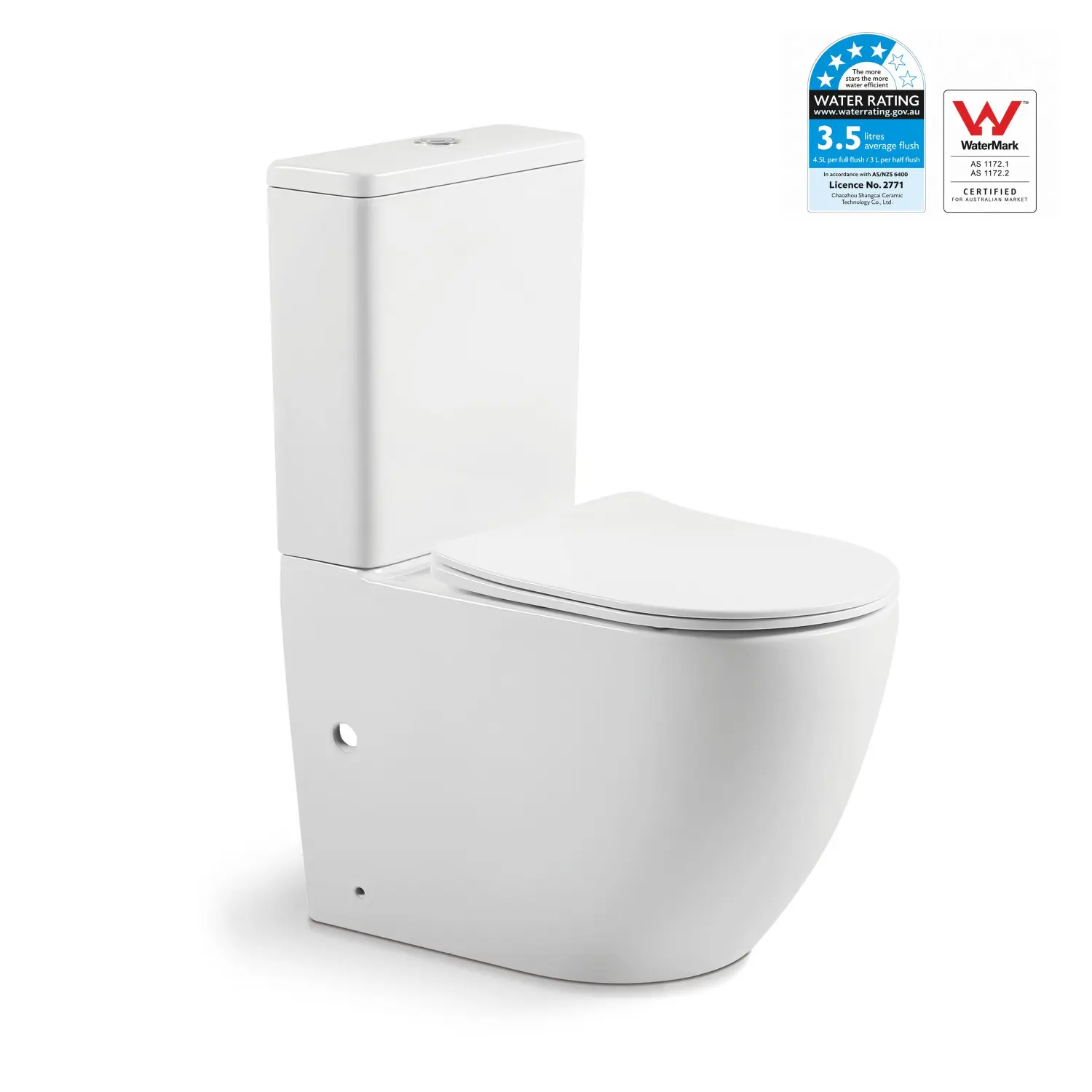
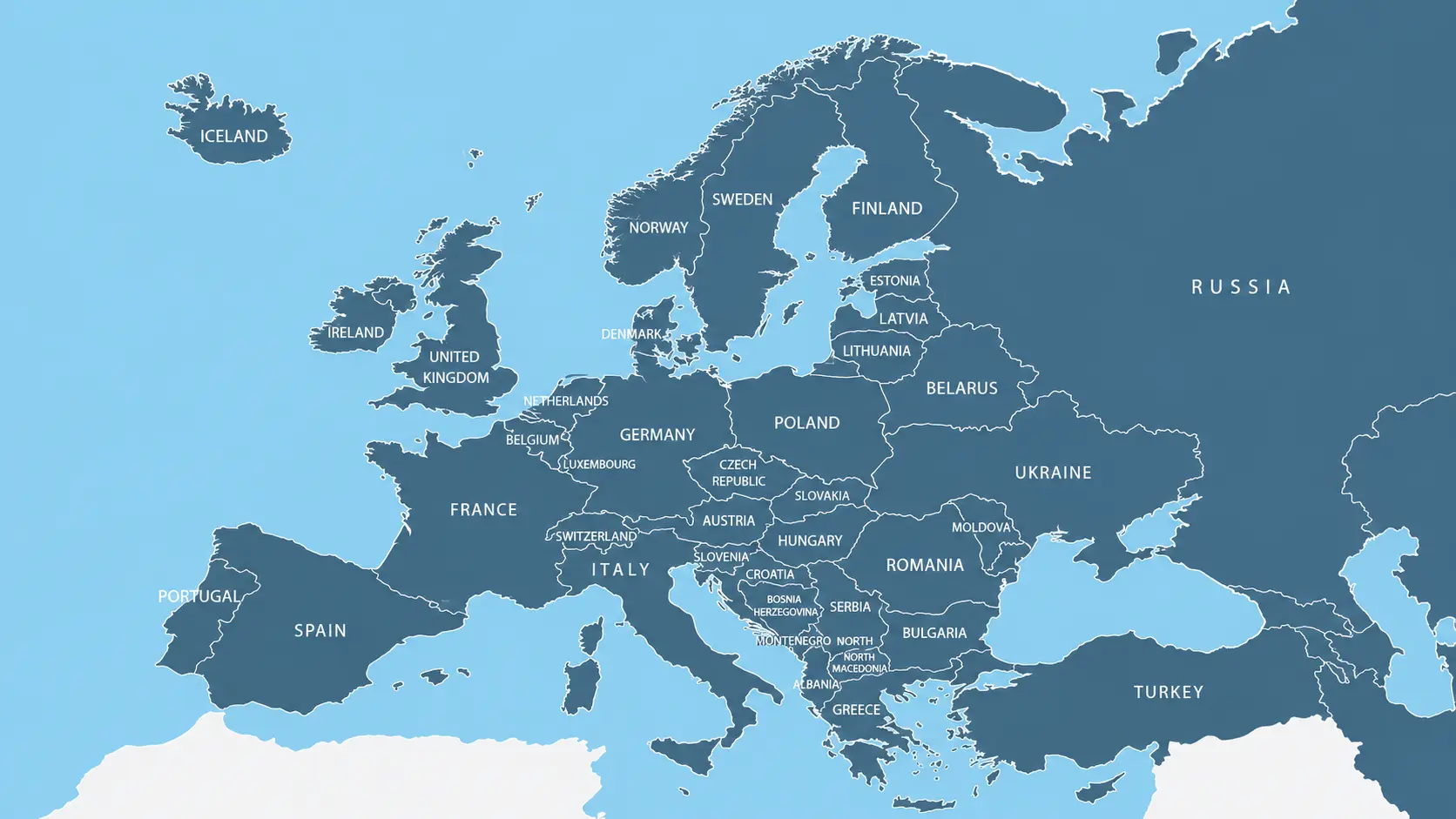
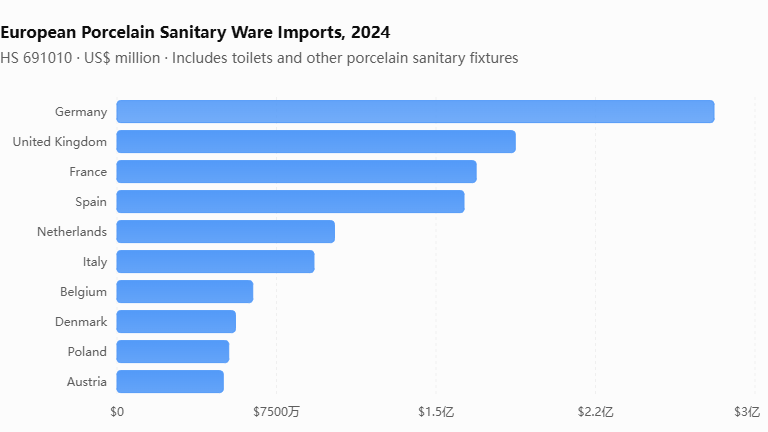
Germany, the United Kingdom, France, and Spain are among Europe’s largest importers of ceramic sanitary ware. According to 2024 trade data from the World Bank’s World Integrated Trade Solution (WITS), Germany imported approximately US$280.7 million worth of porcelain sanitary fixtures, followed by the UK at US$187.3 million, France at US$168.9 million, and Spain at US$163.2 million.
These figures highlight important opportunities in the European ceramic toilet market. However, import value alone does not determine which products will sell successfully. European buyers must also consider local bathroom designs, installation requirements, toilet standards, and distribution channels.
How Large Is the European Ceramic Toilet Import Market?
Europe represents an important international market for ceramic toilets and other sanitary ware products. The region combines established bathroom brands, domestic manufacturing, international suppliers, and extensive cross-border distribution networks.
According to WITS data, the European Union imported approximately US$401.9 million in porcelain sanitary fixtures under HS 691010 and US$459.3 million in other ceramic sanitary fixtures under HS 691090 during 2024. Combined, these imports reached approximately US$861.1 million.
These figures cover imports from outside the European Union rather than all transactions between individual European countries.
WITS data: https://wits.worldbank.org/
Understanding Ceramic Toilet Import Data
International trade statistics generally classify ceramic toilets under HS 6910, which includes multiple sanitary ware products rather than toilets alone.
| HS Code | Product Category | Products Included |
|---|---|---|
| 691010 | Porcelain or China Sanitary Fixtures | Ceramic toilets, washbasins, cisterns, and related fixtures |
| 691090 | Other Ceramic Sanitary Fixtures | Toilets, washbasins, and other fixtures made from other ceramic materials |
Because these categories cover multiple sanitary ware products, the import values should not be interpreted as sales or import values for toilets alone.
Nevertheless, the figures provide a useful indication of the scale of international sanitary ware trade and the countries that deserve further market research.
Which European Countries Import the Most Ceramic Toilets?
Germany, the United Kingdom, France, and Spain lead the selected European markets in porcelain sanitary fixture import value. The Netherlands and Italy also represent substantial markets.
The following ranking is based on 2024 imports under HS 691010, covering porcelain sanitary fixtures purchased from global suppliers.
| Rank | Country | Import Value (USD Million) |
|---|---|---|
| 1 | Germany | 280.71 |
| 2 | United Kingdom | 187.26 |
| 3 | France | 168.87 |
| 4 | Spain | 163.16 |
| 5 | Netherlands | 102.23 |
| 6 | Italy | 92.61 |
| 7 | Belgium | 63.82 |
| 8 | Denmark | 55.68 |
| 9 | Poland | 52.53 |
| 10 | Austria | 49.96 |
Source: World Bank WITS / UN Comtrade, 2024, HS 691010. Import values cover porcelain sanitary fixtures, including toilets, washbasins, and related products—not toilets exclusively.
What Do These Figures Reveal?
Germany is the leading market in this comparison. Its large import value makes it particularly relevant for manufacturers studying European distribution networks, bathroom product standards, and established suppliers.
The United Kingdom, France, and Spain form another important group of import markets. Each imported more than US$160 million under HS 691010 in 2024, indicating substantial cross-border trade in porcelain sanitary products.
The Netherlands, Belgium, and Poland deserve attention beyond their domestic markets. Their positions within European trade networks make regional distribution, logistics, and cross-border supply important subjects for further investigation.
For a toilet manufacturer planning European expansion, these rankings are a starting point rather than a complete measure of market attractiveness.
Why Does Germany Lead European Ceramic Sanitary Ware Imports?
Germany’s position reflects its significant role in the European sanitary ware supply chain. In 2024, the country imported approximately US$280.7 million of porcelain sanitary fixtures, including US$52.5 million from Poland, US$35.7 million from China, and US$35.2 million from Egypt.
These figures show that Germany sources sanitary ware from both European and non-European suppliers.
Established Bathroom Distribution Networks
Germany has an established sanitary ware industry, supported by specialist retailers, plumbing wholesalers, bathroom showrooms, and construction-related distribution channels.
Importers entering this market must compete not only on price but also on product reliability, installation compatibility, and the ability to supply consistent product specifications.
Modern Bathroom Design and Toilet Selection
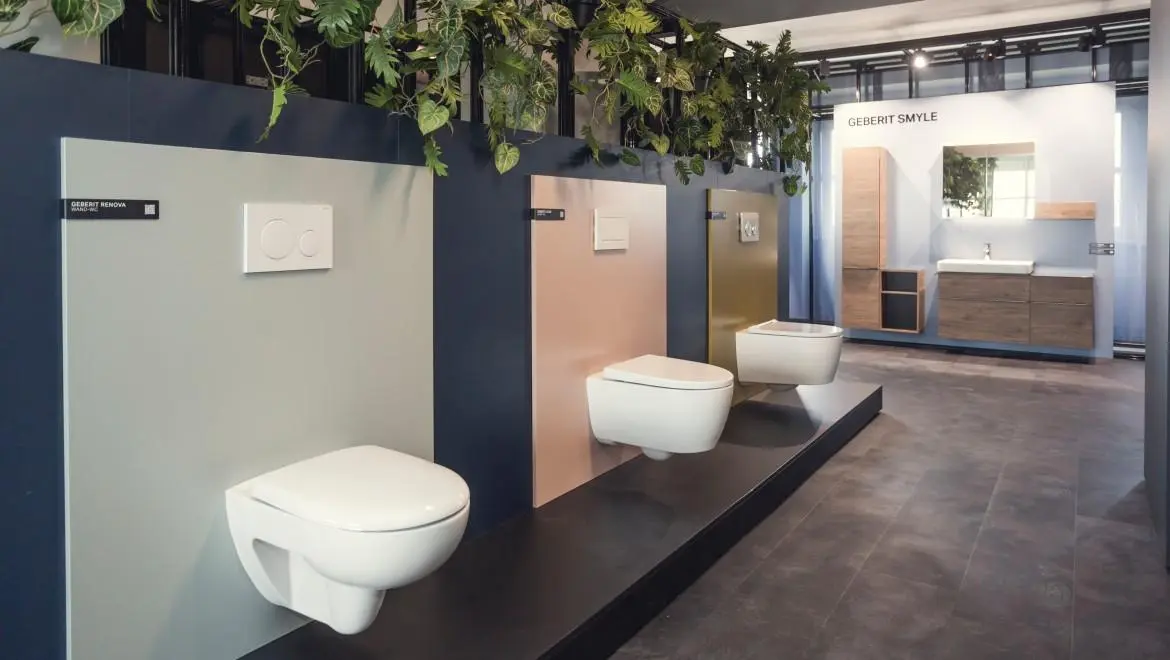
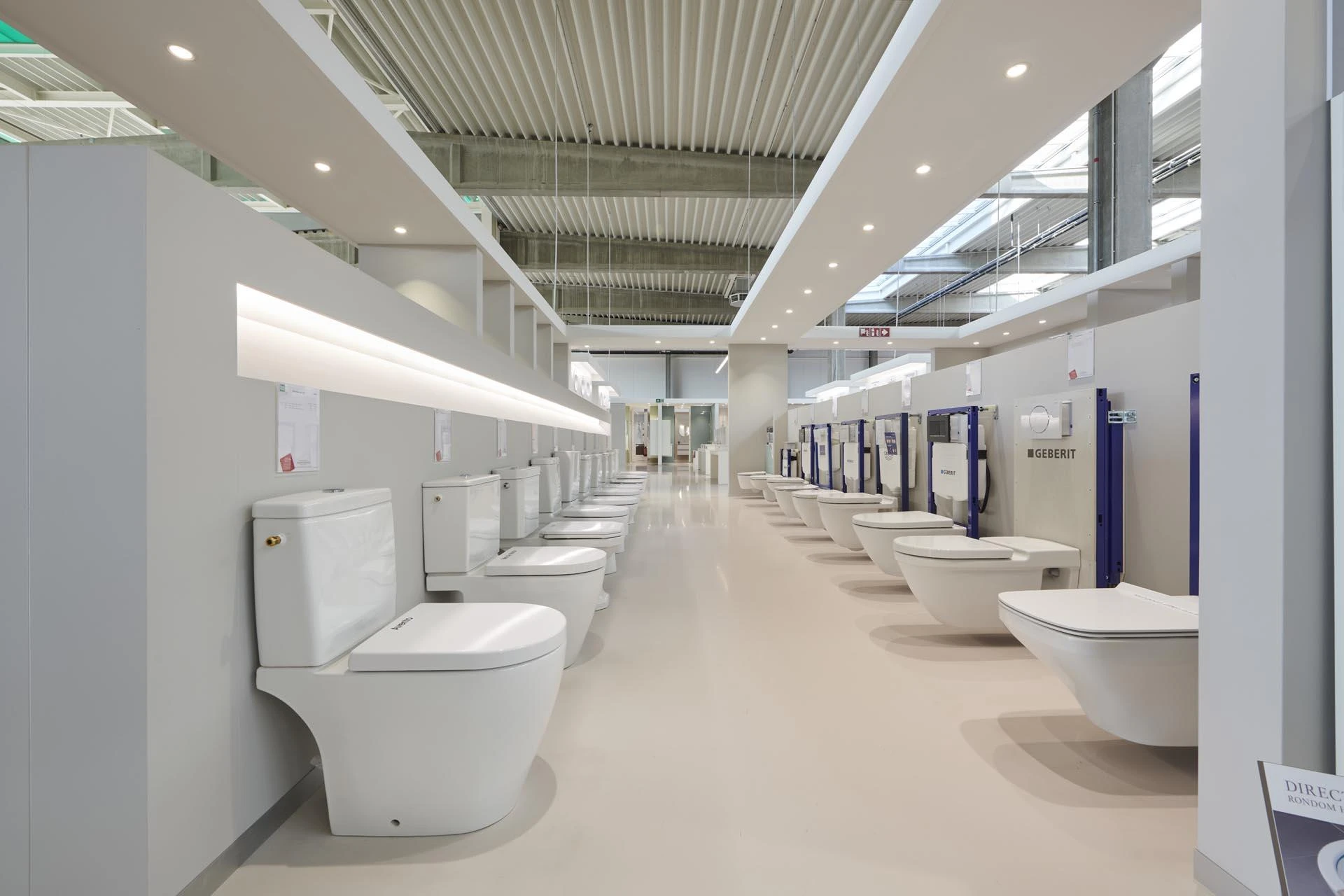
Wall-hung toilets, rimless toilet designs, and contemporary ceramic sanitary ware are important product categories to investigate in Germany.
For international suppliers, this means that a product portfolio focused exclusively on traditional floor-mounted toilets may not address every distributor’s needs.
Manufacturers should evaluate wall-hung models, close-coupled toilets, one piece toilets, and rimless designs according to the requirements of their intended customers.
Quality and Technical Documentation
German buyers may request detailed specifications covering flushing performance, ceramic glazing quality, dimensions, installation methods, and compliance with applicable standards.
Providing complete product documentation and reliable sample testing can therefore be as important as offering competitive wholesale prices.
Where Do European Countries Import Their Ceramic Toilets From?
European countries source ceramic sanitary ware from domestic European manufacturers as well as international suppliers, particularly China and Turkey.
In the EU’s 2024 imports under HS 691090, China accounted for approximately US$210.2 million, followed by Turkey at US$133.8 million. Together, these two countries supplied around 75% of EU imports within that specific customs category.
Major Sources of EU Ceramic Sanitary Ware Imports
| Supplying Country | Import Value (USD Million) |
|---|---|
| China | 210.18 |
| Turkey | 133.84 |
| Switzerland | 36.93 |
| Egypt | 24.63 |
| Ukraine | 16.96 |
Why Do European Importers Source Ceramic Sanitary Ware from China?
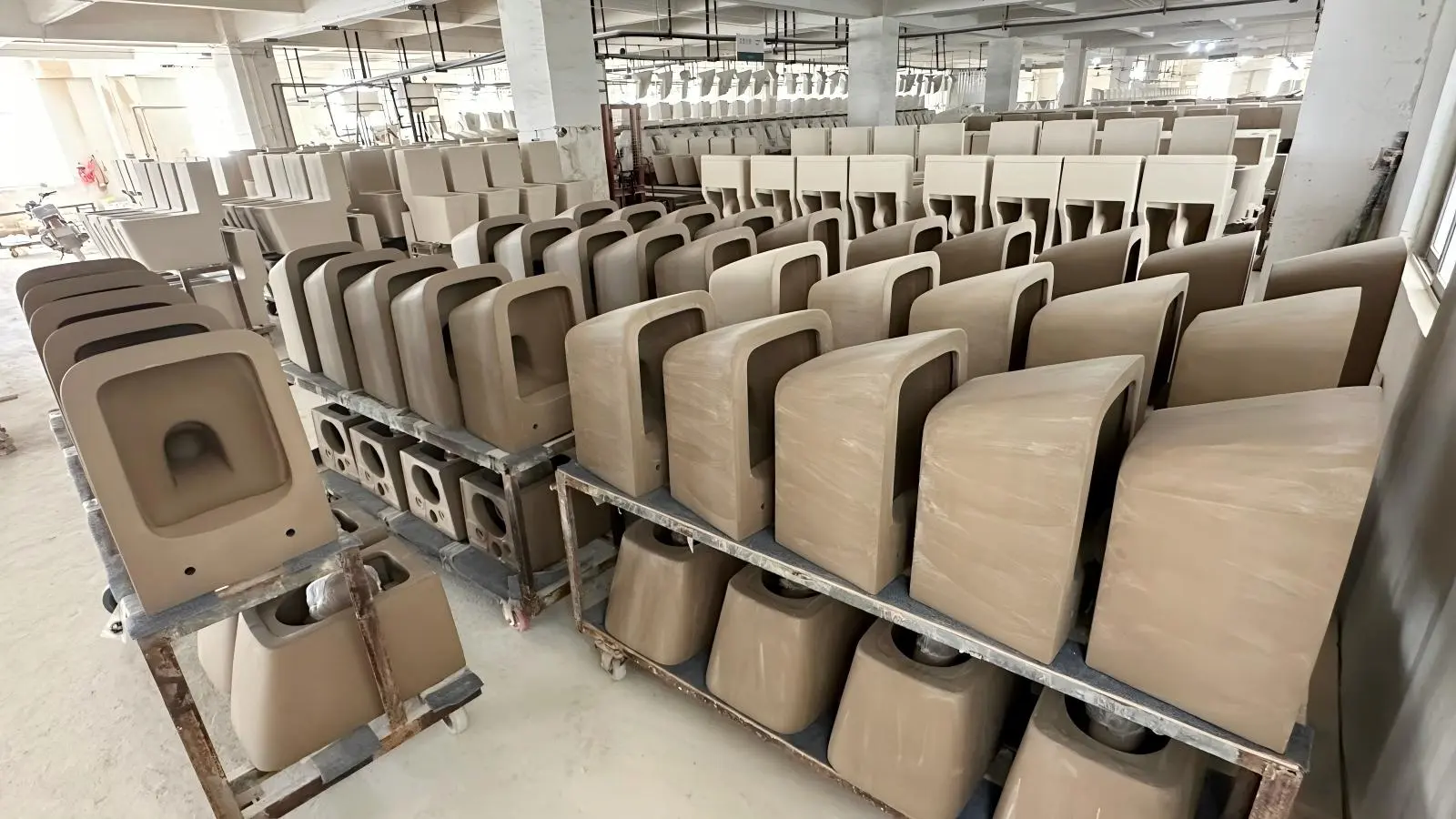
China has an established ceramic sanitary ware manufacturing industry, with production capabilities covering multiple toilet designs, washbasins, and other bathroom fixtures.
For wholesalers and distributors, working with Chinese manufacturers can offer several potential advantages:
- Diverse Product Selection: Access to multiple product models and price segments.
- OEM/ODM Capabilities: Private-label development and product customization options.
- Consolidated Purchasing: Purchasing across different sanitary ware categories.
- Bulk Production: Large-volume manufacturing and container-based shipping arrangements.
- Customized Packaging: Product packaging and specification options for different markets.
Why Is Turkey Another Important Supplier?
Turkey’s location between Europe and Asia provides potential logistical advantages for serving European markets.
For some European buyers, shorter transport distances, established regional commercial relationships, and supply-chain flexibility may make Turkish manufacturers attractive.
Chinese suppliers seeking to compete should therefore evaluate the total landed cost, rather than comparing factory prices alone. Freight charges, packaging protection, inventory requirements, customs procedures, and delivery lead times all influence the final purchasing decision.
What Types of Toilets Are Most Popular in Major European Markets?
European countries do not follow a single toilet design preference. Product selection varies according to bathroom layout, building age, plumbing configurations, installation practices, consumer preferences, and project budgets.
Three major product categories worth examining are wall-hung toilets, close-coupled toilets, and one piece toilets.
Wall-Hung Toilets
In Germany and France, demand for modern bathroom solutions makes wall-hung toilets particularly relevant to distributors and project buyers. Italy and Spain are also markets worth targeting for design-oriented sanitary ware collections.
Close-Coupled Toilets
Close-coupled toilets are especially common in the United Kingdom, where they remain a widely used option in residential bathrooms. British bathroom retailers such as Screwfix identify close-coupled toilets as the most common toilet type in UK homes.
In addition to the UK, Spain and Poland are worth investigating for close-coupled toilet distribution, particularly in price-sensitive residential renovation and replacement segments.
One Piece Toilets
For one piece toilet manufacturers, the United Kingdom, Spain, Italy, and France are potential European markets worth exploring, particularly within modern floor-mounted toilet collections and residential renovation projects.
In Spain, Italy, and France, contemporary floor-mounted designs may offer opportunities among bathroom retailers and residential project suppliers.
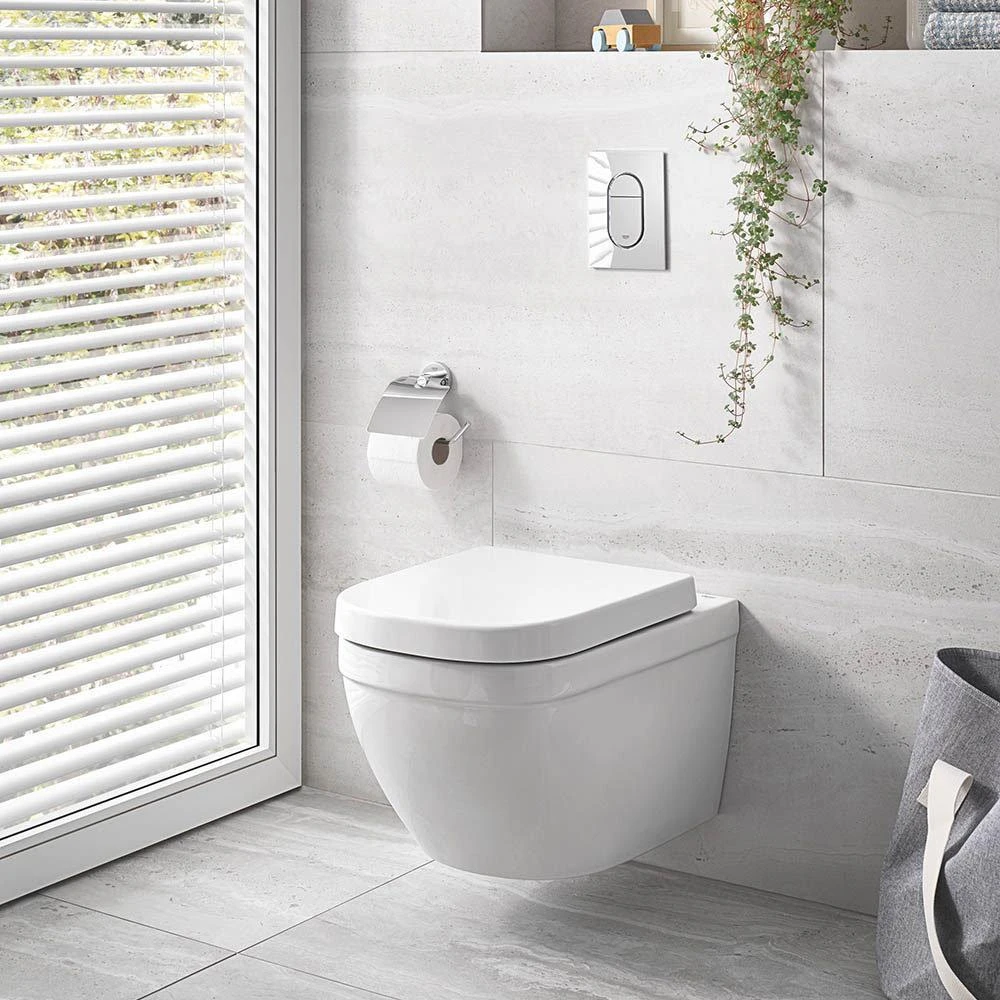
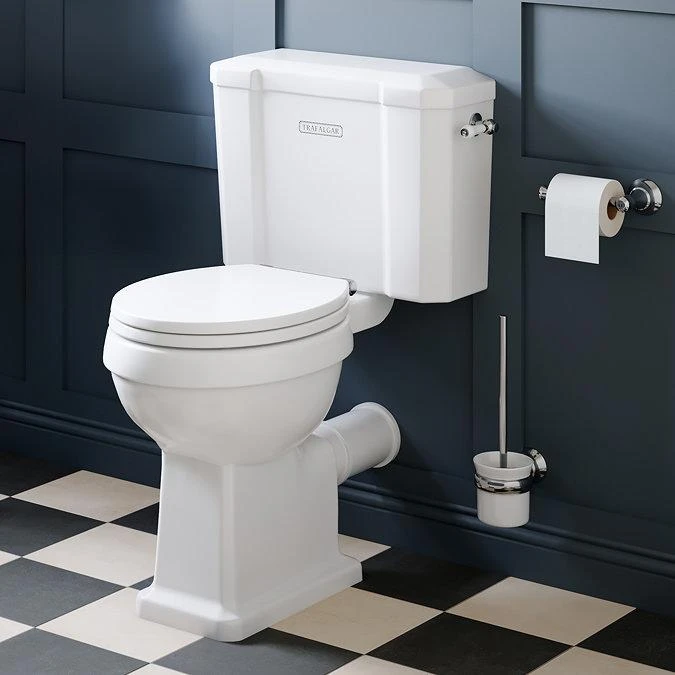
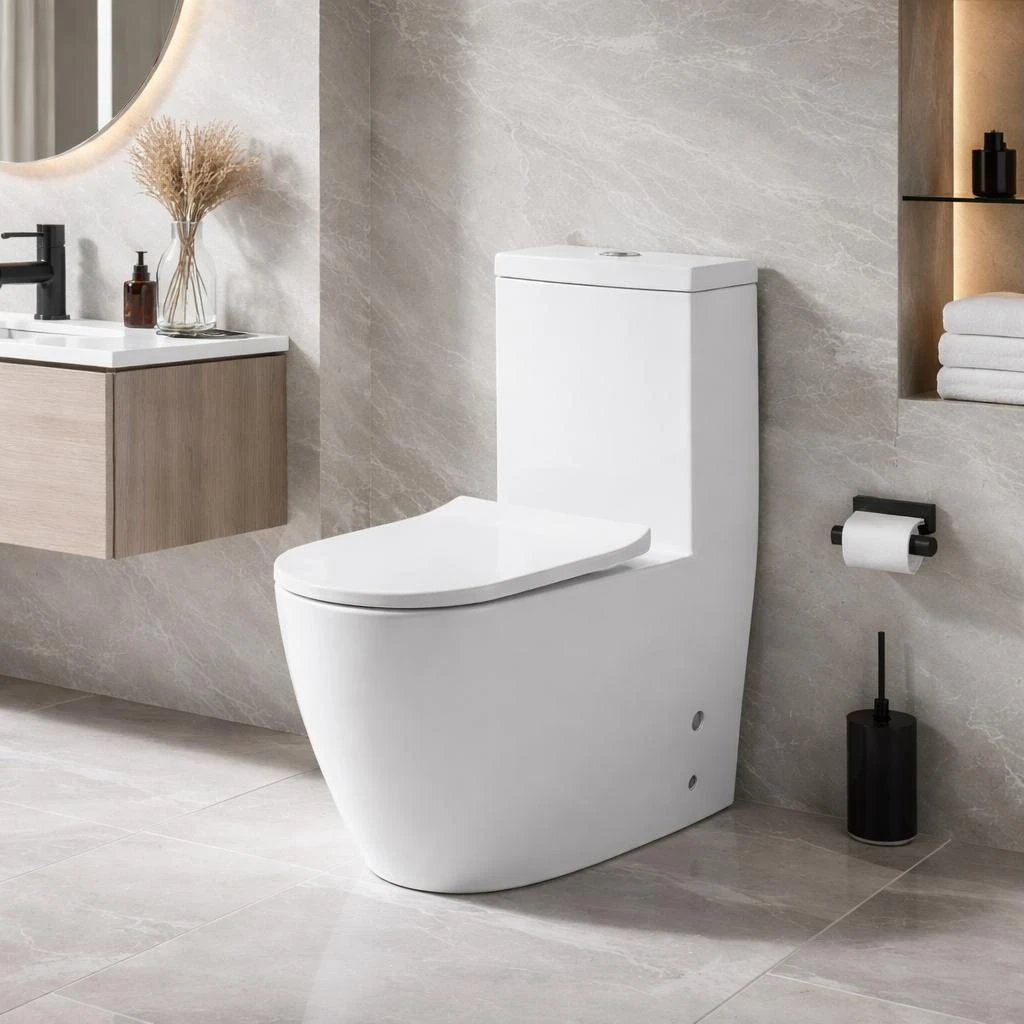
| Country | Toilet Types to Prioritize for Market Research | Market Considerations |
|---|---|---|
| Germany | Wall-Hung, Rimless | Modern bathroom projects, performance requirements |
| United Kingdom | Close-Coupled, One Piece | Residential replacement, installation compatibility |
| France | Wall-Hung, One Piece | Contemporary bathroom design, renovation projects |
| Spain | Close-Coupled, Wall-Hung, One Piece | Residential renovations, price and design |
| Italy | Wall-Hung, Back-to-Wall, One Piece | Design-oriented bathroom collections |
| Poland | Close-Coupled, Wall-Hung | Pricing, regional distribution, replacement demand |
Note: These are recommended product research directions, not independently verified national sales rankings.
What Standards Must Ceramic Toilets Meet in the European Market?
Ceramic toilets supplied to European markets must be evaluated against the relevant technical, performance, and regulatory requirements.
One important European standard is EN 997:2018, which covers constructional and performance requirements and test methods for WC pans and suites with integral traps, including one piece and close-coupled products.
Key Requirements for European Ceramic Toilet Buyers
| Inspection Area | What Buyers Should Check |
|---|---|
| Flushing Performance | Effective waste removal, flushing performance, and applicable tests |
| Water Consumption | Flush volume and compliance with target-market requirements |
| Ceramic Quality | Glaze consistency, surface defects, cracks, and dimensional accuracy |
| Installation Compatibility | Outlet configuration, rough-in dimensions, and mounting requirements |
| Technical Documentation | Applicable standards, test evidence, and market-required declarations |
| Packaging Protection | Carton strength, protective materials, and breakage prevention |
These considerations are particularly important when sourcing large quantities for distribution networks, hotel construction, or residential development projects.
Which European Markets Offer the Best Opportunities for Chinese Toilet Manufacturers?
The best European market for a Chinese ceramic toilet manufacturer depends on more than import volume. Product compatibility, competition, distribution costs, customer segments, and the manufacturer’s own capabilities are equally important.
The 2024 import figures identify Germany, the United Kingdom, France, and Spain as major markets to investigate, while the Netherlands, Italy, and Poland offer additional directions for business development.
Potential Market Entry Strategies
| Market | Potential Buyer Segments | Suggested Supply Strategy |
|---|---|---|
| Germany | Sanitary ware wholesalers, established importers | Quality documentation, consistent specifications |
| United Kingdom | Bathroom distributors, renovation suppliers | Compatible close-coupled and floor-mounted models |
| France | Bathroom retailers, project suppliers | Contemporary designs and coordinated product ranges |
| Spain | Importers, residential renovation channels | Competitive wholesale ranges and stable quality |
| Netherlands | Import and distribution companies | Container supply, logistics coordination |
| Poland | Regional distributors, building material importers | Standardized products and competitive landed costs |
Why Is Import Value Alone Not Enough?
A country with a large import market may also have established suppliers, strong brand recognition, and demanding distribution requirements.
For example, Germany’s substantial import volume demonstrates international sourcing activity, but it does not automatically mean that every manufacturer can enter the market successfully.
Similarly, a smaller importing country may be attractive when a manufacturer already has suitable products, a distributor relationship, or a competitive shipping arrangement.
The more useful question is not simply which country imports the most toilets? but rather:
Which European market has the strongest fit between local buyer requirements and the manufacturer’s production capabilities?
How Can European Buyers Choose a Reliable Ceramic Toilet Manufacturer?
European importers should evaluate ceramic toilet manufacturers based on product suitability, quality control, manufacturing capacity, and export support rather than factory price alone.
A reliable manufacturing partner should be able to explain how its products match the technical and commercial requirements of the intended destination market.
Product Range and Market Compatibility
An experienced ceramic toilet manufacturer should offer products suited to different market requirements.
Depending on manufacturing capabilities, this may include one piece toilets, two piece toilets, close-coupled models, rimless designs, and other sanitary ware products.
Importers should review product dimensions, waste outlet arrangements, flushing systems, available accessories, and customization options before selecting models.
Consistent Quality Control
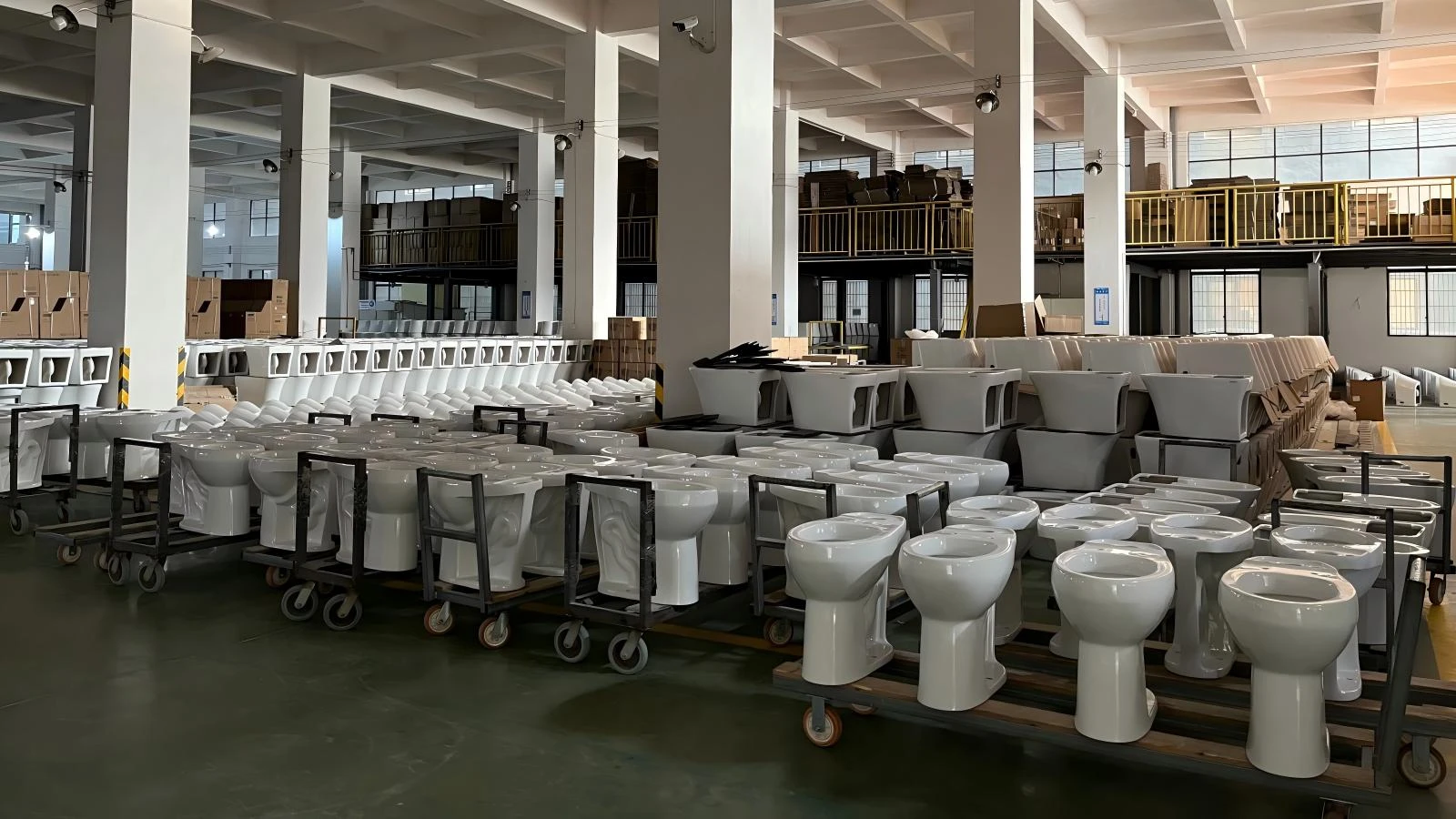
Ceramic sanitary ware manufacturing involves several stages where quality can be affected, including forming, glazing, firing, inspection, and packaging.
Factory inspection reports and approved samples can help reduce the risk of receiving products that differ from the agreed specifications.
OEM/ODM and Wholesale Supply
For distributors developing private-label ranges, OEM/ODM capabilities can support product differentiation and brand consistency.
Depending on the supplier, customization may involve ceramic design, logo placement, seat covers, packaging, or coordinated product collections.
When purchasing one piece toilet wholesale quantities, buyers should also confirm minimum order requirements, production lead times, container loading plans, and replacement procedures for damaged goods.
Export Documentation and Order Support
A suitable supplier should provide the technical and commercial information required for importing into the target European market.
This may include specification sheets, drawings, inspection records, relevant test reports, packing lists, and shipping documentation.
For importers seeking dependable wholesale toilets, the right manufacturer is one that can consistently deliver suitable products, verified specifications, and practical support throughout the purchasing process.