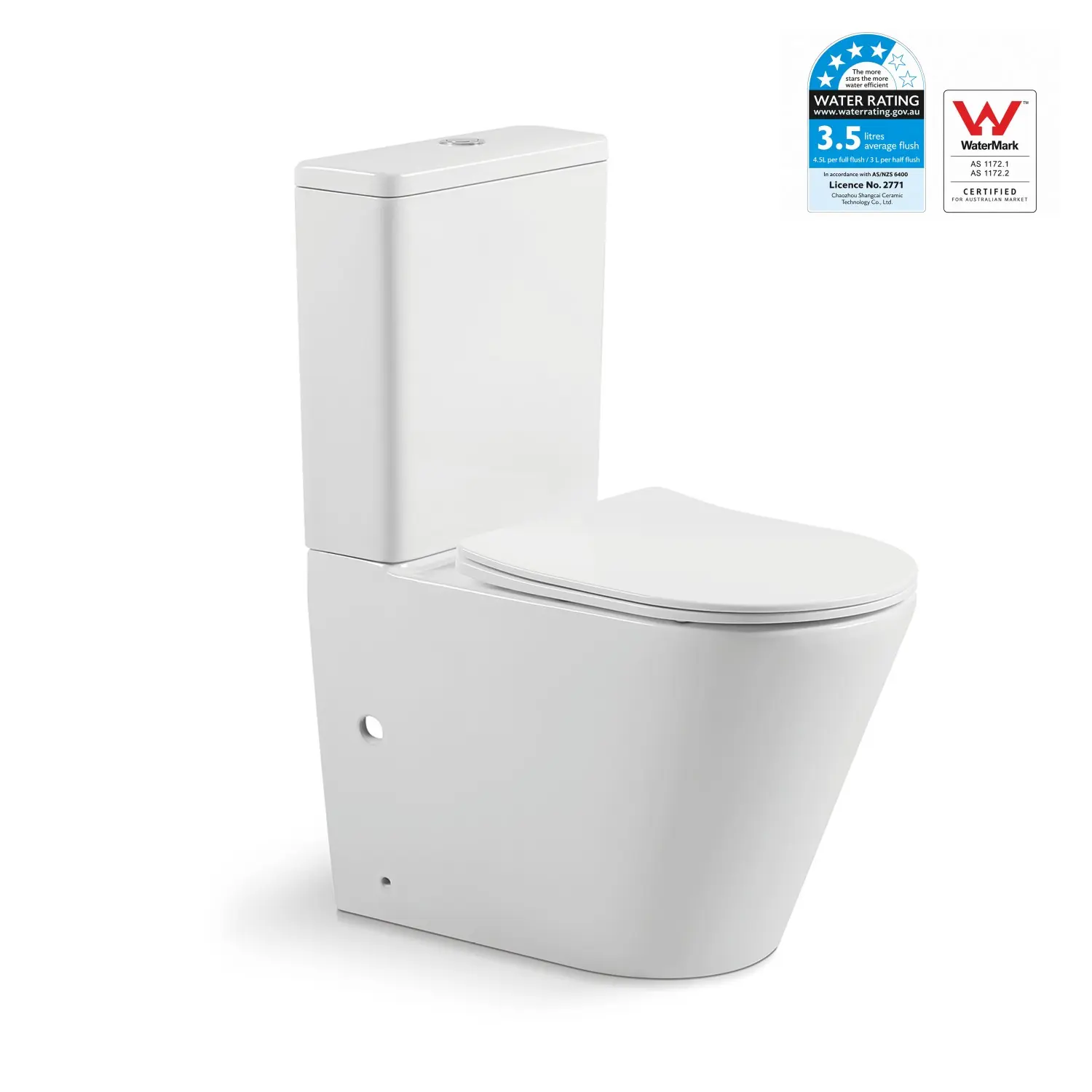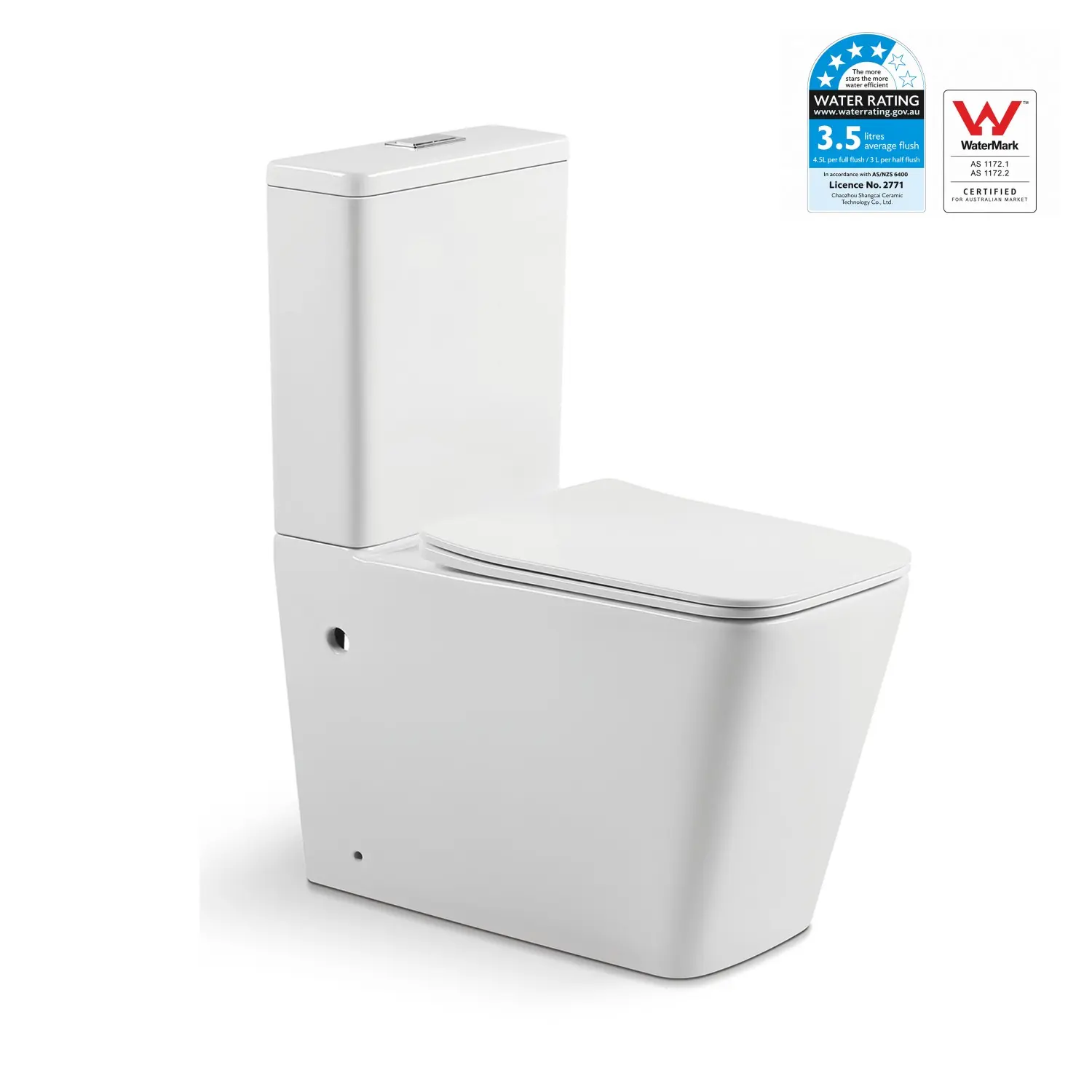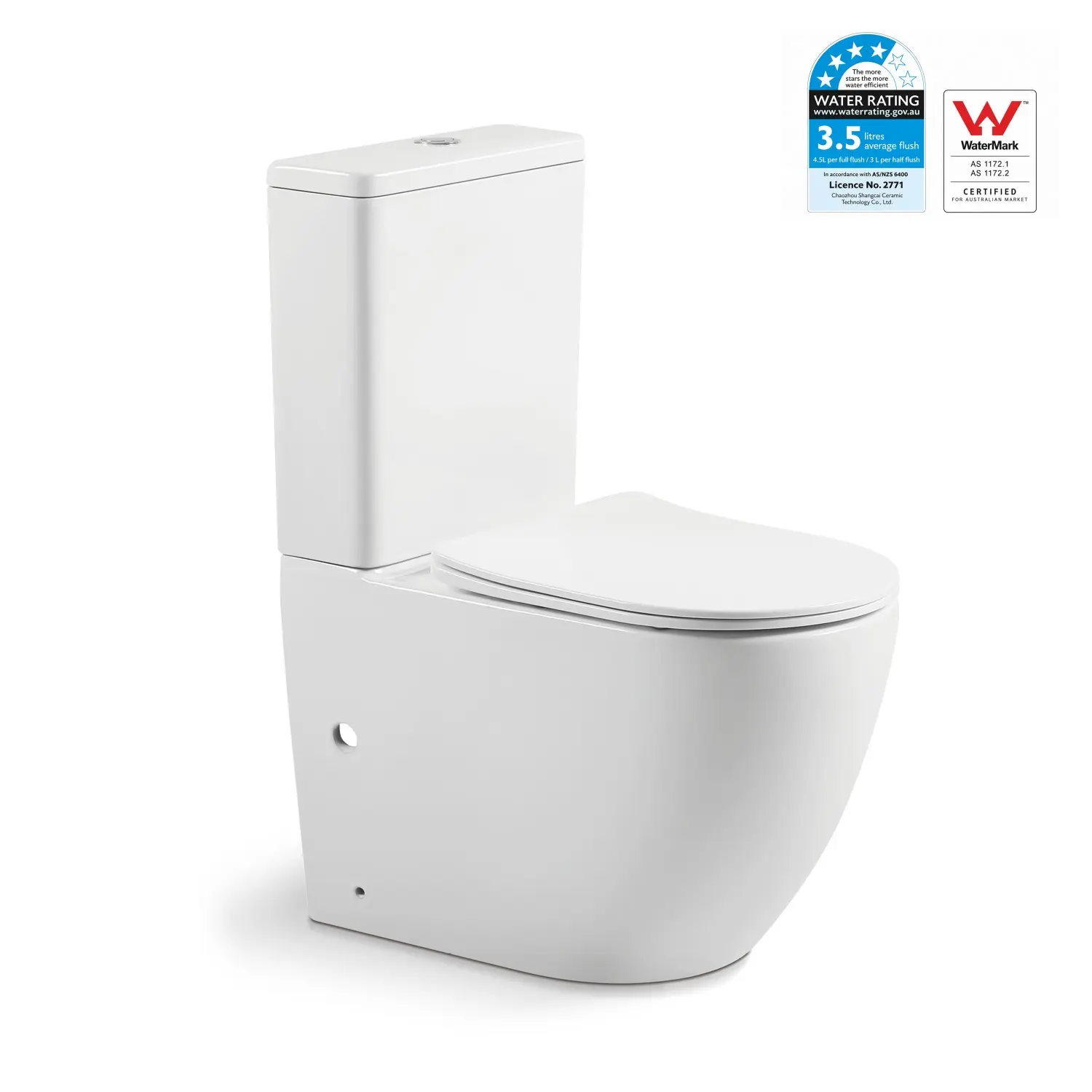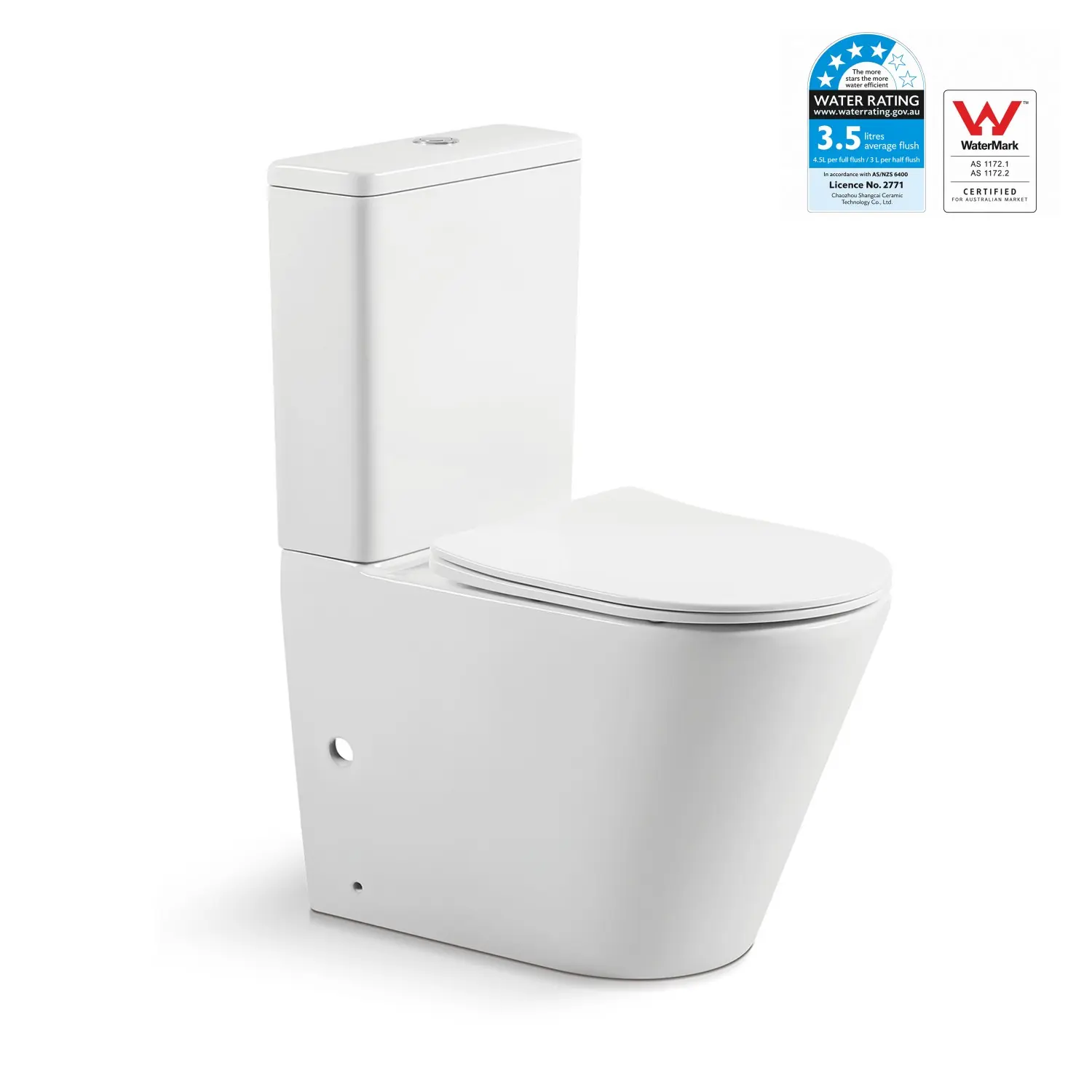






When choosing a new toilet, buyers often have to decide between a one-piece toilet and a traditional two-piece toilet. At first glance, the difference seems simple: a one-piece toilet combines the tank and bowl into a single ceramic unit, while a two-piece toilet has a separate tank and bowl.
However, the differences go beyond appearance and can affect cleaning, installation, durability, bathroom space, and long-term maintenance.
The short answer is: one-piece toilets are not always better, but they can offer important advantages for modern bathrooms, especially when hygiene, easy cleaning, appearance, and space efficiency are priorities.
Two-piece toilets, on the other hand, can still be a practical choice when lower initial cost, easier transportation, or simpler component replacement is more important.
What Is a One-Piece Toilet?
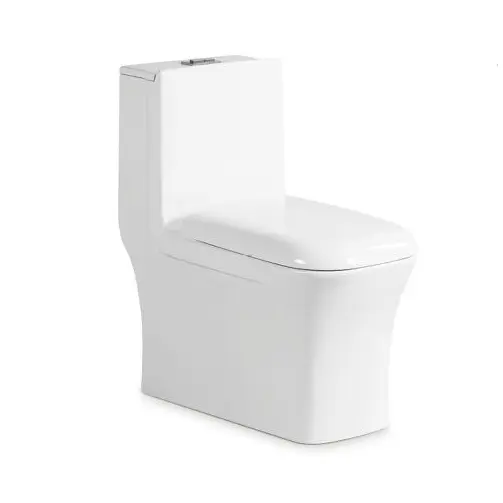
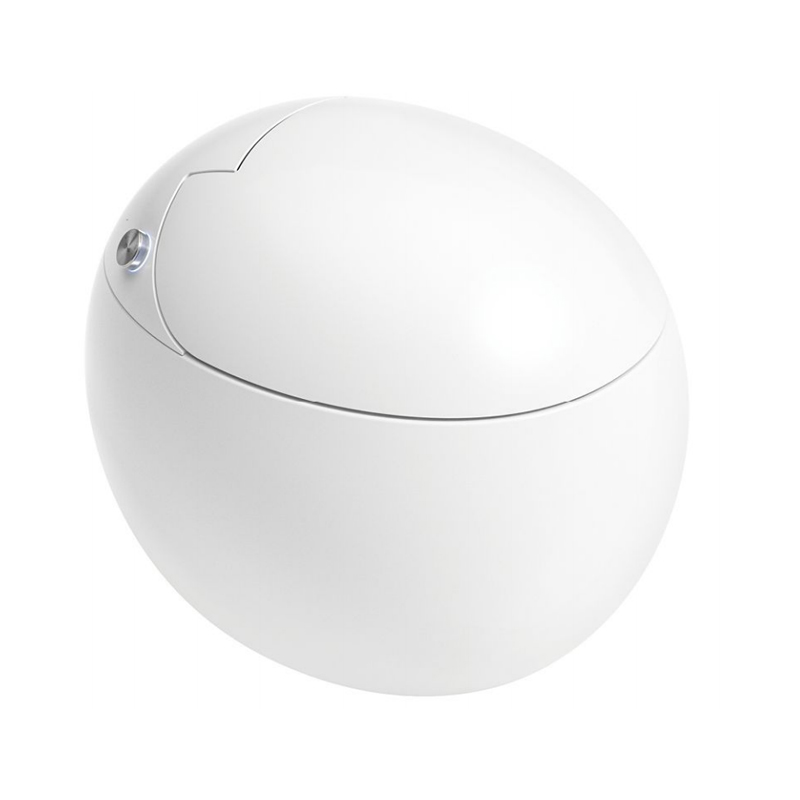
A one-piece toilet is a toilet where the tank and bowl are manufactured as a single integrated ceramic structure. Unlike a two-piece toilet, there is no separate connection between the tank and bowl. This creates a more streamlined appearance and eliminates the seam between the two ceramic sections.
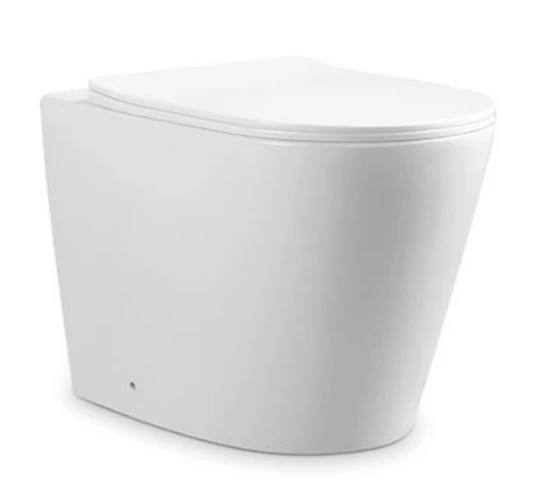
One-piece toilets are available in a wide range of designs, including compact round-front models, elongated toilets, rimless toilets, siphonic flushing toilets, and modern water-saving models.
Because the ceramic body is formed as one unit, manufacturers can create smoother exterior surfaces and more contemporary designs.
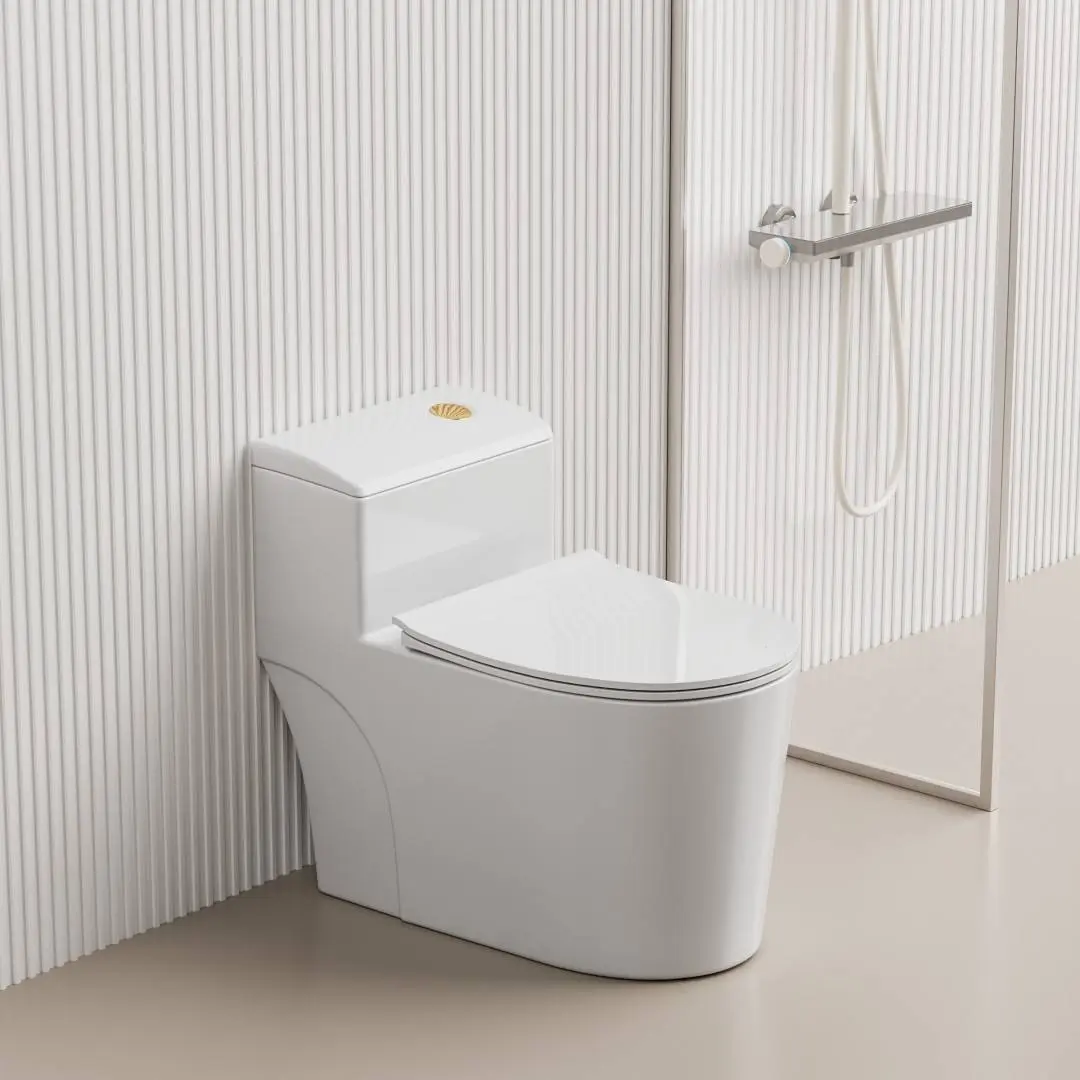
One-Piece vs. Two-Piece Toilets: What Is the Difference?
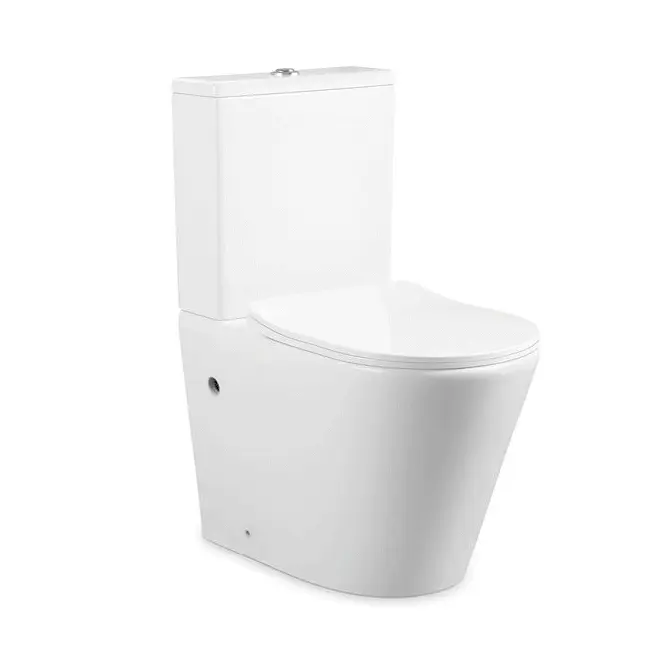
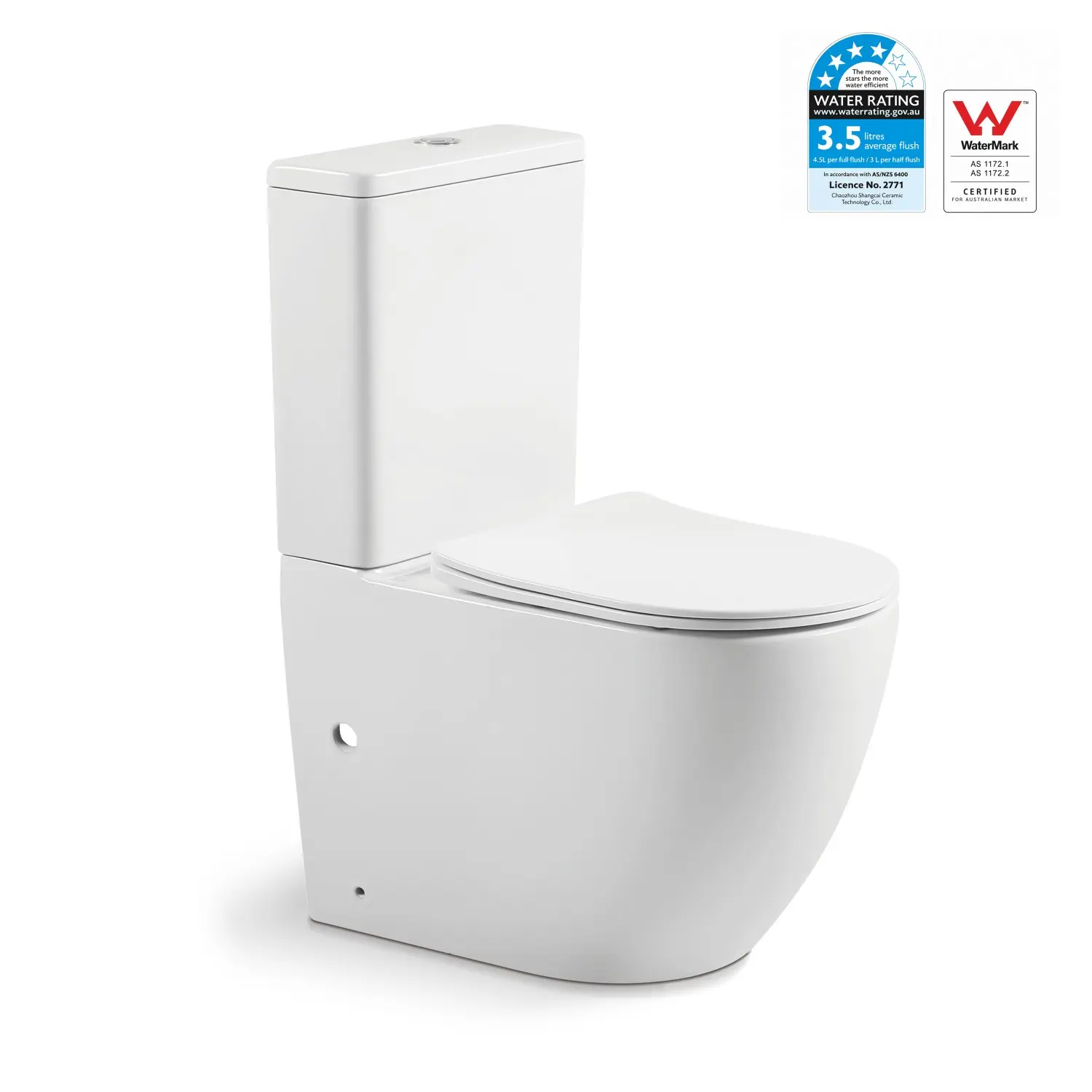
The main difference is the construction. A one-piece toilet has an integrated tank and bowl, while a two-piece toilet has separate components that are assembled during installation.
| Feature | One-Piece Toilet | Two-Piece Toilet |
|---|---|---|
| Design | Integrated and streamlined | Traditional separate tank and bowl |
| Cleaning | Easier around the tank connection | More difficult around the joint |
| Hygiene | Fewer seams and gaps | More seams and connection areas |
| Appearance | Modern and seamless | Traditional |
| Installation | Heavier but fewer assembly steps | Easier to handle in separate parts |
| Maintenance | Integrated structure | Individual components are easier to replace |
| Space | Often more compact visually | Usually requires more visual space |
| Price | Generally higher | Generally more affordable |
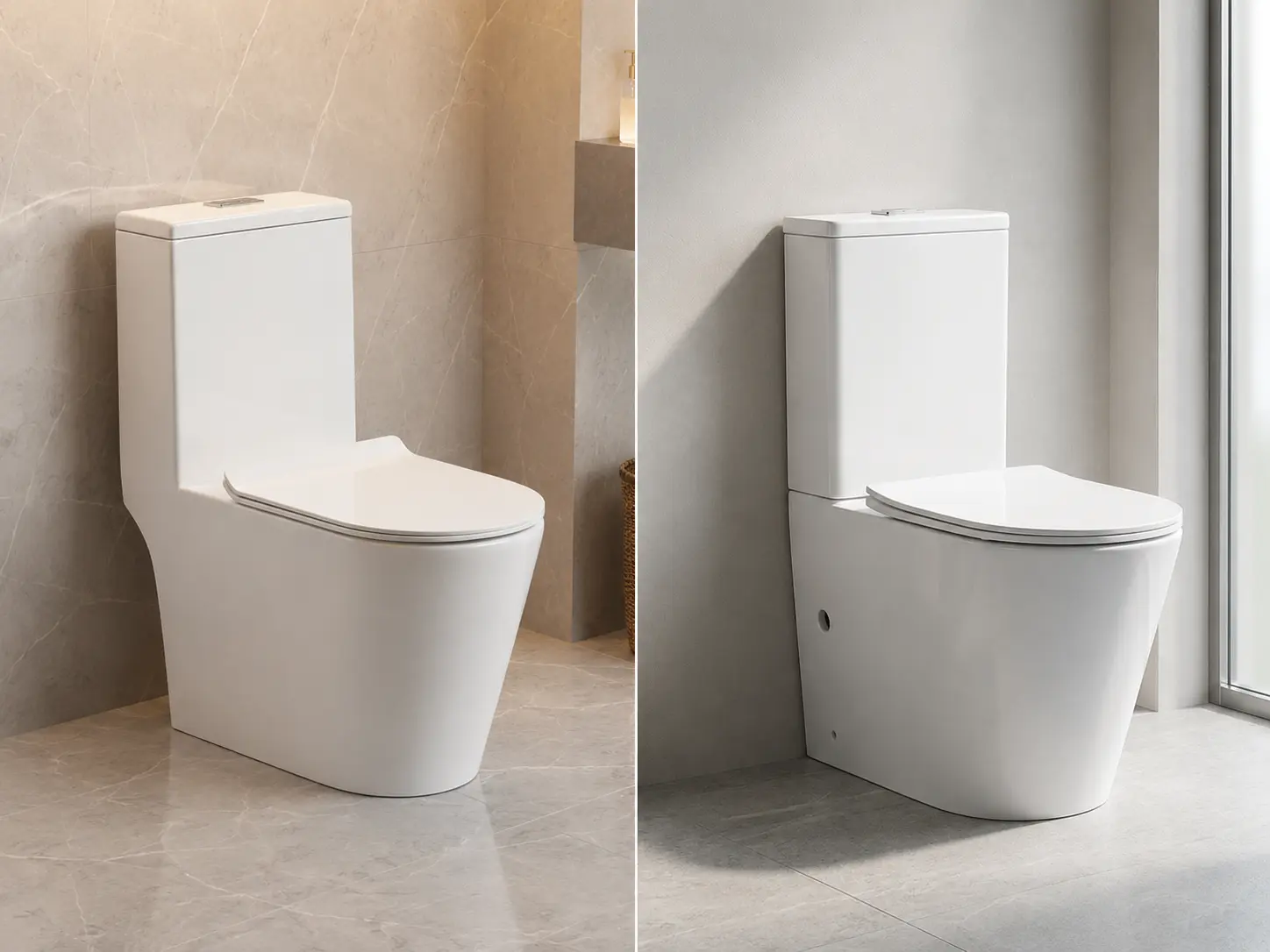
Are One-Piece Toilets Easier to Clean?
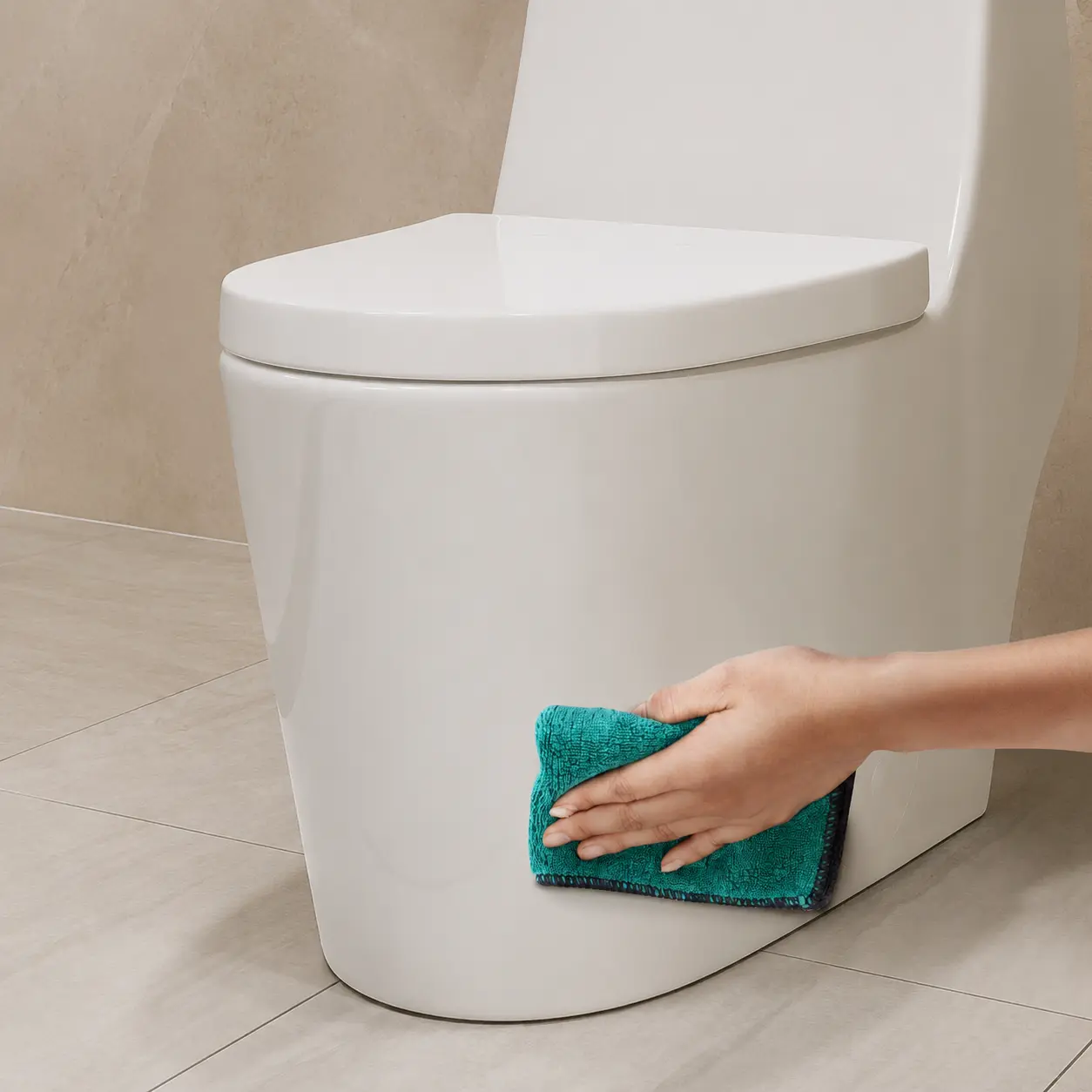
One of the biggest advantages of a one-piece toilet is easier cleaning. Because the tank and bowl are integrated, there is no large joint or narrow gap between them where dust, dirt, and moisture can accumulate.
This is particularly useful in bathrooms where regular cleaning is important. The smooth ceramic surface can generally be wiped down more easily, while the reduced number of seams makes it easier to reach difficult areas.
For commercial bathrooms, hotels, apartments, and modern residential projects, this simpler cleaning process can be a practical advantage.
Are One-Piece Toilets More Hygienic?
A one-piece toilet can offer hygiene advantages because it has fewer joints and exposed connection points. The area between the tank and bowl of a traditional two-piece toilet can become a difficult-to-clean location over time.
However, the overall hygiene of a toilet depends on more than whether it is one-piece or two-piece. The flushing system, ceramic glaze, toilet bowl design, rim structure, water seal, and cleaning habits also play important roles.
For buyers comparing different models, it is therefore better to evaluate the entire toilet design rather than choosing solely based on the one-piece structure.
Do One-Piece Toilets Save Space?
One-piece toilets can be an excellent choice for bathrooms where space and visual simplicity are important. Their integrated structure creates a cleaner profile and can make the bathroom appear more organized.
However, it is important to distinguish between visual space efficiency and actual dimensions. A one-piece toilet is not automatically smaller than every two-piece toilet. Buyers should compare the actual projection, width, height, and rough-in dimensions of each model.
For compact bathrooms, apartments, and renovation projects, a well-designed compact one-piece toilet can help create a cleaner and less crowded appearance.
Are One-Piece Toilets More Durable?
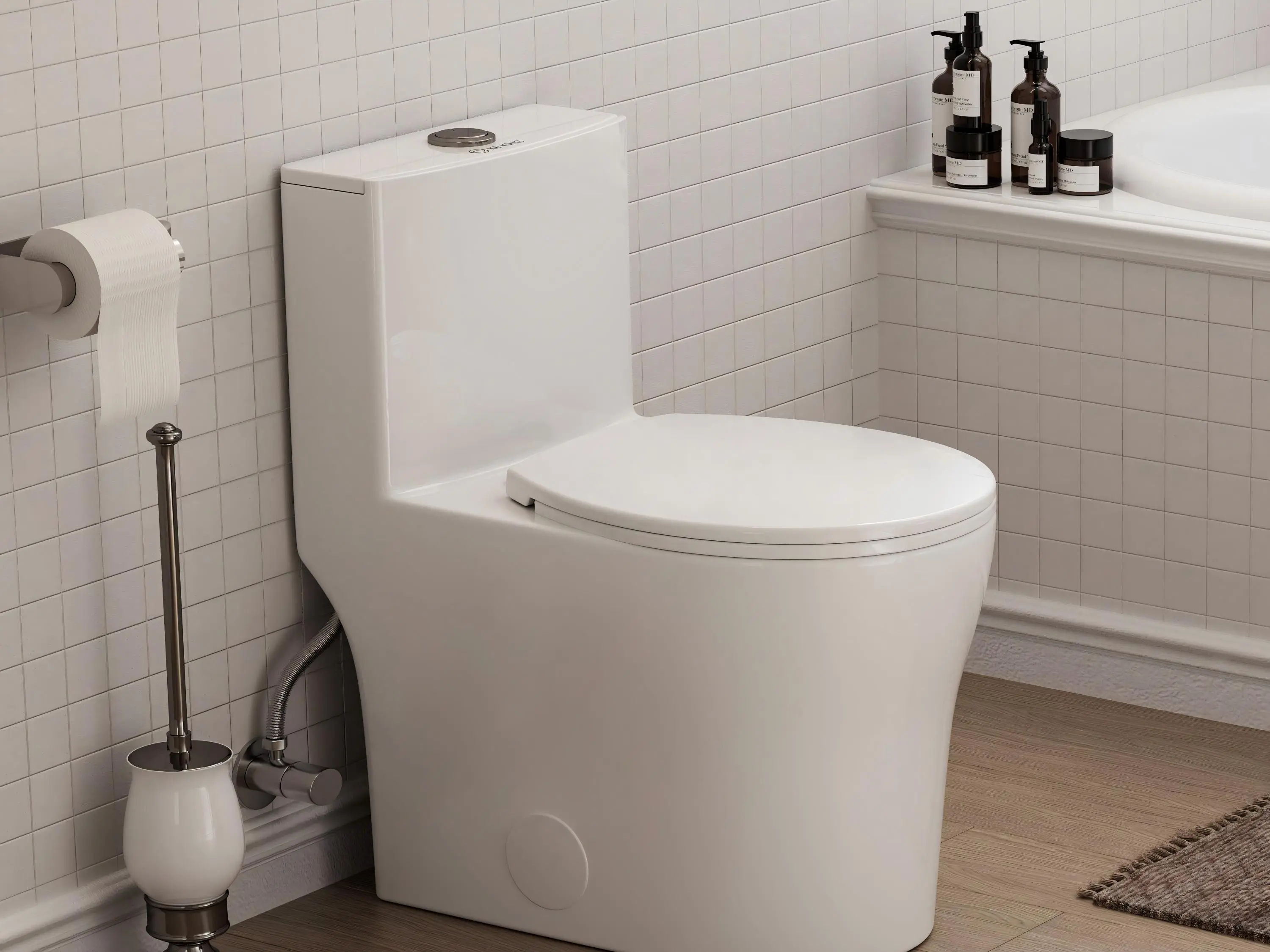
A one-piece toilet has fewer structural connections between the tank and bowl, which can reduce the number of external connection points that could potentially loosen or develop leaks.
The integrated ceramic body can also provide a solid and stable appearance. However, durability ultimately depends heavily on ceramic quality, manufacturing precision, flushing components, seals, and overall quality control.
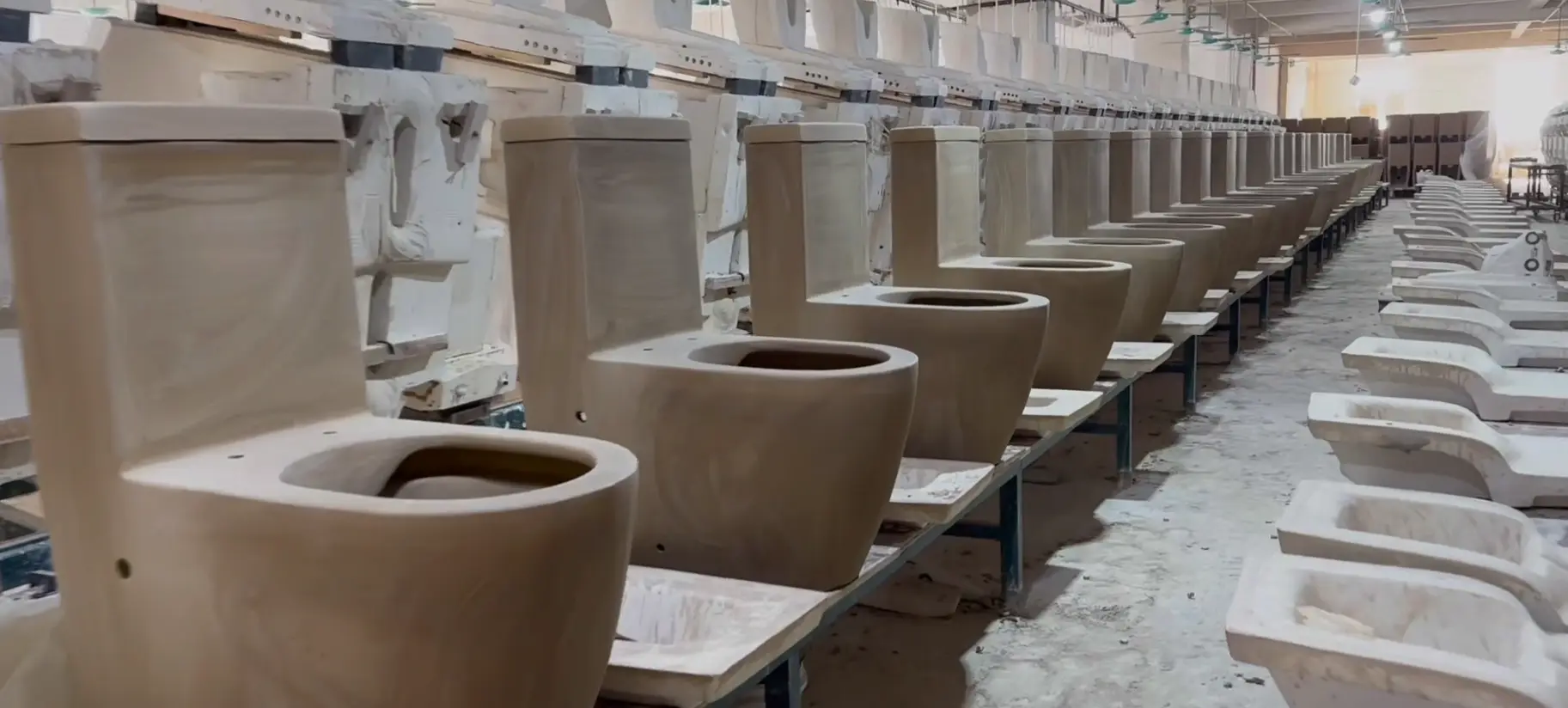
This is why buyers should pay attention not only to the toilet’s appearance but also to the manufacturing standards and component quality behind the product.
Are One-Piece Toilets Easier to Install?
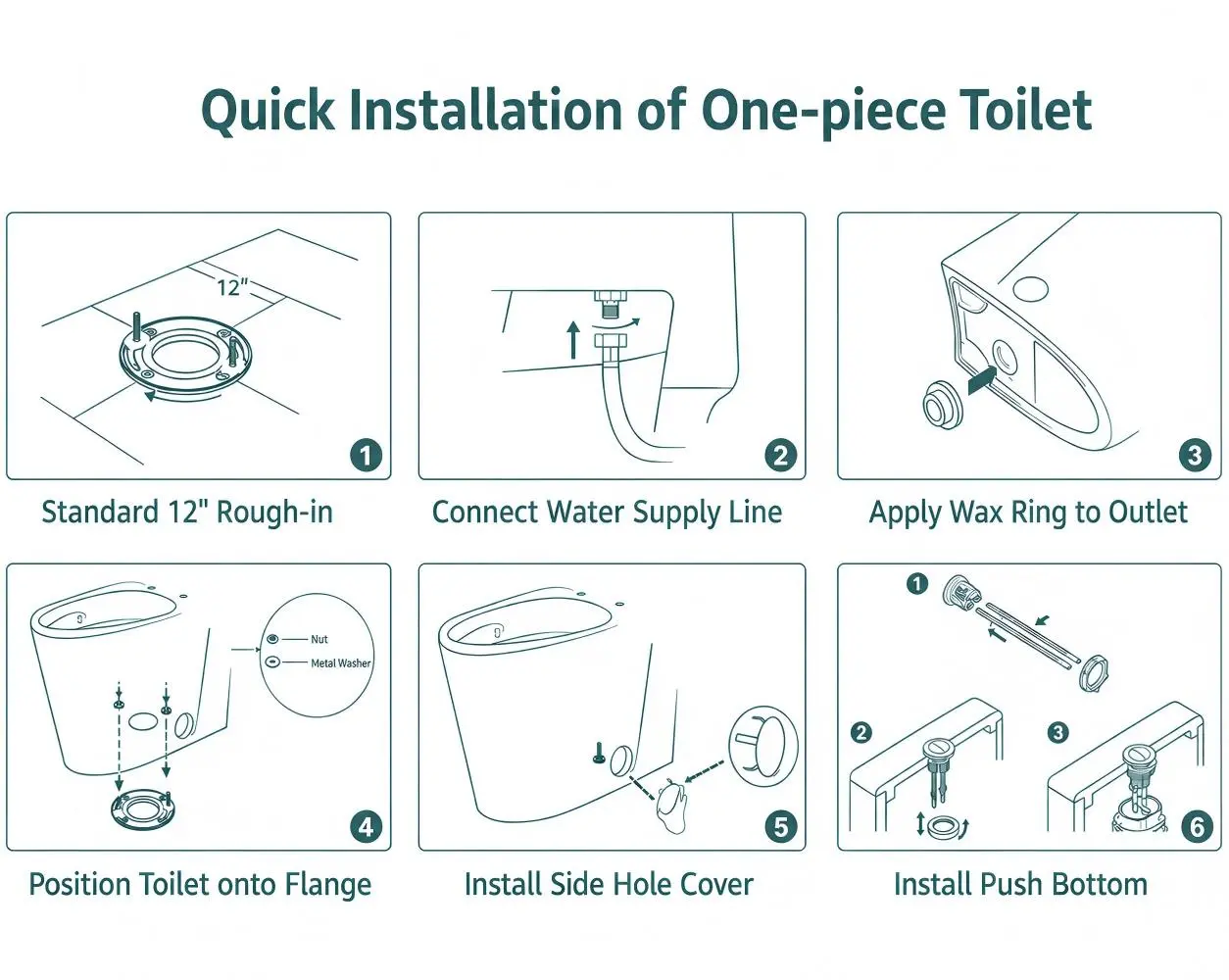
Installation is one area where one-piece and two-piece toilets have different advantages. A one-piece toilet does not require the tank to be separately mounted onto the bowl, which can simplify the assembly process.
However, one-piece toilets are generally heavier because the tank and bowl are combined into a single ceramic body. This means that moving and positioning the toilet may require more care and, in some cases, two people.
For professional installation, this is usually manageable. However, for DIY users or projects where transportation through narrow spaces is difficult, the separate components of a two-piece toilet may offer an advantage.
Are One-Piece Toilets More Expensive?
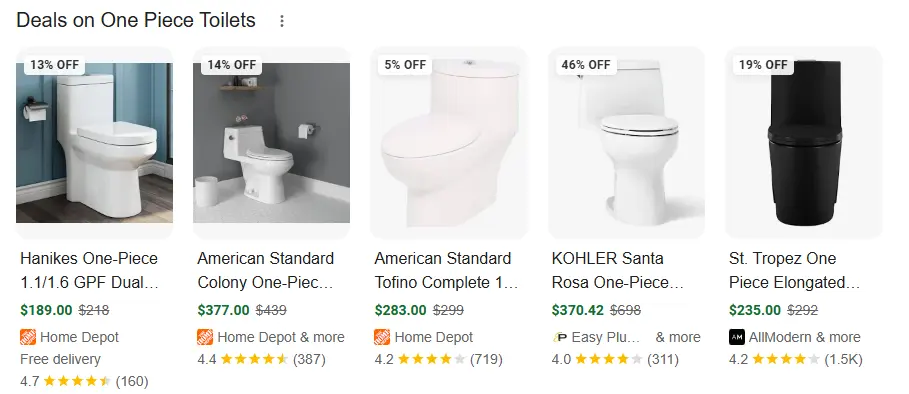
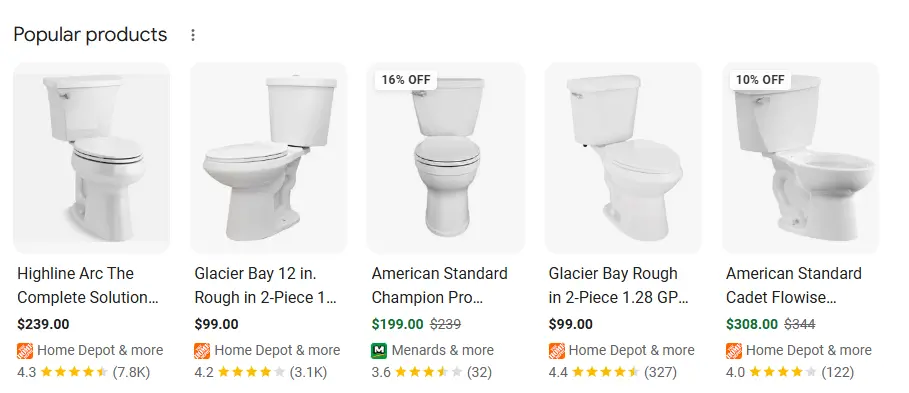
In many markets, one-piece toilets are priced higher than entry-level two-piece toilets. This is partly related to their integrated ceramic construction, manufacturing process, design, and positioning in the market.
However, price should not be evaluated separately from long-term value. Easier cleaning, modern appearance, fewer external joints, and potentially simpler maintenance can make a one-piece toilet attractive for residential and commercial projects.
For buyers purchasing in larger quantities, it is especially important to compare total value rather than simply selecting the lowest unit price.
What About Flushing Performance?
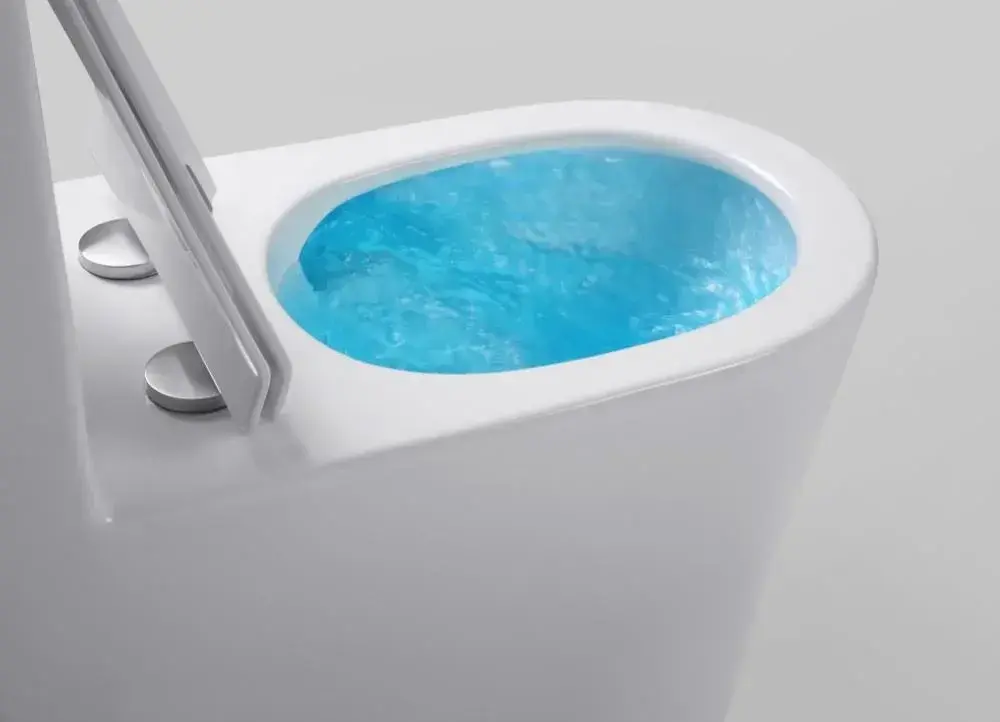
The fact that a toilet is one-piece does not automatically mean that it has better flushing performance. Flushing performance is primarily influenced by the hydraulic design, trapway, flush valve, water volume, rim or rimless structure, and overall bowl geometry.
A well-designed one-piece toilet can deliver strong flushing performance while using less water. For modern markets, water efficiency is increasingly important, especially where water-saving regulations or certification requirements apply.
When evaluating a toilet, buyers should therefore look at actual flushing test results instead of assuming that one-piece construction automatically means better performance.
One-Piece Toilets and Water Efficiency
Water efficiency has become an increasingly important factor in toilet purchasing decisions. Modern toilets may use significantly less water per flush than older models while still maintaining effective waste removal.
For buyers, the important point is not simply choosing a toilet with a lower flush volume. A low-water toilet must also provide sufficient flushing force and effective bowl cleaning.
This is particularly important for distributors and sanitary ware retailers because customers increasingly expect a balance between water saving, flushing performance, and daily reliability.
Are One-Piece Toilets Better for Modern Bathrooms?
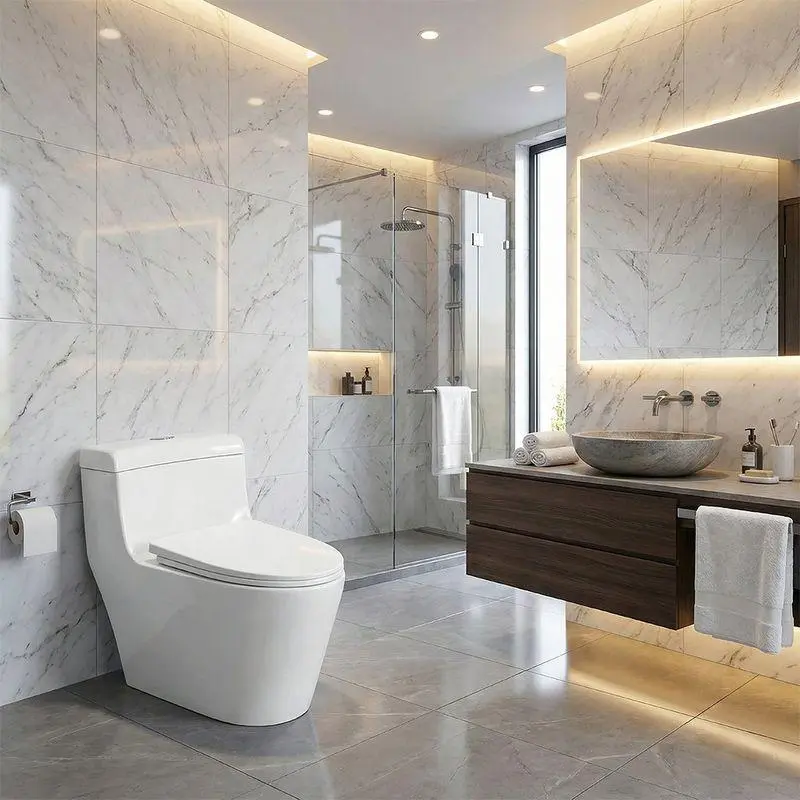
For modern bathroom projects, one-piece toilets often have a strong design advantage. Their smooth silhouette and integrated appearance work well with minimalist, contemporary, and premium bathroom styles.
The clean appearance can also make the toilet easier to integrate with modern bathroom furniture, wall finishes, tiles, and other sanitary products.
For hospitality projects such as hotels, serviced apartments, and upscale residential developments, appearance can be an important part of the purchasing decision.
One-Piece Toilet: Pros and Cons
Before making a decision, it is useful to summarize the major advantages and disadvantages.
| Aspect | Advantages | Disadvantages |
|---|---|---|
| Cleaning | Fewer joints and gaps make routine cleaning easier. | — |
| Appearance | Integrated design creates a modern, smooth, and streamlined look. | — |
| Connections | Fewer external connection points can reduce potential leak points. | — |
| Modern Bathrooms | Well suited to minimalist, contemporary, and premium bathroom designs. | — |
| Maintenance | Fewer external joints can simplify some routine maintenance tasks. | Some integrated components may require more specialized servicing. |
| Initial Cost | — | Generally more expensive than basic two-piece toilets. |
| Weight | — | The integrated ceramic body is generally heavier. |
| Transportation | — | More difficult to move through narrow spaces because the entire unit must be transported together. |
| Installation | Fewer assembly steps because the tank and bowl are integrated. | Greater weight can make positioning and installation more difficult. |
Is a One-Piece Toilet Worth Buying?
For many modern bathroom projects, the answer is yes. A one-piece toilet can provide a combination of clean design, easier maintenance, fewer visible joints, and good space efficiency.
However, the best choice depends on the application. If the priority is the lowest purchase price and easy transportation, a two-piece toilet may still be more suitable. If the priority is modern appearance, hygiene, cleaning convenience, and long-term user experience, a one-piece toilet can offer greater value.
Final Verdict: Are One-Piece Toilets Better?
If your priorities are easy cleaning, a modern appearance, fewer gaps, efficient use of space, and a premium overall look, a one-piece toilet is often an excellent choice.
At the same time, buyers should not choose a toilet based on its structure alone. Flushing performance, water efficiency, water seal recovery, ceramic quality, drainage design, certifications, and long-term reliability are equally important.
About South Villa
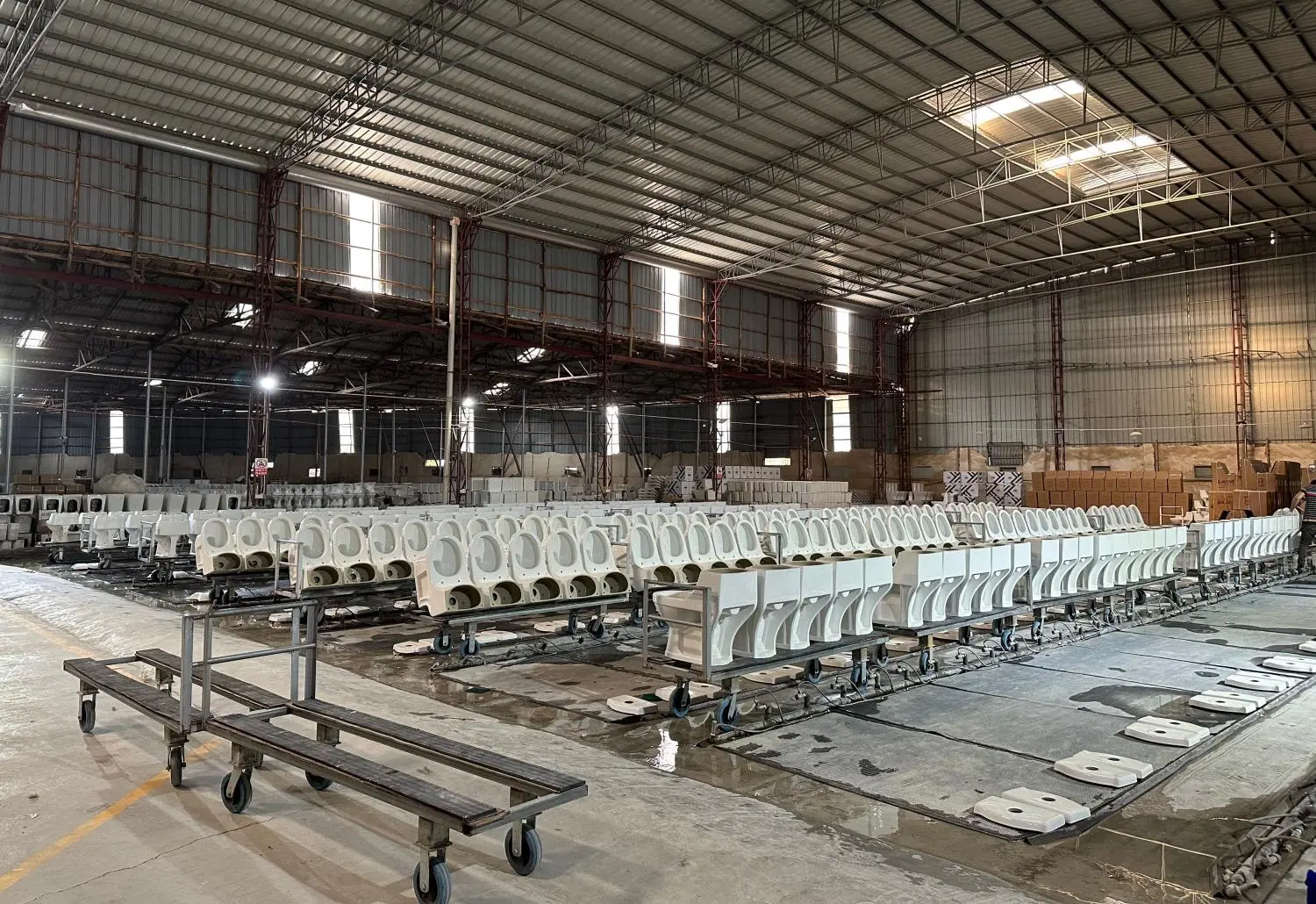
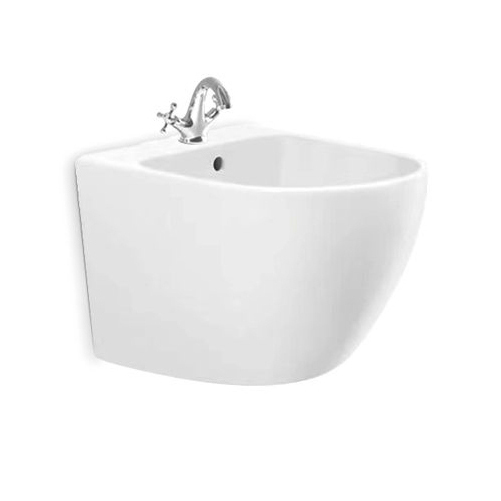
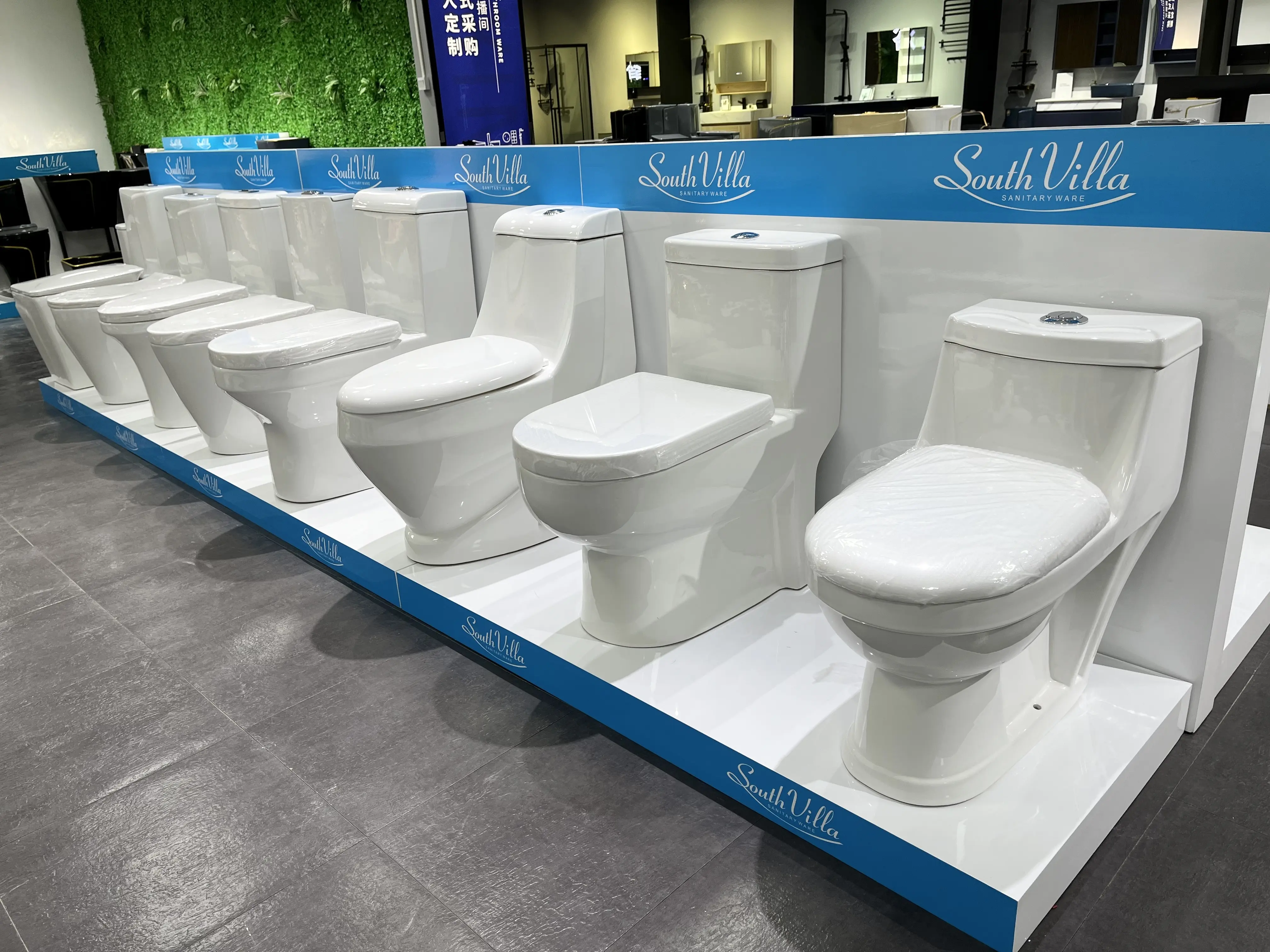
South Villa is a professional toilet manufacturer and sanitary ware supplier from Chaozhou, China, specializing in the development and production of ceramic toilets for international markets. Founded in 2009, South Villa operates a 40,000+ square meter facility with more than 150 skilled workers and a daily production capacity of over 1,000 units. Our product range includes one-piece toilets, two-piece toilets, wall-hung toilets, smart toilets, bidets, and wash basins, serving residential, commercial, hospitality, and project applications worldwide.
Whether you are sourcing one-piece toilets for retail, wholesale toilet collections for distribution, or customized solutions for a specific project, our team can provide practical products and manufacturing support for your market.