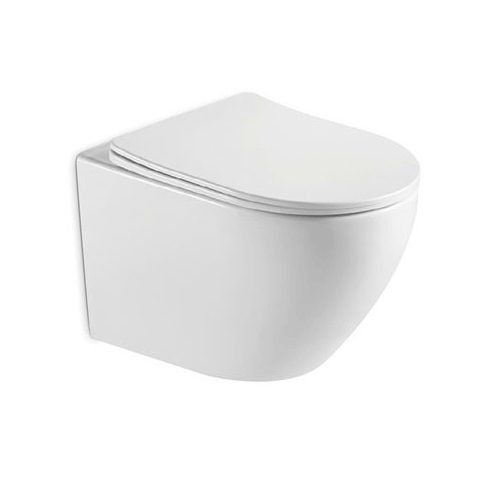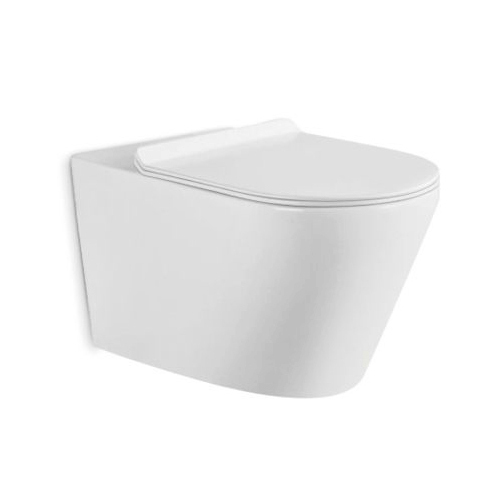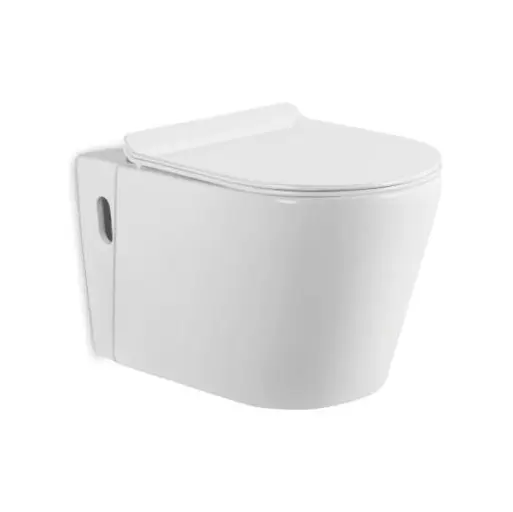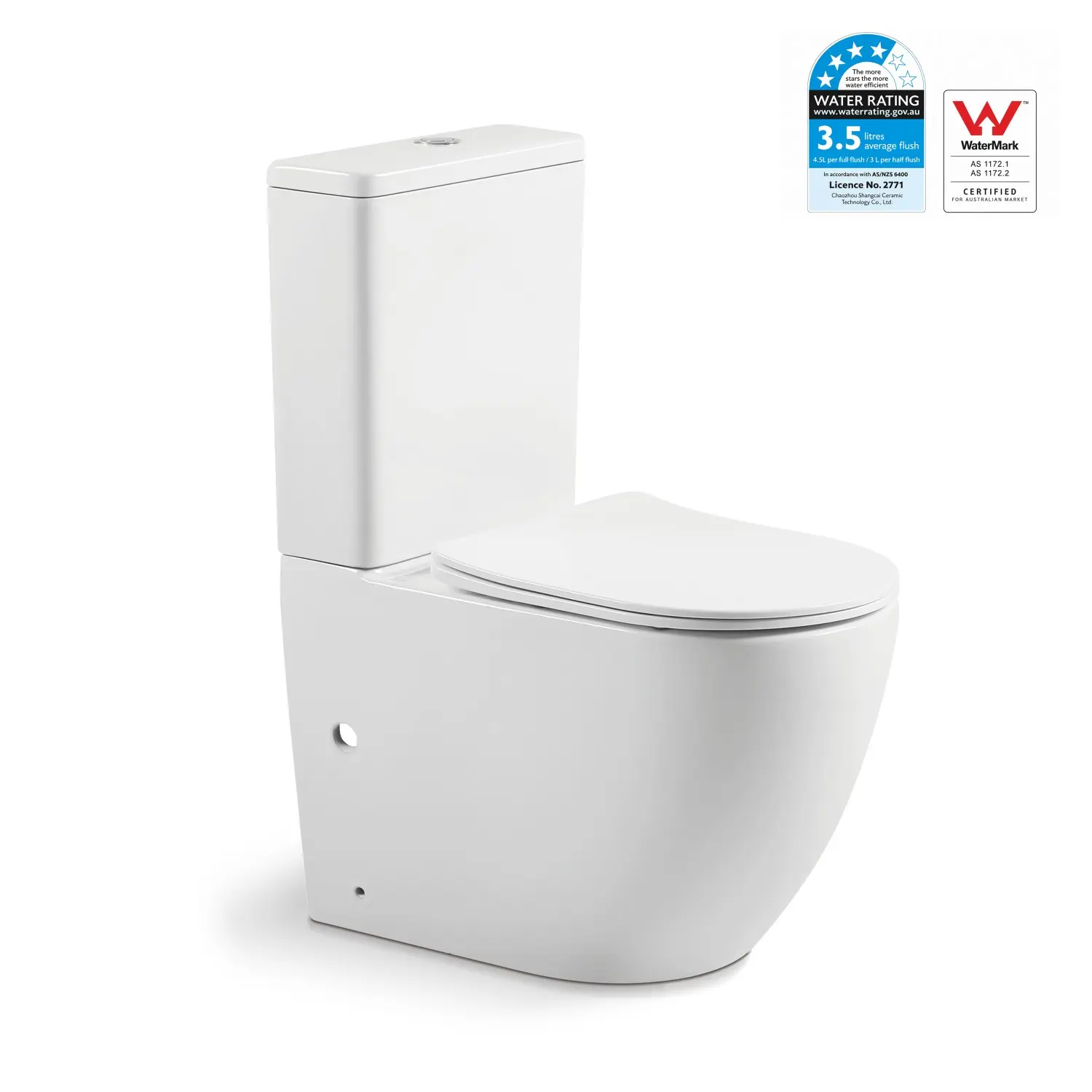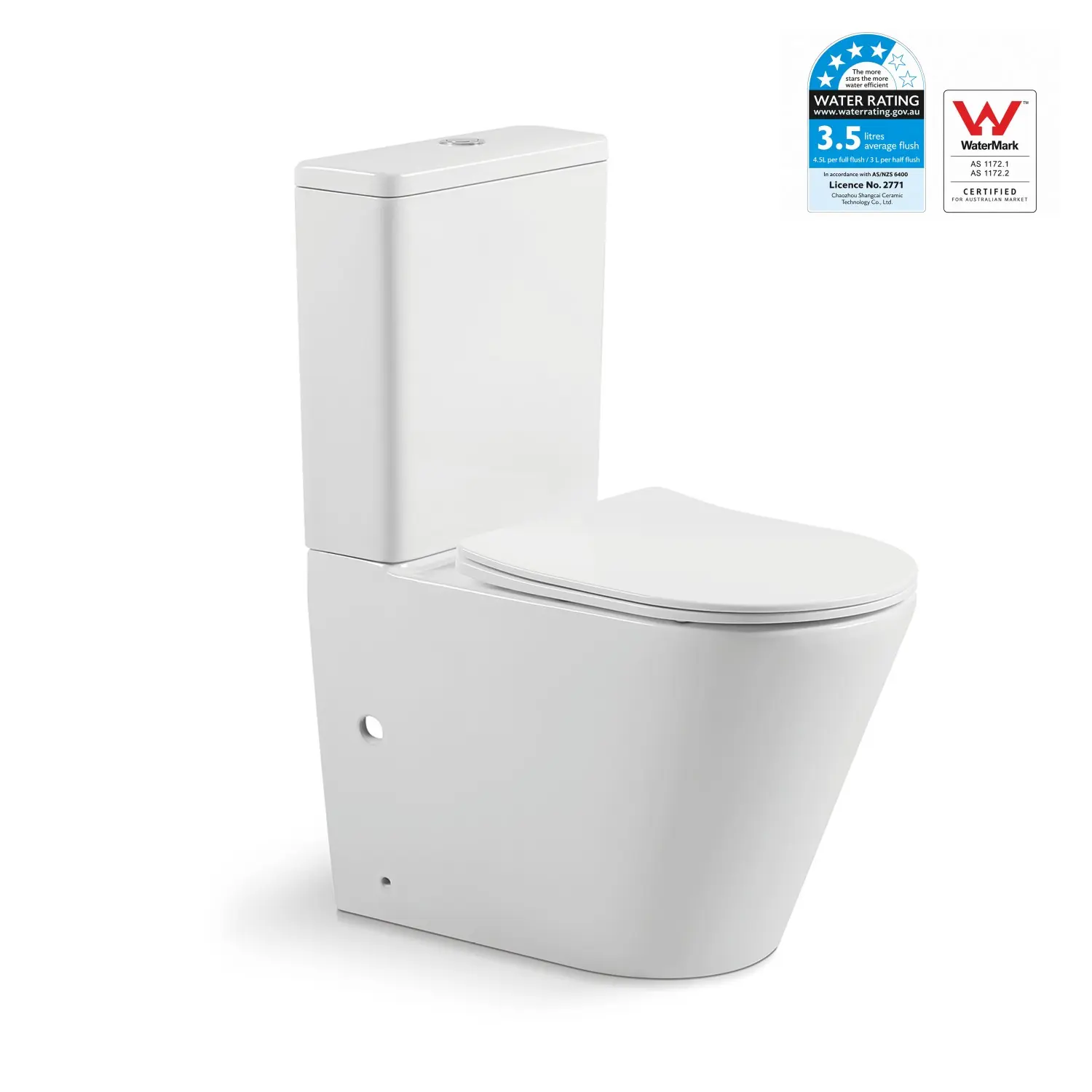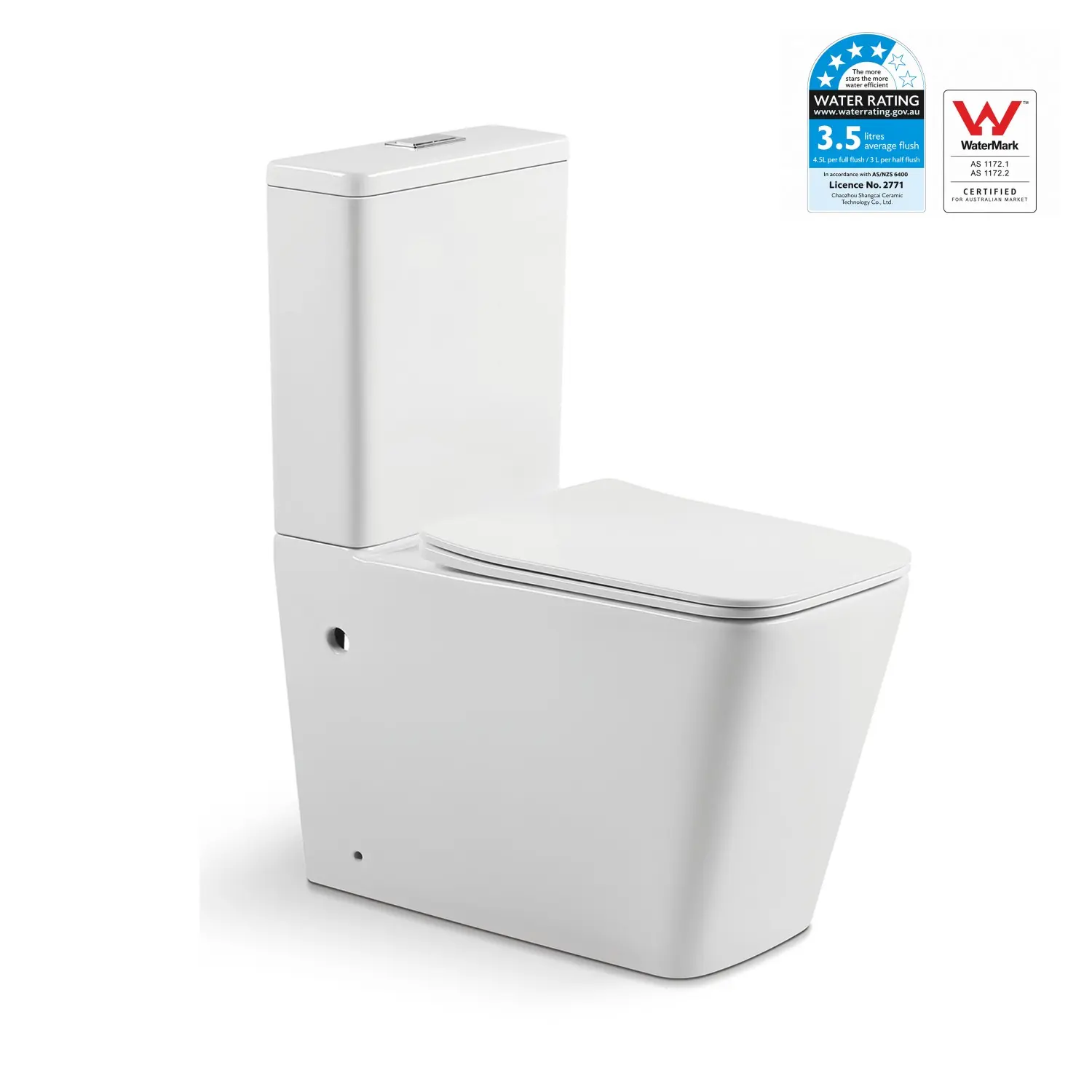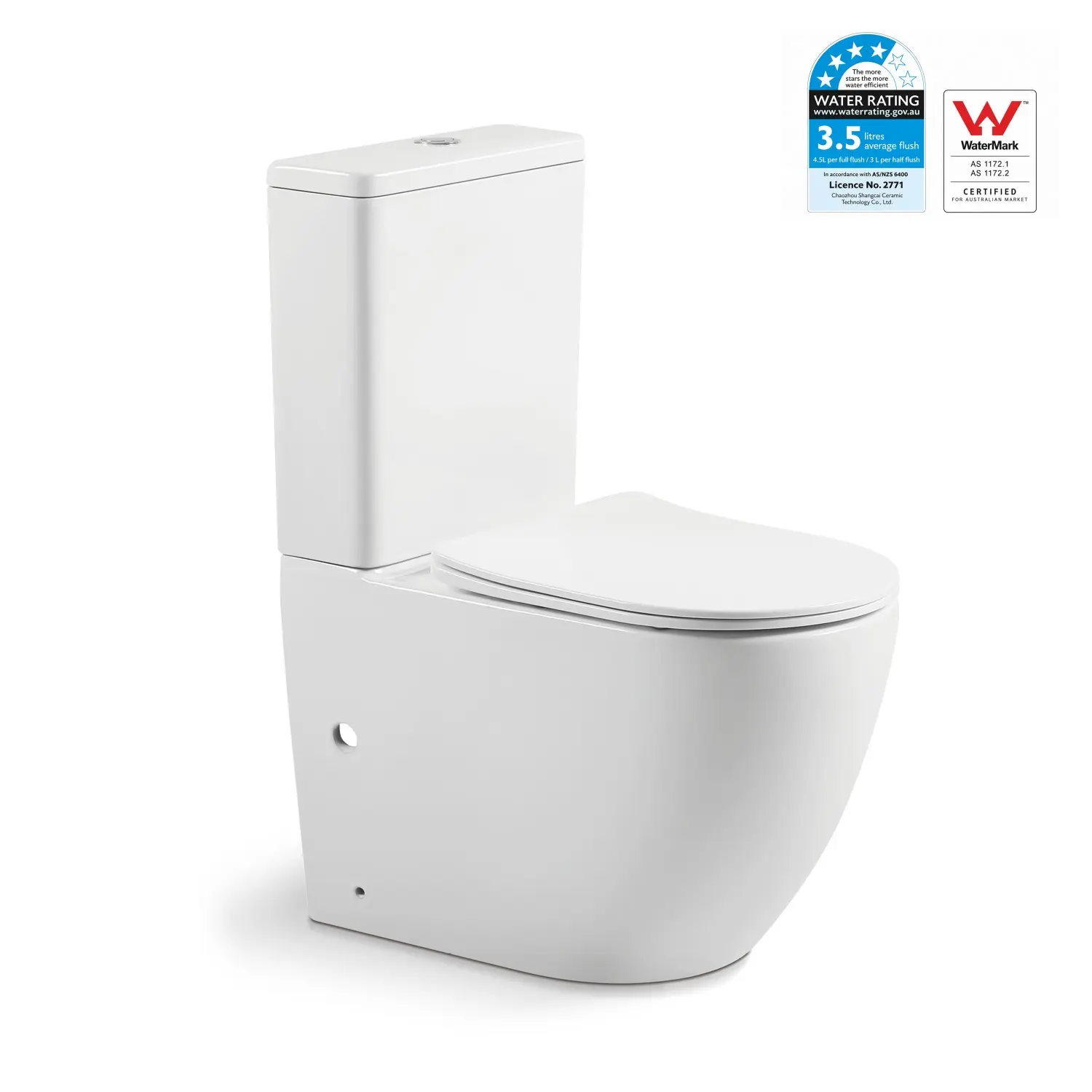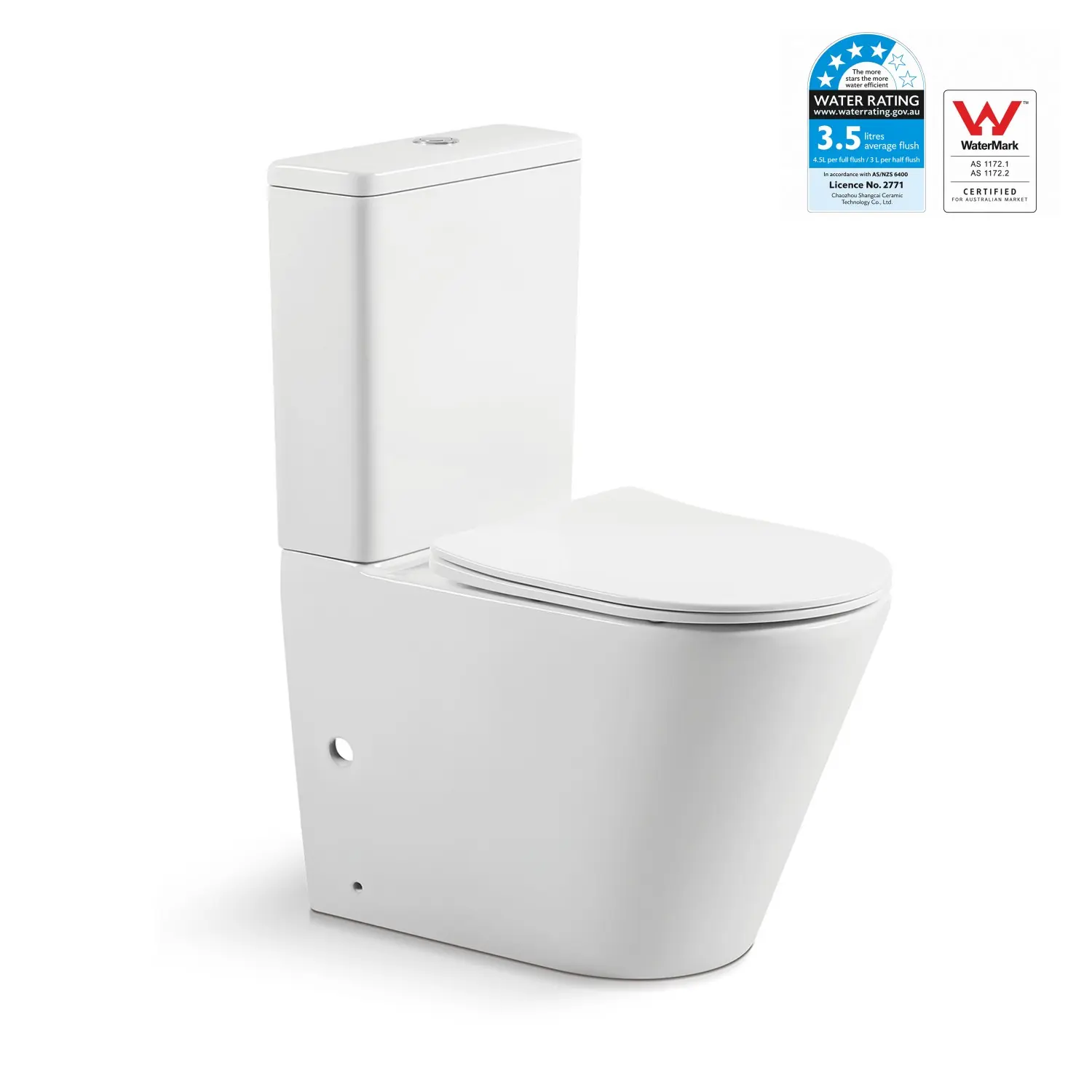








Walk into any modern bathroom showroom, and you will notice one thing immediately: wall-hung toilets are everywhere. Suspended gracefully above the floor, they create a sleek, almost futuristic look that many homeowners find irresistible. But beneath that beautiful exterior lies a critical question—are wall-hung toilets actually better than traditional floor-mounted models?
بصفتك مُصنِّع مراحيض احترافي, we have accumulated extensive expertise and knowledge in toilet solutions. In this comprehensive guide, we will break down everything you need to know about wall-hung toilets. We will explore how they work, their practical advantages and disadvantages, a detailed comparison with floor-mounted toilets, cost breakdowns, installation requirements, and ultimately provide a clear conclusion to help you determine whether a wall-hung toilet is the right choice for your home.
Quick Answer
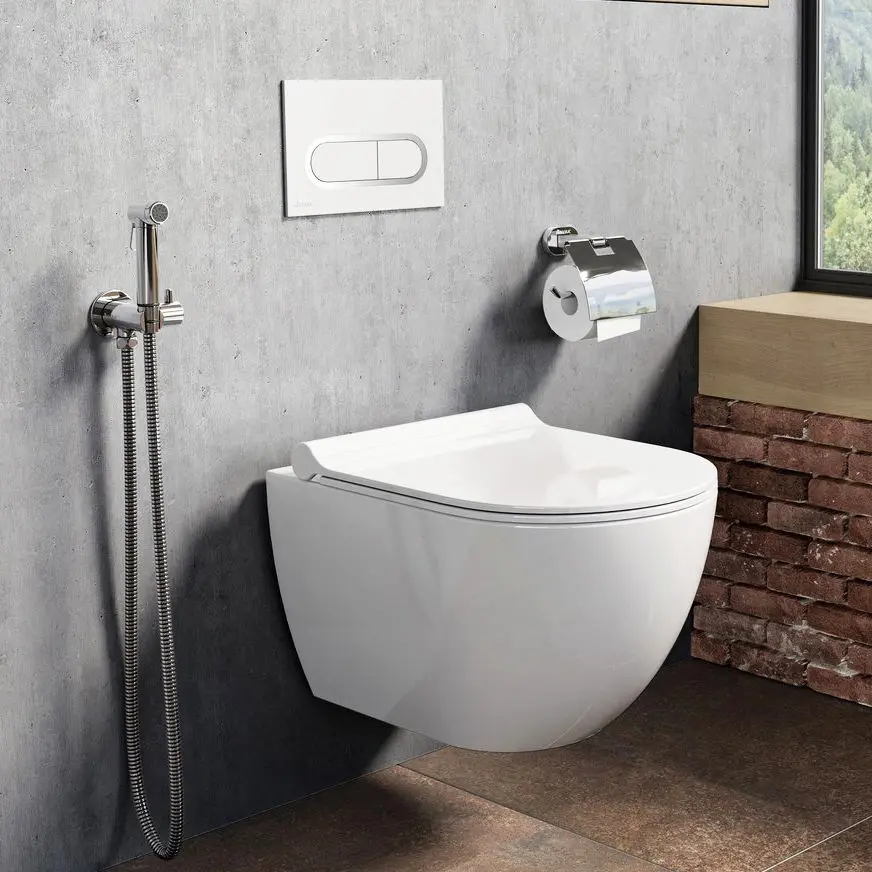
If you value design, easy cleaning, and space-saving aesthetics above all else—and you are doing a new build or full renovation with a professional installer—then yes, wall-hung toilets are absolutely better.
But if you are on a tight budget, prefer DIY-friendly installation, want the simplest and cheapest maintenance, or have unsuitable walls, then a high-quality floor-mounted toilet is still the better choice for you.
In other words, wall-hung toilets are not objectively “better” in every way. They are a trade-off: you gain beauty and cleanliness, but you pay more upfront and accept higher repair risks. The right choice depends entirely on your budget, your bathroom structure, and your personal lifestyle.
How Wall-Hung Toilets Work – A Quick Overview
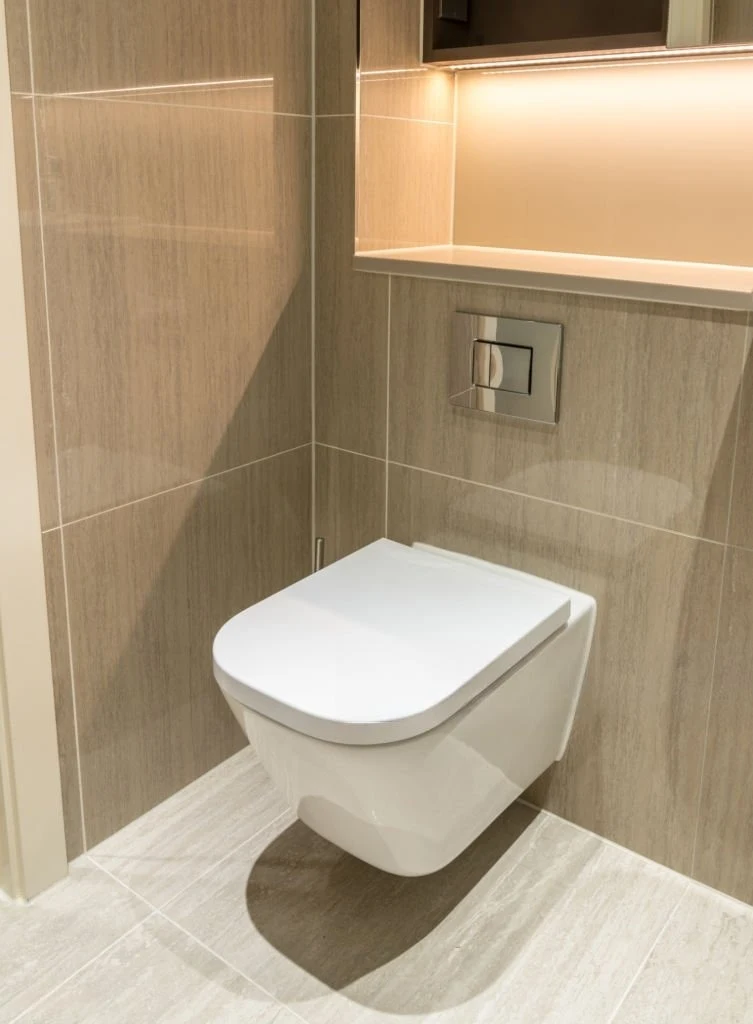
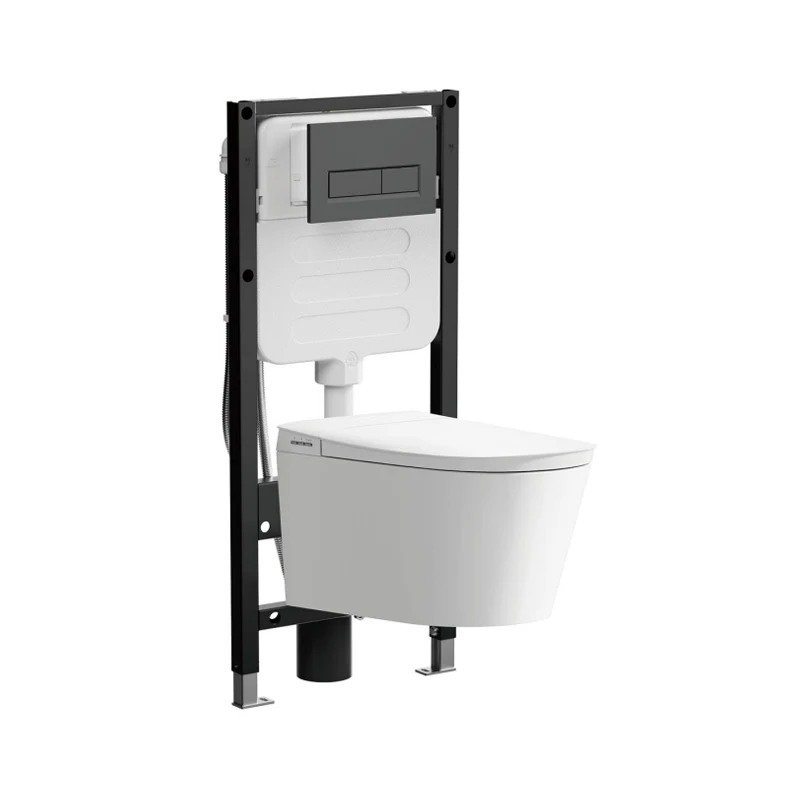
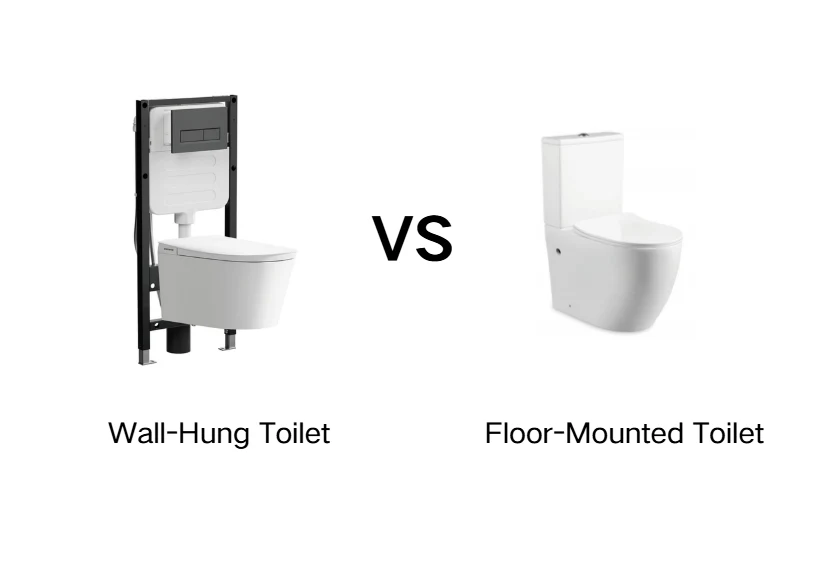
Before we dive into the pros and cons, it helps to understand the basic mechanics. A wall‑hung toilet does not actually attach directly to the drywall. Instead, it mounts onto a heavy‑duty steel support frame that is bolted to the floor and secured to the wall behind. This frame, also called a carrier system, bears the full weight of the toilet and the user.
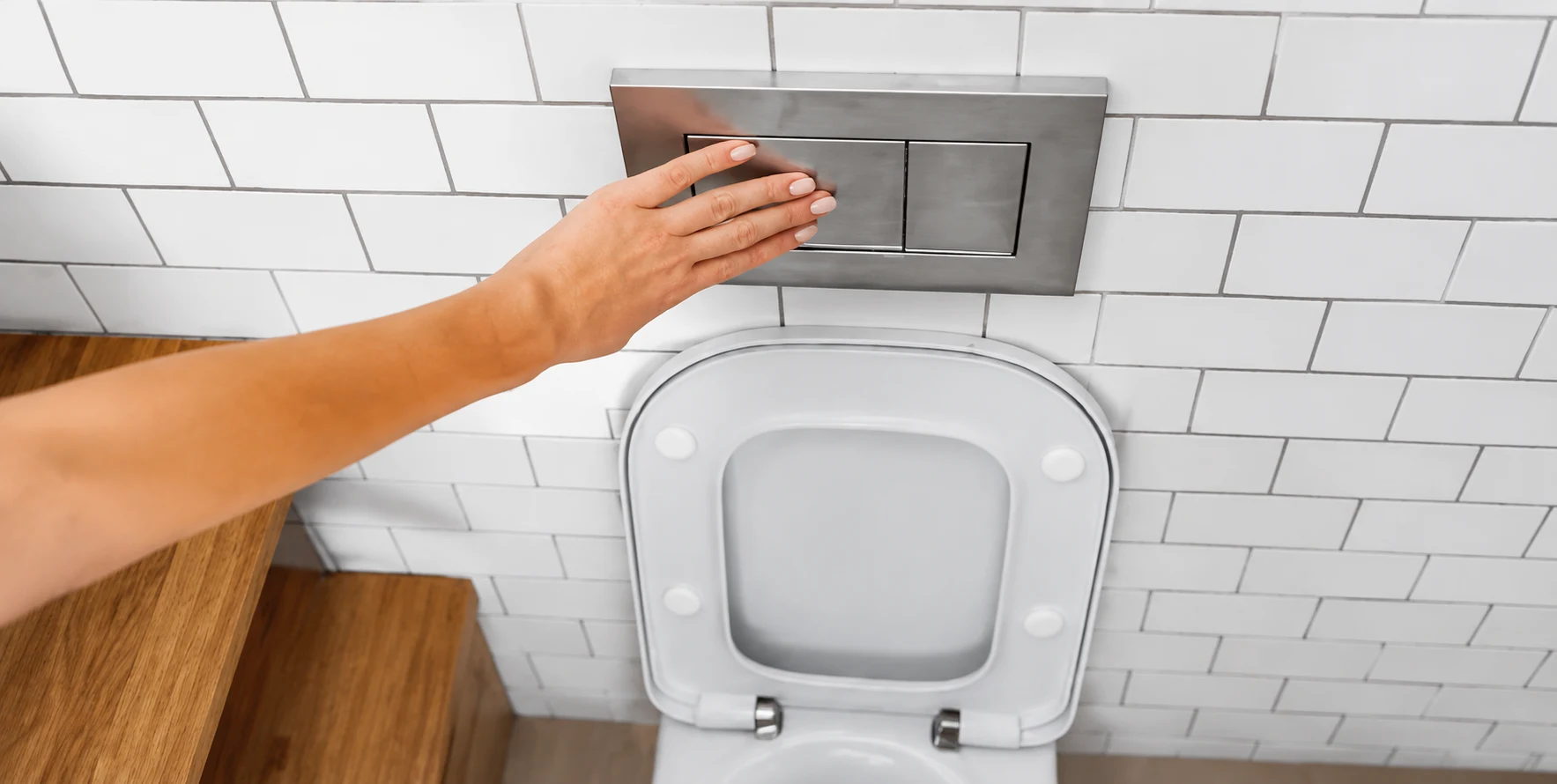
The water tank is concealed inside the wall cavity, behind the toilet bowl. This hidden cistern is typically made of durable plastic and features a dual‑flush mechanism for water efficiency. On the wall surface, you only see a sleek actuation plate—usually with two buttons for a full or partial flush. When you press the button, water flows from the concealed tank into the bowl, just like a conventional toilet, but without any visible plumbing.
This design is not just about looks; it fundamentally changes how the toilet interacts with your bathroom space. The absence of a base on the floor opens up cleaning possibilities and spatial flexibility that floor‑mounted toilets simply cannot offer.
Advantages of Wall-Hung Toilets – Why They Are So Popular
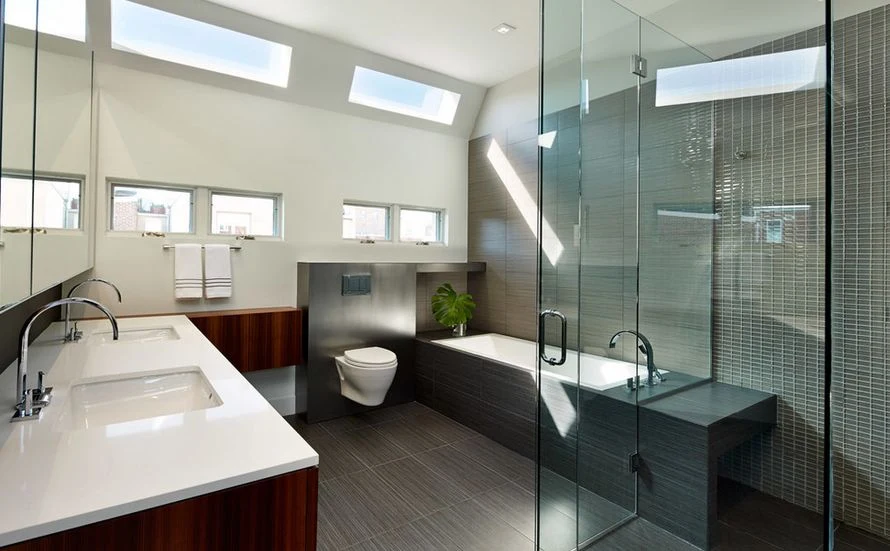
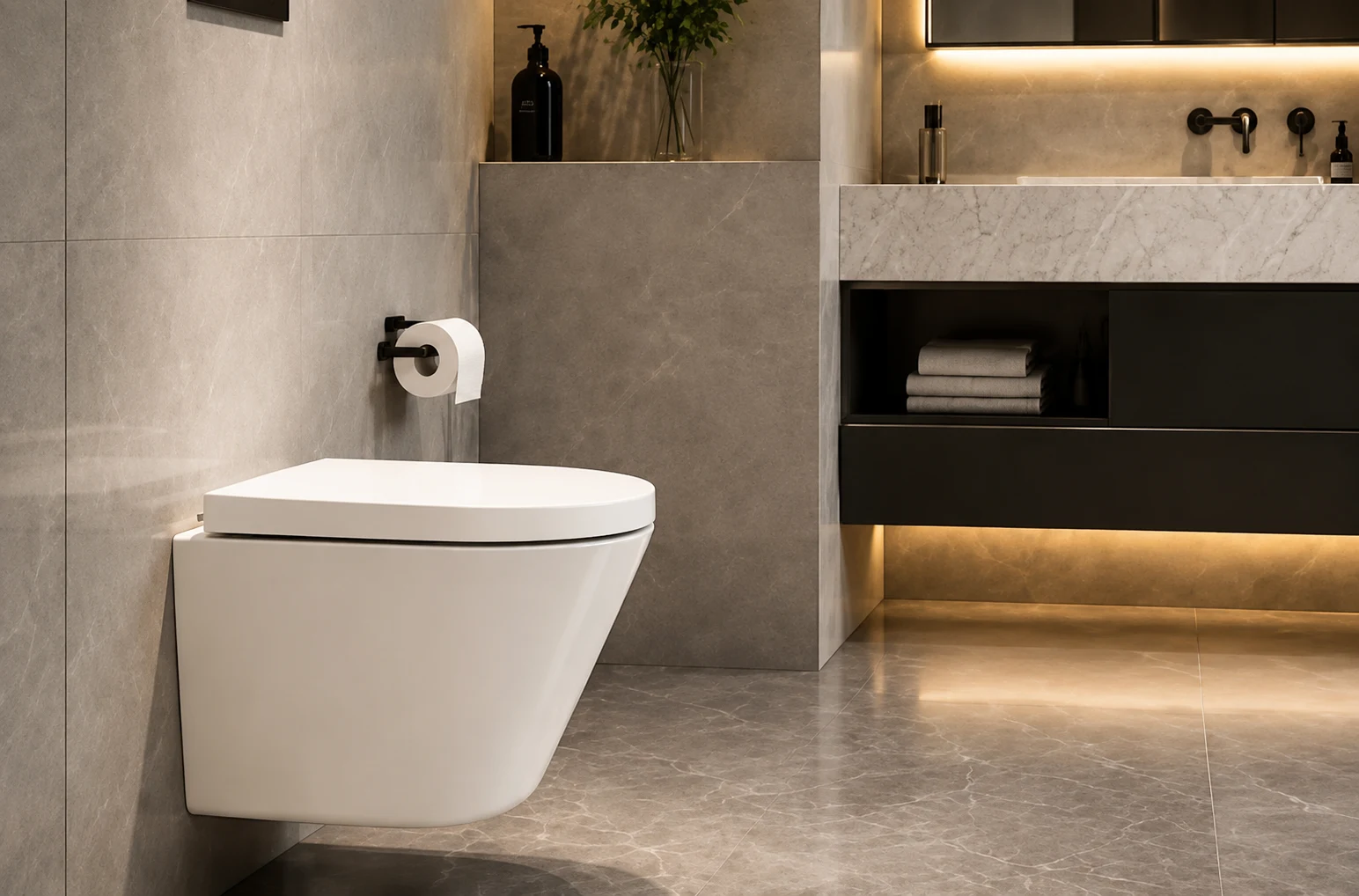
Wall‑hung toilets are the undisputed kings of modern bathroom design. With no bulky pedestal or exposed tank, they create a clean, minimalist silhouette that makes any bathroom look more curated and expensive. More importantly, because the floor space beneath the toilet is completely open, the room visually expands. In small bathrooms, this effect can be dramatic—the continuous floor surface tricks the eye into perceiving more square footage than actually exists.
Easier Cleaning – No Pedestal, No Mould
Anyone who has ever scrubbed around the base of a floor‑mounted toilet knows the pain. The gap between the pedestal and the floor is a magnet for dust, urine splashes, and stubborn grime. With a wall‑hung unit, that problem disappears entirely. The floor is completely flat and unobstructed, so you can mop or sweep straight through without any obstacles. Additionally, there is no silicone sealant around the base, which means no black mould build‑up over time—a major win for hygiene and maintenance.
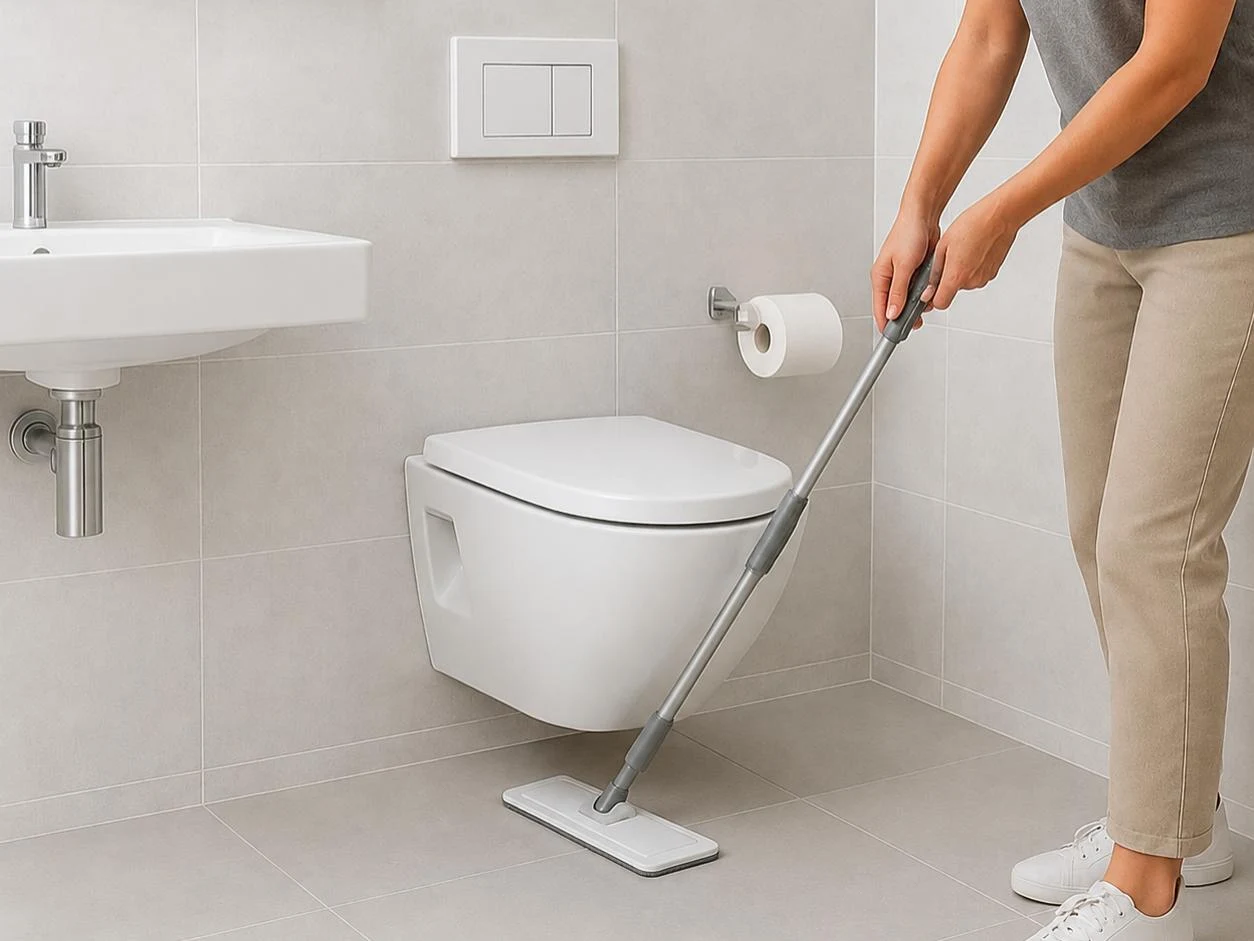
Flexibility in Bathroom Layout
Because the toilet bowl is supported by a concealed carrier frame rather than resting directly on the floor, wall-hung toilets offer greater flexibility in bathroom design. They can be installed in various layouts when there is sufficient space for the frame, proper plumbing connections, and a suitable wall structure. This allows designers to create cleaner, more open bathroom spaces, such as installing the toilet on a partition wall or integrating it into a modern floating bathroom layout.
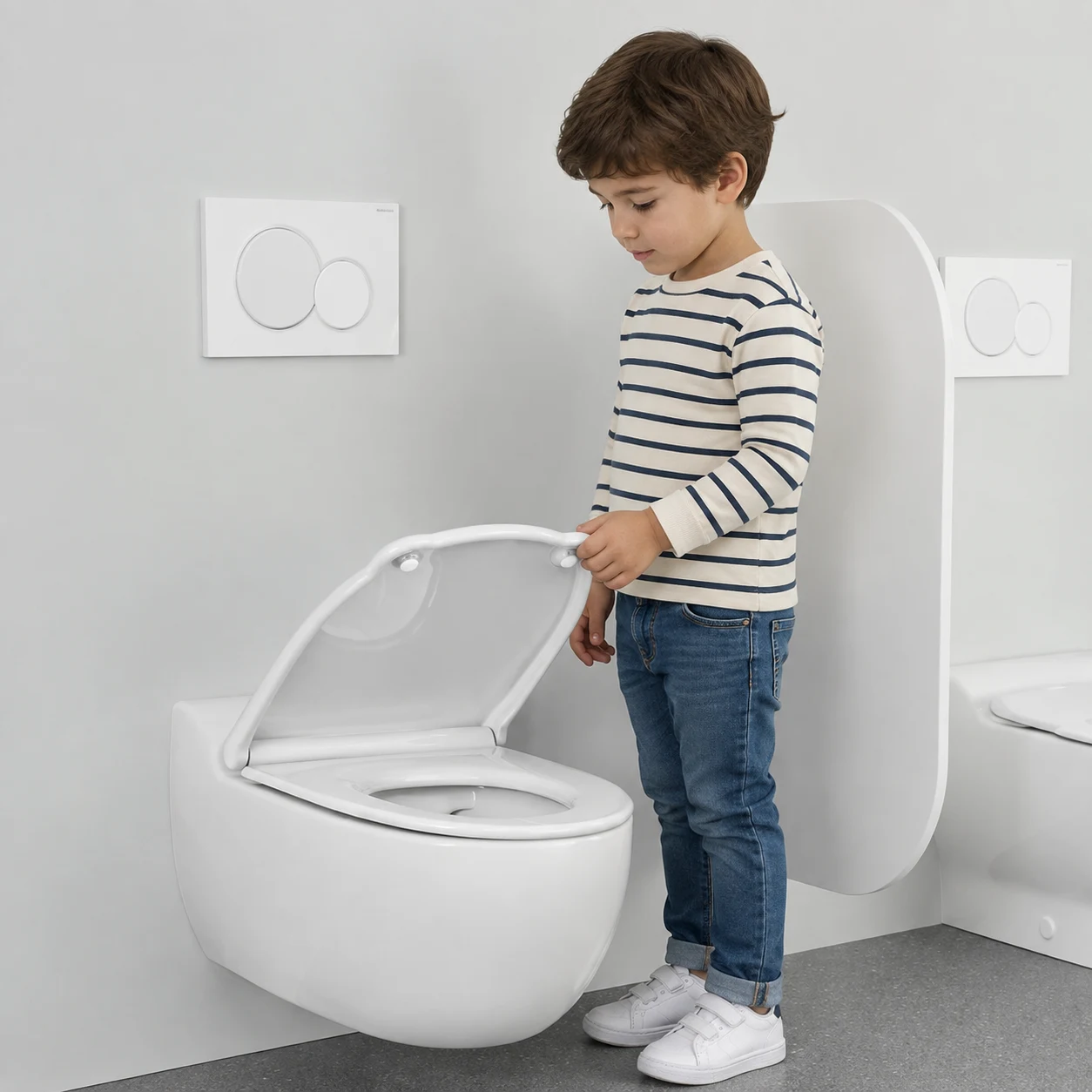
Another hidden benefit is the adjustable installation height. The bowl height can be customized during installation to better suit different users. Taller homeowners may prefer a higher seat position, while shorter users or children may benefit from a lower height. This flexibility makes wall-hung toilets an excellent choice for universal design and aging-in-place bathroom renovations.
كفاءة المياه
Many modern wall-hung toilet systems feature concealed cisterns with dual-flush technology, typically using around 3 litres for a half flush and 4.5–6 litres for a full flush. Compared with older conventional toilets that consumed 10–13 litres per flush, these water-saving systems can significantly reduce water consumption. Over the lifetime of the toilet, lower water usage can help reduce utility costs while supporting more sustainable bathroom designs.
Perceived Higher Property Value
Wall‑hung toilets are still considered a premium feature in most housing markets. When potential buyers see a wall‑hung installation, they associate it with high‑end renovation and thoughtful design. Even if you are not planning to sell soon, this upgrade can add a tangible boost to your home’s perceived value.
The Cons of Wall-Hung Toilets – What You Must Watch Out For
Higher Initial Cost
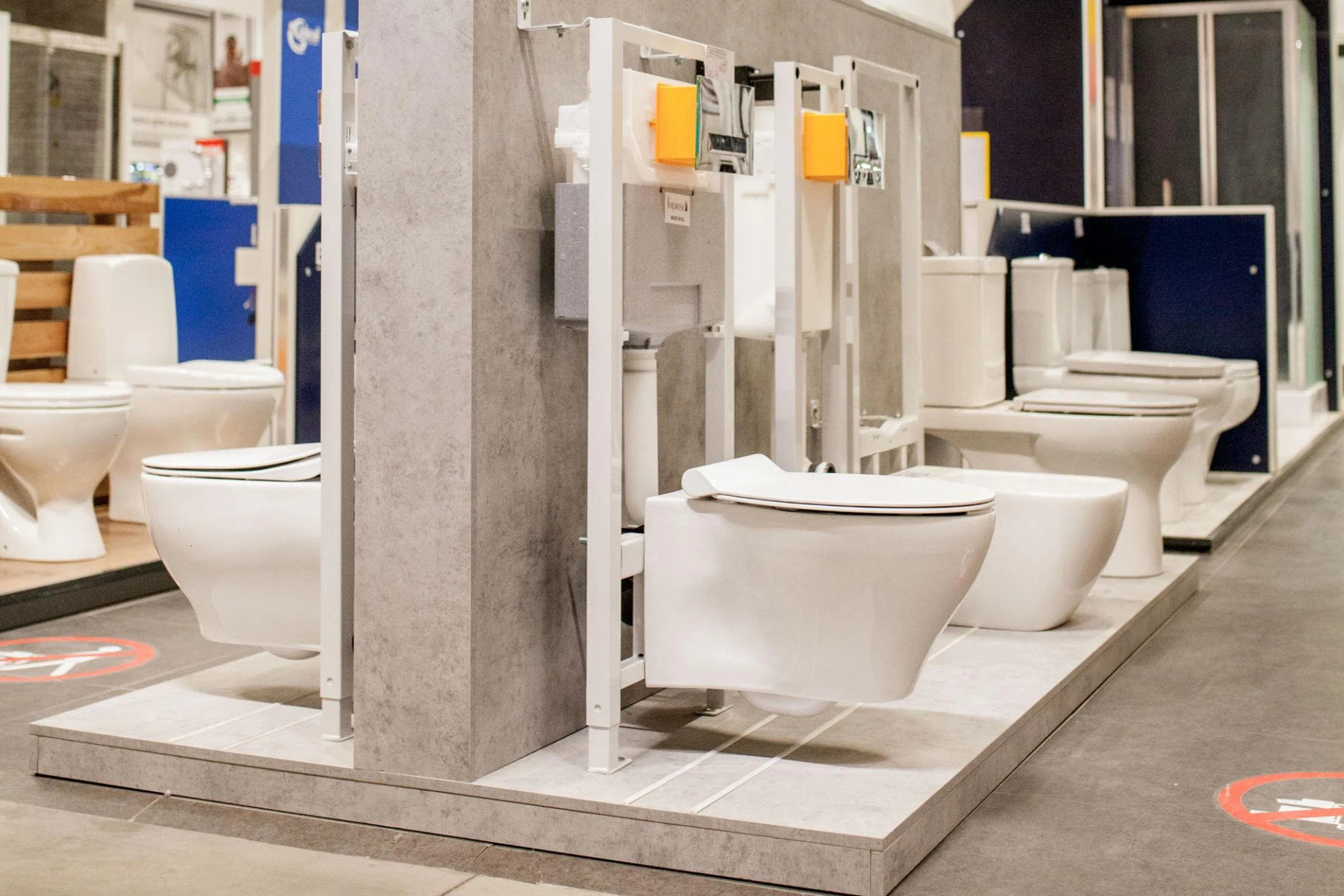
There is no way around it—wall‑hung toilets cost more upfront. A quality support frame and concealed cistern can cost two to three times as much as a standard floor‑mounted toilet, and that is before you factor in the additional building materials and labor. If you are working with a tight renovation budget, this premium might be hard to justify.
Complex Installation & Labor
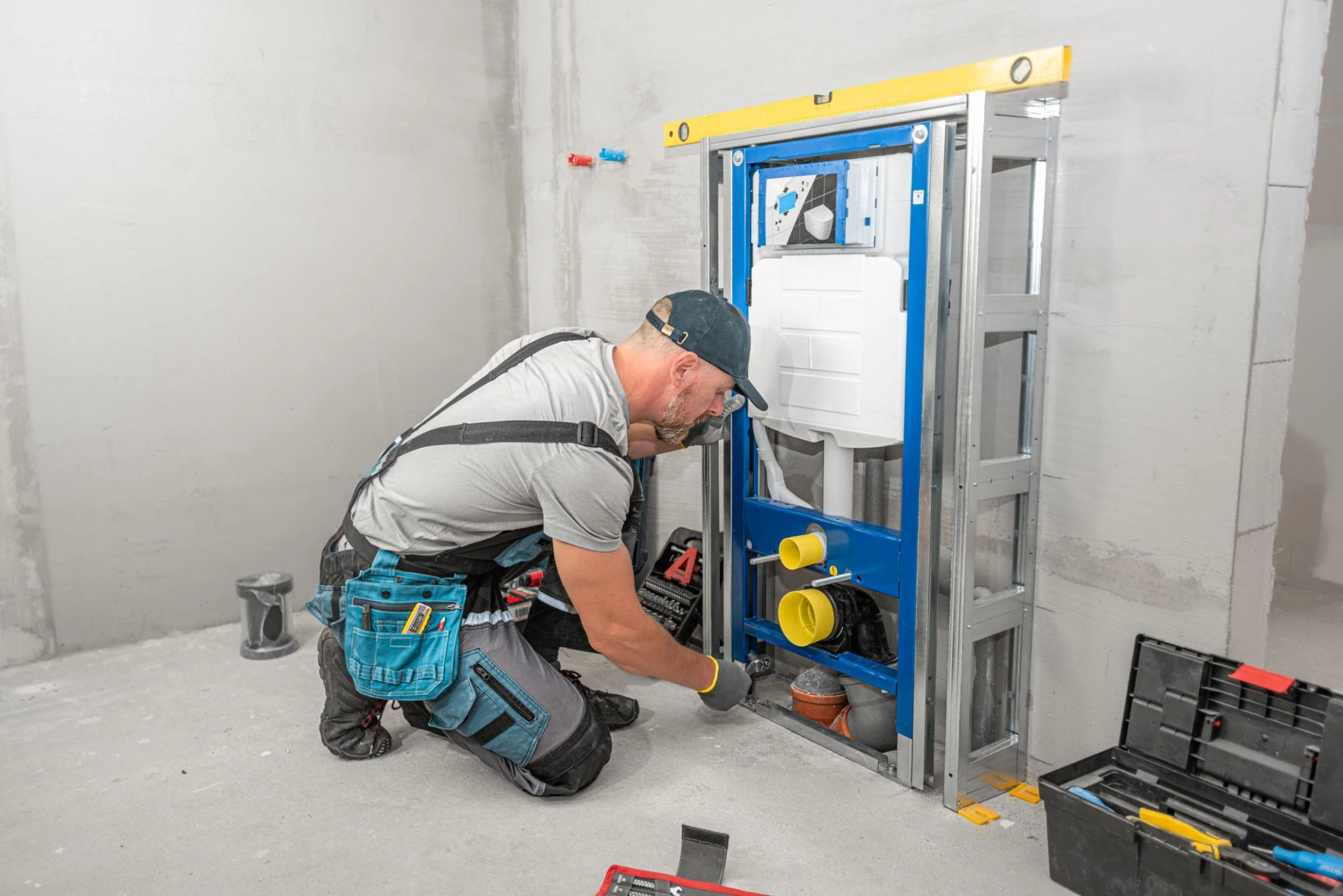
Installing a wall-hung toilet requires more than a standard toilet replacement, as it involves integrating a concealed carrier frame, in-wall cistern, plumbing connections, and wall finishing work. The installation process typically includes preparing the wall structure, securing the support frame, connecting the water supply and waste outlet, and completing the surrounding wall with drywall, tiles, or other finishes.
For this reason, wall-hung toilets are most commonly installed during new construction or major bathroom renovations. While retrofitting an existing bathroom is possible, it may require additional structural adjustments, plumbing modifications, and higher installation costs depending on the existing layout.
Higher Maintenance & Repair Costs
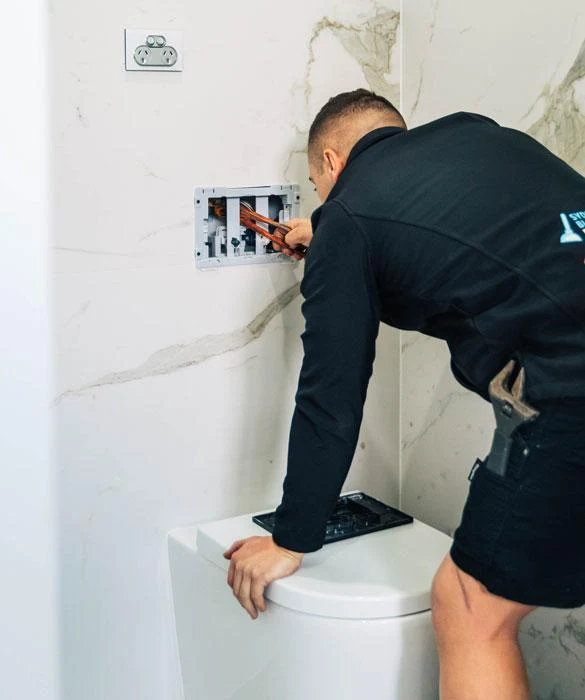
While the toilet bowl itself is accessible, the concealed tank and carrier mechanism are hidden behind the wall. Most installations include a small access panel through which you can replace the flush valve or other internal components. However, working through a small hole is far more challenging than servicing a traditional exposed tank. If a major component fails—like the carrier frame or the waste bend—you may need to open the wall again, which is expensive and messy. Replacement parts for wall‑hung systems are also typically more expensive than standard toilet parts.
Load-bearing Capacity
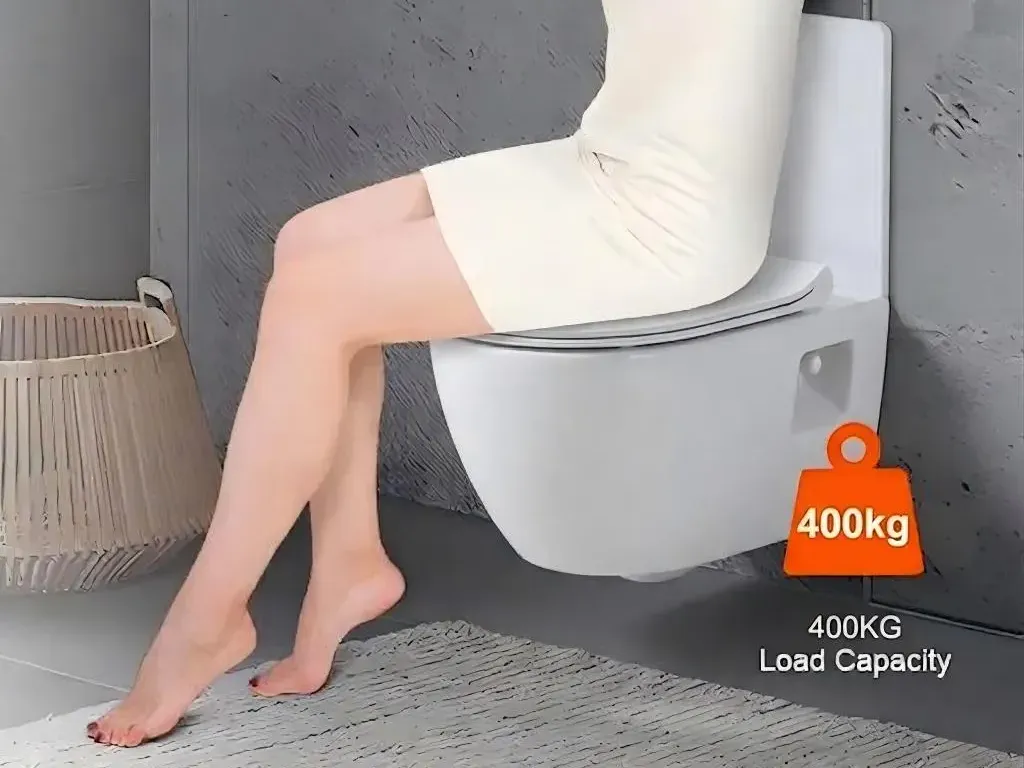
Every wall-hung toilet system is designed with a specified maximum load capacity, which is mainly determined by the concealed carrier frame, mounting system, and wall structure. High-quality systems are typically tested to support loads of around 400–500 kilograms, which is more than sufficient for normal residential use.
Unlike floor-mounted toilets that transfer weight directly to the floor, wall-hung toilets rely on the strength of the carrier frame and proper installation to ensure stability. Therefore, choosing a reliable system and following the manufacturer’s installation requirements are essential for long-term safety and performance.
Not Ideal for Every Wall Type
Wall-hung toilets require a properly supported carrier frame and suitable installation conditions. In homes with timber-frame construction and drywall partitions, the frame cannot simply be attached to the drywall surface; it must be securely fixed to the building structure, often with additional reinforcement, a dedicated support system, or a false wall.
In older bathrooms or spaces with limited wall depth, unusual layouts, or difficult plumbing conditions, installation may require additional modifications and increase labor costs. Before choosing a wall-hung toilet system, it is important to confirm that the wall structure, available space, and plumbing connections are suitable for the installation.
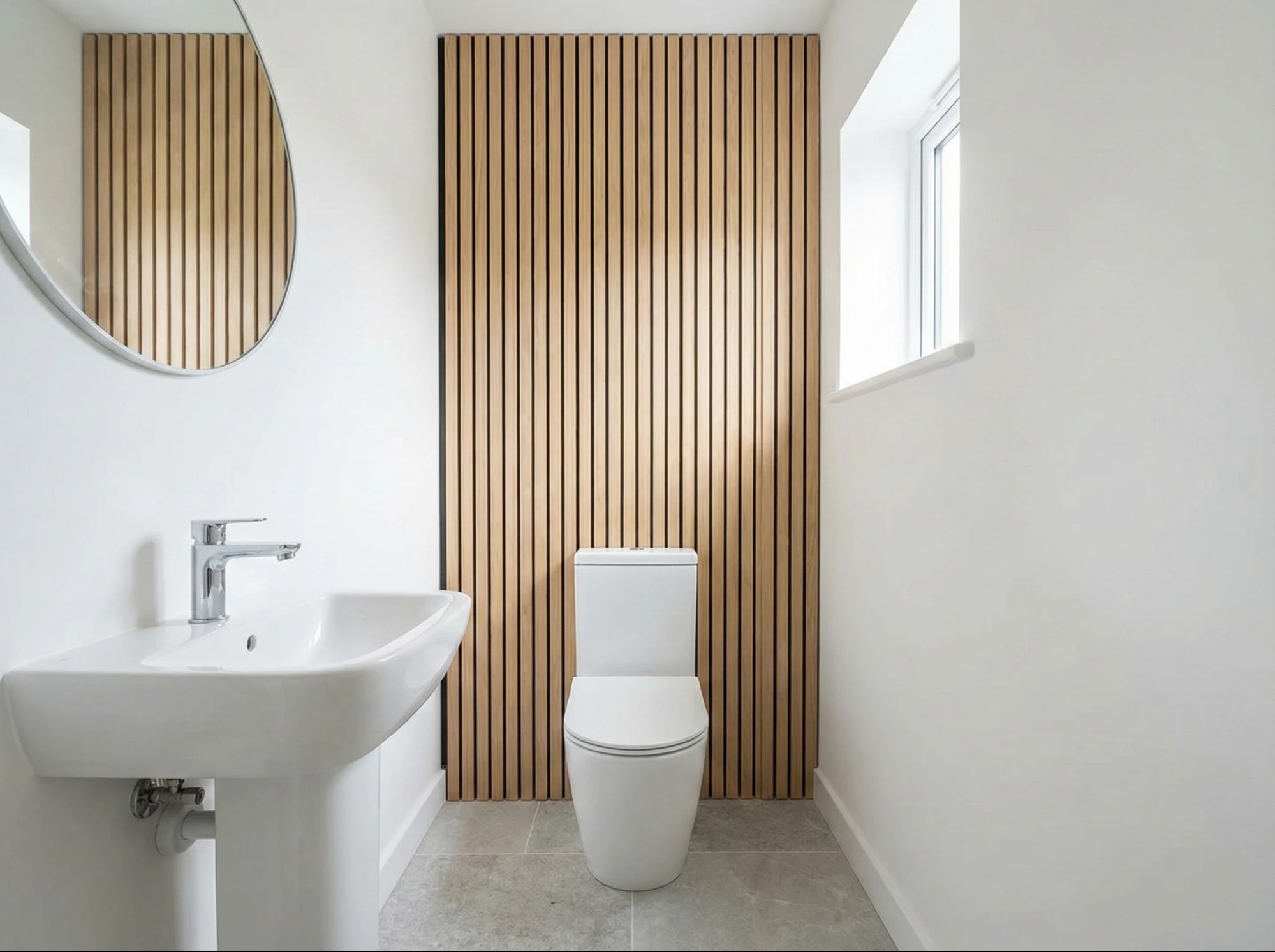
Wall-Hung vs. Floor-Mounted Toilets – Head-to-Head Comparison
To help you visualize the differences, here is a direct comparison across six key dimensions:
| Criteria | مرحاض معلق على الحائط | مرحاض مثبت على الأرض |
| Design & Aesthetics | Sleek, minimalist, and premium appearance | Traditional design with a more visible and bulkier base |
| Cleaning Ease | Excellent – no floor contact area, fewer hard-to-reach areas, and reduced dirt buildup | Average – requires regular cleaning around the base and floor connection |
| التكلفة الأولية | Higher – includes concealed frame, toilet system, and professional installation costs | Lower to moderate – simpler structure and installation |
| الصيانة | More complex – specialized parts and potential access issues for concealed components | Simpler – parts are widely available and easier to replace |
| التركيب | Requires proper wall structure, concealed frame installation, and professional expertise | Straightforward installation with fewer structural requirements |
| Durability & Stability | Highly stable when properly installed; many systems are tested for 400–500 kg load capacity | Extremely stable with weight transferred directly to the floor |
| Space Efficiency | Saves floor space and creates a more open bathroom layout | Occupies more floor area due to the visible base |
| Design Flexibility | Allows adjustable installation height and more flexible bathroom planning | Fixed height and more limited layout flexibility |
So, which type suits which user? If you have a growing family with young children and you prefer low‑maintenance, replace‑anything‑quickly convenience, a floor‑mounted toilet is often the safer bet.
Conversely, if you are designing a minimalist master suite or renovating a small apartment where every inch matters, the wall‑hung option delivers a dramatic payoff in style and space.
Who Should Choose Wall-Hung Toilets?
- Minimalist and modern homeowners who value clean lines and a high‑end visual aesthetic will find wall‑hung toilets almost irresistible. They pair perfectly with floating vanities and frameless glass showers.
- Small bathroom owners will appreciate the visual expansion and the ability to place the toilet in unconventional spots to maximize floor space.
- People planning a full renovation or new build are in the ideal position to install a wall‑hung system because the structural work can be seamlessly integrated into the construction timeline.
- Contractors and flippers, in particular, often turn to wholesale wall hung toilets distributors to secure competitive pricing on multiple units. If you are renovating more than one bathroom, this approach can reduce your total project cost substantially while maintaining a consistent high‑end look across all rooms.”
- Individuals with mobility challenges or those planning for aging in place benefit from the customisable height, which can reduce strain when sitting down and standing up.
Who Should Avoid Wall-Hung Toilets?
- Budget‑conscious renovators should think twice. The total cost can easily be double or triple that of a quality floor‑mounted model, and that extra money might be better spent on better tiles, lighting, or ventilation.
- DIY installers without professional plumbing and construction skills should stay away. Incorrect installation can lead to leaks, instability, or even the toilet detaching from the wall—a dangerous and costly mistake.
- Homes with only non‑load‑bearing drywall and no space for a false wall may find the installation impractical. If your bathroom walls are thin or fragile, a floor‑mounted toilet is the obvious, safe choice.
Cost Breakdown – What to Expect
A realistic price breakdown for a wall‑hung toilet installation (mid‑range quality) in most European and American markets:
- Support frame + concealed cistern: $300 – $600
- Toilet bowl and seat: $200 – $500
- Actuation plate (flush button panel): $50 – $150
- Building materials (wood, drywall, tiles): $100 – $300
- Professional installation labor: $500 – $1,200
Total estimated range: $1,150 – $2,750
By comparison, a standard floor‑mounted toilet with installation typically costs $400 – $900 all in
Long‑term, the wall‑hung system may save you $50 – $100 per year on water bills (if replacing a very old, high‑flush‑volume toilet). However, if you need a repair after the warranty expires, a single service call can easily cost $200 – $500.
Over a 15‑year lifecycle, the wall‑hung option is unlikely to be cheaper overall—but many owners feel the aesthetic and cleaning benefits are well worth the premium.
That said, the quality of components varies significantly across toilet manufacturers. Choosing a reputable brand with a strong warranty can save you from costly repairs down the line, even if the upfront price is slightly higher.
Installation Tips – What You Must Know Before Buying
- Plan ahead: Wall‑hung toilets are best installed during new construction or a full gut renovation. Retrofitting is possible but expect higher labor costs and more disruption.
- Hire a certified professional: This is not a job for a general handyman. Look for plumbers or contractors with specific experience in wall‑hung systems, as improper framing is the number one cause of failure.
- Check your wall type: Before purchasing, confirm whether your wall can support the frame or if you need to build a false wall. A structural engineer’s brief assessment is inexpensive insurance.
- Always include an access panel: Even the best toilets can develop issues. Place a discreet access panel near the flush mechanism so a plumber can service the cistern without demolishing your beautiful new tiles.
- Choose the correct height: Standard comfort height is around 40–43 cm from floor to bowl rim, but you can adjust during installation. Sit on a chair to test your preferred height before finalising the frame position.
الأسئلة الشائعة
Can wall‑hung toilets fall off the wall?
No—when properly installed with a certified frame, they are extremely secure. The frame is bolted to the floor and wall structure, and the load capacity typically exceeds 400 kg. Falls are almost always due to incorrect installation, not product failure.
Are wall‑hung toilets suitable for heavy users?
Yes, as long as the total weight is within the manufacturer’s specified limit (usually 400–500 kg). For context, that is the combined weight of four to five average adults. Unless you exceed that, there is no concern.
Can I install a wall‑hung toilet in an existing bathroom?
Yes, but it is more complex. You will need to open the wall, possibly relocate the soil pipe, and reinforce the structure. It is best done alongside other bathroom renovations to minimise disruption.
How long do wall‑hung toilets last?
With proper installation and regular use, a wall‑hung system can easily last 20–30 years. The ceramic bowl is durable, and the concealed cistern components are replaceable through the access panel. The frame itself is typically galvanised steel and outlasts the rest of the bathroom.
Is a wall‑hung toilet easy to repair?
Simple repairs—like replacing the flush valve or actuation plate—are manageable via the access panel. However, any repair inside the wall, such as a cracked waste bend or a loose frame, is a major job that will require opening the wall and is best left to professionals.
About South Villa – Your Trusted Partner in Bulk Toilet Supply
بصفتي شخصًا ذو خبرة الشركة المصنعة للمرحاض with over a decade of export expertise, South Villa specialises in delivering high‑quality sanitary ware to B2B clients worldwide. Whether you are a property developer equipping hundreds of units, a contractor managing multi‑site renovations, or a distributor expanding your product catalogue, we offer the scale, consistency, and technical support you need to win in your market.
Our core product range covers everything today’s buyers demand. From مراحيض من قطعة واحدة بالجملة known for their sleek, seamless design and easy maintenance, to مراحيض من قطعتين بالجملة that offer classic reliability at competitive price points. From مراحيض معلقة على الحائط بالجملة that bring modern minimalism and space efficiency to compact bathrooms, to المراحيض الذكية بالجملة equipped with bidet functions, heated seats, and touchless flushing—South Villa delivers consistent quality across every category.
Why South Villa Leads in Wall Hung Toilets
مراحيض معلقة على الحائط بالجملة represent one of our deepest areas of expertise. We understand that a wall‑hung system is only as good as its supporting frame, cistern, and installation compatibility—which is why every unit we supply is engineered with precision and tested beyond industry standards.
Our frames are fabricated from heavy‑gauge galvanised steel with a load capacity of up to 500 kg, ensuring long‑term structural integrity across diverse building types—from concrete high‑rises to timber‑frame homes. The concealed cisterns feature dual‑flush mechanisms with water‑saving efficiency, and our actuation plates are available in multiple finishes to match any bathroom aesthetic. Moreover, we provide clear technical documentation, including frame installation diagrams and wall‑type compatibility charts, so your contracting team can install confidently without costly trial‑and‑error.
If you have any needs for purchasing toilets, please contact us immediately.