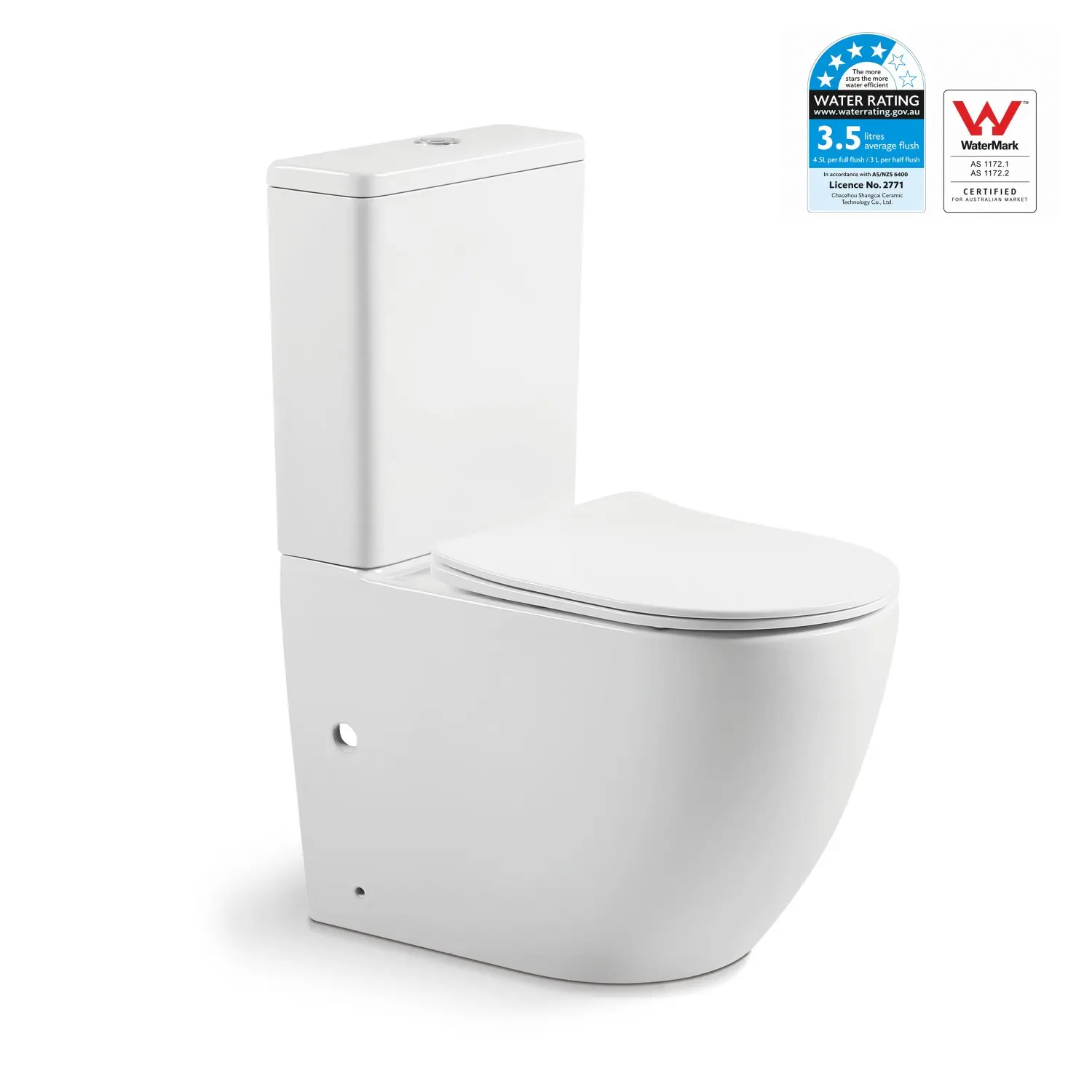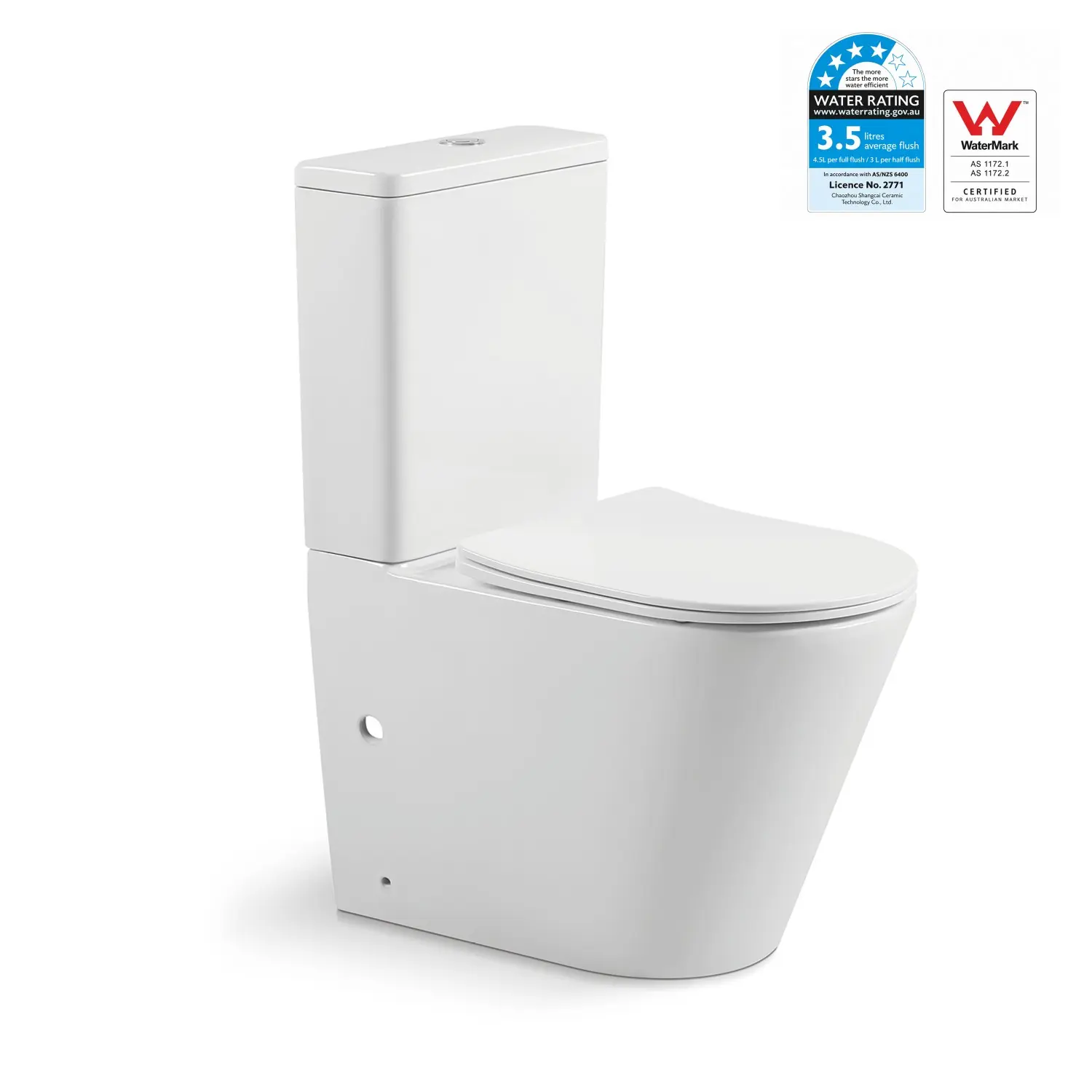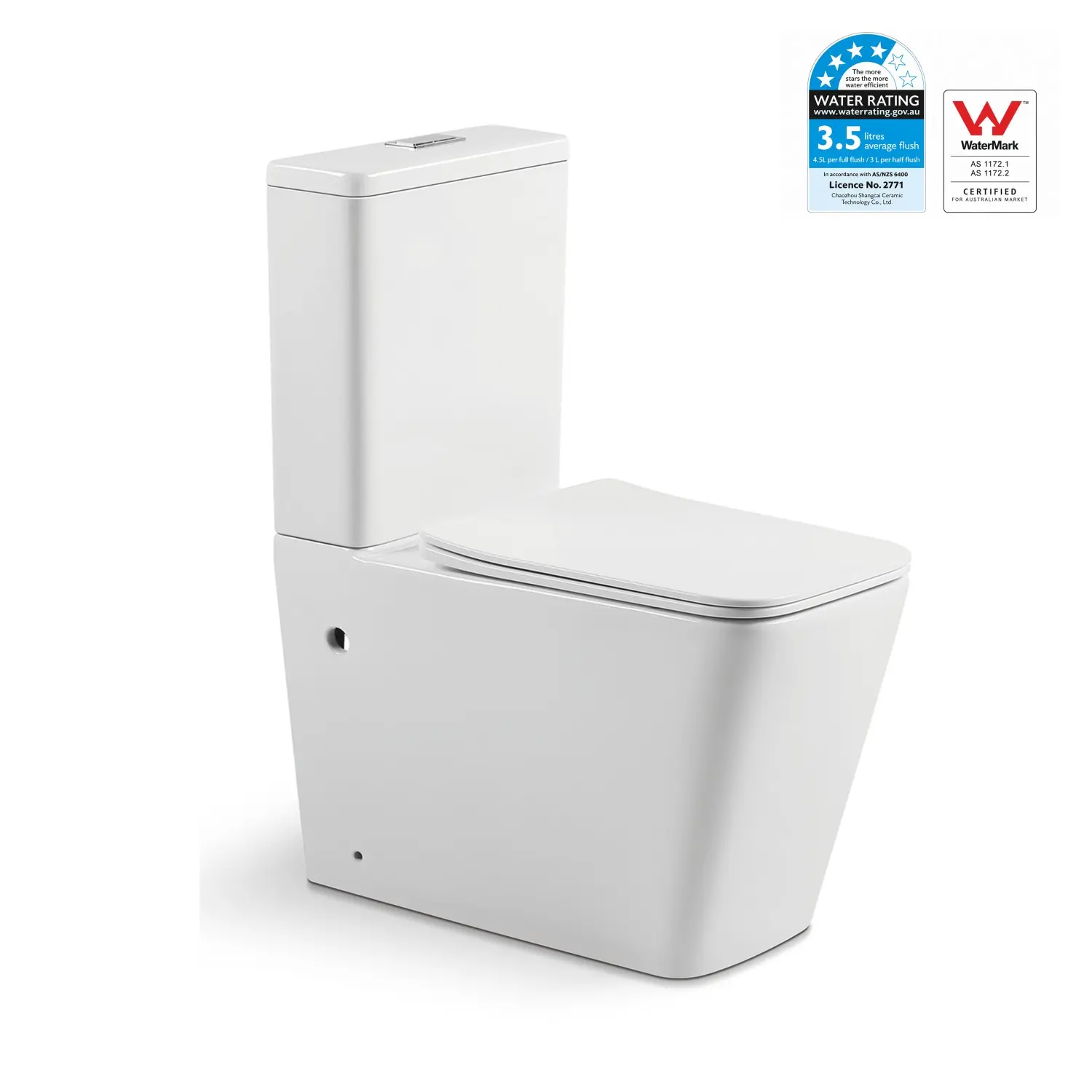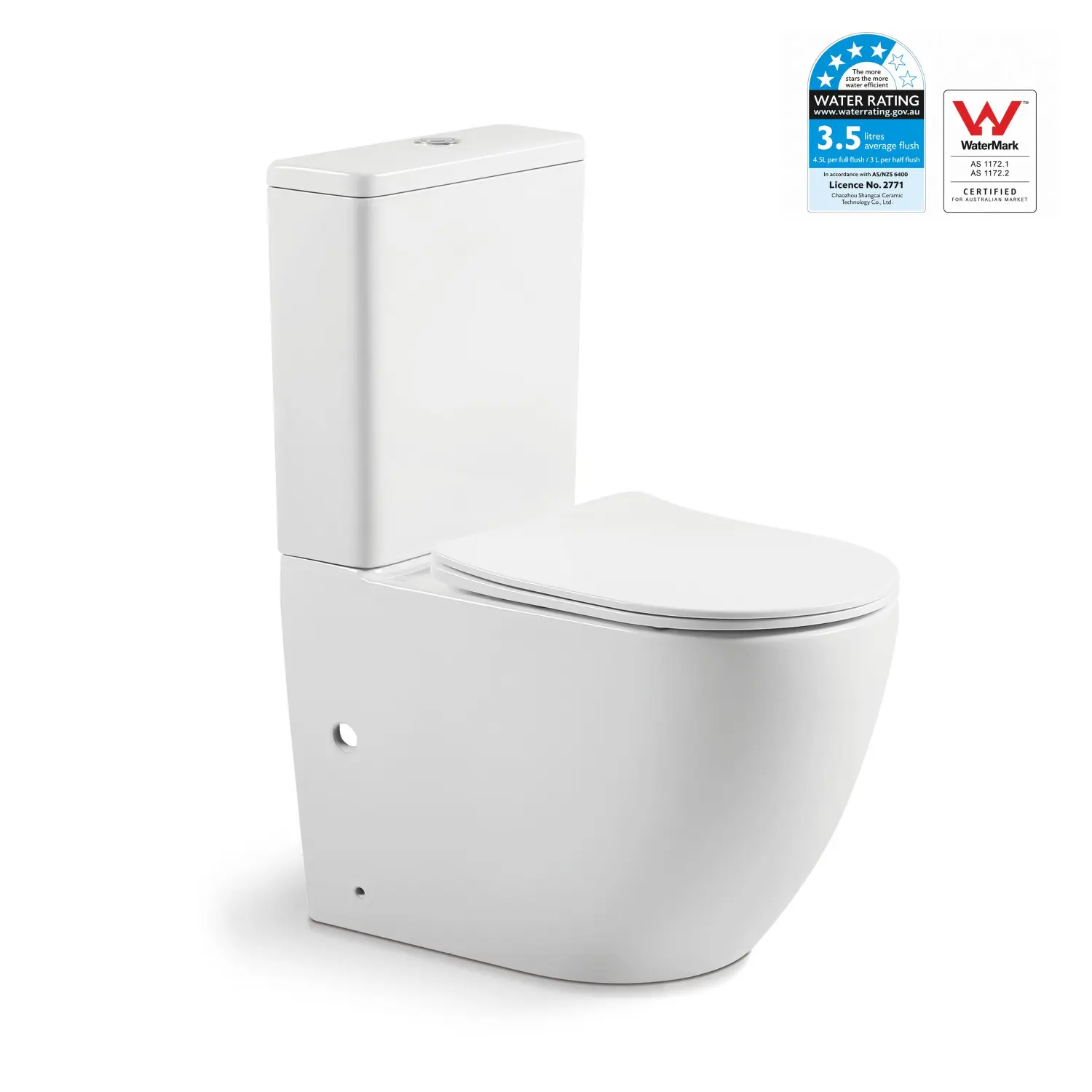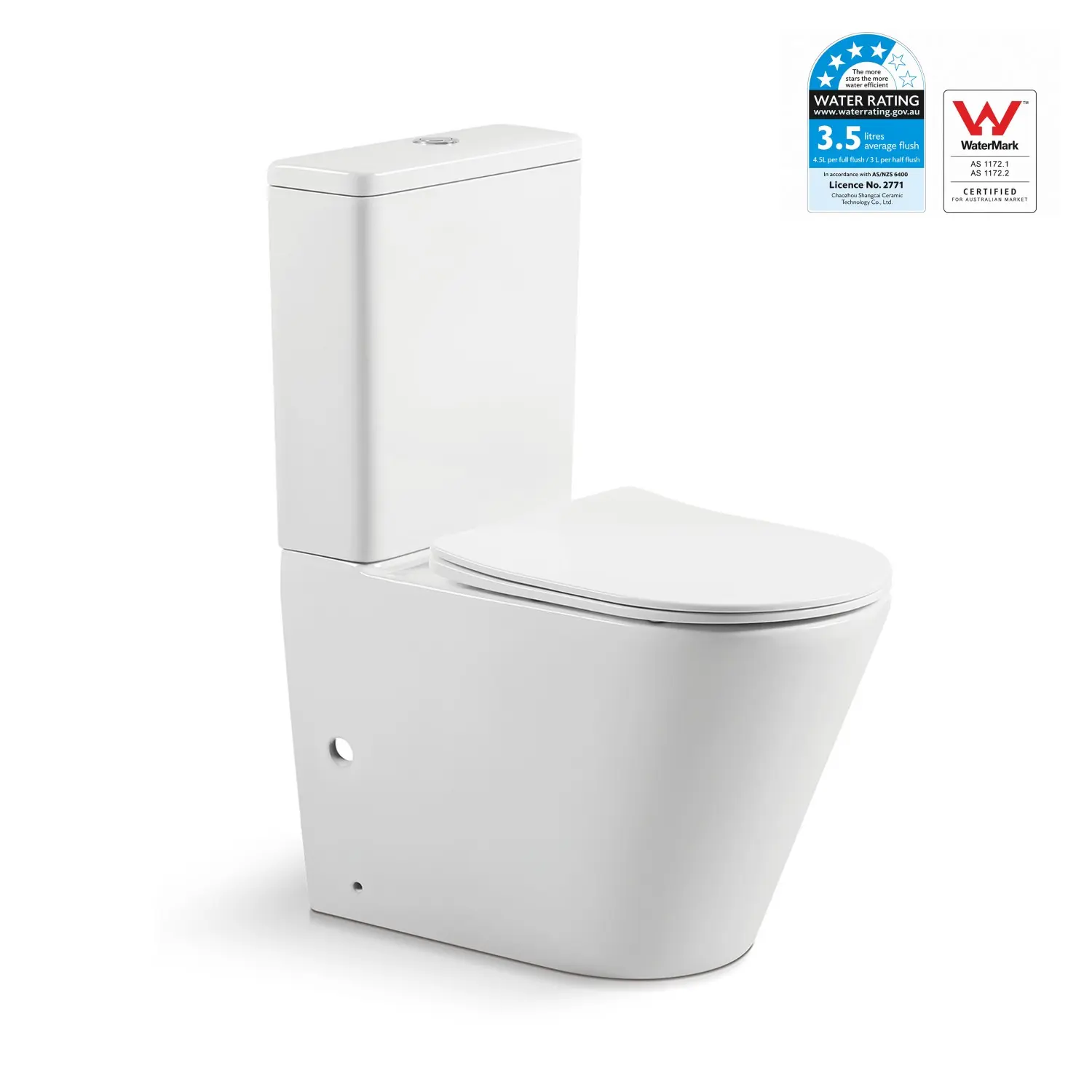
One piece toilets are attracting buyers in major sanitary ware markets, including the United States, China, Saudi Arabia, the UAE, and several Southeast Asian countries. Their seamless appearance, convenient cleaning, and modern design make them particularly attractive for residential renovations, hotels, and premium bathroom projects.
However, strong demand for one piece toilets does not mean they dominate every market. Two piece toilets remain widely preferred in many countries because of their lower purchase costs, familiar installation methods, and convenient maintenance. For wholesalers, importers, and sanitary ware distributors, understanding these regional differences is essential for choosing the right products and developing an effective sourcing strategy.
What Is Driving the Global Demand for One Piece Toilets?
The demand for one piece toilets is closely connected to changing bathroom design preferences, residential renovation trends, and higher expectations for cleaning convenience. Unlike traditional two piece toilets, which have separate tanks and bowls, one piece toilets feature an integrated ceramic body that creates a cleaner and more continuous appearance.
Several factors contribute to their appeal in different markets:
- Modern Bathroom Design: Seamless structures complement contemporary and minimalist bathroom interiors.
- Easier Cleaning: Fewer joints and exposed gaps make exterior surfaces easier to clean.
- Premium Residential Projects: High-end apartments and villas often emphasize design consistency and product appearance.
- Hospitality Applications: Hotels and serviced apartments value products that combine aesthetics with practical maintenance.
- Product Diversification: Manufacturers offer different sizes, flushing systems, and configurations to meet a wider range of requirements.
Nevertheless, one piece toilets generally involve higher manufacturing, packaging, and handling costs. As a result, their market potential depends on both consumer preferences and the purchasing budgets of different regions.
Which Countries Have the Strongest Demand for One Piece Toilets?
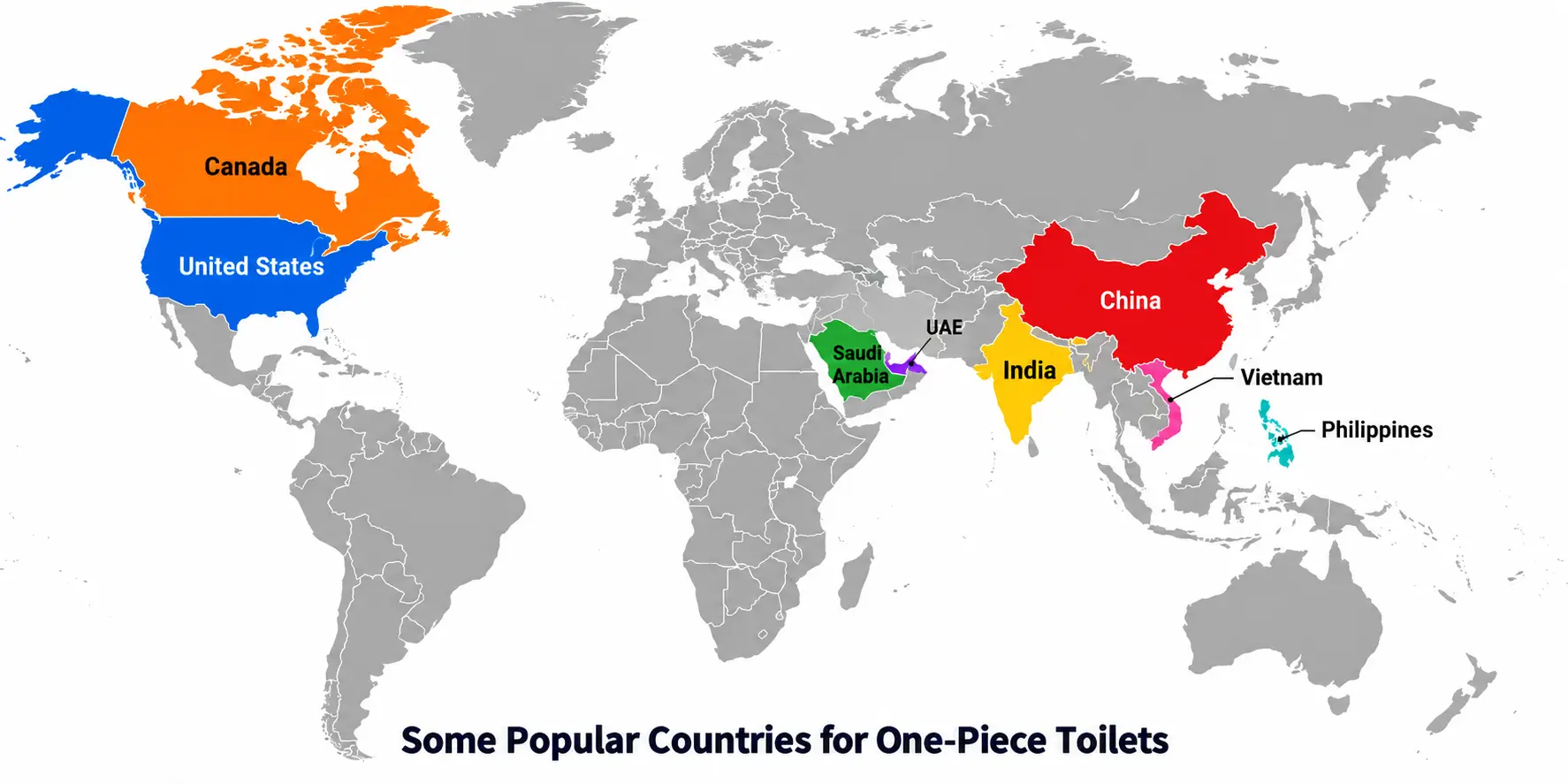
The United States and China represent large sanitary ware consumer markets, while Saudi Arabia, the UAE, Vietnam, the Philippines, India, and Canada offer different opportunities for one piece toilet suppliers. These markets differ in purchasing power, residential development, renovation activity, and distribution channels.
There is no sufficiently comprehensive public country-level dataset to establish a reliable global ranking of one piece toilet sales. The following comparison therefore identifies notable markets and their purchasing characteristics rather than claiming an exact sales ranking.
| Country / Region | Main Demand Drivers | Market Characteristics |
|---|---|---|
| United States | Bathroom renovations, premium housing | Large, mature market with demand for both one piece and two piece toilets |
| China | Urban housing, bathroom upgrades | Diverse consumer preferences and a wide range of product options |
| Saudi Arabia | Residential construction, hospitality projects | Opportunities in large-scale developments and premium projects |
| UAE | Luxury villas, hotels, modern apartments | Strong emphasis on modern design and premium bathroom aesthetics |
| Vietnam | Urban apartments, sanitary ware distribution | Opportunities in mid-to-high-end residential and import markets |
| Philippines | Residential construction, retail distribution | Price-sensitive market with growing interest in modern bathroom products |
| India | Premium urban housing, residential upgrades | One piece toilets mainly target middle-to-high-end segments |
| Canada | Home renovations, bathroom retail | Mature renovation market with demand for modern toilet designs |
United States: Strong Demand for Bathroom Renovation and Premium Products
The United States is an important market for one piece toilets, supported by its large residential housing stock, established bathroom retail channels, and recurring home renovation demand. Homeowners upgrading bathrooms may choose one piece models for their seamless appearance, cleaning convenience, and contemporary style.
However, traditional two piece toilets remain highly competitive in the American market, particularly for standard residential replacement, rental properties, and budget-conscious renovations. Their availability, familiar installation requirements, and competitive prices continue to attract homeowners and contractors.
For exporters, the United States offers opportunities in both categories. Suppliers targeting the premium segment can focus on modern one piece designs, while those serving mass-market distributors should maintain competitive two piece toilet options.
Buyers must also verify product dimensions, rough-in requirements, flushing performance, and applicable standards. Water efficiency is particularly important: the U.S. EPA’s WaterSense program identifies qualified high-efficiency toilets using 1.28 gallons per flush or less under the currently applicable criteria.
China: Diverse Demand for Modern Sanitary Ware
China has a substantial domestic sanitary ware market supported by residential construction, renovation, and a broad manufacturing base. One piece toilets are commonly positioned among modern bathroom products, particularly for urban apartments, contemporary homes, and upgraded residential interiors.
At the same time, traditional two piece toilets and increasingly sophisticated smart toilet products compete for consumer attention. Purchase decisions depend on housing type, renovation budgets, brand preferences, and desired functionality.
China is also a major manufacturing base for sanitary ware. Its extensive supply chain allows international buyers to source different toilet designs, flushing systems, and price categories from specialized manufacturers.
Saudi Arabia and the UAE: Opportunities in Residential and Hospitality Projects
Saudi Arabia and the United Arab Emirates are important markets to evaluate for one piece toilet suppliers targeting modern residential and hospitality projects.
In Saudi Arabia, housing development, residential renovation, and commercial construction generate demand for sanitary ware across different price ranges. A Saudi sanitary ware industry overview published in 2025, citing Euromonitor International, estimated the country’s total sanitary ware market at approximately SAR 1.8 billion in 2023. This covers the broader sanitary ware category rather than one piece toilets alone.
In the UAE, luxury villas, contemporary apartments, hotels, and interior design projects create opportunities for toilets with modern aesthetics and coordinated bathroom finishes. However, the product specifications and budgets can vary considerably between premium developments and standard housing projects.
For suppliers serving these markets, attractive ceramic finishes, reliable flushing performance, appropriate installation specifications, and consistent project delivery are important considerations.
Vietnam and the Philippines: Opportunities in Southeast Asian Distribution
Vietnam and the Philippines offer opportunities for one piece toilets through residential construction, urban apartment development, and established sanitary ware distribution channels.
In Vietnam, modern apartments and urban residential projects can create demand for contemporary bathroom products. In the Philippines, residential developments, bathroom retailers, and building material distributors serve buyers with varying budgets and design preferences.
For both markets, product pricing remains an important consideration. While one piece toilets may appeal to middle- and upper-market customers, two piece models can provide a more affordable choice for standard housing.
Wholesalers entering these markets should carefully evaluate local retail prices, transportation costs, replacement parts, and customer preferences rather than assuming that premium designs will suit every buyer.
India and Canada: Different Opportunities in Urban and Renovation Markets
India and Canada present different opportunities for one piece toilet suppliers.
In India, premium apartments, upscale homes, and modern bathroom showrooms create potential demand for integrated toilet designs. However, pricing, installation requirements, and the availability of alternative sanitary ware products remain important influences on purchasing decisions.
Canada has a mature residential renovation market where one piece toilets can appeal to homeowners seeking modern aesthetics and easier exterior cleaning. At the same time, traditional two piece toilets remain relevant for standard replacements and cost-conscious renovation projects.
For suppliers, both countries require market-specific product planning. A successful product range should reflect local installation practices, consumer budgets, and distribution requirements rather than relying on the same specifications for every market.
Which Countries Still Prefer Two Piece Toilets?
Despite the increasing appeal of integrated bathroom designs, two piece toilets continue to occupy an important position in many markets. Their popularity is particularly evident in traditional residential replacement channels, budget-oriented construction, and regions where installation familiarity and spare-part availability strongly influence purchasing decisions.
The United States, Canada, and the United Kingdom are important examples of mature markets where conventional toilet configurations remain relevant. Meanwhile, buyers in parts of India, Southeast Asia, Latin America, and Africa may favor two piece models for cost-sensitive projects.
However, preferences vary within each country. A premium hotel, a standard apartment, and a rental property may select very different toilet products, even when located in the same city.
United States and Canada: Established Replacement Markets
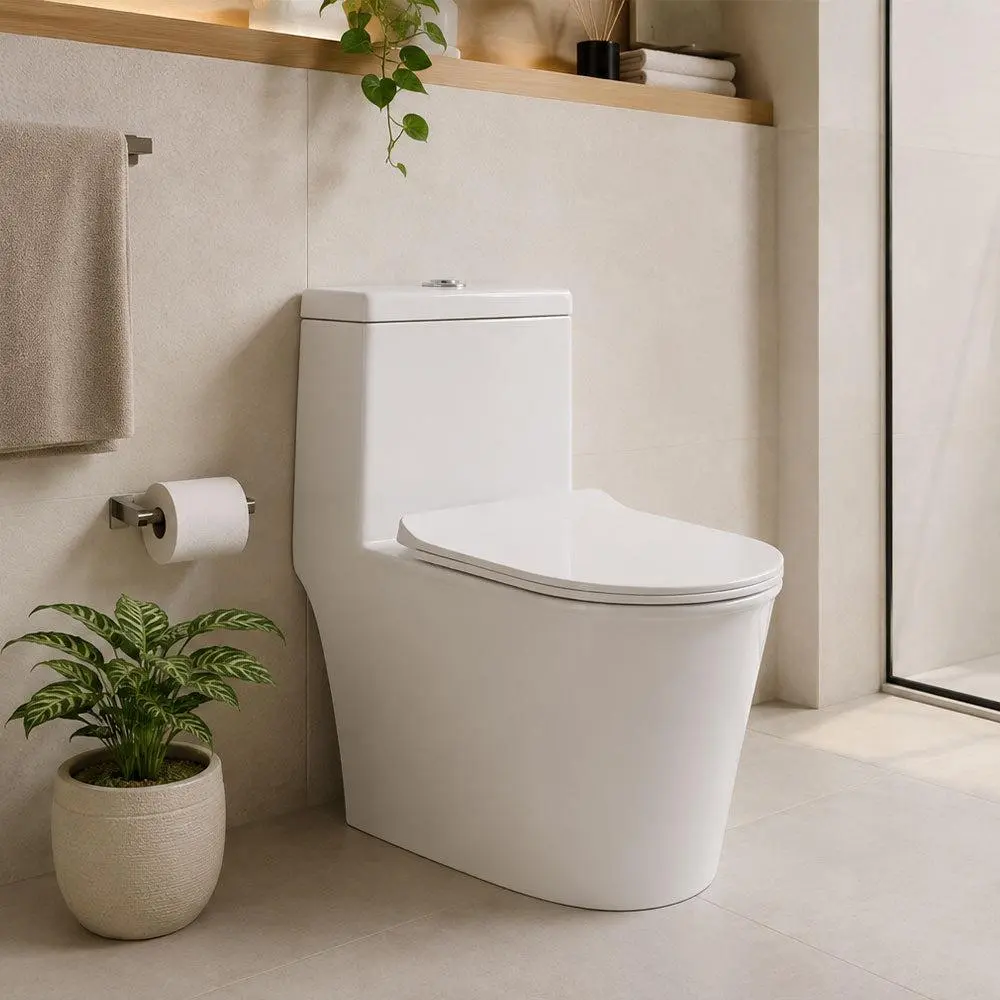
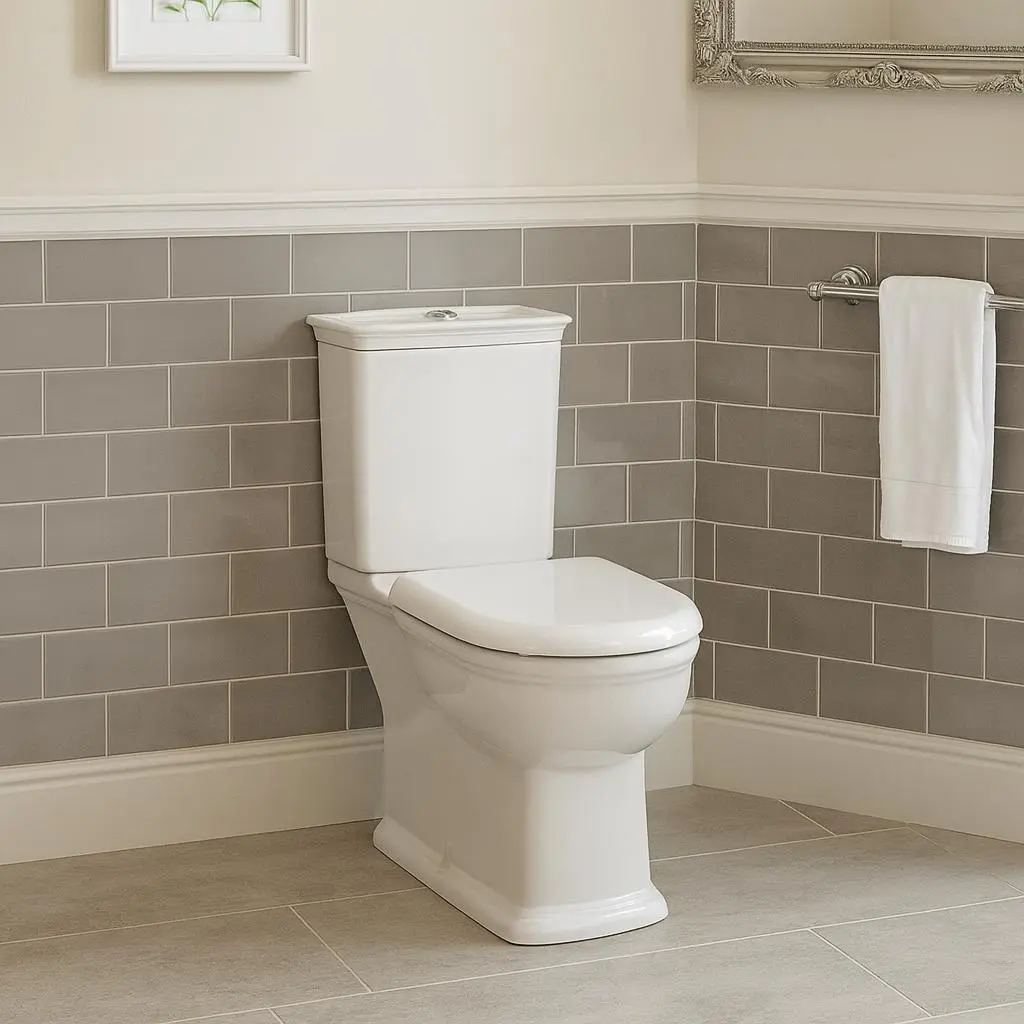
Two piece toilets remain a practical choice in North American residential markets because of their familiar construction, broad product availability, and competitive purchase prices.
For homeowners replacing existing toilets, a conventional two piece model may provide a straightforward solution without significantly changing the bathroom layout. Property managers and contractors also value widely available replacement components and products that can be transported and installed in separate sections.
Although one piece toilets appeal to homeowners seeking premium bathroom upgrades, their higher initial costs and heavier integrated structures may make them less attractive for budget-conscious replacement projects.
United Kingdom: Why Are Close Coupled Toilets So Popular?
The United Kingdom has a strong tradition of using close coupled toilets, a design in which the cistern is positioned directly above and connected to the toilet pan. Although the finished product appears relatively compact, the cistern and pan are typically manufactured as separate components.
Close coupled toilets are widely used in British homes because they offer familiar installation arrangements, various sizes, and accessible price points. UK plumbing and bathroom retailers also provide extensive selections of compatible products.
According to Screwfix’s toilet buying guide, close coupled toilets are the most common type found in UK homes.
For international suppliers, this means that a conventional two piece or close coupled toilet range may be just as commercially important as a premium one piece collection when targeting the British market.
India and Southeast Asia: The Importance of Affordable Products
In price-sensitive residential developments, the initial purchase cost often plays a central role in toilet selection. This creates opportunities for two piece toilets, particularly among distributors supplying entry-level housing, rental properties, and standard residential projects.
The ability to transport separate ceramic components and replace selected parts can also make traditional models practical for some installers and property owners.
However, countries such as India, Vietnam, Thailand, and the Philippines do not represent uniform markets. Urban premium developments may prefer modern one piece designs, while standard construction projects may prioritize affordability.
For wholesalers, offering both toilet configurations across different price ranges is often more effective than concentrating exclusively on one type.
Latin America and Africa: Cost, Maintenance, and Distribution
In parts of Latin America and Africa, affordability, maintenance convenience, and local distribution conditions influence sanitary ware purchasing decisions.
Importers serving budget-oriented construction projects may select two piece toilets to maintain competitive retail prices. Availability of compatible flushing mechanisms, toilet seats, and other replacement components also matters for long-term product support.
In addition, shipping costs, import duties, and distributor margins can significantly affect the final selling price of imported ceramic toilets.
Nevertheless, premium residential developments, hotels, and commercial projects in these regions can still provide opportunities for one piece toilets. Suppliers should evaluate individual countries and customer segments rather than applying one purchasing strategy to an entire continent.
Why Do Toilet Preferences Differ Between Countries?
Regional preferences for one piece and two piece toilets are shaped by more than appearance. Product pricing, bathroom layouts, plumbing systems, shipping conditions, and long-term maintenance requirements all influence purchasing decisions.
For wholesale buyers, understanding these practical differences is essential when evaluating which products will be competitive in a particular market.
Key Differences Between One Piece and Two Piece Toilets
| Comparison Factor | Inodoro de una pieza | Inodoro de dos piezas |
|---|---|---|
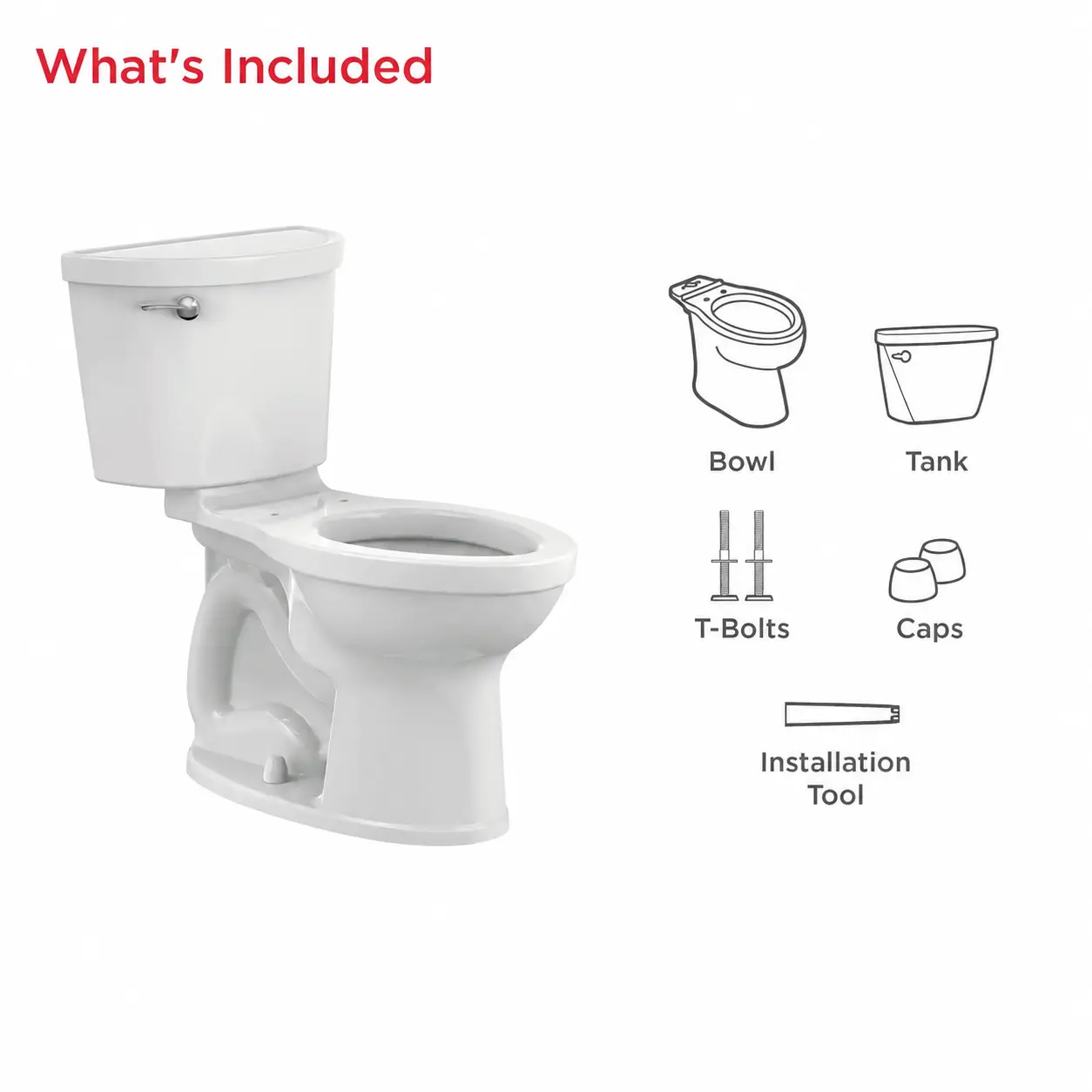
| Product Structure | Integrated tank and bowl | Depósito y cubeta separados |
| Purchase Price | En general, más alto | Por lo general, más bajo |
| Apariencia | Seamless and modern | Traditional or contemporary |
| Limpieza | Fewer exposed joints, easier to clean | More joints require additional cleaning |
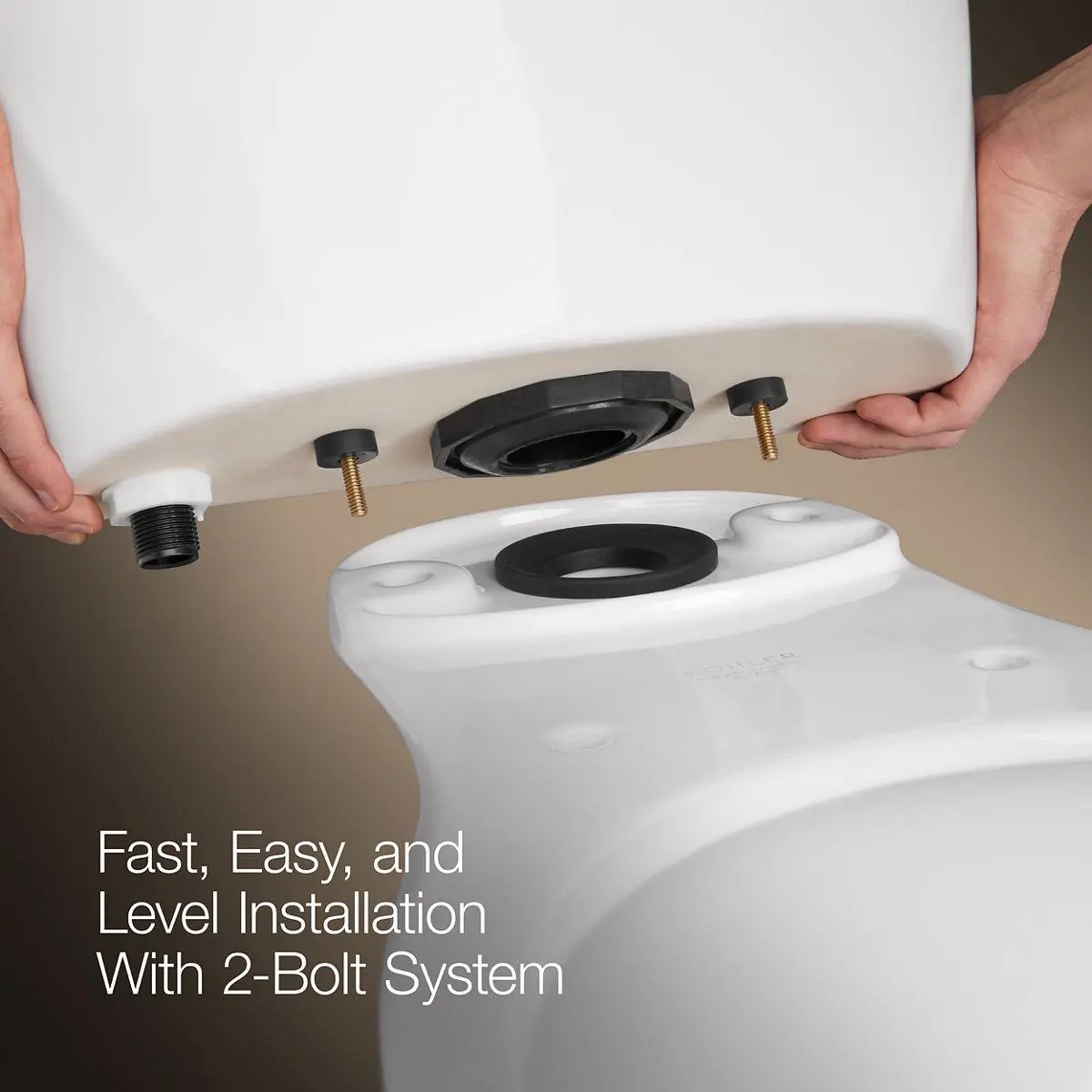
| Instalación | No tank assembly required, but heavier to lift | Tank assembly required, easier to handle separately |
| Mantenimiento | Integrated ceramic body | Tank and bowl can be replaced separately |
| Envío | Requires protective packaging for the integrated structure | Separate components allow flexible handling |
| Typical Applications | Premium homes, hotels, upscale projects | Standard homes, rental properties, budget projects |
Purchase Price and Consumer Budget
One piece toilets typically involve more complex ceramic production and handling requirements, which can contribute to higher manufacturing and transportation costs. Consumers purchasing premium bathroom products may accept this additional expense in exchange for improved aesthetics and convenient cleaning.
Two piece toilets, by comparison, are often better suited to projects where initial cost is the primary concern. For large residential developments, even relatively small unit-price differences can substantially influence procurement budgets.
Installation and Maintenance Practices
Local plumbing practices can strongly influence toilet selection. In markets with extensive existing two piece toilet installations, contractors may be more familiar with traditional configurations and compatible replacement components.
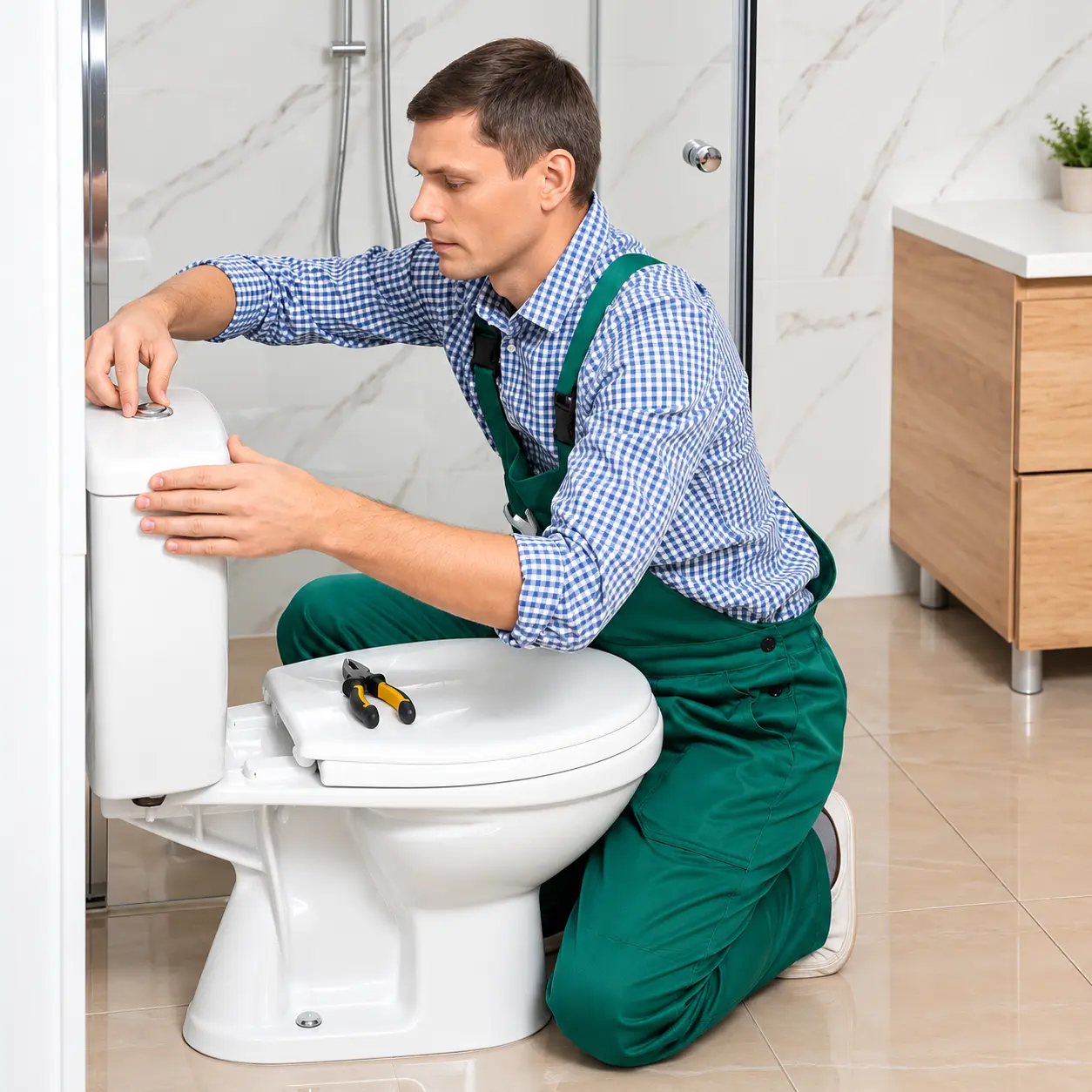
A two piece toilet allows the tank and bowl to be handled separately, which can simplify transportation through narrow doorways or staircases. In some situations, damaged ceramic components can also be replaced individually.
One piece toilets eliminate the tank-to-bowl connection, reducing the possibility of leaks at that particular joint. However, their heavier construction can require greater care during installation.
Shipping Costs and Import Logistics
Shipping efficiency is particularly important for international sanitary ware distributors. Ceramic toilets are relatively heavy and fragile products, so packaging design and container utilization directly affect the total landed cost.
One piece toilets require careful protection for the integrated ceramic structure. Two piece toilets offer separate handling options, although their actual shipping efficiency depends on carton design, nesting possibilities, pallet configuration, and container loading plans.
Importers should compare costs per sellable unit rather than relying only on factory quotations. Freight expenses, breakage rates, customs charges, and replacement shipments should all be considered.
Bathroom Design and Consumer Preferences
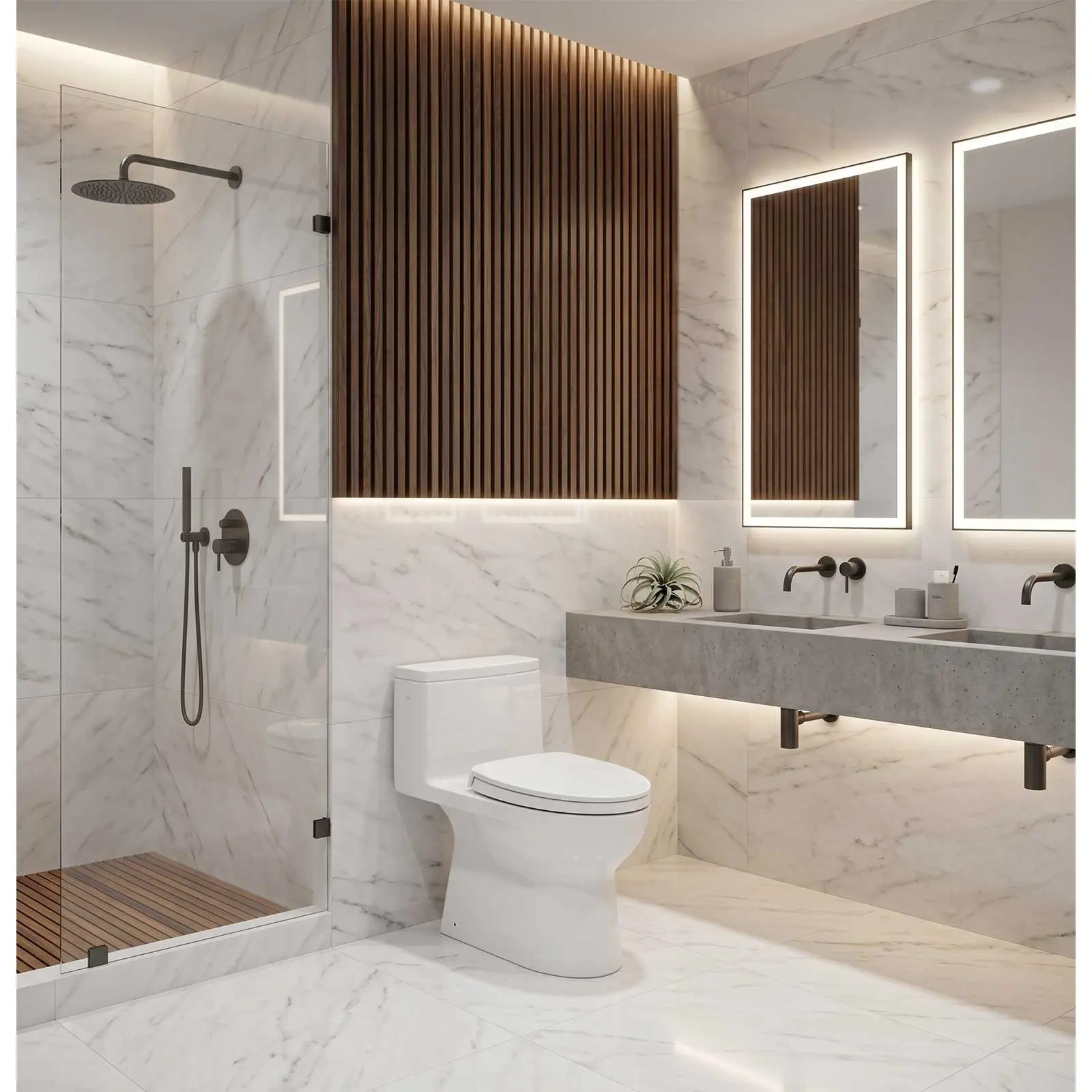
Bathroom design expectations differ between markets and customer segments. Premium residential buyers often prefer coordinated fixtures, smooth ceramic surfaces, and contemporary shapes, making one piece toilets attractive for design-focused projects.
Traditional residential buyers may place greater importance on familiar products, proven functionality, and affordability. In some European markets, wall hung and concealed-cistern toilets also compete strongly in modern bathroom projects.
Therefore, toilet preferences should be evaluated alongside local bathroom styles and installation systems rather than by country alone.
Which Toilet Type Is Best for Different Market Segments?
The most suitable toilet type depends on the project budget, installation environment, design requirements, and expected maintenance costs. One piece toilets are often attractive in design-oriented developments, while two piece toilets remain competitive in standard housing and replacement projects.
For sanitary ware wholesalers, maintaining a balanced product portfolio can help serve different customer groups without relying on a single product category.
| Market Segment | Recommended Toilet Type | Main Purchasing Priority |
|---|---|---|
| Luxury Hotels | One Piece / Project-Specific | Design, hygiene, maintenance |
| Premium Apartments | One Piece | Modern appearance, comfort |
| Standard Residential Housing | One Piece / Two Piece | Budget, installation compatibility |
| Alquileres | Two Piece | Cost, replacement convenience |
| Budget Housing Projects | Two Piece | Competitive pricing |
| Bathroom Showrooms | Both Types | Product variety, design |
| Wholesale Distributors | Both Types | Market coverage, profit margins |
For example, a distributor supplying luxury residential developers in Dubai may prioritize contemporary one piece toilet collections. In contrast, a wholesaler targeting standard residential replacement projects in North America may benefit from a wider selection of affordable two piece toilets.
Rather than assuming that one product is universally superior, importers should analyze local customer preferences, project requirements, and price expectations before selecting their wholesale toilet range.
How Can Buyers Choose a Reliable One Piece Toilet Manufacturer?
A reliable one piece toilet manufacturer should provide more than competitive factory prices. For international wholesalers and importers, consistent product quality, suitable specifications, and dependable export support are essential for long-term cooperation.
When evaluating potential sanitary ware manufacturers, buyers should focus on the following capabilities:
Ⅰ. Manufacturing Experience and Quality Consistency
Experienced manufacturers should have established ceramic production procedures, quality inspection systems, and the ability to maintain consistent product specifications across bulk orders.
Ⅱ. Comprehensive Toilet Product Range
A supplier offering both one piece and two piece toilets allows distributors to develop a more balanced product portfolio for different markets and price levels.
Ⅲ. Market-Specific Product Support
Manufacturers should understand how rough-in dimensions, flushing requirements, water consumption limits, and certification expectations differ between destination countries.
Ⅳ. OEM/ODM and Private-Label Services
Customization support enables importers to develop product collections that align with their branding, target markets, and customer preferences.
Ⅴ. Reliable Export and Delivery Management
Proper protective packaging, production scheduling, inspection coordination, and spare-part support help reduce potential risks throughout international procurement.
Choosing a suitable one piece toilet manufacturer is therefore not simply about finding the lowest quotation. It is about establishing a supply relationship that supports product competitiveness, consistent quality, and long-term business development.
Frequently Asked Questions About One Piece Toilet Demand
Which country has the highest demand for one piece toilets?
The United States and China are important large-scale sanitary ware markets, while Saudi Arabia, the UAE, and several Southeast Asian countries offer opportunities in selected residential and commercial segments. However, available public data does not establish a definitive country ranking specifically for one piece toilet sales.
Are one piece toilets more popular than two piece toilets in the United States?
Not necessarily. Although one piece toilets have an established market in the United States, two piece toilets remain widely used in conventional residential installations and replacement projects. Their competitive pricing and familiar installation methods continue to support demand.
Why are two piece toilets still popular in many countries?
Two piece toilets remain popular because they are generally more affordable, can be handled in separate components, and offer practical maintenance advantages in certain situations. Their established distribution networks and replacement-part availability also support continued demand.
Are one piece toilets suitable for hotels and commercial projects?
Yes. One piece toilets can be suitable for hotels, serviced apartments, and premium commercial bathrooms where appearance and cleaning convenience are important. However, buyers must also evaluate flushing performance, accessibility requirements, local regulations, and maintenance conditions.
What should wholesalers check before importing one piece toilets?
Wholesalers should confirm product dimensions, drainage configurations, flushing performance, applicable certifications, ceramic quality, protective packaging, minimum order quantities, and production lead times. Selecting products that match the destination market is essential for successful wholesale distribution.
Conclusion: Choosing the Right Toilet Products for Global Markets
Global demand for one piece toilets presents opportunities across North America, Asia, and the Middle East, particularly in modern residential developments, bathroom renovations, and premium hospitality projects. However, traditional two piece toilets continue to play an important role in many countries, especially where affordable pricing, familiar installation practices, and convenient maintenance influence purchasing decisions.
For sanitary ware importers and distributors, the most effective strategy is not to focus exclusively on one product type. Instead, buyers should select a balanced range of one piece and two piece toilets based on local market preferences, project budgets, installation standards, and distribution requirements.
Working with an experienced sanitary ware manufacturer can help international buyers identify suitable models, ensure consistent product quality, and develop competitive wholesale toilets collections. Whether you are sourcing one piece toilets for premium residential projects or two piece toilets for large-scale distribution, choosing the right manufacturing partner is an important step toward long-term market success.